Amaranthus blitum L. / Purple Amaranth, popularly known as purple amaranth, livid amaranth, or Guernsey pigweed, is a species of annual herbaceous plant belonging to the Amaranthaceae family. This plant, described by Carolus Linnaeus in 1753, is native to tropical and temperate regions, having spread globally due to its adaptability and multifaceted uses. Historically, purple amaranth has been valued both as food and as a medicinal plant in various cultures around the world.
In traditional medicine, purple amaranth is recognized for its therapeutic properties, being employed in the treatment of various health conditions. Its leaves, rich in nutrients and bioactive compounds, are frequently used in culinary and medicinal preparations. Modern scientific research has been exploring and validating many of the traditional uses of this plant, highlighting its potential as a source of compounds with antioxidant and anti-inflammatory activity. The versatility of purple amaranth makes it a plant of great interest for both gastronomy and phytotherapy.
Popular and International Names of Purple Amaranth
- English: purple amaranth, Guernsey pigweed, livid amaranth, slender amaranth.
- Spanish: amaranto ascendente, bledo rojo.
- Portuguese: caruru, caruru-folha-de-cuia, bredo, caruru-vermelho (BR); beldro, beldro-manso, bredos, bredo-manso, bredo-roxo (PT).
- French: amarante livide.
- Italian: amaranto polygonoide.
- German: aufsteigender Fuchsschwanz, gemeiner Erdamarant.
Botanical Synonyms of Purple Amaranth
The taxonomy of Amaranthus blitum L. presents some botanical synonyms that have been used throughout the history of botany. These designations reflect different classifications or interpretations of the species by various authors. Although Amaranthus blitum L. is the currently accepted name, it is common to find references to other designations in older literature or in different taxonomic contexts.
The most relevant botanical synonyms include Amaranthus lividus L., Amaranthus oleraceus L., Euxolus blitum (L.) Gren., and Euxolus lividus (L.) Moq. These variations demonstrate the complexity of plant species classification and the evolution of botanical knowledge over time. Understanding these synonyms is fundamental for comprehensive research on the plant.
Botanical Family: Amaranthaceae

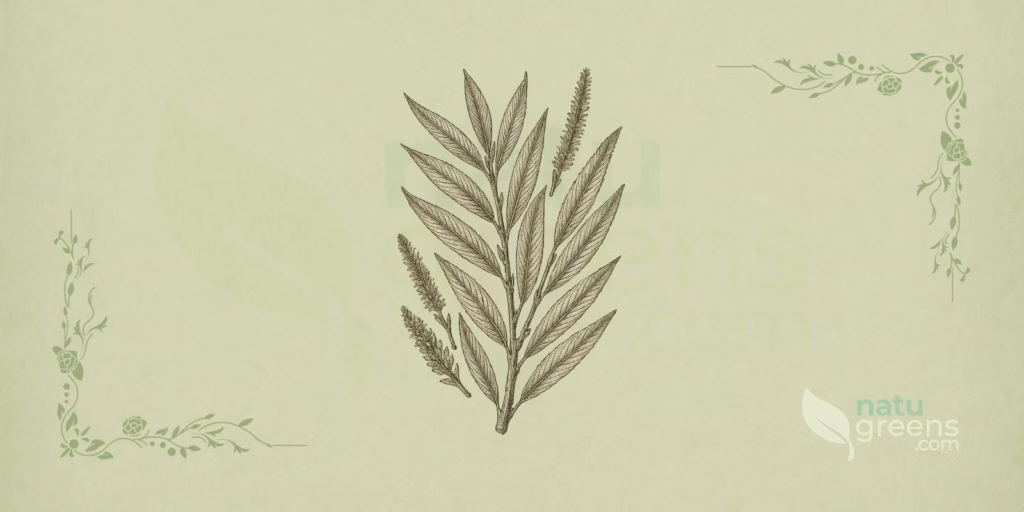
Botanical illustration of Amaranthus blitum L. (purple amaranth, livid amaranth), an annual herb of the Amaranthaceae family described by Carolus Linnaeus in 1753, native to tropical and temperate regions, showing the complete plant with oval to lanceolate leaves, dense inflorescences of small flowers, a branched stem, and the root system, in 19th-century botanical encyclopedia style on a sage-green herbarium paper background.
The Amaranthaceae family is a diverse group of flowering plants that includes approximately 160 genera and about 2,400 species. This family is cosmopolitan, with members found in various regions of the world, from temperate to tropical zones. The Amaranthaceae are known for their economic importance, especially as sources of food (grains, leafy vegetables) and ornamental plants. Many species of this family also have recognized medicinal properties.
Plants of the Amaranthaceae family are characterized by small flowers, frequently grouped in dense inflorescences, and by the presence of betalain pigments, which give vibrant colors to stems and leaves. This family includes genera such as Amaranthus, Chenopodium, and Spinacia. The phytochemical diversity of the Amaranthaceae contributes to their varied uses, from human and animal nutrition to applications in traditional and modern medicine.
Parts of Purple Amaranth Used
- Leaves
- Seeds
Ethnobotanical and Traditional Uses of Purple Amaranth
- Antidote for poisoning, through the consumption of the leaves (ethnobotanical record; poisoning requires emergency care)
- Febrifuge, used to reduce fever
- Healing of wounds, mouth ulcers, coughs, and sore throats
- Relief of bleeding disorders and heavy menstrual bleeding
- Relief of intestinal cramps and flatulence
- Remedy for lung diseases, especially in Nigeria
- Treatment of diarrhea, ulcers, and pharyngitis
- Treatment of inflammation, boils, and abscesses, applied as a poultice
Therapeutic Properties of Purple Amaranth
- Antibacterial (fights bacteria); traditional use, without established clinical efficacy
- Anti-inflammatory (reduces inflammation)
- Antioxidant (fights free radicals)
- Astringent (contracts tissues and blood vessels)
- Diuretic (increases urine production)
- Febrifuge (reduces fever)
- Galactagogue (stimulates breast milk production); traditional record, without established clinical efficacy
- Pectoral (relieves respiratory problems)
Detailed Phytochemical Profile of Purple Amaranth
- Alkaloids
- Betacyanins
- Betaxanthins
- Flavonoids
- Saponins
- Tannins
Preparation and Administration Forms of Purple Amaranth
- Cooked (leaves like spinach, seeds like a grain)
- Fluid extract (for internal and external use)
- Poultice (for topical application)
Synergy with Other Medicinal Plants
Digestive Health
Combining purple amaranth with plants such as peppermint (Mentha × piperita) or lemon balm (Melissa officinalis) can enhance the effects in the relief of digestive disorders. Purple amaranth, with its anti-inflammatory and astringent properties, works together with the carminative and antispasmodic properties of these other herbs, providing more effective relief for cramps, flatulence, and indigestion. This synergy can be particularly useful in infusions or culinary preparations.
Immune Support
To strengthen the immune system, purple amaranth can be combined with plants rich in vitamin C and antioxidants, such as acerola (Malpighia emarginata) or elderberry (Sambucus nigra). The antioxidant richness of purple amaranth, such as its betacyanins and betaxanthins, complements the immunostimulant compounds of other plants, creating a synergy that can help protect the body against infections and promote overall health. This combination can be explored in juices, smoothies, or extracts.
Recipes and Usage Protocols of Purple Amaranth
Green Detox Juice with Purple Amaranth
Ingredients: purple amaranth leaves briefly blanched and drained rather than raw, 1 green apple, 1/2 cucumber, juice of 1 lemon, 1 small piece of ginger, 200 ml of coconut water.
Preparation: Wash all the ingredients well. Cut the apple and cucumber into pieces. Add all the ingredients to a blender and blend until smooth. Strain if you prefer a smoother texture, but it is ideal to consume it with the fiber. Drink immediately to make the most of the nutrients. This juice is rich in antioxidants and fiber, aiding the body’s detoxification and providing essential vitamins and minerals.
Purple Amaranth Salad with Vegetables
Ingredients: 2 cups of steamed purple amaranth leaves, 1 chopped tomato, 1/2 sliced red onion, 1 grated carrot, extra virgin olive oil, balsamic vinegar, salt and pepper to taste.
Preparation: Steam the purple amaranth leaves for about 5 minutes, until tender but still crisp. Drain and set aside. In a large bowl, mix the cooked amaranth, the tomato, the red onion, and the grated carrot. Season with olive oil, balsamic vinegar, salt, and pepper. Mix well and serve as a side dish or a light main course. This salad is an excellent source of vitamins, minerals, and fiber, ideal for a healthy diet.
Sautéed Purple Amaranth with Garlic
Ingredients: 3 cups of fresh purple amaranth leaves, 2 cloves of garlic, chopped, 1 tablespoon of olive oil, salt to taste.
Preparation: Wash and roughly chop the purple amaranth leaves. In a frying pan, heat the olive oil over medium heat. Add the chopped garlic and sauté for about 1 minute, until fragrant. Add the chopped amaranth leaves and sauté for 5 to 7 minutes, stirring occasionally, until the leaves wilt and become tender. Season with salt to taste. Serve hot as a side dish. This sauté is a simple, tasty way to incorporate purple amaranth into the diet, taking advantage of its nutritional benefits.
Associated Therapies
Functional Nutrition
Purple amaranth is considered a functional food due to its rich nutritional profile and the presence of bioactive compounds. Its leaves are an excellent source of vitamins (A, C), minerals (calcium, iron), and antioxidants (betacyanins, betaxanthins). In functional nutrition, purple amaranth is recommended for diets aimed at detoxification, immune strengthening, and the prevention of chronic diseases. It can be incorporated into various culinary preparations, such as salads, juices, and sautés, to increase the nutritional value of meals.
Phytotherapy
In phytotherapy, purple amaranth is valued for its astringent, anti-inflammatory, and antioxidant properties. It is frequently used in the form of extracts or infusions to treat conditions such as gastrointestinal inflammation, diarrhea, and ulcers. The topical application of poultices made with the leaves can aid the healing of wounds and the treatment of abscesses. Modern phytotherapy recognizes the potential of purple amaranth as a natural therapeutic agent, although more research is needed to standardize dosages and forms of use.
Contraindications and Side Effects of Purple Amaranth
Common Side Effects
The side effects of purple amaranth are rare and generally mild. In some people, excessive consumption can cause gastrointestinal discomfort, such as bloating or diarrhea, due to the high fiber content. The topical application of purple amaranth preparations can, in rare cases, cause skin irritation in sensitive individuals. It is always advisable to start consumption in small quantities and observe the body’s reaction. In case of any adverse reaction, use should be discontinued and a healthcare professional consulted.
Cultivation in Nitrogen-Rich Soils
The main contraindication is related to the cultivation of the plant. When purple amaranth is grown in nitrogen-rich soils, especially with the use of chemical fertilizers, its leaves can accumulate nitrates at high levels. The consumption of plants with a high concentration of nitrates can be harmful to health, its relationship with stomach cancer being a matter of debate, and being implicated in blue baby syndrome, which affects infants above all. Besides nitrate, the leaves accumulate oxalates: anyone with a history of calcium oxalate kidney stones should avoid large quantities and prefer cooked leaves, discarding the cooking water. Therefore, it is inadvisable to consume purple amaranth that has not been grown organically or whose origin is unknown.
General Contraindications
The consumption of purple amaranth is generally safe for most people when it is grown under suitable conditions. However, it is important to be cautious. Individuals with a known allergy to plants of the Amaranthaceae family should avoid its consumption to prevent allergic reactions. Although not common, allergic reactions can manifest as contact dermatitis or hives. Prudence is always advised in cases of sensitivity to plants.
Interesting Facts about Purple Amaranth
History and Culture
Purple amaranth, or Amaranthus blitum, has a rich history of use in various cultures. In Ancient Greece, it was known as vlita, and its leaves were eaten as a popular dish, especially cooked and seasoned with olive oil and lemon. This culinary tradition persists to this day in some regions. The plant was also cultivated as a vegetable in Europe and introduced to other parts of the world, becoming an integral part of the diet and traditional medicine in many places.
Natural Dye
An interesting curiosity about purple amaranth is the possibility of extracting an edible dye from its seed capsules. This dye, rich in betalains, can be used to color food and beverages naturally, offering an alternative to synthetic dyes. The presence of these pigments also gives the plant its characteristic coloring, which can range from green to intense purple, depending on the variety and growing conditions.
Frequently Asked Questions about Purple Amaranth
Can Purple Amaranth Be Consumed Daily?
Yes, purple amaranth can be consumed daily as part of a balanced diet, especially if it is grown organically. Its leaves are rich in nutrients and can contribute to overall health. However, it is crucial to ensure that the plant was not grown with chemical fertilizers that could lead to nitrate accumulation. Moderate consumption is always recommended.
Does Purple Amaranth Help with Digestion?
Yes, purple amaranth has properties that can aid digestion. Its fiber content contributes to good intestinal function, while its anti-inflammatory and astringent properties can help relieve gastrointestinal discomfort, such as cramps and diarrhea. Infusions or the consumption of the cooked leaves are effective ways to take advantage of these benefits.
Can Children Consume Purple Amaranth?
Yes, children can consume purple amaranth prepared properly and in moderate quantities. The caveat applies to infants: because of the nitrate content, green leaves should not be part of a baby’s diet in the first months of life. It is an excellent source of vitamins and minerals important for growth. However, as with any new food, it is advisable to introduce it gradually and observe any reaction. The supervision of a healthcare professional is always recommended for young children.
Does Purple Amaranth Have Antioxidant Properties?
Yes, purple amaranth is rich in antioxidants, such as betacyanins, betaxanthins, and flavonoids. These compounds help fight free radicals in the body, protecting cells against oxidative damage and contributing to the prevention of chronic diseases. Regular consumption of purple amaranth can therefore offer significant benefits for cellular health and general well-being.
How Do I Store Fresh Purple Amaranth?
To keep purple amaranth fresh for longer, the leaves should be washed, dried carefully, and stored in a perforated plastic bag or wrapped in a damp paper towel in the refrigerator. Consume within a few days to ensure maximum freshness and nutritional value. The dried seeds can be stored in airtight containers in a cool, dark place.
Notice: this content is for informational purposes and does not replace professional medical advice. Consult a physician or herbal practitioner before using medicinal plants, especially during pregnancy, breastfeeding, or alongside medication.
References and Scientific Studies
Peer-Reviewed Scientific Studies (3)
- PMC2022 Baraniak, J. (2022). The Dual Nature of Amaranth – Functional Food and Medicinal Plant. PubMed Central (PMC).
- PEER2020 Sarker, U. (2020). Nutrients, minerals, pigments, phytochemicals, and radical scavenging activity in Amaranthus blitum. Scientific Reports, 10.
- PEER2024 Sattar, M., et al. (2024). An overview of the nutritional and therapeutic properties of amaranth. International Journal of Food Properties.
Supplementary Readings (2)
- CABI Compendium. Amaranthus blitum (livid amaranth). CABI Digital Library.
- Linnaeus, C. (1753). Species Plantarum, 2: 990.