Modern research on ginkgo focuses mainly on extracts from its leaves, which are rich in bioactive compounds such as flavonoids and terpenoids. These components give the plant antioxidant and anti-inflammatory properties that have been associated with potential benefits for brain, cardiovascular, and eye health. Understanding its reproductive biology and phytochemistry is essential to fully exploring its therapeutic potential.
Popular and International Names of Ginkgo
- English: ginkgo, maidenhair tree.
- Spanish: ginkgo, árbol de los cuarenta escudos.
- Portuguese: ginkgo, árvore-dos-quarenta-escudos, nogueira-do-japão.
- French: ginkgo, arbre aux quarante écus.
- Italian: ginkgo, albero di capelvenere.
- German: Ginkgo, Fächerblattbaum.
Botanical Synonyms of Ginkgo biloba
Although Ginkgo biloba L. is the universally accepted scientific name, the plant has a taxonomic history that includes a few designations now regarded as synonyms or invalid names.
Historical synonyms include Ginkgo macrophylla K.Koch, Pterophyllus salisburiensis J.Nelson, Salisburia adiantifolia Sm., Salisburia biloba (L.) Hoffmanns., Salisburia ginkgo Rich., and Salisburia macrophylla Reyn. These names reflect different moments and interpretations in the history of botany, but Ginkgo biloba L. remains the correct and widely accepted designation.
Botanical Family: Ginkgoaceae
The family Ginkgoaceae is monotypic, containing only one living genus, Ginkgo, and a single species, Ginkgo biloba. This family belongs to the division Ginkgophyta, the only surviving division of a group of plants that flourished during the Mesozoic era. The uniqueness of ginkgo as a “living fossil” lies in its nearly unchanged morphology over millions of years, making it a fascinating subject of study for plant evolution. Its reproductive structure, with motile sperm cells, represents an evolutionary bridge between ferns and conifers.
Ginkgoaceae is characterized by deciduous trees with fan-shaped leaves, dioecious growth (with separate male and female plants), and seeds that resemble small fruits. The family’s resistance to pests, disease, and environmental pollution has contributed to its survival and its popularity as an ornamental tree in urban settings worldwide. Its importance is not only botanical but also cultural and medicinal, with leaf extracts widely used in modern herbal medicine.
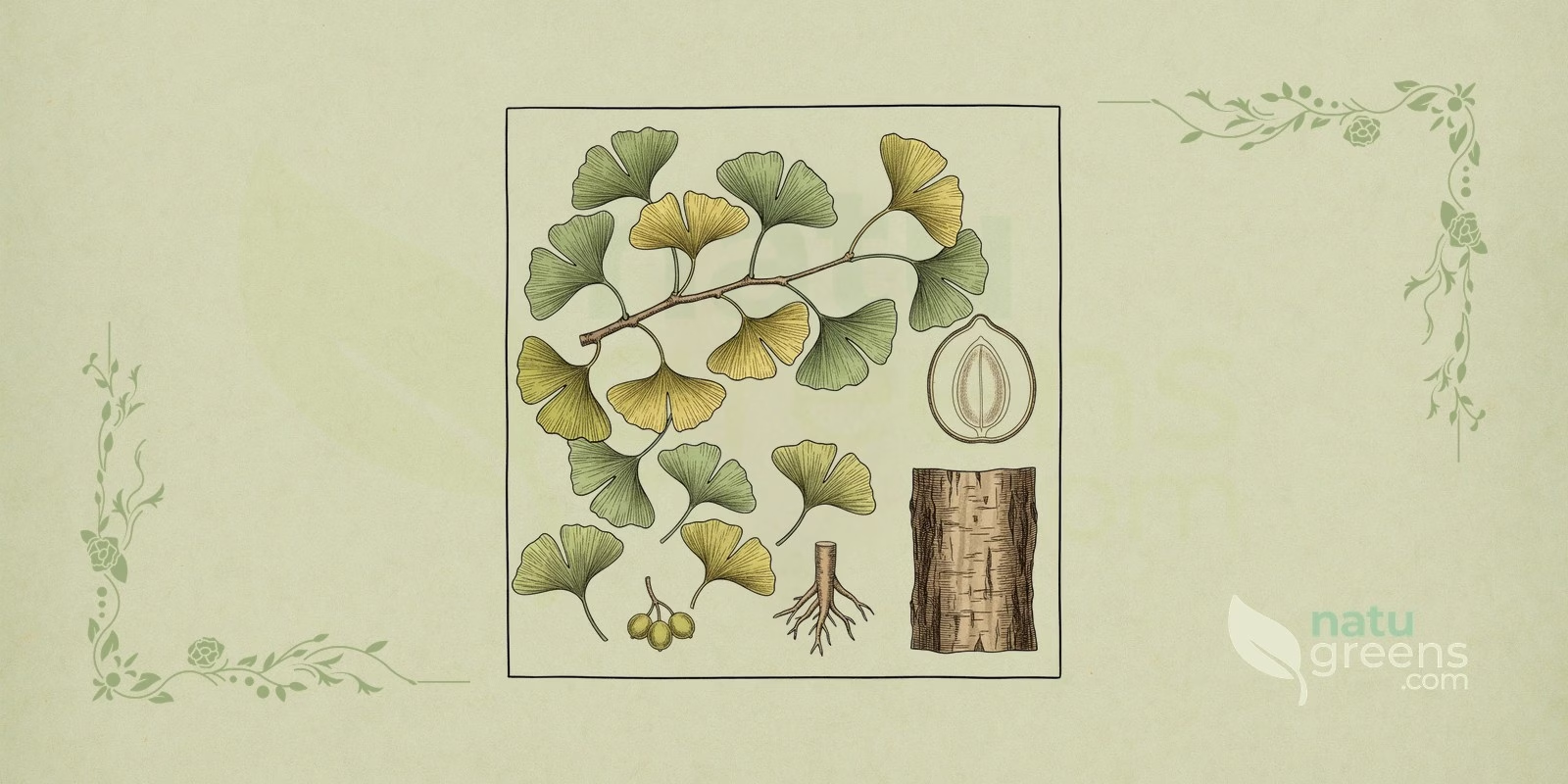
Parts of Ginkgo Used
- Leaves (mainly for standardized extracts)
- Seeds (used in small amounts in Asian cuisine, and only roasted; raw seeds are toxic, and excessive consumption can cause seizures due to ginkgotoxin)
Ethnobotanical and Traditional Uses
- Asthma
- Bronchitis
- Circulatory disorders
- Cough
- Memory and concentration problems
Therapeutic Properties of Ginkgo
- Anti-inflammatory (studied effect in reducing inflammation)
- Antioxidant (studied activity against free radicals)
- Cardioprotective (studied protective effect on the heart)
- Neuroprotective (studied protective effect on the nervous system)
- Vasodilator (studied effect on blood circulation)
Detailed Phytochemical Profile of Ginkgo
- Alkylphenols
- Biflavones (amentoflavone, bilobetin, ginkgetin)
- Flavonoids (isorhamnetin, kaempferol, quercetin)
- Phenolic acids
- Polyprenols
- Proanthocyanidins
- Terpenoids (bilobalide, ginkgolides A, B, and C)
Preparation and Administration Forms of Ginkgo
- Capsules
- Dried extract
- Fluid extract
- Infusion (dried leaves)
- Tablets
- Tincture
Synergy with Other Medicinal Plants
Cognitive Function Support
The combination of Ginkgo biloba with Panax ginseng (ginseng) is often used to enhance effects on cognitive function and memory. Ginkgo, with its flavonoids and terpenoids, is studied for its effect on cerebral circulation and its antioxidant action, while ginseng, rich in ginsenosides, has adaptogenic and neuroprotective properties. This synergy may result in greater mental clarity, focus, and resistance to stress, making it beneficial for students and older adults.
Cardiovascular Support
For cardiovascular support, ginkgo can be combined with Crataegus monogyna (common hawthorn). Ginkgo is studied for its effect on microcirculation, while hawthorn has traditional use supporting the heart and blood pressure. Together, they are traditionally associated with complementary support for heart and circulatory system health, including mild blood pressure changes, always as adjuncts and never as a replacement for medical cardiology care.
Stress and Anxiety Reduction
The synergy between Ginkgo biloba and Rhodiola rosea (rhodiola) can be explored for reducing stress and anxiety. Rhodiola is an adaptogen known for increasing the body’s resistance to physical and mental stress, while ginkgo is studied for its effect on cerebral oxygenation and neurotransmitter function. This combination may help balance mood, reduce mental fatigue, and promote an overall sense of well-being.
Recipes and Usage Protocols of Ginkgo
Traditional Ginkgo Leaf Infusion
Ingredients: 1 teaspoon of dried Ginkgo biloba leaves, 200 ml of boiling water.
Preparation: Place the leaves in a cup and add the boiling water. Cover and let steep for 5 to 10 minutes. Strain and drink. Tradition recommends 1 to 2 cups per day, preferably in the morning and afternoon, as a drink to support circulation; there is no proven effect on memory. Unlike the standardized extract, the homemade infusion retains ginkgolic acids, which are potentially allergenic, so avoid prolonged use. Avoid drinking it before bed due to its potential stimulating effect.
Ginkgo Tincture for Cognitive Support
Ingredients: 50 g of dried Ginkgo biloba leaves, 250 ml of 70% grain alcohol.
Preparation: Place the leaves in a dark glass jar and cover with the alcohol. Seal well and let macerate for 2 to 4 weeks in a cool, dark place, shaking daily. Strain and store the resulting tincture. The usual dosage is 20 to 30 drops, diluted in water, 2 to 3 times a day. Consult a healthcare professional for specific dosages and treatment duration.
Standardized Ginkgo Extract
Protocol: Use standardized Ginkgo biloba extract (EGb 761) with 24% flavone glycosides and 6% terpene lactones. The typical dosage ranges from 120 mg to 240 mg per day, divided into 2 or 3 doses. This form is the most scientifically studied and offers greater consistency in results. Always follow the manufacturer’s instructions or the guidance of a healthcare professional.
The preparations above follow traditional records and do not replace professional guidance. Before any internal use, check the contraindications and interactions described in this article.
Associated Therapies
Aromatherapy
Although Ginkgo biloba is not traditionally used in aromatherapy due to the absence of a significant aromatic essential oil, its benefits for circulation and brain function can complement therapies that use essential oils with stimulating or relaxing properties. For example, inhaling oils such as rosemary or peppermint can be combined with ginkgo supplementation for a synergistic effect on mental clarity and focus.
Clinical Herbal Medicine
In clinical herbal medicine, Ginkgo biloba is widely used, mainly in the form of standardized leaf extracts. It is prescribed for conditions such as cerebrovascular insufficiency, intermittent claudication, and vertigo of vascular origin. The clinical approach focuses on precise dosing and monitoring of drug interactions, seeking greater safety in use and closer tracking of observed effects, often alongside other plants or conventional treatments and under the guidance of a healthcare professional.
Traditional Chinese Medicine (TCM)
In TCM, ginkgo seeds (Bai Guo) are valued for their astringent properties and are traditionally used for respiratory problems such as asthma and cough, as well as for urinary incontinence. The leaves are used to improve blood circulation and brain function. TCM incorporates ginkgo into complex herbal formulas tailored to each patient’s individual needs, aiming to restore the body’s energetic balance.
Contraindications and Side Effects of Ginkgo
General Contraindications
Ginkgo biloba is contraindicated in individuals with known hypersensitivity to the plant. It is not recommended for pregnant or breastfeeding women, due to the lack of conclusive studies on its safety in these groups. People with bleeding disorders or who take anticoagulant medications (such as warfarin or aspirin) or antiplatelet drugs should avoid ginkgo, as it may increase the risk of bleeding. Patients with epilepsy or a history of seizures should use it with caution: the extract may reduce the effectiveness of anticonvulsant medications, and the seeds contain ginkgotoxin, which in excess can trigger seizures.
Drug Interactions
Ginkgo can interact with a variety of medications, including anticoagulants and antiplatelet drugs (increasing the risk of bleeding), antidepressants (such as SSRIs and MAOIs, which may affect their efficacy or cause serotonin syndrome), NSAIDs (ibuprofen, naproxen, increasing the risk of gastrointestinal bleeding), and diabetes medications (which may alter blood glucose levels). It is essential to consult a doctor or pharmacist before starting ginkgo supplementation, especially if taking other medications.
Common Side Effects
The most frequently reported side effects include headaches, dizziness, palpitations, gastrointestinal disturbances (nausea, diarrhea, abdominal pain), and allergic skin reactions. These effects are generally mild and transient. In rare cases, more serious reactions can occur, such as spontaneous bleeding, especially in susceptible individuals or those taking medications that affect blood clotting.
Historical Notes and Interesting Facts
A Living Fossil
Ginkgo biloba is often referred to as a “living fossil” due to its remarkable evolutionary persistence. It is the only surviving species of an order of plants that dominated the flora millions of years ago, with fossils dating back more than 290 million years. Its ability to survive extreme climate changes and geological events while retaining nearly unchanged morphological features is a testament to its resilience.
Remarkable Resilience
Ginkgo’s resilience is legendary. Specimens survived the atomic bombing of Hiroshima, and some trees in China are more than 3,500 years old. This longevity and ability to withstand adverse conditions, including urban pollution, pests, and disease, make it a popular choice for urban tree planting around the world.
The Discovery of Its Reproduction
Ginkgo’s reproduction is peculiar. In 1896, Japanese botanist Sakugoro Hirase discovered that fertilization of ginkgo seeds occurs through motile sperm cells, a primitive trait shared with ferns and cycads but rare among seed plants. This discovery was a milestone in botany, revealing an unexpected evolutionary link.
Frequently Asked Questions about Ginkgo
Does Ginkgo Tea Really Improve Memory?
Studies on the effectiveness of ginkgo tea in improving memory in healthy individuals show inconsistent results. Although some suggest a mild benefit for concentration and perceived well-being, most research does not show significant improvements in memory or cognitive function in young adults. The benefits are more noticeable in cases of age-related cognitive decline or dementia, where the standardized extract is more commonly used.
What Are the Main Benefits of Ginkgo Tea?
The main benefits attributed to ginkgo tea include improved blood circulation, especially to the brain and extremities, due to its vasodilating effects. It also has antioxidant and anti-inflammatory properties that may protect the body’s cells from damage. Traditionally, it is used to relieve symptoms of anxiety, dizziness, and ringing in the ears.
Are There Side Effects to Drinking Ginkgo Tea?
Yes, drinking ginkgo tea can cause side effects such as headaches, dizziness, gastrointestinal disturbances (nausea, diarrhea), and allergic skin reactions. It is essential to avoid consuming raw or roasted seeds, as they are toxic. People with pre-existing medical conditions or who take other medications should consult a healthcare professional before drinking ginkgo tea.
Who Should Not Drink Ginkgo Tea?
Pregnant or breastfeeding women, and people with bleeding disorders, epilepsy, or a history of seizures should avoid ginkgo tea. In addition, individuals taking anticoagulant, antiplatelet, antidepressant, or diabetes medications should exercise caution and seek medical guidance due to the risk of drug interactions.
What Is the Difference Between Ginkgo Tea and the Standardized Extract?
Ginkgo tea is made from the plant’s dried leaves and contains a variety of compounds in variable concentrations. The standardized extract (EGb 761), on the other hand, is a concentrated and purified product, containing specific amounts of flavone glycosides (24%) and terpene lactones (6%). This extract is the one most used in clinical studies and is considered more potent and consistent in its effects than the tea.
Notice: this content is for informational purposes and does not replace professional medical advice. Consult a physician or herbal practitioner before using medicinal plants, especially during pregnancy, breastfeeding, or alongside medication.
References and Scientific Studies
- DOI2008 Mahadevan, S., & Park, Y. (2008). Ginkgo biloba: An Overview of Clinical Evidence. Journal of Clinical Pharmacology, 48(8), 913-923. ↗
- DOI2000 Kennedy, D. O., Scholey, A. B., & Wesnes, K. A. (2000). The dose-dependent cognitive effects of acute administration of Ginkgo biloba to healthy young volunteers. Psychopharmacology, 151(4), 416-423. ↗
- PMC2019 Singh SK, et al. Neuroprotective and Antioxidant Effect of Ginkgo biloba Extract Against AD and Other Neurological Disorders. Neurotherapeutics : the journal of the American Society for Experimental NeuroTherapeutics. 2019.