Centaurium erythraea Rafn. / Common Centaury, popularly known as common centaury, is an annual or biennial herbaceous plant belonging to the Gentianaceae family. This species is widely distributed across Europe, Western Asia, and North Africa, and has been valued since antiquity for its remarkable medicinal properties. Common centaury is recognized by its erect stems, triangular leaves, and inflorescences with small pink or lilac flowers. Traditionally, it has been used to treat a variety of conditions, especially digestive and febrile disorders.
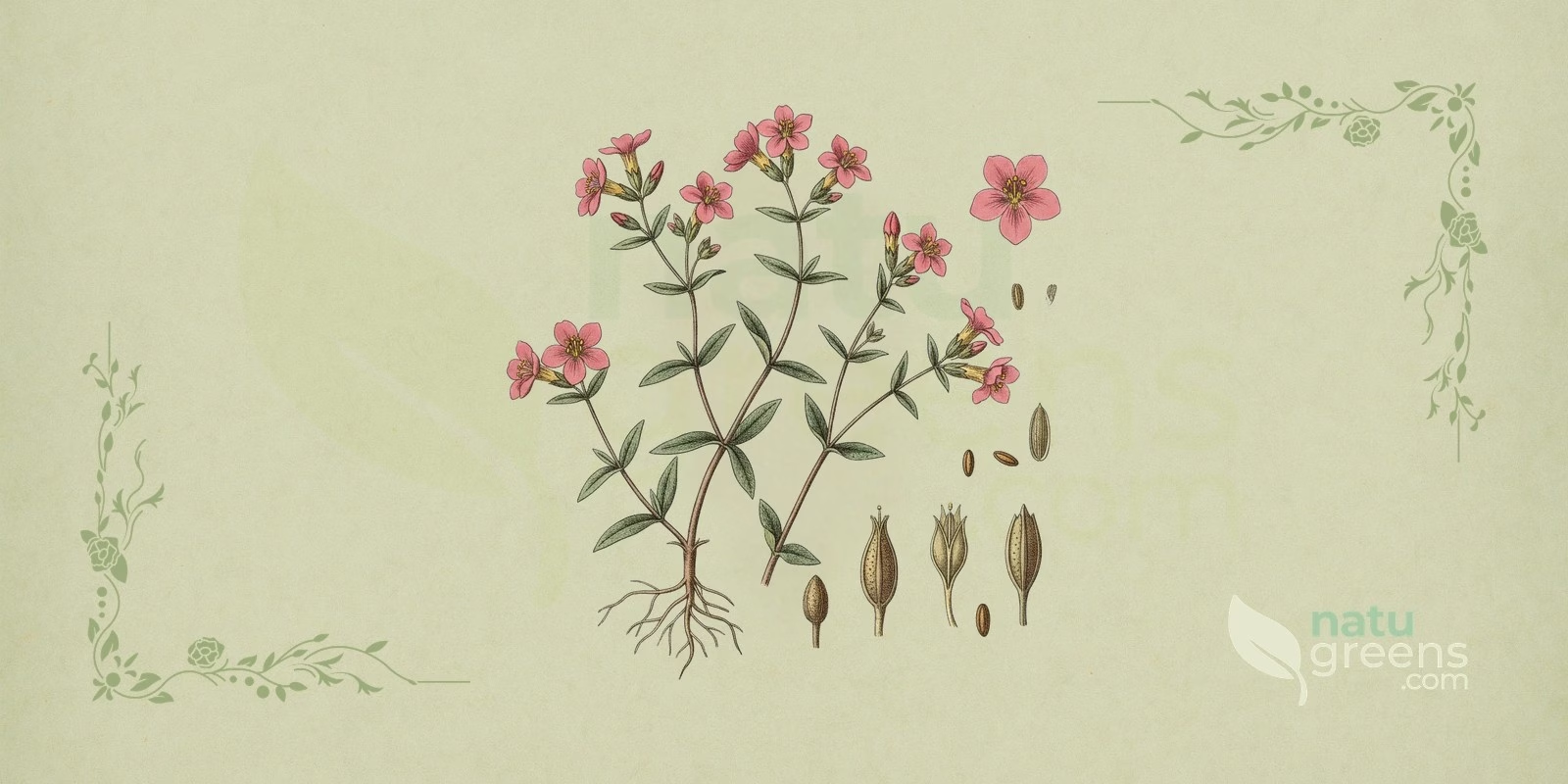
The plant is rich in bioactive compounds, such as secoiridoid glycosides and xanthones, which contribute to its therapeutic effects. Modern scientific research has been validating many of the ethnobotanical uses of common centaury, reinforcing its importance in phytotherapy. Its characteristic bitter taste is an indicator of its digestive and tonic properties. Common centaury continues to be a subject of study due to its pharmacological potential and applications in natural medicine.
Popular and International Names of Common Centaury
- English: centaury, common centaury, European centaury, feverfoullie, gentian.
- Spanish: centáurea menor, hiel del campo.
- Portuguese: centáurea-menor, fel-da-terra.
- French: érythrée, petite-centaurée commune.
- Italian: centaurea minore.
- German: echtes Tausendgüldenkraut.
Botanical Synonyms of Centaurium erythraea
- Centaurium minus Garsault
- Centaurium umbellatum Gilib.
- Erythraea centaurium Pers.
Botanical Family: Gentianaceae
The Gentianaceae family is a diverse group of flowering plants, widely distributed in temperate and tropical regions. It is characterized by species with generally showy flowers that are often bitter in taste. This family includes about 87 genera and more than 1,600 species, many of which are recognized for their medicinal properties. The presence of iridoid glycosides is a common phytochemical feature, giving them significant therapeutic activities.
Plants of the Gentianaceae family are valued in traditional medicine and phytotherapy for their digestive, tonic, and hepatoprotective effects. Common centaury is a prominent example of this family, sharing many of the botanical and phytochemical characteristics that make it a valuable resource for health. The diversity of bioactive compounds in this family remains the subject of intense scientific research.
Parts of Common Centaury Used
- Flowering aerial parts (stems, leaves, and flowers)
Ethnobotanical and Traditional Uses
- Anorexia (loss of appetite)
- Diabetes
- Diabetic nephropathy (kidney damage in people with diabetes)
- Digestive disorders (dyspepsia, flatulence, bloating)
- Febrile conditions (fever)
- Hepatitis
- High blood pressure
- Jaundice
- Rhinitis
- Snakebite
- Stomach problems
- Urinary tract infections
Therapeutic Properties of Common Centaury
- Analgesic (traditional use to relieve pain)
- Anti-inflammatory (studied effect in reducing inflammation)
- Antimicrobial (studied activity against microorganisms)
- Antioxidant (studied activity against free radicals)
- Antipyretic (studied effect in reducing fever)
- Cholagogue (studied effect on bile secretion)
- Digestive (aids digestion)
- Gastroprotective (studied protective effect on the stomach)
- Hypocholesterolemic (studied effect in reducing cholesterol)
- Spasmolytic (traditional use to relieve spasms)
Detailed Phytochemical Profile of Common Centaury
- Alkaloids
- Betalains
- Brassicasterol
- Carvacrol
- Flavonoids
- Gentiopicrin
- Glycosides
- Hexadecanoic acid
- Naphthalene
- Neophytadiene
- P-camphorene
- Phenolic acids (ferulic acid, sinapic acid)
- Saponins
- Secoiridoid glycosides (loganin, secologanin, swertiamarin, sweroside)
- Sterols
- Stigmasterol
- Tannins
- Terpenoids
- Toluene
- Xanthones
Preparation and Administration Forms of Common Centaury
- Bitter liqueurs
- Decoction
- Dry extract
- Infusion (tea)
- Liquid extract
- Tincture
- Vermouth
Synergy with Other Medicinal Plants
Digestive Bitters
Common centaury, thanks to its intense bitter taste and digestive properties, can be combined with other bitter herbs such as dandelion (Taraxacum officinale) or yellow gentian (Gentiana lutea). This synergy enhances the stimulation of digestive secretions, favoring digestion and appetite. The combination is particularly useful in cases of dyspepsia and poor digestion, acting in a complementary way to optimize gastrointestinal function.
Hepatoprotectors
For liver support, common centaury can be paired with plants such as milk thistle (Silybum marianum) or artichoke (Cynara scolymus). While milk thistle protects and regenerates liver cells, common centaury acts as a cholagogue, stimulating bile production and flow. This combination offers comprehensive support for liver and gallbladder health, aiding detoxification and fat digestion.
Recipes and Usage Protocols of Common Centaury
Infusion to Stimulate Appetite
Ingredients: 1 teaspoon (about 1-2 g) of dried aerial parts of common centaury, 200 ml of boiling water.
Preparation: Place the common centaury in a cup and add the boiling water. Cover and let it infuse for 5 to 10 minutes. Strain and drink warm, about 15 to 30 minutes before main meals. The bitter taste will stimulate the taste buds and digestive secretions, promoting appetite and facilitating digestion. Do not sweeten, as sugar can diminish the bitter effect.
Digestive Tincture
Ingredients: 50 g of dried aerial parts of common centaury, 250 ml of 70% ethyl alcohol (or good-quality vodka).
Preparation: Place the common centaury in a dark glass jar and cover with the alcohol. Seal well and let macerate for 2 to 4 weeks in a cool, dark place, shaking daily. After the maceration period, strain the tincture through a fine cloth or coffee filter. Store in a dark bottle. Take 10 to 20 drops diluted in a little water, 15 minutes before meals, to aid digestion and relieve dyspepsia.
The preparations above follow traditional records and do not replace professional guidance. Before any internal use, check the contraindications and interactions described in this article.
Associated Therapies
Phytotherapy
In phytotherapy, common centaury is valued mainly for its bitter and tonic properties. It is frequently used to improve digestive function, stimulate appetite, and support liver and gallbladder health. Standardized extracts and tinctures are common forms of administration, allowing for precise dosing of the active compounds. Modern phytotherapy recognizes the potential of common centaury in addressing conditions such as dyspepsia and anorexia and as an adjunct in hepatic detoxification therapies.
Traditional European Medicine
Common centaury has a long history of use in traditional European medicine, where it was employed to treat fevers, gastrointestinal disorders, and as a general tonic. It was considered a purifying and fortifying herb. Traditional healers used infusions and decoctions of the plant to relieve stomach problems, stimulate digestion, and combat feverish states. Its reputation as “gall of the earth” reflects its bitter taste and its effectiveness in biliary and hepatic conditions.
Contraindications and Side Effects of Common Centaury
General Contraindications
Common centaury is contraindicated in individuals with known hypersensitivity to plants of the Gentianaceae family. Pregnant or breastfeeding women should avoid its use due to the lack of conclusive studies on its safety in these groups. People with active gastric or duodenal ulcers, severe gastroesophageal reflux, or obstruction of the bile ducts should use the plant with caution or avoid it, as its stimulating effect on digestive secretions may worsen these conditions.
Drug Interactions
Due to its cholagogue and digestive properties, common centaury may interact with medications that affect blood clotting, such as anticoagulants, increasing the risk of bleeding. It may also influence the absorption of other medications due to changes in gastrointestinal secretions. Diabetic patients should monitor their glucose levels, as the plant may have a hypoglycemic effect. It is essential to consult a healthcare professional before starting the use of common centaury, especially if taking other medications.
Historical Notes and Interesting Facts
Origin of the Name
The genus name, Centaurium, derives from Greek mythology, associated with the centaur Chiron, known for his healing abilities. Legend says that Chiron used the plant to treat a wound caused by a poisoned arrow. The specific epithet erythraea means “reddish,” referring to the color of its flowers. This mythological connection underscores the plant’s ancient and respected history in traditional medicine.
Use in Liqueurs and Vermouths
Common centaury is prized for its characteristic bitter flavor and is used as an ingredient in bitter liqueurs and vermouths. Its inclusion in these beverages not only lends a unique flavor profile but also contributes its digestive properties. This use demonstrates the plant’s versatility, extending beyond the purely medicinal realm into the culinary and spirits world, making the most of its beneficial bitterness.
Frequently Asked Questions about Common Centaury
Is Common Centaury Safe for Daily Use?
Daily use of common centaury at therapeutic doses is generally considered safe for most healthy adults. However, it is crucial to respect the recommended dosages and watch for any adverse reactions. People with pre-existing medical conditions or who take other medications should consult a healthcare professional before starting continuous use of the plant. Prolonged use should be supervised.
What Are the Main Benefits of Common Centaury for Digestion?
Common centaury is a potent digestive bitter. Its active compounds stimulate the production of saliva, gastric juices, and bile, which improves food digestion and relieves bloating, flatulence, and dyspepsia. It is also traditionally used to stimulate appetite in cases of anorexia or convalescence. Its tonic effect on the digestive system contributes to better nutrient absorption and overall gastrointestinal well-being.
Can Common Centaury Be Used for Fever?
Yes, common centaury has traditionally been used as an antipyretic to reduce fever. Although it is not a primary treatment for high fevers, it can be a helpful adjunct in mild to moderate febrile conditions, especially when associated with digestive disorders. Its active compounds may help modulate the body’s inflammatory response, contributing to relief of febrile symptoms. Always consult a doctor in cases of persistent or high fever.
Are There Significant Side Effects?
Side effects of common centaury are generally mild and rare, but may include nausea, vomiting, or gastric discomfort, especially at high doses or in sensitive individuals. Allergic reactions are possible in people with sensitivity to plants of the Gentianaceae family. It is important to stop use and seek medical advice if serious adverse reactions occur. Respecting dosages and contraindications minimizes risks.
Notice: this content is for informational purposes and does not replace professional medical advice. Consult a physician or herbal practitioner before using medicinal plants, especially during pregnancy, breastfeeding, or alongside medication.
References and Scientific Studies
Peer-Reviewed Scientific Studies (2)
- DOI2021 El Menyiy, N., Guaouguaou, F. E., El Baaboua, A., et al. (2021). Phytochemical properties, biological activities and medicinal use of Centaurium erythraea Rafn. Journal of Ethnopharmacology, 114171.
- PMC2019 Guedes, L., et al. (2019). Antioxidant Activity, Enzyme Inhibition and Docking Studies of Centaurium erythraea. Molecules, 24(21), 3959.
Supplementary Readings (1)
- 2016 European Medicines Agency. (2016). Assessment report on Centaurium erythraea Rafn. s.l., herba. EMA.