Lentinula edodes / Shiitake, popularly known as shiitake, is an edible mushroom native to East Asia. It is the second most widely consumed edible mushroom in the world, traditionally incorporated into the dietary habits of Asian peoples and now also produced and consumed in Western countries. The word “shiitake” comes from the Japanese shii (a tree resembling an oak) and take (mushroom). The first historical reference to shiitake consumption dates back to 199 CE. In Brazil, its cultivation began in the early 1990s.
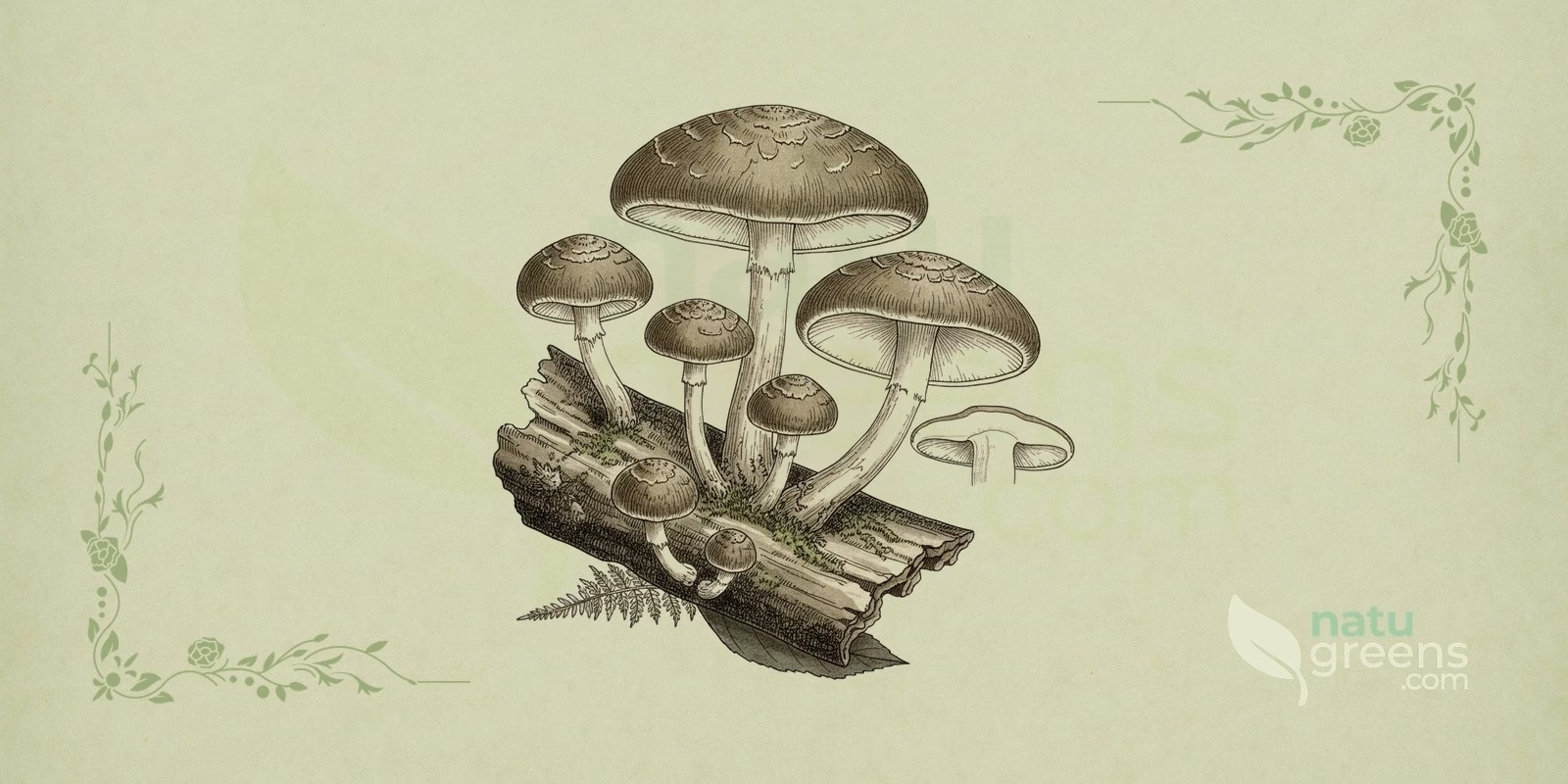
In the wild, shiitake is found in Asian forests, growing on trees as an aerobic wood-decaying fungus that breaks down cellulose and lignin to obtain energy. Beyond its nutritional value, shiitake has medicinal importance, containing substances with therapeutic properties studied for the management of various health conditions, such as blood pressure, cholesterol, immune system support, and inhibition of tumor, virus, and bacteria development.
Popular and International Names of Shiitake
- English: black mushroom, shiitake mushroom.
- Portuguese: shiitake (PT), shitake (BR).
- Japanese: shiitake.
- Chinese: xiānggū.
- Korean: pyogo beoseot.
Botanical Synonyms of Lentinula edodes
The botanical synonyms of Lentinula edodes include Agaricus edodes Berk., 1877, and Lentinus edodes. The current nomenclature, Lentinula edodes (Berk.) Pegler, was established by David Pegler in 1976, consolidating the classification of this fungus.
Botanical Family: Marasmiaceae
Lentinula edodes belongs to the family Marasmiaceae, in the order Agaricales and division Basidiomycota. This family is made up of a wide range of fungi, many of which are saprophytes, playing a crucial role in the decomposition of organic matter in nature. Although some sources may cite Omphalotaceae, the most widely accepted classification today is Marasmiaceae.
Parts of Shiitake Used
- Fruiting bodies (mushrooms)
- Mycelium
Ethnobotanical and Traditional Uses
- Allergy relief
- Blood pressure control
- Cholesterol reduction
- Combating fungal infections
- Diabetes management
- Flu treatment
- Immune system support
- Inhibition of tumor development
Therapeutic Properties of Shiitake
- Anti-cavity (studied inhibitory effect on bacterial adhesion and dental biofilm formation)
- Antidiabetic (contributes to the regulation of glucose levels)
- Anti-hypertensive (studied effect on blood pressure)
- Anti-inflammatory (studied effect in reducing inflammatory processes)
- Antioxidant (studied activity against free radicals and oxidative stress)
- Antiproliferative (activity observed in laboratory studies, without clinical proof)
- Antiviral (activity studied in the laboratory against various viruses, including HIV and hepatitis)
- Hepatoprotective (studied protective effect on the liver)
- Immunomodulatory (studied effect on the immune system)
- Longevity-promoting (suggests life extension in specific studies)
Detailed Phytochemical Profile of Shiitake
- Eritadenine
- Heterogalactan
- L-II
- Lea
- Lentinan (β-(1→3), β-(1→6)-D-glucan)
- Lew
- Lipids
- Polysaccharides
- Proteins (with nine essential amino acids)
- Sterols
- Terpenoids
- Vitamins and Minerals (copper, selenium, B-complex vitamins, vitamin D)
Preparation and Administration Forms of Shiitake
Shiitake can be prepared in various ways, both in cooking and for medicinal purposes. The most common forms include:
Culinary Use
Shiitake is a versatile ingredient, used in soups, sauces, salads, burgers, and even breaded preparations. It can be prepared in ways similar to meat, making it an excellent vegetarian alternative due to its texture and umami flavor.
Infusion
For medicinal purposes, shiitake can be consumed as an infusion, using dried fruiting bodies. The infusion allows for the extraction of polysaccharides and other bioactive compounds.
Extracts
Standardized shiitake extracts, such as LEM (Lentinula edodes mycelium extract) and Lentinan, are used in supplements and studied as possible adjuvants in immunomodulatory protocols and in preclinical oncology research, without established clinical efficacy as a cancer treatment.
Synergy with Other Medicinal Plants
With Astragalus
Combining shiitake with Astragalus membranaceus may, according to preliminary studies, potentiate immunomodulatory and antiproliferative effects, offering more robust support for the immune system.
With Reishi and Maitake Mushrooms
Studies suggest a synergy between shiitake, Ganoderma lucidum (reishi), and Grifola frondosa (maitake), optimizing health benefits, especially immune support and the antiproliferative activity observed in laboratory studies.
With Culinary Herbs
Herbs such as thyme, rosemary, sage, parsley, chives, tarragon, and dill can enhance the flavor of shiitake in culinary preparations, although not necessarily in terms of direct medicinal synergy.
Recipes and Usage Protocols of Shiitake
Medicinal Shiitake Broth
Ingredients: 10 g of dried shiitake, 1 liter of water, 1 clove of chopped garlic, 1 slice of fresh ginger, salt to taste.
Preparation: Rehydrate the shiitake in warm water for 30 minutes. Drain and reserve the water. In a pot, add the shiitake, the reserved water, the garlic, and the ginger. Cook over low heat for 30 minutes. Season with salt. Consume 1 cup (200 ml) daily as part of a diet aimed at supporting the immune system.
Sautéed Shiitake with Vegetables
Ingredients: 150 g of fresh shiitake, 1 small onion, 1 bell pepper, 1 carrot, olive oil, soy sauce to taste.
Preparation: Slice the shiitake and the vegetables. In a skillet, heat the olive oil and sauté the onion until golden. Add the shiitake and the remaining vegetables, sautéing for 5 to 7 minutes. Finish with soy sauce. Serve as a side dish or main course.
Shiitake Tea for Immunity
Ingredients: 5 g of sliced dried shiitake, 500 ml of water.
Preparation: Boil the water and add the shiitake. Let steep for 10 to 15 minutes. Strain and drink warm. Consume 1 to 2 times a day for immune support.
The preparations above follow traditional records and do not replace professional guidance. Before any internal use, check the contraindications and interactions described in this article.
Associated Therapies
Traditional Chinese Herbal Medicine
In Traditional Chinese Herbal Medicine, shiitake is traditionally used to tonify Qi, support the immune system, and help balance cholesterol, and is also studied as a complementary adjuvant to conventional medical treatment for oncology patients, never as a substitute for it. It is often combined with other herbs to formulate personalized decoctions.
Functional Nutrition
In functional nutrition, shiitake is valued for its nutritional profile rich in vitamins, minerals, and polysaccharides. It is incorporated into diets to optimize gut health, modulate immune response, and provide antioxidants.
Contraindications and Side Effects of Shiitake
Although shiitake is generally safe for most people, some contraindications and side effects may occur:
Shiitake Dermatitis
Flagellate dermatitis is a skin reaction documented in the medical literature, characterized by streak-like lesions or marks resembling whip marks, associated with the consumption of raw or undercooked shiitake and attributed to the heat-labile lentinan present in the mushroom. Although rare, it should not be confused with a common food allergy, since proper cooking of shiitake considerably reduces this risk, and the itchy, linear lesions tend to disappear spontaneously within a few days.
Gastrointestinal Disorders
In some people, excessive consumption of shiitake may cause mild gastrointestinal discomfort, such as nausea or diarrhea.
Drug Interactions
Due to its immunomodulatory effects and effects on blood clotting, shiitake may interact with immunosuppressant or anticoagulant medications, and caution and medical consultation are recommended in case of concomitant use.
Allergies
Individuals with a known allergy to mushrooms should avoid consuming shiitake.
Pregnancy and Breastfeeding
Pregnant or breastfeeding women should consult a doctor or nutritionist before consuming shiitake in large quantities or as a supplement, given the absence of conclusive studies on its safety in these conditions.
Historical Notes and Interesting Facts
Ancient Origin and Cultivation
Shiitake has been cultivated in Asia for more than a thousand years, with records dating back to the Song Dynasty in China (960-1279 CE). Its popularity spread to Japan, where it became a staple food and an essential medicinal ingredient.
“Elixir of Life”
In ancient China, shiitake was known as the “elixir of life” and was reserved for emperors and nobility, due to its purported properties for promoting longevity and vitality.
World Production
Today, shiitake is the second most cultivated edible mushroom in the world, with China being the largest producer. Its global production is estimated at millions of tons annually.
Frequently Asked Questions about Shiitake
Can Shiitake Tea Be Consumed Daily?
Yes, shiitake tea can be consumed daily in moderate doses, being an effective way to obtain the mushroom’s immunomodulatory and nutritional benefits. However, it is always advisable to observe the body’s individual response and, in case of doubt, consult a healthcare professional.
Does Shiitake Help Strengthen the Immune System?
Yes, shiitake is widely recognized for its immunomodulatory properties, as its polysaccharides, especially Lentinan, stimulate the activity of immune cells such as macrophages and NK cells, strengthening the body’s defenses against infections and diseases.
Are There Differences Between Fresh and Dried Shiitake?
Yes, dried shiitake has a more concentrated and intense umami flavor than fresh shiitake. In addition, the drying process can increase the concentration of certain bioactive compounds, such as vitamin D, if the mushroom is exposed to sunlight or UV light during drying. Both are nutritionally valuable.
Can Shiitake Be Used During Pregnancy?
Although shiitake is a nutritious food, pregnant or breastfeeding women should consult a doctor or nutritionist before consuming shiitake in large quantities or as a supplement, due to the lack of conclusive studies on its safety in these conditions.
Notice: this content is for informational purposes and does not replace professional medical advice. Consult a physician or herbal practitioner before using medicinal plants, especially during pregnancy, breastfeeding, or alongside medication.
References and Scientific Studies
- PEER2025 Camilleri, E. (2025). The therapeutic potential of Shiitake Mushrooms (Lentinula edodes). ScienceDirect.
- PMC2026 Sohn BS, et al. Lentinula edodes in Cancer Treatment: A Systematic Review and Meta-Analysis. Integrative cancer therapies. 2026.
- PMC2022 Roszczyk A, et al. Immunomodulatory Properties of Polysaccharides from Lentinula edodes. International journal of molecular sciences. 2022.