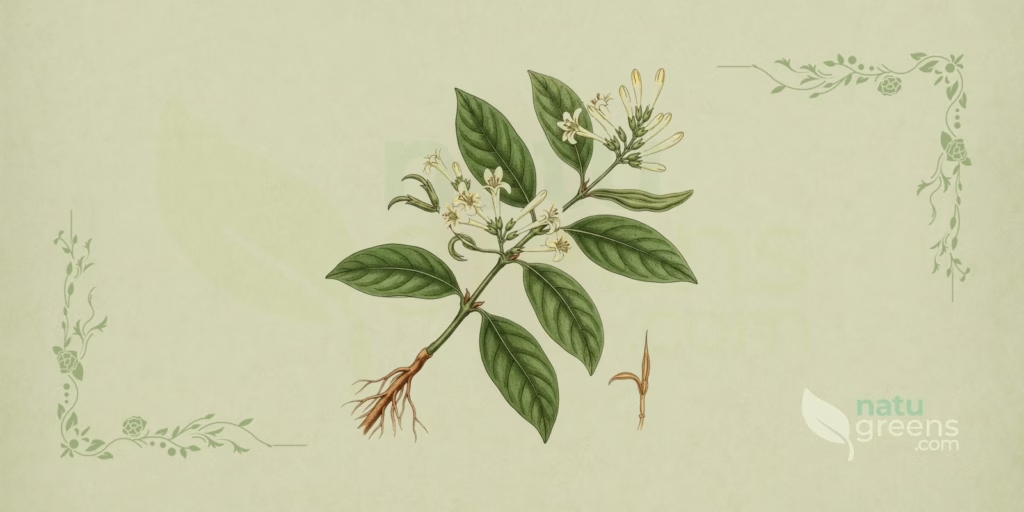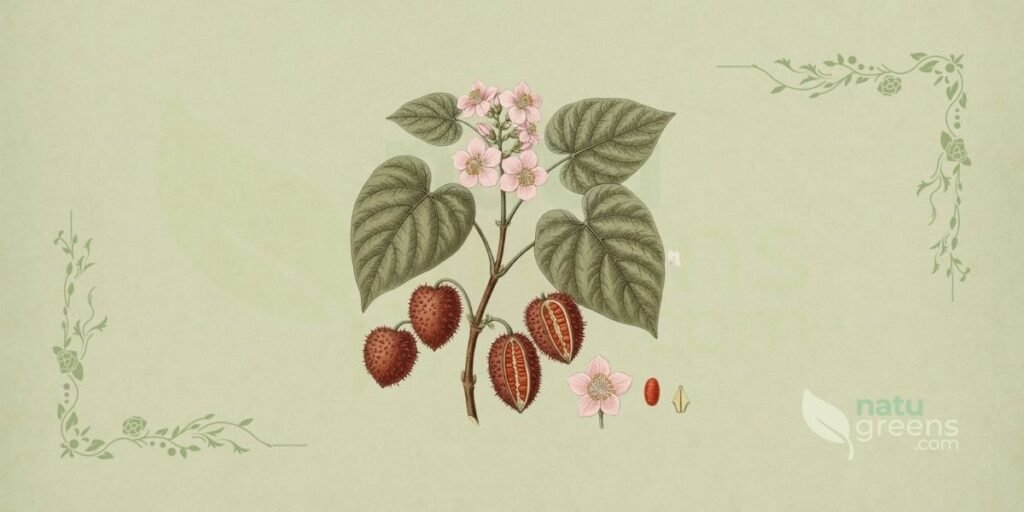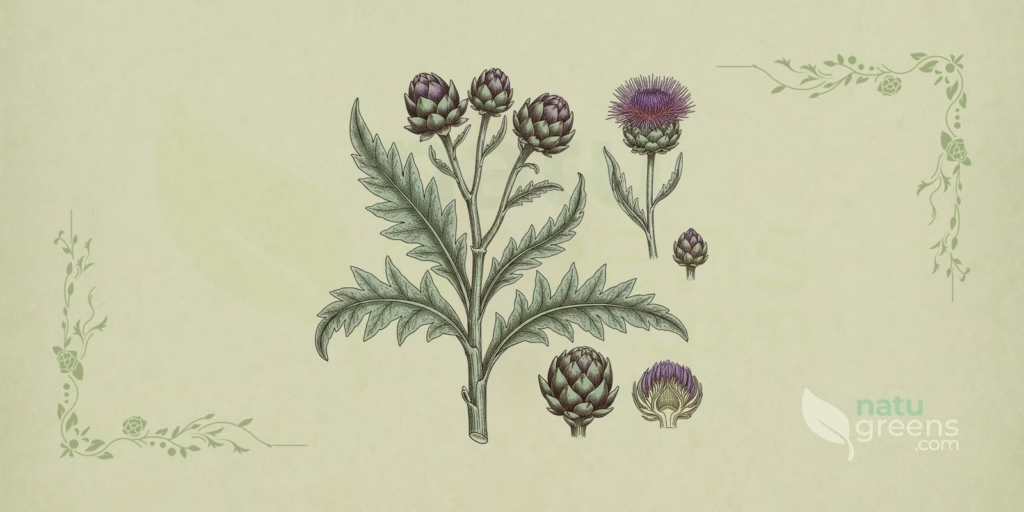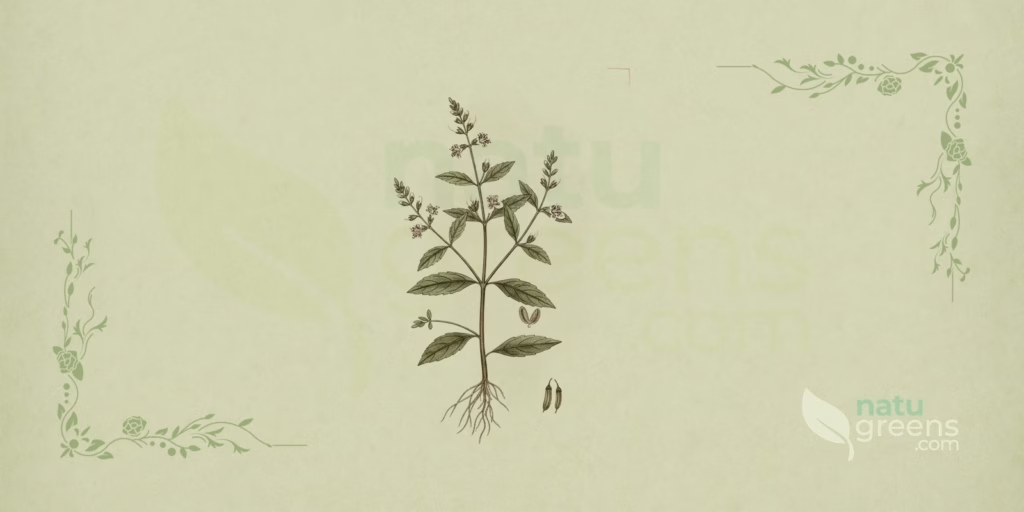
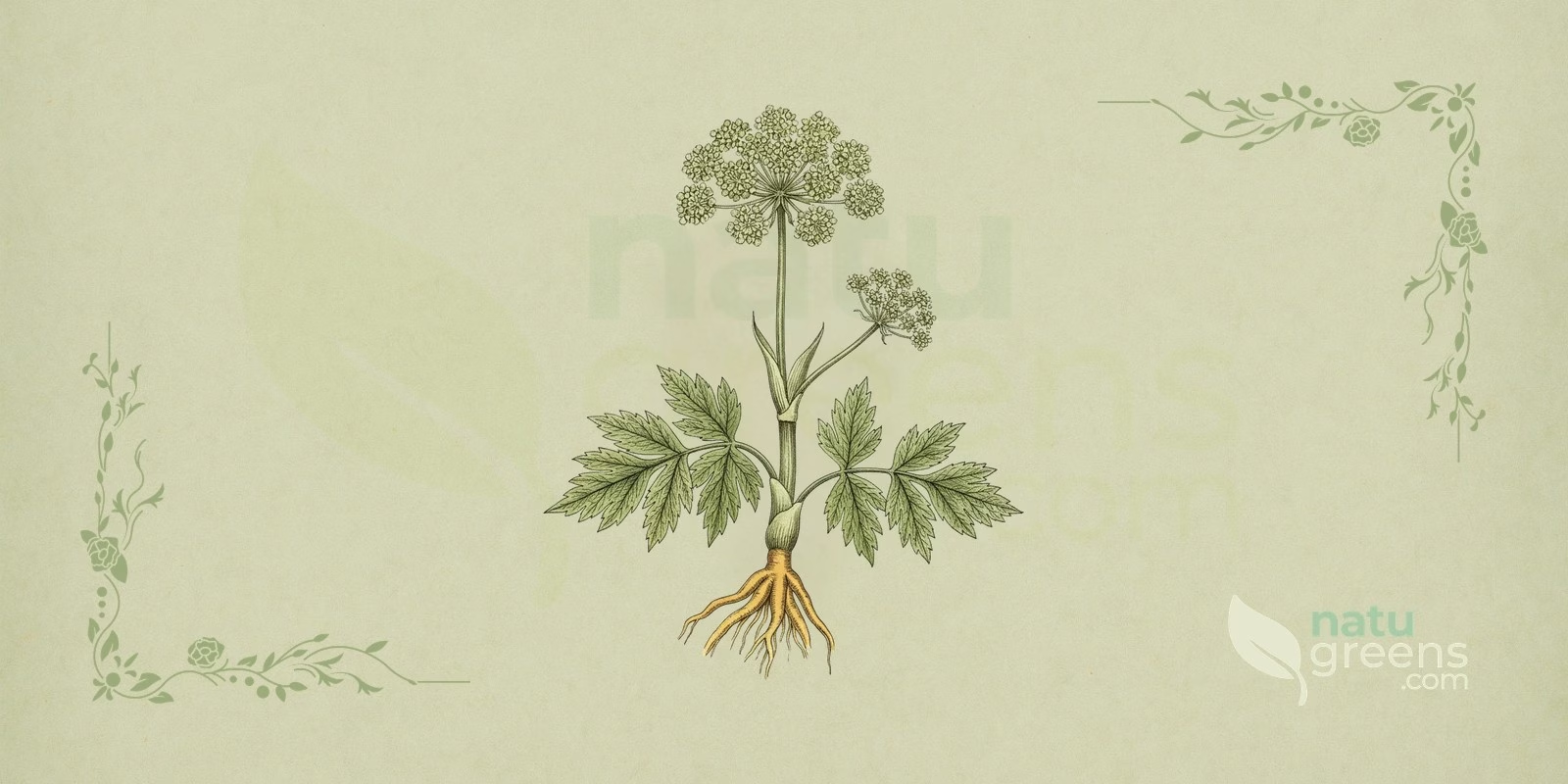
Angelica archangelica L. / Angelica, commonly known as garden angelica, Norwegian angelica and wild celery, is a biennial herbaceous plant in the Apiaceae family, described by Carl Linnaeus and native to northern Europe and subarctic regions such as Denmark, Finland, Greenland, Iceland, Norway, Russia and Sweden. Prized for its medicinal and culinary uses, it has featured in European traditional medicine since the 10th century, when it was revered for qualities that tradition regarded as protective and healing. The roots, stems and seeds are harvested to prepare infusions, extracts and other herbal products.
In the herbal tradition, angelica holds a prominent place as a digestive, respiratory and circulatory tonic, with uses that range from support in gastrointestinal disorders to the relief of respiratory complaints and the care of women’s health. Its phytochemical makeup is rich in essential oil and coumarins, compounds credited with the anti-inflammatory, antispasmodic and antimicrobial activities described in preliminary studies. Modern scientific research has been looking into several of these traditional uses, mostly in laboratory and animal studies, while clinical studies in humans are still scarce.
Popular and International Names of Angelica
- English: angelica, garden angelica, Norwegian angelica, wild celery.
- Spanish: angélica, angélica de jardín, apio silvestre.
- Portuguese: aipo-selvagem, angélica, angélica-dos-jardins, angélica-norueguesa.
- French: angélique, angélique officinale, herbe aux anges.
- Italian: angelica, angelica di Boemia, erba degli angeli.
- German: Arznei-Engelwurz, Echte Engelwurz, Engelwurz.
Botanical Synonyms of Angelica archangelica
- Angelica officinalis Moench
- Archangelica officinalis Hoffm.
The botanical synonyms most often found in the scientific literature for Angelica archangelica L. are Angelica officinalis Moench and Archangelica officinalis Hoffm., names that were used historically to describe the same species and that reflect the taxonomic changes that have taken place over time. Although Angelica archangelica L. is the name accepted by most botanical authorities, such as The Plant List and World Flora Online, knowing the synonyms helps to locate the species in older works and to understand its history of use in different scientific and traditional contexts.
Botanical Family: Apiaceae
The Apiaceae family, formerly known as Umbelliferae, comprises around 430 genera and roughly 3,700 species distributed across almost the entire world. It is characterized by the umbel inflorescence, in which numerous small flowers are grouped into a structure resembling an umbrella, and it includes plants of great economic, food and medicinal importance, such as carrot, celery, fennel and parsley.
Angelica shares the morphological features typical of the family, such as hollow stems and flowers grouped in globular umbels. The Apiaceae are known for producing bioactive compounds, especially coumarins, furanocoumarins and essential oils, and this chemical diversity has been the subject of intensive pharmacological research, which contributes to the development of herbal medicines and dietary supplements.
Parts of Angelica Used
The root accounts for most of the uses described in this article, from infusions to tinctures, while the seeds also yield an essential oil and the fresh leaves appear in poultices intended for external use.
- Leaves
- Roots
- Seeds
- Stems
Ethnobotanical and Traditional Uses
The uses below belong to the record of European and Nordic herbal tradition and are no substitute for a medical assessment, since most of them have not yet been confirmed in clinical studies in humans.
- Anxiety and nervousness
- Appetite stimulant
- Circulatory problems
- Digestive disorders, such as dyspepsia and poor digestion
- Menstrual problems and cycle regulation
- Protection against infections (recorded in folk tradition)
- Relief of intestinal cramps and flatulence
- Respiratory health support (coughs and flu-like illness)
- Skin inflammation and wounds (traditional external use)
Therapeutic Properties of Angelica
The properties listed here bring together traditional records and findings from laboratory and animal studies, so none of them amounts to a proven clinical indication.
- Antibacterial (activity of the essential oil against bacteria observed in the laboratory)
- Antifungal (activity against fungi observed in the laboratory)
- Anti-inflammatory (reduction of inflammatory markers in laboratory studies)
- Antioxidant (neutralization of free radicals in laboratory tests)
- Antispasmodic (traditional use to relieve spasms)
- Anxiolytic (calming effect investigated in preclinical studies)
- Carminative (traditionally recorded as helping to expel gas)
- Circulatory (traditional use in support of blood flow)
- Diaphoretic (traditionally recorded as inducing sweating)
- Digestive (bitter compounds traditionally used to stimulate digestive secretions)
- Diuretic (traditionally recorded as increasing urine output)
- Expectorant (traditional use to help loosen mucus from the airways)
- Immunostimulant (stimulation of the immune response described in preliminary studies)
- Neuroprotective (protection of nerve cells investigated in preclinical studies)
Detailed Phytochemical Profile of Angelica
The chemistry of angelica is dominated by its essential oil, rich in monoterpenes and sesquiterpenes, and by coumarins and furanocoumarins, the latter being responsible for the photosensitization described in the Contraindications section.
- Alpha-pinene
- Bergapten
- Bornyl acetate
- Caryophyllene
- Coumarins
- Cyclopentadecanolide
- Essential oil (rich in monoterpenes and sesquiterpenes)
- Furanocoumarins (imperatorin, isoimperatorin, oxypeucedanin, psoralen, xanthotoxin)
- Limonene
- Myrcene
- Phellandrene
- Phenolic acids
Preparation and Administration Forms of Angelica
The forms below appear both in tradition and on the herbal products market; those taken internally call for professional guidance, while those applied externally require the skin to be protected from the sun, for the reasons detailed in the Contraindications section.
- Capsules
- Compresses
- Dry extract
- Essential oil
- Fluid extract
- Infusion (tea)
- Poultice
- Tincture
Synergy with Other Medicinal Plants
Digestive Health
Herbal tradition pairs angelica with peppermint (Mentha × piperita) and lemon balm (Melissa officinalis) in preparations traditionally used for dyspepsia, flatulence and intestinal cramps, bringing together the carminative and antispasmodic actions attributed to each plant. In this traditional account, the bitter compounds of angelica stimulate the digestive secretions, while the menthol in peppermint and the essential oils of lemon balm add a calming note to the gastrointestinal tract, although anyone with a gastric ulcer should not use the combination without medical advice.
Respiratory Support
In flu-like illness, angelica may be combined with echinacea (Echinacea purpurea) and elder (Sambucus nigra), a pairing traditionally used to relieve coughs and congestion. Angelica is included in this formula because of its traditional use as an expectorant, whereas echinacea and elder are being studied for possible antiviral and immunostimulant activities, with no confirmation so far that the combination shortens the duration of symptoms.
Stress and Anxiety
Given its traditional reputation as a calming herb, angelica is often paired with valerian (Valeriana officinalis) and passionflower (Passiflora incarnata) in preparations used to encourage relaxation and sleep and to ease nervousness. Since valerian and passionflower have a sedative action, this combination calls for caution in anyone already taking sedative or anti-anxiety medication, a point that is also covered in the Contraindications section.
Recipes and Usage Protocols of Angelica
Angelica Root Infusion for Digestion
A preparation traditionally used as a digestive bitter before meals and to ease flatulence after them, always on an occasional basis and under professional supervision.
- Ingredients: 1 teaspoon of dried, chopped angelica root and 200 ml of boiling water.
- Preparation: Add the root to the boiling water, cover and leave to infuse for 10 to 15 minutes; then strain and drink while warm.
- Dosage: The daily amount and the duration of use should be decided together with a health professional. Consult a health professional before use, especially in cases of gastritis or gastric ulcer, and avoid sun exposure for as long as you are taking it.
Angelica Tincture for Respiratory Support
A preparation traditionally used for coughs and congestion, always with a product of known origin and under the guidance of a health professional.
- Ingredients: Angelica root tincture, available in health food and natural product stores.
- Preparation: Follow the manufacturer’s instructions and dilute the drops in a little water.
- Dosage: The number of drops and how often to take them should be decided by a health professional. Consult a health professional before use, especially if you take anticoagulants, diabetes medication, sedatives or photosensitizing medications.
Angelica Leaf Poultice for Skin Inflammation
An external application traditionally used to soothe skin inflammation, which calls for special care with the sun because contact with the fresh plant can cause photosensitization.
- Ingredients: Fresh angelica leaves and hot water.
- Preparation: Crush the fresh leaves into a paste, warm it slightly, apply it to the affected area and cover with a clean cloth.
- Dosage: Leave on for 20 to 30 minutes, up to twice a day, in line with traditional use. Afterwards, wash the skin thoroughly and keep the area where it was applied out of the sun, since the fresh plant can cause burns and dark patches, and do not use it on anyone who is allergic to plants of the Apiaceae family.
The preparations above follow traditional records and do not replace professional guidance. Before any internal use, check the contraindications and interactions described in this article.
Associated Therapies
Aromatherapy
Angelica essential oil, extracted mainly from the roots and seeds, is valued in aromatherapy for its earthy, slightly musky scent, to which tradition attributes a relaxing and invigorating effect. Inhaling the vapor or diffusing the oil into the room is used to ease feelings of stress and fatigue and to promote well-being, and topical application, always diluted in a carrier oil, appears in relaxing massages and in the relief of muscle aches. Because the oil contains furanocoumarins, skin that has received the blend should not be exposed to the sun in the hours that follow.
Phytotherapy
In modern phytotherapy, angelica is found in a range of formulations, such as standardized extracts, tinctures and capsules. European traditional-use monographs record the root for mild digestive complaints, such as dyspepsia, flatulence and loss of appetite, while its use for respiratory problems, as a general tonic and in formulas aimed at immunity and circulation belongs to the record of herbal tradition and has not yet been clinically confirmed.
Homeopathy
In homeopathy, angelica is used in preparations aimed at digestive and respiratory complaints and at states of general debility, and homeopathic materia medica texts associate it with symptoms such as flatulence, colic and coughs, particularly when they come with a sensation of cold. The preparation is made from the root of the plant and follows the dilution and potentization principles of this practice, whose indications lack clinical proof.
Contraindications and Side Effects of Angelica
Angelica (Angelica archangelica) contains furanocoumarins that cause photosensitization, with a risk of burns and dark patches on the skin after sun exposure. For this reason, using the plant in any form requires specific precautions, and people who are allergic to plants of the Apiaceae family, such as carrot, celery and parsley, should avoid it because of the risk of allergic reactions, including contact dermatitis.
- Contraindicated in pregnancy, because of its stimulating effect on the uterus.
- Contraindicated during breastfeeding.
- Avoid sun exposure after use or after contact with the fresh plant.
- Use caution with anticoagulants and with photosensitizing medications.
- Do not use in cases of gastric ulcer without medical advice.
Use during pregnancy and breastfeeding is contraindicated, since the plant may stimulate uterine contractions and there are not enough studies to confirm its safety during these periods. The coumarins present in angelica may interact with anticoagulants and increase the risk of bleeding, and the plant may also interact with diabetes medication, sedatives and medications that increase sensitivity to light. Sunscreen helps but does not replace the advice to avoid the sun throughout the period of use, and anyone taking other medications or living with pre-existing health conditions should consult a health professional before starting to use angelica in any form.
Historical Notes and Interesting Facts
- The name Angelica comes from the Latin angelicus, “angelic”, and the epithet archangelica refers to the figure of the archangel, an allusion to the protective virtues that European tradition attributed to the plant.
- According to a legend recorded in old herbals, an angel is said to have revealed the virtues of angelica in a dream during a plague epidemic, a story that helped to establish its fame as a protective plant in medieval Europe.
- The medicinal use of angelica in Europe has been documented since the 10th century, and in the Nordic regions where the species is native its stems were also eaten as food.
- Young stems candied in sugar are a traditional delicacy of European confectionery, used to decorate cakes and sweets.
- Angelica root and seeds are among the classic botanicals used to flavor gins and herbal liqueurs, which explains their presence in technical handbooks on flavoring ingredients.
- The musky aroma of the root essential oil is attributed in part to cyclopentadecanolide, a macrocyclic lactone with a scent similar to that of musk.
- The old name Umbelliferae, once used for the family to which angelica belongs, comes precisely from the umbels, the umbrella-shaped inflorescences that the plant displays when it flowers.
Frequently Asked Questions about Angelica
What Is Angelica Tea Used For?
Tradition uses angelica tea for digestive complaints, such as indigestion, flatulence and cramps, and as an expectorant to relieve coughs and respiratory congestion. It also appears in traditional records linked to the relief of stress and nervousness, uses that science is still investigating, mainly in laboratory and animal studies.
Does Angelica Tea Have Any Contraindications?
Yes, angelica tea is contraindicated in pregnancy, because of its stimulating effect on the uterus, and during breastfeeding, and it should be avoided by people who are allergic to plants of the Apiaceae family, such as celery and parsley. It calls for caution in anyone taking anticoagulants, diabetes medication, sedatives or photosensitizing medications and should not be used in cases of gastric ulcer without medical advice. Always consult a health professional before use.
What Are the Side Effects of Angelica?
Allergic reactions, such as contact dermatitis, are uncommon and tend to occur in people who are sensitive to the Apiaceae. The most significant effect is the photosensitization caused by furanocoumarins, which raises the risk of burns and dark patches on the skin after sun exposure, and for this reason it is advisable to avoid the sun during use and after contact with the fresh plant.
What Is the Best Way to Prepare Angelica Tea?
The most common method is to infuse one teaspoon of dried, chopped root in 200 ml of boiling water, keeping the container covered for 10 to 15 minutes before straining and drinking it warm. Tradition suggests taking the tea before or after meals, but the amount and frequency should be decided with professional guidance.
Can Angelica Be Used for Anxiety?
Herbal tradition uses angelica to calm nervousness, and preclinical studies are investigating a possible anxiolytic effect of its coumarins, which has not yet been confirmed in humans. In cases of chronic or severe anxiety, it is essential to seek medical advice and not to replace conventional treatment. The traditional pairing with valerian or passionflower combines plants with a sedative action and calls for caution in anyone already taking sedatives.
Why Should You Avoid the Sun After Using Angelica?
Angelica contains furanocoumarins that cause photosensitization, with a risk of burns and dark patches on the skin after sun exposure. This precaution applies to the tea and other preparations taken internally, to the essential oil applied to the skin and to simple contact with the fresh plant, and anyone already taking photosensitizing medications should be doubly careful.
Notice: this content is for informational purposes and does not replace professional medical advice. Consult a physician or herbal practitioner before using medicinal plants, especially during pregnancy, breastfeeding, or alongside medication.
References and Scientific Studies
- PMC2017 Aćimović MG, et al. Chemical Composition and Antibacterial Activity of Angelica archangelica Root Essential Oil. Nat Prod Commun. 2017.
- PMC2022 Batiha GE, et al. Phytochemical Constituents, Folk Medicinal Uses, and Biological Activities of Genus Angelica: A Review. Molecules. 2022.
- PMC2014 Fraternale D, et al. Essential oil composition and antimicrobial activity of Angelica archangelica L. (Apiaceae) roots. J Med Food. 2014.
- PMC2018 Fraternale D, et al. The In Vitro Activity of Angelica archangelica L. Essential Oil on Inflammation. J Med Food. 2018.
- PMC2021 Kaur A, et al. Understanding the phytochemistry and molecular insights to the pharmacology of Angelica archangelica L. (garden angelica) and its bioactive components. Phytother Res. 2021.
- PMC2013 Kumar D, et al. Coumarins from Angelica archangelica Linn. and their effects on anxiety-like behavior. Prog Neuropsychopharmacol Biol Psychiatry. 2013.
- PMC2015 Prakash B, et al. Efficacy of Angelica archangelica essential oil, phenyl ethyl alcohol and α- terpineol against isolated molds from walnut and their antiaflatoxigenic and antioxidant activity. J Food Sci Technol. 2015.