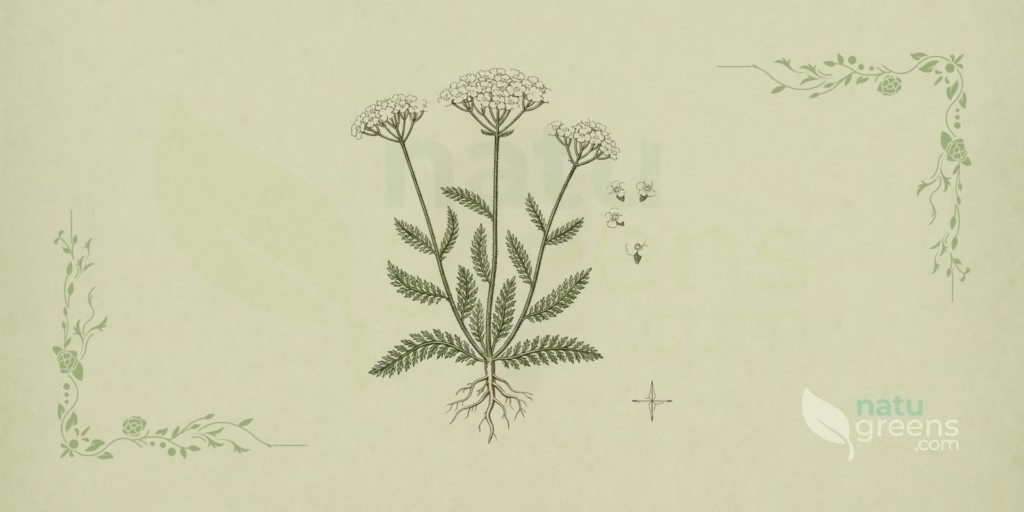
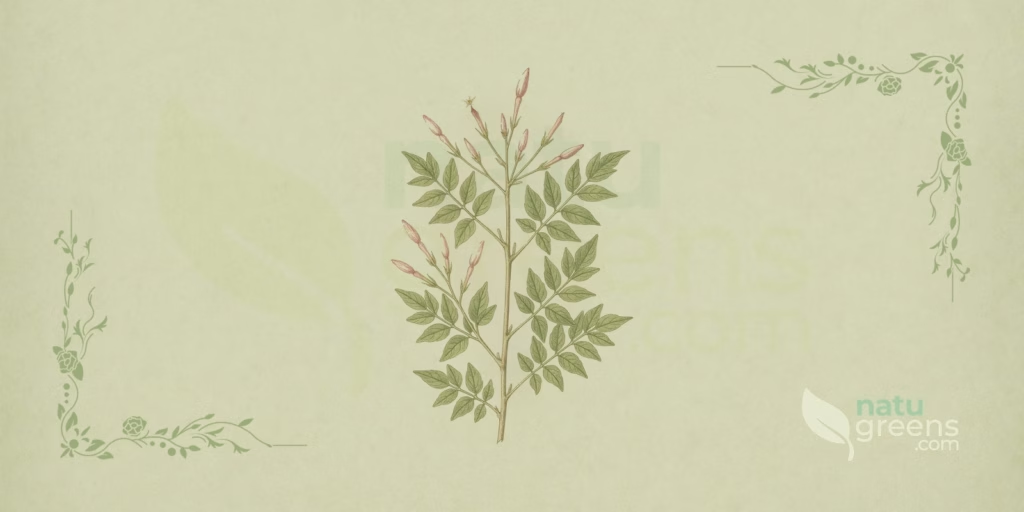
Asparagus officinalis L. / Asparagus, popularly known as garden asparagus, is a perennial herbaceous plant of the Asparagaceae family, described by Carl Linnaeus. Native to Europe and Western Asia, this species has spread worldwide thanks to its nutritional value and therapeutic properties. Asparagus has been used for millennia in traditional medicine, mentioned in ancient texts as both food and remedy, and its young shoots are harvested in spring for culinary and medicinal use.
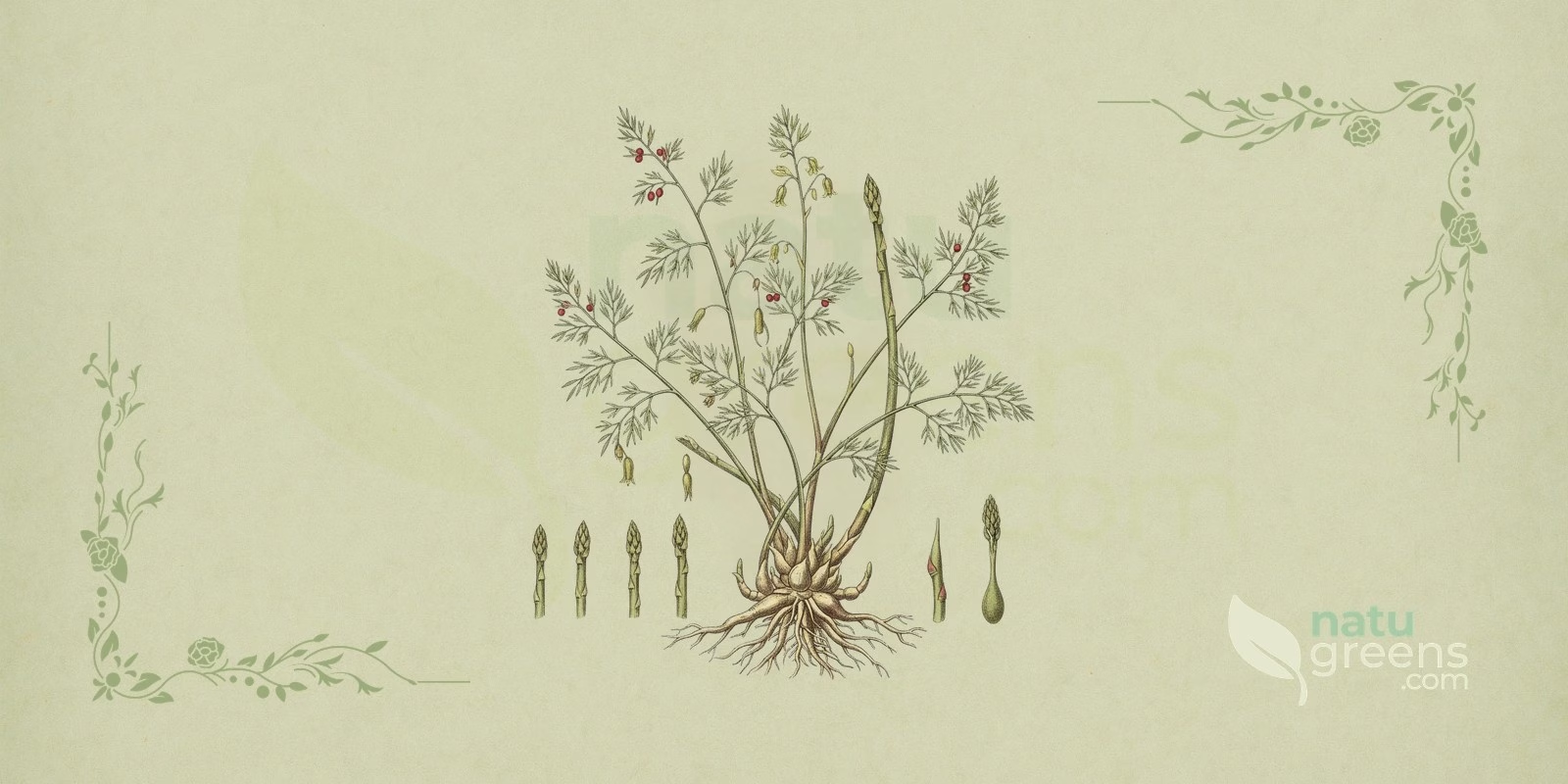
In herbal tradition, asparagus holds a prominent place as a diuretic and tonic, with applications ranging from support for urinary disorders to relief of digestive issues. The plant is recognized for its rich phytochemical composition, especially in steroidal saponins, vitamins, and minerals, which give it antioxidant and anti-inflammatory properties, and modern scientific research has investigated many of asparagus’s traditional uses, reinforcing its position as both a medicinal plant and a functional food.
Popular and International Names of Asparagus
- English: asparagus, garden asparagus, sparrowgrass.
- Spanish: espárrago, espárrago de huerta, espárrago triguero.
- Portuguese: aspargo, aspargo-jardim (BR), espargo, espargo-hortense (PT), aspargo-comum.
- French: asperge, asperge cultivée.
- Italian: asparago, asparago comune.
- German: gemeiner spargel, gemüsespargel, spargel.
Botanical Synonyms of Asparagus officinalis
Asparagus officinalis L. is the accepted botanical name for this species. However, throughout history, several other names have been used, and these synonyms reflect taxonomic variations and older classifications, although the current name is widely recognized by the scientific community. Understanding these synonyms is important for research and for the accurate identification of the plant across different historical and regional contexts.
Asparagus caspius Schult. & Schult.f., Asparagus altilis (L.) Asch., Asparagus officinalis var. altilis L., Asparagus officinalis subsp. prostratus (Dumort.) Corb.
Botanical Family: Asparagaceae
The Asparagaceae family, formerly classified as Liliaceae, is a diverse group of monocotyledonous plants that includes a wide range of species, from ornamental plants to edible vegetables and medicinal plants. This taxonomic reclassification reflects advances in understanding the phylogenetic relationships among plants, and Asparagaceae is characterized by generally small flowers and berry fruits, with many species valued for their bioactive compounds.
Asparagus shares morphological traits typical of the family, including sturdy stems and branching foliage. The Asparagaceae family is known for producing steroidal saponins, flavonoids, and other compounds with therapeutic potential, and the chemical diversity of this family has been the subject of intense pharmacological research, contributing to the development of phytopharmaceuticals and dietary supplements. The presence of Asparagus officinalis in this family underscores its botanical and medicinal importance.
Parts of Asparagus Used
- Root (rhizome)
- Shoots (spears)
Ethnobotanical and Traditional Uses
- Diuretic, diaphoretic, and laxative.
- In Ancient Greece, considered sacred and credited with aphrodisiac properties.
- Relief of urinary problems and fluid retention.
- Tonic for reproductive health (especially Asparagus racemosus, though Asparagus officinalis also has properties).
- Treatment of dropsy and kidney disease.
- Used as food and medicine since antiquity (Egyptians, Greeks, Romans).
Therapeutic Properties of Asparagus
- Anti-inflammatory (effect studied in reducing inflammation)
- Antidiabetic (effect studied on blood sugar levels)
- Antioxidant (activity studied against free radicals and preventing cell damage)
- Antiproliferative (activity observed in laboratory studies, without clinical proof)
- Cardioprotective (contributes to cardiovascular health)
- Digestive (supports intestinal function and helps prevent constipation)
- Diuretic (effect studied on urine excretion)
- Hepatoprotective (protective effect studied on the liver)
- Hypoglycemic (effect studied in reducing blood sugar)
- Immunomodulatory (effect studied on the immune system)
- Neuroprotective (protective effect studied on the nervous system)
Detailed Phytochemical Profile of Asparagus
- Amino acids (asparagine, arginine, tyrosine)
- Anthocyanins
- Essential oils
- Flavonoids (kaempferol, quercetin, rutin)
- Folate
- Minerals (calcium, iron, magnesium, phosphorus)
- Polysaccharides
- Proanthocyanidins
- Steroidal saponins (shatavarin I-IV, sarsasapogenin)
- Tannins
- Vitamins (A, B1, B2, C, E, K)
Preparation and Administration Forms of Asparagus
- Capsules
- Juices
- Standardized extracts
- Tablets
- Tea (root infusion)
Synergy with Other Medicinal Plants
Kidney and Diuretic Health
The combination of asparagus with horsetail (Equisetum arvense) and dandelion (Taraxacum officinale) is traditionally used to support diuretic effects and kidney health, being employed to promote fluid elimination and detoxification of the urinary system. Asparagus contributes asparagine, a natural diuretic, while horsetail provides silica and dandelion offers bitter compounds, creating a synergistic effect on kidney health without the side effects of synthetic diuretics.
Antioxidant and Anti-Inflammatory Support
The pairing of asparagus with turmeric (Curcuma longa) and ginger (Zingiber officinale) is traditionally used for relief of inflammation and to support the body’s antioxidant capacity. The flavonoids and saponins in asparagus act synergistically with curcumin from turmeric and gingerols from ginger, providing anti-inflammatory and antioxidant effects studied in combination, which makes this pairing relevant for overall health and for addressing oxidative stress.
Recipes and Usage Protocols of Asparagus
Diuretic Asparagus Root Infusion
Ingredients: 1 teaspoon of dried asparagus root (rhizome), 200 ml of boiling water.
Preparation: Place the dried root in a cup and add the boiling water. Cover and let steep for 10-15 minutes. Strain and drink. 2 to 3 cups a day are recommended to support diuresis and toxin elimination, and this infusion is traditionally used in cases of fluid retention and as support for kidney function.
Asparagus and Vegetable Detox Juice
Ingredients: 5-6 fresh asparagus spears, 1 small cucumber, 1 green apple, juice of half a lemon, 100 ml of water.
Preparation: Wash all ingredients thoroughly. Cut the cucumber and apple into pieces. Place all ingredients in a blender and blend until smooth. Strain if you prefer a finer consistency. Drink immediately in the morning for a detoxifying and energizing effect. This juice is rich in vitamins, minerals, and antioxidants.
The preparations above follow traditional records and do not replace professional guidance. Before any internal use, check the contraindications and interactions described in this article.
Associated Therapies
Clinical Phytotherapy
In modern clinical phytotherapy, asparagus is prescribed in various pharmaceutical forms, including standardized extracts and capsules, often used to ensure consistent dosing. Clinical phytotherapy employs asparagus as a diuretic to support urinary disorders and as an adjunct in antioxidant and anti-inflammatory therapies, with individualized prescribing that takes into account each patient’s specific needs and possible interactions with other medications.
Functional Nutrition
In functional nutrition, asparagus is valued for its rich nutritional profile and bioactive compounds, and is incorporated into diets to support gut health, thanks to its high fiber content, and to provide essential antioxidants. Asparagus is considered a functional food that contributes to supporting chronic disease prevention and overall well-being, and its regular inclusion in the diet is encouraged to optimize nutrient and phytochemical intake.
Contraindications and Side Effects of Asparagus
General Contraindications
Asparagus is contraindicated in individuals with a known allergy to plants of the Asparagaceae family, and allergic reactions may present as contact dermatitis or hives. People with calcium oxalate kidney stones should consume asparagus in moderation, since the plant contains oxalates that can worsen the condition, and individuals with gout should also exercise caution due to its purine content, which can raise uric acid levels.
Pregnant and breastfeeding women should consult a healthcare professional before using asparagus in medicinal doses. Although consumption as a food is safe, the safety of concentrated extracts is not fully established in these groups. Asparagus may interact with diuretic medications, potentiating their effects and possibly leading to electrolyte imbalances, and patients undergoing lithium treatment should avoid excessive asparagus consumption, as it can increase lithium concentration in the blood.
Common Side Effects
Side effects of asparagus are generally mild and rare. Consumption can cause a characteristic odor in urine, due to the metabolization of asparagusic acid, which is harmless, and some people may experience mild gastrointestinal discomfort, such as bloating or gas, especially when consumed in large quantities. Allergic skin reactions are possible in sensitive individuals, but are uncommon.
Historical Notes and Interesting Facts
Asparagus has a rich history spanning thousands of years. Archaeological evidence suggests it was consumed in Ancient Egypt, where it was depicted in friezes as an offering, and the ancient Greeks and Romans also valued asparagus both as food and for its medicinal properties. The Roman emperor Augustus was known for his passion for asparagus, even creating a special fleet to transport it quickly.
In the Middle Ages, asparagus was cultivated in European monasteries, and its popularity grew in France during the 17th century, becoming a luxury food at the court of King Louis XIV. The English term sparrowgrass, a corruption of asparagus, was common in some regions of England. The plant is dioecious, with male and female flowers on separate plants, and its fruit is a small red berry, toxic to humans. Asparagus serves as a model for studies on the evolution of sex chromosomes in plants.
Frequently Asked Questions about Asparagus
Is Asparagus Tea a Diuretic?
Yes, asparagus tea, especially when prepared from the root (rhizome), has significant diuretic properties. It helps increase urine production, aiding in the elimination of excess fluids and toxins from the body. This effect is mainly attributed to the presence of asparagine and other compounds that stimulate kidney function, and it is often used to support urinary tract health and in cases of fluid retention.
What Are the Benefits of Asparagus for Kidney Health?
Asparagus is beneficial for kidney health due to its diuretic properties and its ability to promote toxin elimination. It helps support the prevention of kidney stone formation, although people with calcium oxalate stones should consume it in moderation. In addition, the antioxidants present in asparagus help protect kidney cells from oxidative stress, maintaining their healthy function, which makes its gentle action a good adjunct for kidney support.
Can Asparagus Help with Weight Loss?
Asparagus can be an ally in weight loss due to its low calorie content, high fiber content, and diuretic properties. The fiber promotes satiety and supports healthy digestion, while the diuretic action helps reduce bloating caused by fluid retention. Although it is not a magic solution, regularly including asparagus in a balanced diet and active lifestyle can contribute to weight control support.
Is It Safe to Eat Asparagus During Pregnancy?
Eating asparagus as a food during pregnancy is generally considered safe and even beneficial, due to its folate content, which is essential for fetal development. However, the use of concentrated extracts or medicinal doses of asparagus during pregnancy and breastfeeding should only be done under the guidance and supervision of a healthcare professional, since the safety of high doses is not fully established, and caution is always advised.
How to Store Fresh Asparagus to Maintain Quality?
To keep asparagus fresh and crisp for longer, it is recommended to store it in the refrigerator. An effective method is to trim about 1 cm from the base of the stalks and place them in a glass with about 2-3 cm of water, as if they were flowers, covering the top with a plastic bag and storing it in the refrigerator. This way, asparagus can stay fresh for up to a week, or it can be wrapped in a damp paper towel and stored in a plastic bag in the vegetable drawer.
Notice: this content is for informational purposes and does not replace professional medical advice. Consult a physician or herbal practitioner before using medicinal plants, especially during pregnancy, breastfeeding, or alongside medication.
References and Scientific Studies
Peer-Reviewed Scientific Studies (4)
- PEER2020 Guo, Q., et al. The bioactive compounds and biological functions of Asparagus officinalis L. – A review. Journal of Functional Foods. 2020.
- PMC2010 Negi, J. S., et al. Chemical constituents of Asparagus. Pharmacognosy Reviews. 2010.
- PMC2024 Olas, B. A Review of the Pro-Health Activity of Asparagus officinalis L. and Its Components. Foods. 2024.
- PMC2019 Pegiou, E., et al. Green and White Asparagus (Asparagus officinalis): A Source of Developmental, Chemical and Urinary Intrigue. Metabolites. 2019.
Supplementary Readings (1)
- Plants of the World Online. Asparagus officinalis L.. Royal Botanic Gardens, Kew.