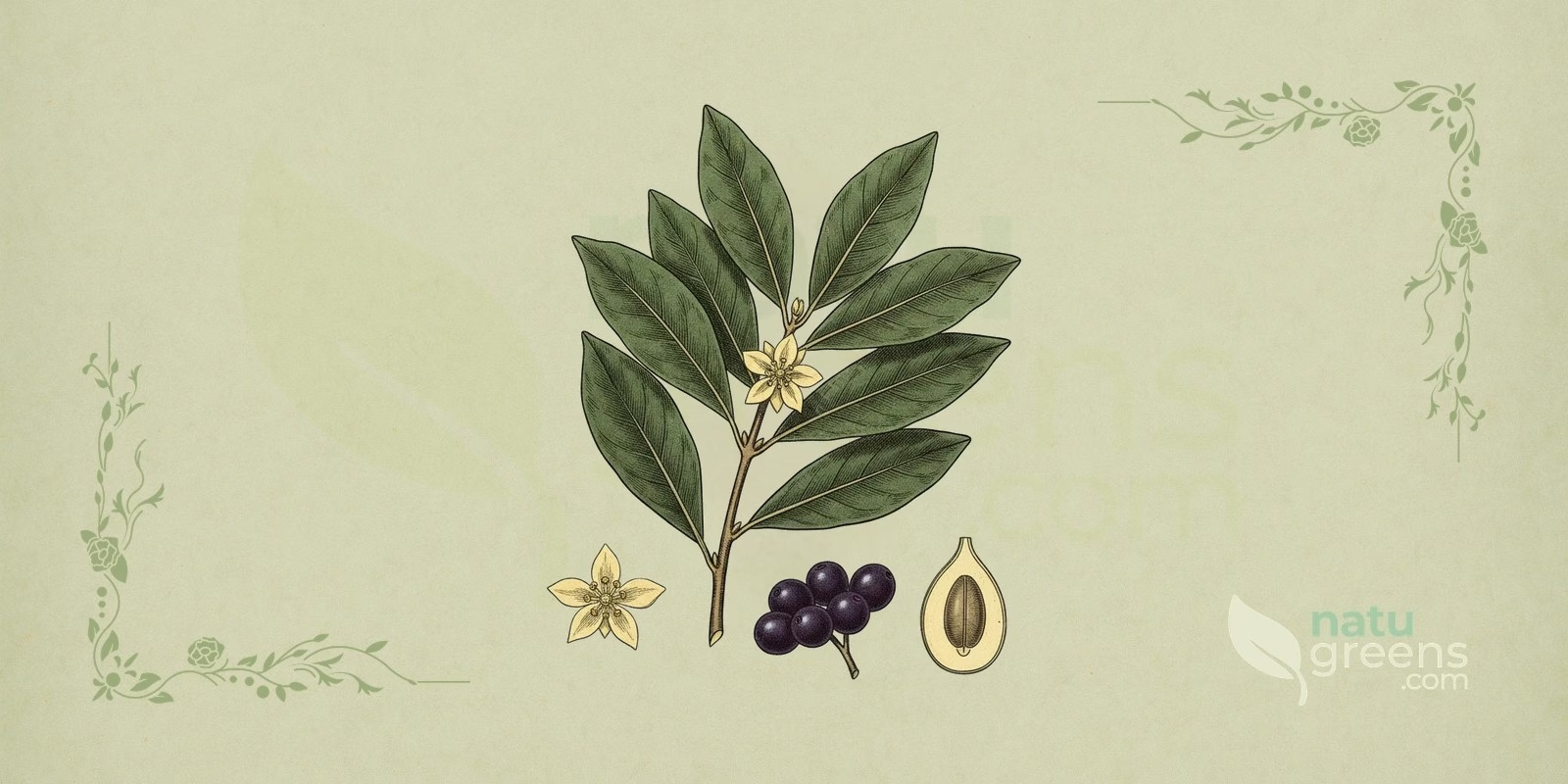
Laurus nobilis L. / Bay Laurel, an aromatic evergreen tree or shrub of the Lauraceae family, is native to the Mediterranean region and commonly known as bay laurel, bay tree, or true laurel. Prized since antiquity for its fragrant leaves, used both in cooking and in traditional medicine, the plant held a prominent place in Greco-Roman culture, where it symbolized victory and honor, and its leaves are still used in infusions and other herbal preparations. One practical precaution goes along with this use: whole leaves are stiff and must always be removed from the dish or the tea before eating or drinking.
Popular and International Names of Bay Laurel
- English: bay laurel, bay tree, Grecian laurel, sweet bay, true laurel.
- Spanish: laurel, laurel común.
- Portuguese: loureiro, louro, louro-comum, louro-verdadeiro.
- French: laurier noble, laurier-sauce.
- Italian: alloro, lauro.
- German: Echter Lorbeer, Edler Lorbeer.
Botanical Synonyms of Laurus nobilis
Although Laurus nobilis L. is the widely accepted scientific name, the plant has picked up a few botanical synonyms over the history of its taxonomy, among them Laurus communis L., Laurus regalis Brot., and Laurus undulata Mill. The name Laurus nobilis was established by Carl Linnaeus in 1753 and remains the most widely recognized and used in the botanical and pharmacological literature.
Botanical Family: Lauraceae
The Lauraceae family brings together a diverse group of flowering plants, with about 2,500 to 3,000 species in roughly 50 genera, found mainly in tropical and subtropical regions, although some members, such as bay laurel, have adapted to temperate climates. The Lauraceae stand out for the aromatic essential oils present in various parts of the plant, which give them economic importance in cooking, perfumery, and medicine, and among the best-known examples are avocado (Persea americana), cinnamon (Cinnamomum verum), and sassafras (Sassafras albidum).
Plants in this family usually have evergreen, alternate, simple leaves, along with small flowers, often unisexual, grouped in inflorescences. The fruits are typically drupes, like the small dark fruits of bay laurel, and the presence of alkaloids, flavonoids, and terpenoids, common in the Lauraceae, contributes to their medicinal and aromatic properties, which is why the phytochemical diversity of the family has been the subject of extensive scientific study.
Parts of Bay Laurel Used
- Essential oil
- Fruits (small dark drupes)
- Leaves (fresh or dried)
Dried leaves are the most commonly used part, both in the kitchen and in teas, while the essential oil, obtained mainly from the leaves, goes into preparations for external use and into aromatherapy. In any preparation made with whole leaves, the leaves must be removed before eating or drinking, because they do not soften during cooking.
Ethnobotanical and Traditional Uses
Mediterranean tradition and folk medicine record bay laurel in the uses listed below, which reflect historical practice and are no substitute for medical assessment or treatment.
- Cough and bronchitis (as an expectorant)
- Epilepsy (historical record, without clinical support)
- Fungal infections
- Gas and sluggish digestion (digestive stimulant and carminative)
- Headaches and migraines
- High blood sugar (traditional record investigated in preliminary studies)
- Insect bites and skin irritations
- Joint and muscle pain (topical use)
- Mouth and throat (antiseptic mouthwashes and gargles)
- Nerve pain and sciatica
- Uterine complaints
- Wounds (topical use as a wound-healing aid)
Therapeutic Properties of Bay Laurel
The properties below combine what tradition attributes to bay laurel with what laboratory and animal studies have observed so far, and most of them have not been confirmed in clinical trials in humans.
- Analgesic (pain relief described in traditional use)
- Anti-inflammatory (effect observed in laboratory and animal studies)
- Antimicrobial (activity against microorganisms observed in the laboratory)
- Antioxidant (activity observed in laboratory assays)
- Antiseptic (traditional use in washes and mouthwashes)
- Carminative (traditional use to reduce intestinal gas)
- Digestive (traditional use as a digestive aid)
- Expectorant (traditional use to help clear mucus)
- Hypoglycemic (glucose reduction observed in preliminary studies)
- Immunomodulatory (effect on the immune system investigated in preliminary studies)
- Neuroprotective (effect observed in animal studies)
Detailed Phytochemical Profile of Bay Laurel
Bay laurel (Laurus nobilis L.) contains a wide range of phytochemical compounds associated with its medicinal properties, and the leaf essential oil deserves special attention, since its most abundant component is 1,8-cineole (eucalyptol), at about 45% of the total. Other terpenes present include alpha- and beta-pinene, geraniol, linalool, phellandrene, and terpineol, and the leaves also contain terpinyl acetate (8% to 12%), sesquiterpenes (3% to 4%), and methyleugenol (3%).
Beyond the essential oil, bay laurel is an important source of polyphenols, including phenolic acids such as caffeic acid, ellagic acid, and gallic acid, and flavonoids such as apigenin, epicatechin, isorhamnetin-3-hexoside, kaempferol-3-O-hexoside, quercetin-3-glucoside, and quercetin-3-rutinoside, found in considerable amounts alongside coumarins, mucilages, tannins, and triterpenes. The fruits contain fatty oils (up to 30%) and about 1% essential oil, characteristic ingredients of Aleppo soap, and the compound lauroside B has also been isolated from the species.
Preparation and Administration Forms of Bay Laurel
- Compresses
- Decoction
- Essential oil (always diluted, for external use and aromatherapy)
- Infusion
- Poultice
- Tincture
An infusion of the dried leaves is the most common form of internal use, while poultices, compresses, decoctions for washes, and diluted essential oil are reserved for external use.
Synergy with Other Medicinal Plants
Digestive Health
Tradition pairs bay laurel with ginger (Zingiber officinale) and peppermint (Mentha × piperita) in teas meant for digestion, in the hope of combining the carminative effects of all three plants. The 1,8-cineole in bay laurel is thought to complement the gingerols in ginger and the menthol in peppermint in relieving gas, bloating, and gastrointestinal discomfort, but this synergy rests on traditional use and has not yet been confirmed in clinical studies, and the combination is usually reserved for mild indigestion.
Topical Use for Muscle and Joint Pain
In balms and compresses for external use, bay laurel is often combined with arnica (Arnica montana) and white willow (Salix alba) for muscle and joint pain. The idea is that the anti-inflammatory compounds in bay laurel, such as 1,8-cineole, complement the helenalin in arnica and the salicylates in willow, broadening the analgesic and anti-inflammatory effect attributed to the blend. Arnica is for external use only and should not be applied to broken skin, and people allergic to salicylates should avoid white willow.
Respiratory Support
In steam inhalations and chest rubs, bay laurel is traditionally combined with eucalyptus (Eucalyptus globulus) and thyme (Thymus vulgaris) to ease coughs, bronchitis, and nasal congestion. Abundant in both bay laurel and eucalyptus, 1,8-cineole is the compound most closely associated with the expectorant and decongestant action attributed to this blend, and for that very reason oils and balms rich in 1,8-cineole should not be used on the face or inhaled by babies and young children.
Recipes and Usage Protocols of Bay Laurel
Traditional Bay Laurel Infusion for Digestion
Ingredients: 2 to 3 dried bay leaves and 200 ml of boiling water.
Preparation: Place the leaves in a cup, pour the boiling water over them, cover, and let steep for 10 minutes. Strain and discard the whole leaves, which should never be chewed or swallowed, and drink the infusion after meals, a traditional use to aid digestion and relieve flatulence, 2 to 3 times a day and for short periods. If abdominal discomfort persists, seek medical evaluation.
Traditional Massage Oil for Muscle Pain
Ingredients: 5 drops of bay laurel essential oil and 30 ml of carrier oil (sweet almond or jojoba).
Preparation: Mix the essential oil into the carrier oil in a dark glass bottle, and do a patch test on a small area of skin first, since bay laurel oil can irritate sensitive skin. Apply to clean, unbroken skin, gently massaging areas affected by muscle, rheumatic, or joint pain, a use for which traditional aromatherapy employs the blend to relieve local pain and inflammation. Avoid direct sun exposure after application, as some essential oils can be photosensitizing, and never use the essential oil undiluted or take it by mouth.
Bay Laurel Decoction for Washes and Mouth Rinses
Ingredients: 5 to 7 dried bay leaves and 500 ml of water.
Preparation: Put the leaves in the water, bring to a boil, and let boil for 15 minutes. Turn off the heat, cover, and let cool, then strain and use the decoction to wash superficial wounds and skin irritations or as an oral rinse for mouth and throat discomfort, antiseptic uses recorded by tradition. This preparation is for external use and rinsing only, not for drinking, and it can be kept in the refrigerator for up to 3 days, but deep wounds or wounds showing signs of infection need medical evaluation.
The preparations above follow traditional records and do not replace professional guidance. Before any internal use, check the contraindications and interactions described in this article.
Associated Therapies
Aromatherapy
Bay laurel essential oil is valued in aromatherapy for the stimulating and purifying properties attributed to it, and inhaling its scent, through diffusers or personal inhalers, is traditionally associated with better concentration, less mental fatigue, and a sense of clarity. It is also used to support the respiratory system, to help clear the airways, and, diluted in a carrier oil, it goes into massages aimed at relieving muscle and joint pain and stimulating circulation.
Clinical Herbal Medicine
In clinical herbal medicine, bay laurel appears in various formulations, such as standardized extracts and capsules, used as support in specific conditions on the basis of the anti-inflammatory, antioxidant, and antimicrobial potential observed in studies. It is most often used for digestive disorders, such as dyspepsia and flatulence, and as an adjunct in inflammatory conditions, always with the dose and form of administration adjusted by health professionals, who take into account the patient’s profile and possible drug interactions to reduce risks.
Homeopathy
In homeopathy, Laurus nobilis is used in diluted preparations aimed at symptoms such as headaches, dizziness, spasms, and respiratory complaints, and the choice of remedy follows the individual’s totality of symptoms, in keeping with the principle of similars. Potencies and frequency of use are set by a qualified homeopath, and the homeopathic approach differs considerably from herbal medicine, both in preparation and in its proposed mechanisms of action.
Contraindications and Side Effects of Bay Laurel
Whole Leaves: Risk of Choking and Perforation
Bay leaves are stiff and do not break down well during cooking, and if swallowed whole, for example by accident in soups and stews, they can cause choking, perforation, or obstruction of the digestive tract. For this reason, always remove whole leaves from the dish before serving or eating, do the same with tea before drinking it, and never chew or swallow a whole leaf. If you experience severe abdominal pain, difficulty swallowing, or the feeling that something is stuck in your throat after accidentally swallowing a leaf, seek medical care.
General Contraindications
In culinary amounts, bay laurel (Laurus nobilis L.) is generally considered safe, but people with a known allergy to plants in the Lauraceae family should avoid it. The essential oil must always be diluted, is for external use, and can cause skin irritation or allergic reactions in sensitive people. The historical record of bay laurel use in epilepsy has no clinical support and is no substitute for anticonvulsant treatment, just as the traditional use for blood sugar is no substitute for medical management of diabetes.
Pregnancy, Breastfeeding, and Children
Culinary use of bay laurel is generally considered safe, but consumption in medicinal doses, such as regular teas, extracts, or essential oil, is not recommended for pregnant or breastfeeding women, given the lack of conclusive studies on safety in these groups, and any use beyond seasoning should be guided by a health professional. In babies and young children, avoid inhalation of oils and balms rich in 1,8-cineole and avoid applying them to the face.
Drug Interactions
Bay laurel may interact with some medications, starting with diabetes drugs, since the potential hypoglycemic effect of the plant may add to theirs and cause an excessive drop in blood sugar, which calls for close blood glucose monitoring in diabetic patients. In addition, bay laurel may have a sedative effect on the central nervous system, and combining it with sedatives, including anesthetics used in surgery, may heighten drowsiness and respiratory depression, which is why stopping medicinal use of bay laurel at least two weeks before any surgical procedure is recommended.
Historical Notes and Interesting Facts
A Symbol of Victory and Wisdom
In ancient Greece, the laurel was sacred to Apollo, god of prophecy, music, and poetry, and myth tells that the nymph Daphne, fleeing the god, was turned into a laurel tree, a plant Apollo adopted from then on as his symbol. Laurel wreaths were awarded to winners of the Pythian Games and to poets as a sign of honor, victory, and wisdom, a tradition the Romans took up when they crowned victorious generals and emperors, which kept the laurel alive as an emblem of triumph and immortality.
Culinary Use Through the Millennia
Bay leaves have been a fundamental ingredient in Mediterranean and European cuisines for millennia, flavoring soups, stews, sauces, and marinades with a distinct, complex taste. They should always be removed before serving, since the whole leaf does not soften during cooking, but their aroma and flavor give depth to dishes, and the long shelf life of dried leaves, combined with their ability to release flavor slowly, has made them a pantry staple around the world.
Bay Laurel in Mythology and Superstition
Beyond Greek mythology, the laurel was linked to various superstitions and folk beliefs, such as the idea that the laurel tree protected against lightning and evil spirits, which is why it was often planted near houses. Pliny the Elder recorded that the laurel was supposedly immune to lightning, a belief said to have led Emperor Tiberius to wear a laurel wreath during thunderstorms, and in some cultures burning bay leaves was a ritual of purification and of attracting good luck and prosperity.
Frequently Asked Questions about Bay Laurel
Does Bay Leaf Tea Help You Lose Weight?
Bay leaf tea is often linked to weight loss because of the digestive and diuretic properties that tradition attributes to it, but there is no robust scientific evidence that it causes significant weight loss on its own. Sustainable weight loss depends on a balanced diet and regular physical exercise, and the tea can, at most, accompany that lifestyle.
What Are the Traditional Uses of Bay Leaf Tea?
Traditionally, bay leaf tea is used to relieve mild digestive problems, such as bloating and gas, and headaches, as well as serving as an expectorant for coughs and congestion, and there are reports of a calming effect. Laboratory studies have observed anti-inflammatory, antioxidant, and antimicrobial activity in the compounds of the plant, and preliminary research is investigating a possible effect on blood sugar, but these findings are no substitute for medical treatment of any condition.
Does Bay Leaf Tea Have Contraindications?
Yes: consumption in medicinal doses is not recommended for pregnant or breastfeeding women, given the lack of safety studies, and people allergic to plants in the Lauraceae family should likewise avoid it. The tea may also interact with diabetes medications, intensifying the drop in blood sugar, and with sedatives, increasing drowsiness, so consult a health professional before drinking it regularly, especially if you have preexisting conditions or take other medications.
How Do You Properly Prepare Bay Leaf Tea?
Use 2 to 3 dried leaves for every 200 ml of boiling water: place the leaves in a cup, pour the water over them, cover, and let steep for about 10 minutes. Then strain and discard the whole leaves, which should not be swallowed. Avoid boiling the leaves directly in water for a long time, because this tends to release more bitter compounds, and choose infusion instead to preserve the properties of the plant.
Is It Dangerous to Swallow Whole Bay Leaves?
Yes, because bay leaves are stiff and do not break down well during cooking, and if swallowed whole they can cause choking, perforation, or obstruction of the digestive tract. For this reason, always remove whole leaves from soups, stews, and teas before serving or consuming them, and never chew or swallow a whole leaf.
Can People Taking Diabetes Medication Use Bay Laurel?
Culinary use is generally considered safe, but medicinal use calls for caution, because the potential hypoglycemic effect of bay laurel may add to that of diabetes medications and cause an excessive drop in blood sugar. Anyone planning to drink the tea regularly should talk to their doctor first and monitor blood glucose closely.
Notice: this content is for informational purposes and does not replace professional medical advice. Consult a physician or herbal practitioner before using medicinal plants, especially during pregnancy, breastfeeding, or alongside medication.
References and Scientific Studies
- PMC2017 Alejo-Armijo A, et al. Phytochemicals and Biological Activities of Laurel Tree (Laurus nobilis). Nat Prod Commun. 2017.
- PMC2022 Berendika M, et al. Beneficial Effects of Laurel (Laurus nobilis L.) and Myrtle (Myrtus communis L.) Extract on Rat Health. Molecules. 2022.
- PMC2022 Dobroslavić E, et al. Isolation of Laurus nobilis Leaf Polyphenols: A Review on Current Techniques and Future Perspectives. Foods. 2022.
- PMC2022 Paparella A, et al. A Review of the Botany, Volatile Composition, Biochemical and Molecular Aspects, and Traditional Uses of Laurus nobilis. Plants (Basel). 2022.
- PMC2017 Peixoto LR, et al. Antifungal activity, mode of action and anti-biofilm effects of Laurus nobilis Linnaeus essential oil against Candida spp. Arch Oral Biol. 2017.