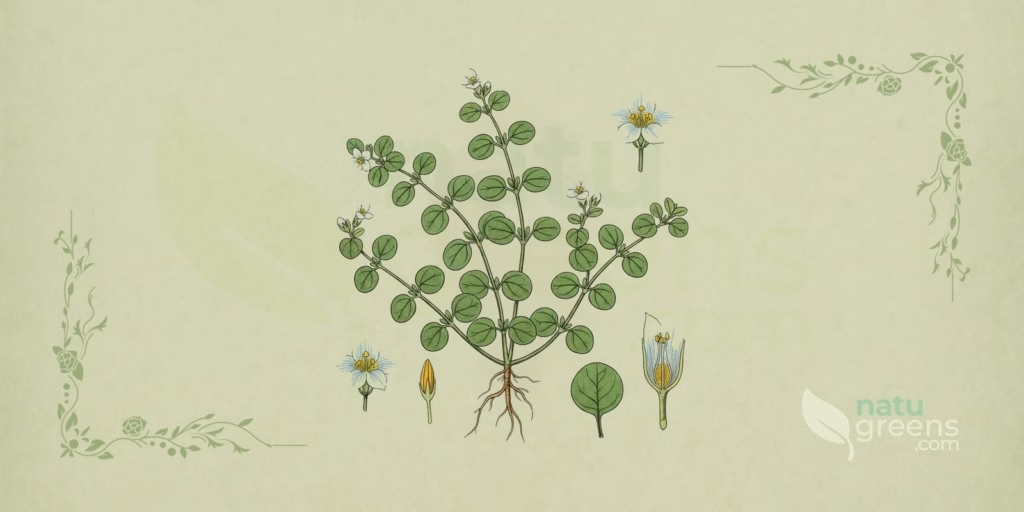
Convolvulus pluricaulis Choisy / Shankhpushpi, popularly known as Shankhpushpi in Ayurvedic contexts, is a perennial herb of the Convolvulaceae family. Native to India and Myanmar, this plant has been widely used in traditional Ayurvedic and Chinese medicine for its notable therapeutic properties. Its flowers, ranging from white to light pink, and its elliptical leaves are distinctive characteristics. Shankhpushpi has been revered for millennia as a brain tonic and adaptogen, and it is mentioned in ancient texts such as the Charaka Samhita and the Sushruta Samhita.
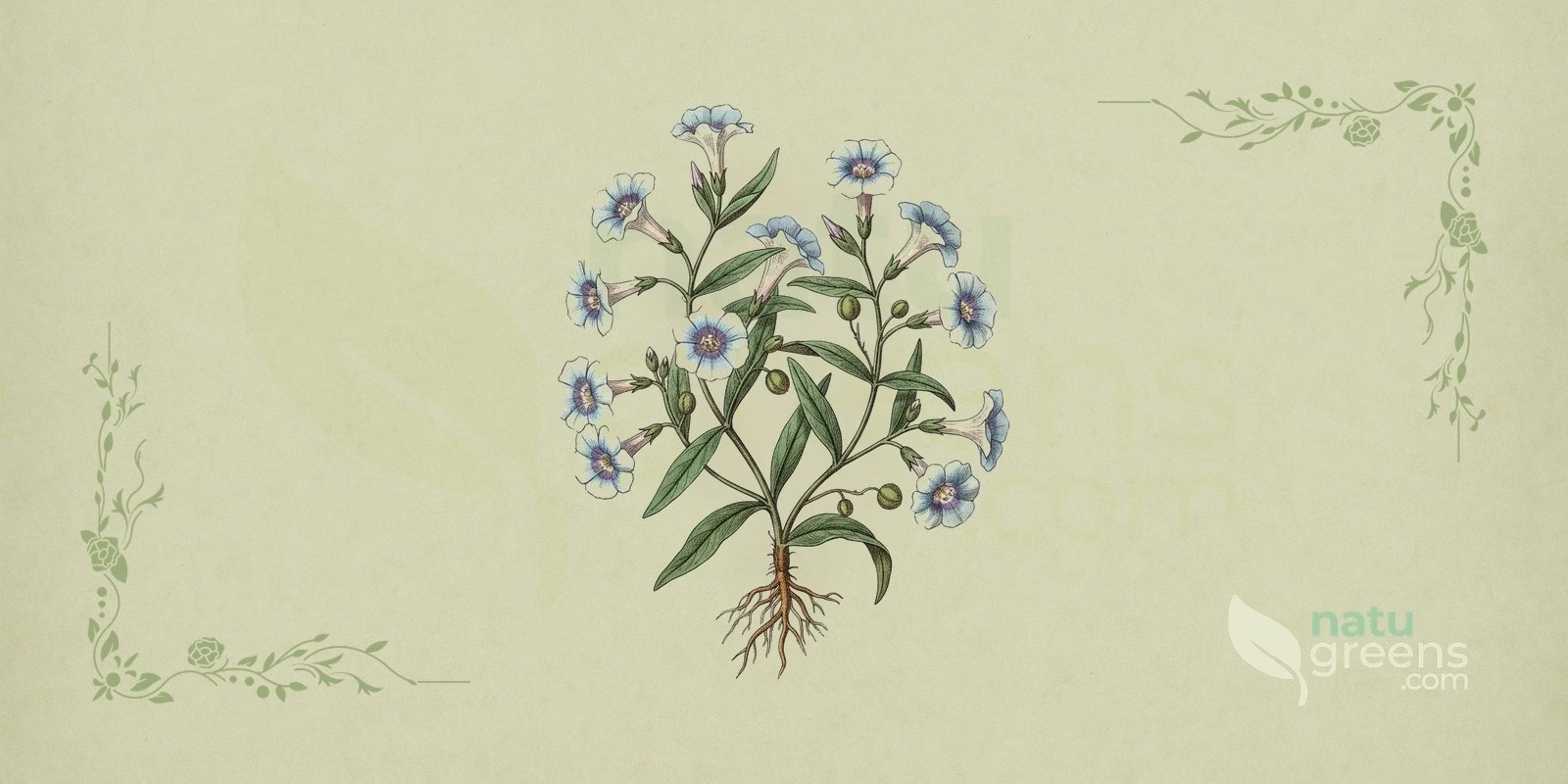
In Indian herbal tradition, Convolvulus pluricaulis holds a prominent place as one of the leading Medhya Rasayana herbs, compounds traditionally associated with promoting mental health and longevity. Its applications range from cognitive and neurological disorders to easing anxiety, stress, and insomnia. Modern scientific research has explored many of the traditional uses of Shankhpushpi, establishing it as a medicinal plant of considerable pharmacological interest, particularly because of its phytochemical profile rich in alkaloids, flavonoids, and coumarins.
Popular and International Names of Shankhpushpi
- English: Aloe weed, Prostrate Bindweed, Shankhpushpi.
- Portuguese: Convolvulus pluricaulis, Shankhpushpi.
- Sanskrit: Sankhapuspa.
- Bengali: Sankhapuspi.
- Gujarati: Shankhavali.
- Hindi: Aparajit, Shankhapushpi.
- Kannada: Bilikanthisoppu.
- Marathi: Shankhavela.
- Punjabi: Shankhapuspi.
- Tamil: kakkurattai, Sanghupushpam.
- Telugu: Shankhapushpi.
Botanical Synonyms of Convolvulus pluricaulis
Besides its principal scientific name, Convolvulus pluricaulis Choisy, this plant is also known by other botanical synonyms in the literature. The most frequently cited synonym is Convolvulus microphyllus Sieb. ex Spreng. Another relevant synonym is Convolvulus prostratus Forssk. These names reflect taxonomic variations and the different classifications the plant has received over time, although Convolvulus pluricaulis remains the most widely accepted and used name today.
Botanical Family: Convolvulaceae
Convolvulus pluricaulis belongs to the Convolvulaceae family, known as the morning glory family. This family comprises about 60 genera and more than 1,600 species, distributed mainly across tropical and subtropical regions of the world. Plants in this family are characterized by climbing or trailing stems, alternate leaves, and funnel-shaped flowers, often large and showy. Many Convolvulaceae species are used in traditional medicine, while others are cultivated as ornamentals or food crops, such as sweet potato (Ipomoea batatas).
Parts of Shankhpushpi Used
- Flowers
- Leaves
- Roots
- Stems
- Whole plant
Ethnobotanical and Traditional Uses
- Abscess relief
- Anticatatonic use
- Antidepressant use
- Antidiabetic use
- Antimicrobial action (antibacterial, antiviral, antifungal)
- Antiulcer use
- Anxiety and stress
- Brain tonic
- Cardiovascular activity
- Central nervous system (CNS) disorders
- Chronic cough
- Elevated cholesterol (hypolipidemic use)
- Epilepsy
- Excessive menstruation
- Hallucinations
- Hypertension
- Immune modulation
- Insomnia and sleep disorders
- Liver diseases
- Neurological and cognitive disorders (memory support)
- Tranquilizing use
- Vomiting
Therapeutic Properties of Shankhpushpi
- Analgesic (traditional use for pain relief)
- Anti-amnesic (studied in preventing memory loss)
- Antibacterial (studied activity against bacteria, especially Escherichia coli)
- Anticatatonic (studied effect in reducing catatonia)
- Anticonvulsant (studied in preventing seizures)
- Antidepressant (studied effect on mood, reducing depressive symptoms)
- Antidiabetic (studied effect on blood sugar levels)
- Antifungal (studied activity against fungi)
- Antioxidant (studied activity against free radicals and oxidative stress)
- Antispasmodic (relaxes smooth muscles)
- Antistress (studied effect in reducing the effects of stress)
- Antithyroid (studied inhibitory effect on the conversion of T4 to T3)
- Antiulcer (studied protective effect against gastric ulcers)
- Antiviral (studied activity against viruses)
- Anxiolytic (studied effect in reducing anxiety)
- Cardiovascular activity (benefits for the cardiovascular system)
- CNS depression (calming effect on the central nervous system)
- Hepatoprotective (studied protective effect on the liver)
- Hypolipidemic (studied effect in reducing cholesterol and triglyceride levels)
- Immunomodulatory (studied effect on immune response)
- Negative inotropic (studied effect in reducing the force of myocardial contraction)
- Neuroprotective (studied protective effect on the nervous system)
- Nootropic (studied effect on cognitive function and memory)
Detailed Phytochemical Profile of Shankhpushpi
- Alkaloids: Confoline, convolamine, convolidine, convoline, convosine, shankhapushpine.
- Carbohydrates: D-glucose, maltose, rhamnose, starch, sucrose.
- Phenolics/Glycosides/Triterpenoids: 20-oxodotriacontanol, ceryl alcohols, kaempferol flavonoid, scopoletin, tetratriacontanoic acids.
- Proteins and Amino Acids: Amino acids, proteins.
- Steroids: Beta-sitosterol, phytosterols.
- Volatile Oils/Fatty Acids: Fatty acids, fatty alcohols, hydrocarbons, linoleic acids, myristic acids, palmitic acids, volatile oils.
Preparation and Administration Forms of Shankhpushpi
- Capsules
- Extracts (aqueous, ethanolic, methanolic)
- Fresh plant juice
- Infusions (teas)
- Paste (for topical application)
- Tablets
- Whole plant powder
Synergy with Other Medicinal Plants
Cognitive Support and Stress Reduction
Convolvulus pluricaulis is often combined with other nootropic and adaptogenic herbs in Ayurvedic medicine as a traditional pairing for brain function and stress management. Its synergy with Bacopa monnieri (Brahmi) and Withania somnifera (Ashwagandha) is particularly notable. Bacopa monnieri is traditionally associated with memory and learning, while Ashwagandha serves as a potent adaptogen linked to reduced stress and anxiety in traditional use. Together, these herbs are said to offer broad support for mental and cognitive health, favoring mental clarity, resilience to stress, and general well-being, always as a traditional record of combined use.
Liver Support and Detoxification
For liver support, Convolvulus pluricaulis can be combined with herbs such as Phyllanthus emblica (Amalaki) and Andrographis paniculata (Kalmegh). Shankhpushpi has studied hepatoprotective properties, and its combination with Amalaki, rich in antioxidants, and Kalmegh, traditionally associated with detoxifying actions, is said to contribute to liver function and protection against damage. This synergy is traditionally employed for maintaining liver health and supporting the body’s detoxification processes.
Recipes and Usage Protocols of Shankhpushpi
Infusion for Anxiety and Memory
Ingredients: 1 teaspoon (2-3 g) of Convolvulus pluricaulis powder, 200 ml of boiling water, honey (optional).
Preparation: Add the Convolvulus pluricaulis powder to a cup and pour in the boiling water. Cover and let it steep for 5-10 minutes. Strain and, if desired, sweeten with honey. Drink 1-2 times a day as a traditional way of promoting relaxation, easing anxiety, and supporting cognitive function. This infusion is traditionally used in moments of stress or to support concentration and memory.
Topical Paste for Abscesses
Ingredients: Convolvulus pluricaulis powder, water.
Preparation: Mix the plant powder with a small amount of water until a consistent paste forms. Apply directly to the abscess and cover with a clean dressing. Change the paste and dressing 1-2 times a day. This topical application is a traditional record for the care of abscesses and local inflammation, without replacing medical evaluation.
Powder with Milk for Brain Tonic
Ingredients: 1 teaspoon (3-5 g) of Convolvulus pluricaulis powder, 200 ml of warm milk, honey or brown sugar (optional).
Preparation: Mix the Convolvulus pluricaulis powder into the warm milk until fully dissolved. Add honey or brown sugar to taste, if desired. Drink before bed or in the morning as a brain tonic, within the Ayurvedic tradition of supporting restful sleep, memory, and reduced mental stress. This is a traditional way of taking the herb for its perceived cognitive benefits, without replacing professional guidance.
The preparations above follow traditional records and do not replace professional guidance. Before any internal use, check the contraindications and interactions described in this article.
Associated Therapies
Ayurveda
In Ayurvedic medicine, Convolvulus pluricaulis, known as Shankhpushpi, is one of the most valued herbs for mental and neurological health. It is classified as a Medhya Rasayana, meaning it rejuvenates and nourishes the brain and nervous system according to this tradition. It is widely used to support memory, concentration, and intellect, and to address conditions such as anxiety, insomnia, stress, and epilepsy, always within the traditional record. Shankhpushpi is considered an herb that balances the three doshas (Vata, Pitta, and Kapha), with particular focus on pacifying Vata and Pitta, which are frequently associated with nervous and mental disorders in this tradition. It is administered in various forms, including powders, decoctions, and medicated oils.
Clinical Phytotherapy
In modern clinical phytotherapy, Convolvulus pluricaulis is studied for its possible nootropic, anxiolytic, and antidepressant effects. Standardized extracts of the plant are researched in the context of mild cognitive disorders, chronic stress, and generalized anxiety. Clinical phytotherapy seeks to investigate traditional uses through scientific research, focusing on identifying and quantifying active compounds such as alkaloids and flavonoids to assess efficacy and safety. Shankhpushpi is viewed as a possible natural option for supporting mental health, but its use should always be accompanied by a healthcare professional.
Contraindications and Side Effects of Shankhpushpi
General Contraindications
Convolvulus pluricaulis is generally considered safe when used at recommended dosages. However, like any medicinal plant, it may present contraindications and side effects in certain situations. It is essential to consult a healthcare professional before starting any treatment with this herb, especially for individuals with pre-existing medical conditions, pregnant or breastfeeding women, or those taking other medications.
Drug Interactions
Convolvulus pluricaulis may interact with medications that affect the central nervous system, such as sedatives, anxiolytics, and antidepressants, potentiating their effects and causing excessive drowsiness. It may also interact with anticoagulants, increasing the risk of bleeding, and with diabetes medications, due to its potential hypoglycemic effects. Patients taking medications regularly should carefully monitor their levels and consult a physician before using Shankhpushpi.
Common Side Effects
Side effects of Convolvulus pluricaulis are rare and generally mild. They may include gastrointestinal discomfort, such as nausea or diarrhea, in sensitive individuals or when consumed in very high doses. In some cases, drowsiness may occur, especially when combined with other sedatives. If adverse effects occur, the dose should be adjusted or use discontinued, and a healthcare professional should be consulted.
Historical Notes and Interesting Facts
Name and Meaning
The popular name Shankhpushpi, in Sanskrit, means “shell-shaped flower,” referring to the shape of its flowers. This name reflects its importance and recognition in Indian culture as a sacred and medicinal plant.
Historical Use
Convolvulus pluricaulis has been used in Ayurvedic medicine for thousands of years, making it one of the oldest and most revered herbs for mental health. Its history of use is deeply rooted in India’s traditional healing practices, where it is regarded as a pillar for promoting longevity and cognitive well-being.
Frequently Asked Questions about Shankhpushpi
Can Shankhpushpi Be Used Daily?
Yes, Shankhpushpi can be used daily as a brain tonic and adaptogen. However, it is advisable to consult a healthcare professional to determine the appropriate dosage and duration of use, especially for those with pre-existing medical conditions or taking other medications.
Does Shankhpushpi Cause Drowsiness?
Shankhpushpi has mild anxiolytic and sedative properties, which may induce drowsiness in some people, especially at higher doses or when combined with other sedatives. It is recommended to observe your individual reaction and avoid operating machinery or driving if you feel drowsy.
What Is the Difference Between Shankhpushpi and Brahmi?
Shankhpushpi (Convolvulus pluricaulis) and Brahmi (Bacopa monnieri) are both Ayurvedic nootropic herbs, but they are different plants. Both are traditionally used to support memory and cognitive function, but they have slightly different phytochemical profiles and mechanisms of action. They can be used together, within this tradition, for a possible complementary effect.
Is Shankhpushpi Safe for Children?
Shankhpushpi is traditionally used in children in Ayurvedic medicine to support concentration and calmness. However, use in children should always be supervised by a qualified healthcare professional to ensure correct dosage and safety.
Notice: this content is for informational purposes and does not replace professional medical advice. Consult a physician or herbal practitioner before using medicinal plants, especially during pregnancy, breastfeeding, or alongside medication.
References and Scientific Studies
View All 10 Cited References
Peer-Reviewed Scientific Studies (5)
- PMC2014 Agarwa, P., Sharma, B., Fatima, A., & Jain, S. K. (2014). An update on Ayurvedic herb Convolvulus pluricaulis Choisy. Asian Pacific Journal of Tropical Biomedicine, 4(3), 245-252.
- PEER2024 Netmeds. (2024). Shankhpushpi: Benefits, Uses, Dosage, Formulations, and Side Effects.
- DOI2023 Rachamalla, M., Kaundal, R. K., Chopra, H., Dewanjee, S., Jha, S. K., Jha, N. K., & Emran, T. B. (2023). Role of Shankhpushpi (Convolvulus pluricaulis) in Neurological Disorders. International Journal of Surgery: Global Health, 6(6).
- PMC2014 Siddiqui, N. A., Ahmad, N., Musthaq, N., Chattopadhyaya, I., Kumria, R., & Gupta, S. (2014). Neuropharmacological Profile of Extracts of Aerial Parts of Convolvulus pluricaulis Choisy in Mice Model. The Open Neurology Journal, 8, 11.
- PMC2018 Rachitha, P., Krupashree, K., Jayashree, G. V., Kandikattu, H. K., Amruta, N., Gopalan, N., Rao, M. K., & Khanum, F. (2018). Chemical composition, antioxidant potential, macromolecule damage and neuroprotective activity of Convolvulus pluricaulis. Journal of Traditional and Complementary Medicine, 8(4), 483-496.
Supplementary Readings (5)
- 2020 Balkrishna, A., & Singh, H. (2020). Phytochemical Profile, Pharmacological Attributes and Traditional Uses of Convolvulus pluricaulis Choisy: A Comprehensive Review. Frontiers in Pharmacology, 11, 171.
- 2014 Easy Ayurveda. (2014). Shankhapushpi Convolvulus pluricaulis Benefits, Dose, Side Effects.
- 2019 Planet Ayurveda. (2019). Shankhpushpi (Convolvulus Pluricaulis).
- IJPS Journal. (n.d.). Convovulus Pluricaulis: A Potent Ethanopharmacological Herb.
- 2020 Alzheimer’s Drug Discovery Foundation. (2020). Shankhpushpi & Your Brain. Cognitive Vitality.