Azadirachta indica A.Juss. / Neem, popularly known as neem, margosa, nimtree, or Indian lilac, and as nimba in Sanskrit and Hindi, is a tree of the Meliaceae family. It is one of only two species in the genus Azadirachta. Native to the Indian subcontinent and parts of Southeast Asia, this species has become naturalized and is cultivated in tropical and subtropical regions worldwide. Its fruits and seeds are the source of neem oil. The word “neem” is a Hindustani noun derived from the Sanskrit “nimba” (निंब).
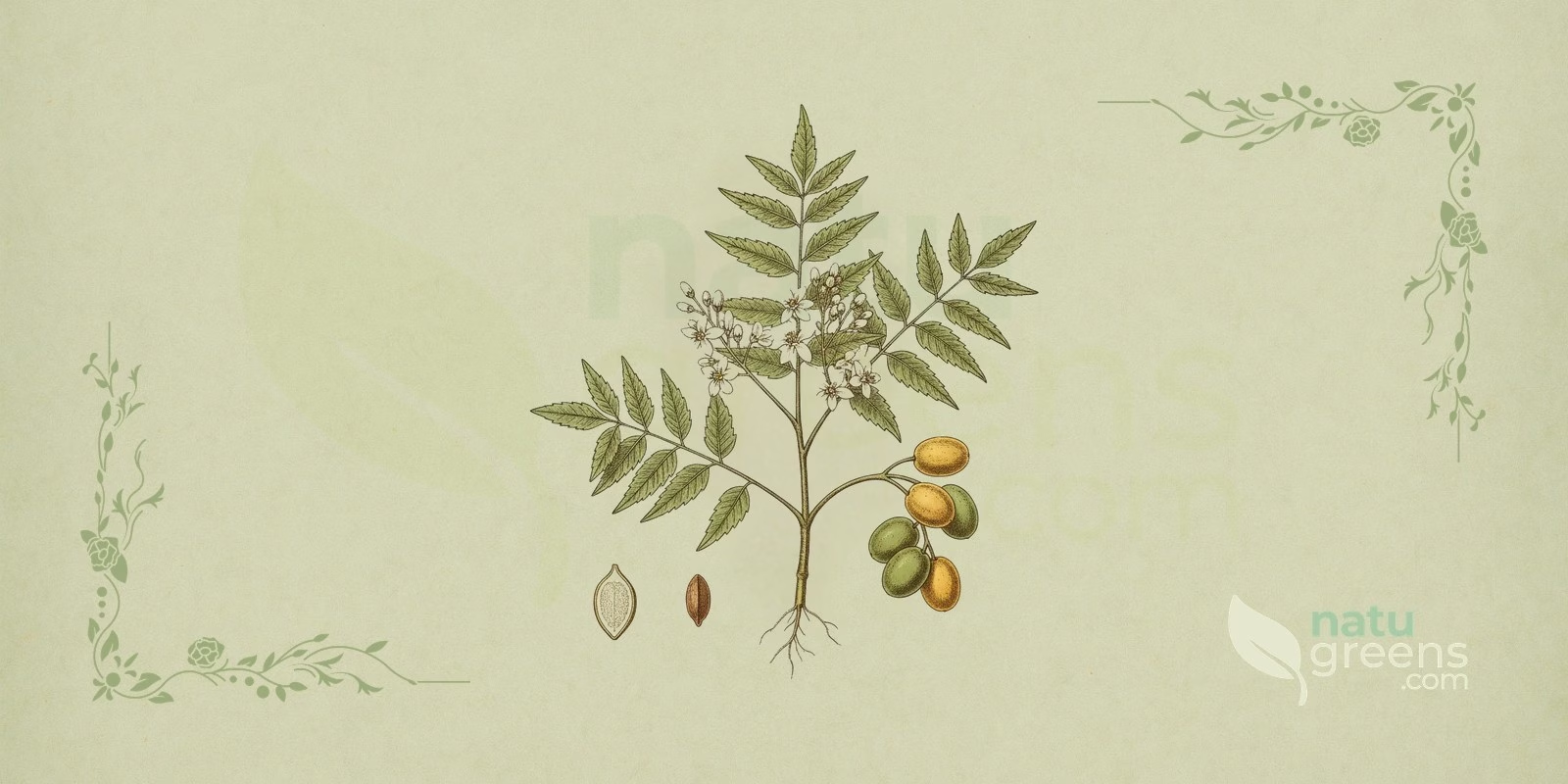
Azadirachta indica is a fast-growing tree that can reach a height of 15 to 20 meters, and rarely 35 to 40 meters. It is evergreen, though it sheds many of its leaves during the dry winter months. The branches are wide and spreading. The crown, quite dense, is rounded and can reach a diameter of 20 to 25 meters. The opposite, pinnate leaves are 20 to 40 cm long, with 20 to 30 leaflets ranging from medium to dark green and about 3 to 8 cm long. The terminal leaflet is often absent. The petioles are short.
Popular and International Names of Neem
- English: bead tree, Burmese neem tree, China berry, Indian cedar, Indian lilac, margosa, neem, nimtree.
- Spanish: lila india, margosa, neem, nim.
- Portuguese: lilás-indiano, margosa, neem, nimtree.
- French: lilas des Indes, margousier, neem.
- Italian: lillà indiano, margosa, neem.
- German: Indischer Flieder, Neembaum, Niembaum.
Botanical Synonyms of Azadirachta indica
The botanical synonyms for Azadirachta indica A.Juss. include Melia azadirachta L. and Antelaea azadirachta (L.) Adelb. It is important not to confuse neem with chinaberry (Melia azedarach), a species in the same closely related genus that is toxic and is sometimes informally nicknamed “false neem”; the correct distinction between the two plants is addressed in the frequently asked questions section of this article.
Botanical Family: Meliaceae
The Meliaceae family, also known as the mahogany family, is made up of trees and shrubs that are mostly tropical and subtropical. It is characterized by alternate leaves, generally pinnate, and bisexual or unisexual flowers, often arranged in inflorescences. Many species in this family are valued for their timber, such as mahogany, and for their medicinal and insecticidal properties, as is the case with neem. The family is rich in secondary compounds, such as limonoids, which account for many of its biological activities.
Parts of Neem Used
- Bark
- Flowers
- Fruits
- Leaves
- Oil (extracted from the seeds)
- Seeds
- Twigs (for oral hygiene)
Ethnobotanical and Traditional Uses
- Dental care (cleaning teeth with twigs)
- Fatigue relief
- Fever and malaria control
- Gastrointestinal disorders (indigestion, bloating, constipation, stomach and intestinal ulcers)
- Intestinal worm control
- Lice
- Natural repellent and insecticide
- Skin conditions (boils, ulcers, eczema, smallpox, chickenpox, warts, acne, psoriasis)
Therapeutic Properties of Neem
- Analgesic (traditional use for pain relief)
- Anti-inflammatory (studied effect in reducing inflammation)
- Antibacterial (studied activity against bacteria)
- Antidiabetic (studied effect on blood sugar)
- Antifungal (studied activity against fungi)
- Antioxidant (studied activity against free radicals)
- Antiproliferative (activity observed in laboratory studies, without clinical proof)
- Antipyretic (studied effect in reducing fever)
- Antiviral (studied activity against viruses)
- Hepatoprotective (studied protective effect on the liver)
- Hypoglycemic (studied effect in lowering blood sugar)
- Immunomodulatory (studied effect on the immune system)
- Neuroprotective (studied protective effect on the nervous system)
Detailed Phytochemical Profile of Neem
- Azadirachtin
- Beta-sitosterol
- Carotenoids
- Catechins
- Glycerides
- Limonoids (including nimbolide and nimbin)
- Nimbolide
- Polyphenols
- Quercetin
- Triterpenes
- Vitamin C
Preparation and Administration Forms of Neem
- Capsules
- Cream
- Decoction (bark, leaves)
- Dry extract
- Fluid extract
- Infusion (leaves, flowers)
- Oil (topical and cosmetic use only)
- Poultice
- Powder (leaves, bark)
- Tablets
- Tincture
Synergy with Other Medicinal Plants
Neem and Turmeric (Curcuma longa)
The combination of neem and turmeric (Curcuma longa) is a valued herbal pairing in Ayurvedic medicine, since both possess strong anti-inflammatory and antioxidant properties. Curcumin, the main active compound in turmeric, works synergistically with neem’s limonoids to enhance anti-inflammatory and antimicrobial effects, making the combination useful for skin conditions and immune support.
Neem and Moringa (Moringa oleifera)
Neem and moringa are frequently combined in herbal treatments, especially for oral use, since moringa is rich in vitamins, minerals, and antioxidants that complement the medicinal properties of neem. This synergy can be beneficial for overall health, immune support, and traditional support in inflammatory and infectious conditions, without replacing medical treatment.
Neem and Echinacea (Echinacea purpurea)
The combination of neem with echinacea has shown interesting synergistic potential in topical formulations such as gels, since both are known for their antimicrobial, anti-inflammatory, and antioxidant properties. The synergy between the active compounds of both plants may contribute to a more pronounced effect in supporting mild infections and inflammation, and is being explored in products for oral and skin health.
Recipes and Usage Protocols of Neem
Neem Leaf Tea for Internal Purification
Ingredients: a few fresh neem leaves (or a small amount of dried leaves), enough water for one cup.
Preparation: boil the water and add the neem leaves, letting them steep for a few minutes. Strain and drink warm, preferably in the morning, as part of a traditional detox habit. Because of its bitter taste, a little honey or lemon can be added to improve the flavor. Consult a healthcare professional before consuming regularly, especially if pregnant, breastfeeding, trying to conceive, diabetic, or taking medication.
Neem Leaf Paste for Skin Problems
Ingredients: a handful of fresh neem leaves, water (enough to form a paste).
Preparation: wash the neem leaves thoroughly and grind them with a little water until a smooth paste forms. Apply the paste directly to the affected area of skin (acne, eczema, minor wounds, insect bites). Leave it on for 15 to 20 minutes, then rinse with cold water. Use 2 to 3 times a week, or as needed; this paste is traditionally used to help reduce local inflammation and promote healing.
Diluted Neem Oil for Hair and Scalp
Ingredients: 5 to 10 ml of pure neem oil, 30 ml of carrier oil (coconut oil, olive oil, or jojoba oil).
Preparation: mix the neem oil with the carrier oil before applying, since pure oil should never touch the skin undiluted. Apply the mixture to the scalp and hair, massaging gently, and leave it on for at least 30 minutes, or overnight for a more intensive treatment, before washing with a mild shampoo. This topical treatment is traditionally associated with controlling dandruff and lice, thanks to neem’s antifungal and antibacterial properties. This oil is for external use only; it should never be ingested.
Neem Bark Decoction for Digestive Health
Ingredients: a small amount of dried neem bark, enough water for one cup.
Preparation: wash the neem bark and place it in a pot with water, bringing it to a boil and simmering over low heat for a few minutes. Strain and drink a small amount of the decoction, traditionally associated with digestive support and fever control. The taste is quite bitter. Consult a healthcare professional before regular use, especially in cases of pregnancy, breastfeeding, diabetes, or use of other medications.
The preparations above follow traditional records and do not replace professional guidance. Before any internal use, consult the contraindications and interactions described in this article.
The preparations above follow traditional records and do not replace professional guidance. Before any internal use, check the contraindications and interactions described in this article.
Associated Therapies
Ayurveda
In Ayurvedic medicine, neem holds a prominent place among the most widely used herbs, being used to balance the Pitta and Kapha doshas. It is incorporated into various formulations aimed at blood purification, detoxification, skin disease care, fevers, digestive problems, and antimicrobial support, always as part of a traditional system of practices and not as a standalone treatment. Its bitter and cooling nature is considered, in this tradition, ideal for reducing excess heat and toxins in the body.
Homeopathy
In homeopathy, Azadirachta indica is used in preparations to treat a variety of conditions, including intermittent fevers, skin eruptions, ulcers, and digestive problems. The homeopathic remedy is prepared from the mother tincture of the bark or leaves, following the principles of dilution and dynamization, and is often indicated for symptoms that correspond to the plant’s “signature,” such as inflammation and infections.
Modern Phytotherapy
Modern phytotherapy uses standardized neem extracts in various forms, such as capsules, tablets, and liquid extracts, and scientific research has been investigating many of its properties, such as its anti-inflammatory, antioxidant, antimicrobial, and antidiabetic actions. It is used in the development of supplements and products aimed at dermatological conditions, immune support, glycemic control, and antiparasitic action, always as an adjunct and under professional guidance.
Contraindications and Side Effects of Neem
General Contraindications
Neem is contraindicated for women who are pregnant, breastfeeding, or trying to conceive, since animal studies have shown antifertility and abortifacient effects, along with a lack of adequate safety studies in humans. Young children, especially infants, should not consume neem oil, as there are reports of encephalopathy and deaths following oral ingestion, particularly accidental ingestion; neem oil should never be taken orally, and its use should be restricted to topical or traditional cosmetic application. Individuals with autoimmune diseases should use neem with caution, as it may modulate the immune system. People with diabetes, especially those already using hypoglycemic medication, should closely monitor their blood sugar levels, since neem has a hypoglycemic action and may potentiate the effect of these medications.
Common Side Effects
Side effects of neem are generally mild and may include gastrointestinal disturbances such as nausea, vomiting, diarrhea, and abdominal pain, especially at high doses. Allergic skin reactions, such as rashes and itching, may occur in sensitive individuals, mainly with topical use. Prolonged use or excessive doses may lead to liver and kidney damage, although this is rare.
Drug Interactions
Neem may interact with several medications: it may potentiate the effect of hypoglycemic drugs, increasing the risk of hypoglycemia, and it may also interact with immunosuppressants, anticoagulants (due to its potential effect on blood clotting), and drugs metabolized by the liver (cytochrome P450), altering their efficacy or increasing side effects. It is essential to consult a healthcare professional before using neem, especially if taking other medications.
Historical Notes and Interesting Facts
The Tree of Life
In India, neem is popularly called the “Tree of Life,” a reference to the wide range of uses its different parts have in local culture, from roots to flowers, always within the context of traditional medicine and not as a substitute for medical treatment.
The Neem Patent
In 1995, the European Patent Office (EPO) granted a patent to an American company for an antifungal product derived from neem, but the Indian government challenged the decision, arguing that the process had already been used in India for more than 2,000 years. In 2000, the EPO ruled in favor of India, and in 2005, after an appeal, the neem patent was revoked, in a case that became a landmark in the fight against biopiracy.
Use in Agriculture
Neem is widely used in agriculture as a natural pesticide and fertilizer, since azadirachtin, a compound found in the seeds, acts as an antifeedant, repellent, and insect growth disruptor, offering an ecological alternative to synthetic pesticides. Neem cake, the residue obtained after oil extraction, is used as a fertilizer and nitrification inhibitor.
Frequently Asked Questions about Neem
Is Neem Tea Safe for Daily Consumption?
Daily consumption of neem tea in moderate doses is generally considered safe for most healthy adults. However, due to its bitter taste and potent medicinal properties, it is advisable to use it in moderation and for limited periods, or under the guidance of a healthcare professional, since prolonged use or high doses may cause side effects.
Can Neem Tea Help Control Blood Sugar?
Preliminary studies suggest that neem has hypoglycemic properties and may help reduce blood sugar levels, which is why it is used in traditional medicine for diabetes management. However, people with diabetes who are taking medication should consult a doctor before consuming neem tea, to avoid interactions and to monitor glucose levels.
Does Neem Help with Skin Problems Like Acne?
Neem is recognized for its antibacterial, antifungal, and anti-inflammatory properties, which support its traditional use in caring for skin problems such as acne. Topical application of neem leaf paste or diluted neem oil may help reduce local inflammation and combat the bacteria associated with acne, although it does not replace dermatological treatment when needed. Internal consumption of the tea is, by tradition, associated with skin purification, without this constituting clinical proof.
What Are the Main Benefits of Neem Oil?
Neem oil is valued for its insecticidal, antifungal, antibacterial, and anti-inflammatory properties, and is widely used in personal care products for the skin (acne, eczema, psoriasis), hair (dandruff, lice), and oral hygiene, in addition to functioning as an effective natural pesticide in agriculture. It is essential to always use neem oil diluted and exclusively topically, since oral ingestion is toxic and can be fatal, particularly in children.
What Is the Difference Between Neem and Chinaberry (“False Neem”)?
Neem (Azadirachta indica) is often confused with chinaberry (Melia azedarach), a species in the same closely related genus that is sometimes given the popular nickname “false neem.” Despite the similarity in leaves and fruits, chinaberry is a toxic plant, associated with poisoning in humans and animals, and should not be used for the traditional purposes attributed to true neem. Before harvesting or purchasing any plant material, it is essential to confirm the correct botanical identification, preferably with the help of a specialist.
Notice: this content is for informational purposes and does not replace professional medical advice. Consult a physician or herbal practitioner before using medicinal plants, especially during pregnancy, breastfeeding, or alongside medication.
References and Scientific Studies
Peer-Reviewed Scientific Studies (1)
- PEER2025 Dhakad, A. K., et al. (2025). Traditional to modern perspectives on Neem (Azadirachta indica A. Juss.) as a medicinal plant: A review. Journal of Ethnopharmacology, 340, 118716. Link para o artigo
Institutional Sources (2)
- GOV2016 Alzohairy, M. A. (2016). Therapeutics Role of Azadirachta indica (Neem) and Their Active Constituents in Diseases Prevention and Treatment. Evidence-Based Complementary and Alternative Medicine, 2016, 7382506. Link para o artigo
- GOV2021 Sarkar, S., et al. (2021). Exploring the role of Azadirachta indica (neem) and its active compounds in the regulation of biological pathways: an update on molecular approach. 3 Biotech, 11(3), 119. Link para o artigo
Supplementary Readings (1)
- 2022 Wylie, M. R., & Merrell, D. S. (2022). The Antimicrobial Potential of the Neem Tree Azadirachta indica. Frontiers in Pharmacology, 13, 891535. Link para o artigo