Commiphora wightii (Arn.) Bhandari / Guggul, also known as Indian myrrh or bdellium, is a shrub or small tree of the family Burseraceae. Native to the arid and semi-arid regions of western India, Pakistan, and the Middle East, this species has been valued for millennia in Ayurvedic and Unani medicine. Commiphora wightii is notable for the aromatic resin that exudes from its bark, known as guggul, which has been used both in medicinal practices and as incense, with records of use dating back to 600 BCE for a range of health conditions.
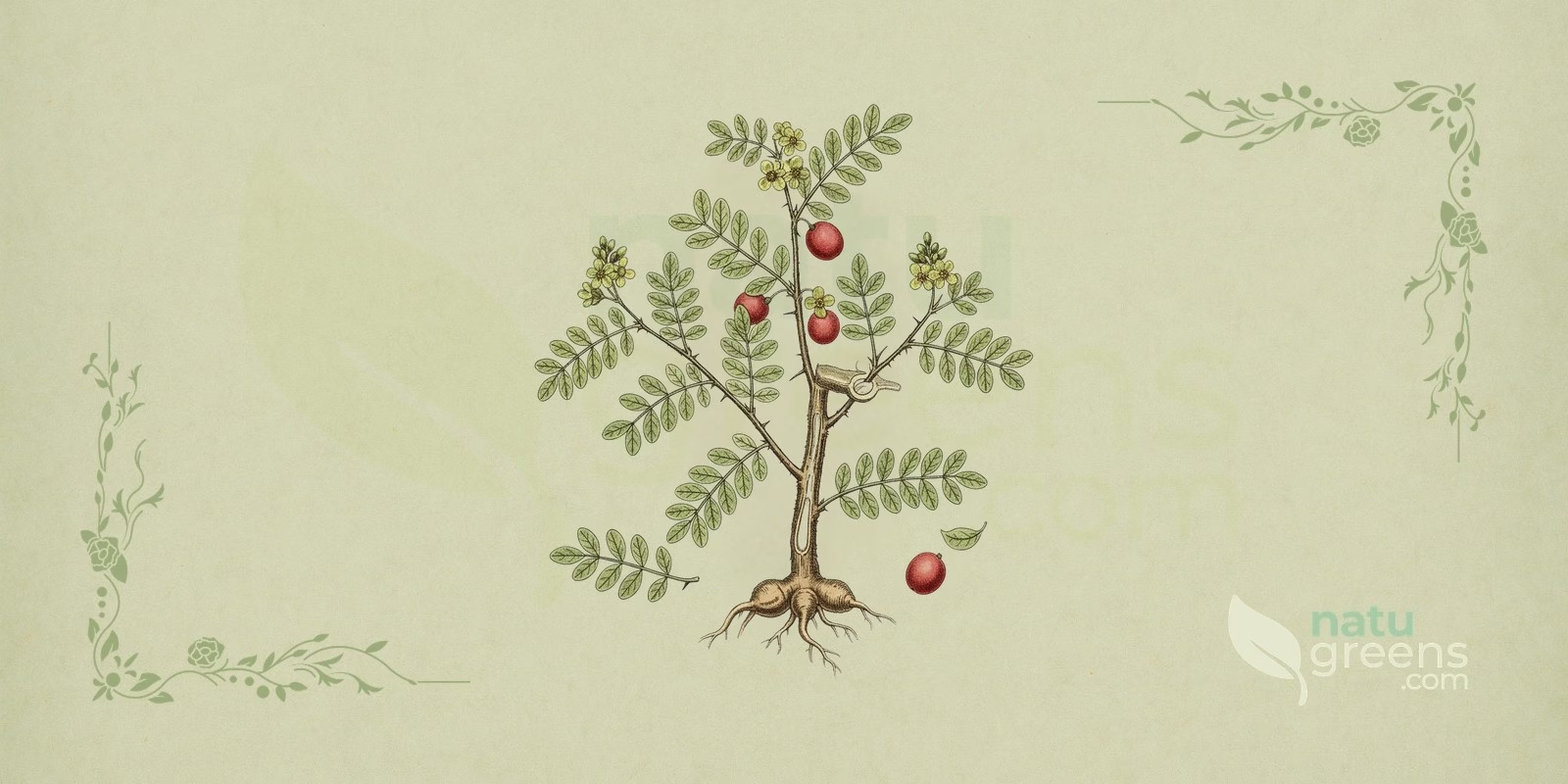
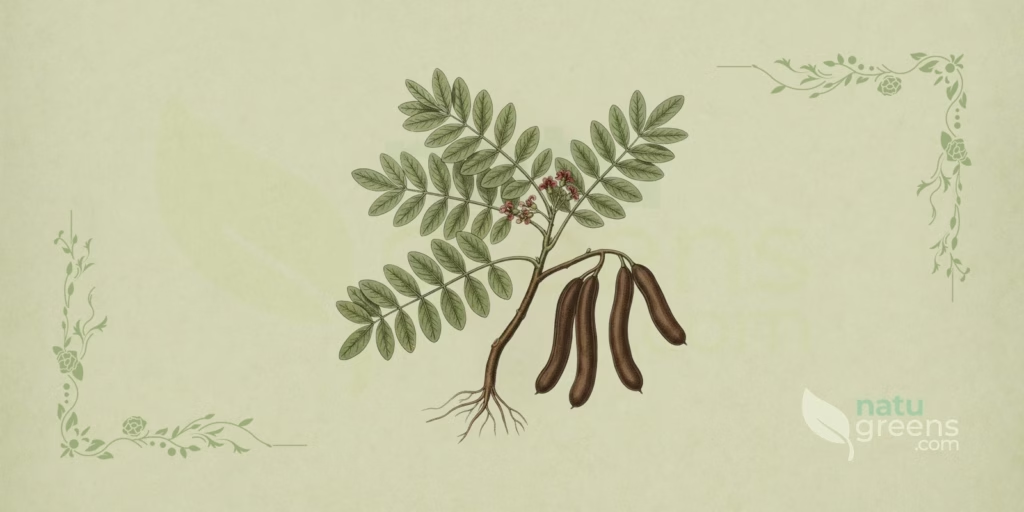
The plant grows up to 4 meters tall, has thin bark and thorny branches, and its leaves may be simple or trifoliate, with oval leaflets and irregularly toothed margins. The flowers are small, red to pink in color, with four petals, and the fruits are small and round, turning red when ripe. The resin, the plant’s most important part, is harvested by tapping the bark and is the source of the bioactive compounds that give Commiphora wightii its wide-ranging properties.
Popular and International Names of Guggul
- English: Gugal, Guggal, Guggul, Indian Bdellium-Tree, Mukul Myrrh Tree.
- Spanish: Árbol de Mirra de Mukul, Goma de Guggul, Guggul, Mukul.
- Portuguese: Bdélio, Goma-Guggul, Guggul, Gugulipid, Mirra de Mukul, Mirra-Indiana.
- French: Arbre à Myrrhe, Guggul, Myrrhe de Mukul.
- Italian: Guggul, Gugul, Mirra Indiana.
- German: Bdellium, Guggul, Gugulipid, Indische Myrrhe, Loban.
Botanical Synonyms of Commiphora wightii
The scientific name Commiphora wightii (Arn.) Bhandari is the most widely accepted today, but the plant has several botanical synonyms, reflecting the complexity of its classification throughout history. These include:
- Balsamea mukul (Hook.)
- Balsamodendrum mukul Hook. ex Stocks
- Balsamodendrum wightii Arn.
- Commiphora mukul (Hook. ex Stocks)
- Commiphora roxburghii (Stocks) Engl.
Botanical Family: Burseraceae
Commiphora wightii belongs to the family Burseraceae, known as the myrrh and frankincense family. This family consists mainly of resinous trees and shrubs found in the tropical and subtropical regions of Africa, Asia, and the Americas, and is characterized by the production of aromatic resins, such as myrrh and frankincense, which hold great cultural, religious, and medicinal importance. Guggul resin is a prominent example of this trait, being an oleo-gum-resin with recognized therapeutic properties.
Many species in this family are adapted to arid environments, developing mechanisms to conserve water and defend against predators. The presence of secondary compounds, such as terpenoids and steroids, is common in Burseraceae, contributing to the biological activities observed in its members, and the phytochemical diversity of the family continues to be the subject of research, revealing potential for the discovery of new drugs and therapeutic applications.
Parts of Guggul Used
- Resin (oleo-gum-resin) extracted from the bark.
Ethnobotanical and Traditional Uses
Guggul has a rich history of ethnobotanical and traditional use, especially in Ayurvedic and Unani medicine, where it has been employed for more than 3,000 years, valued for its properties and for its fragrance, which resembles myrrh. Traditional uses include:
- Relief of inflammatory conditions, such as arthritis.
- Traditional aid in weight and obesity management.
- Component in incense and fumigations for purification and rituals.
- Care of skin problems, such as acne, eczema, and psoriasis.
- Traditional use for indolent ulcers and oral problems, such as cavities and spongy gums.
- Use as a gargle for chronic tonsillitis and sore throat.
Therapeutic Properties of Guggul
Commiphora wightii, through its guggul resin, exhibits an impressive range of therapeutic properties, many of which have been investigated by modern scientific studies. The main properties include:
- Anti-inflammatory (effect studied in reducing inflammation in various conditions)
- Anti-obesity (effect studied on weight loss and appetite suppression)
- Antimicrobial (activity studied against bacteria and other microorganisms)
- Antioxidant (protective effect studied on cells against oxidative damage)
- Anti-stress (effect studied on stress and anxiety)
- Dermatoprotective (traditional use in the care of acne, eczema, and psoriasis)
- Hypolipidemic (effect studied in reducing cholesterol and triglyceride levels)
- Immunomodulatory (effect studied on the immune system response)
- Neuroprotective (protective effect studied on the nervous system and on cognitive functions)
- Rejuvenating (property attributed in Ayurvedic medicine)
Detailed Phytochemical Profile of Guggul
Guggul resin is a complex mixture of several bioactive compounds, which are responsible for its wide-ranging pharmacological activities. The phytochemical profile includes:
- Flavonoids
- Gallic Acid
- Guggulsterones (Z-guggulsterone and E-guggulsterone are the main active compounds)
- Lignans
- Myo-inositol
- Quercetin
- Quinic Acid
- Steroids
- Sterols
- Sugars
- Terpenoids (including monoterpenoids, sesquiterpenoids, and diterpenoids)
Preparation and Administration Forms of Guggul
Guggul can be used in several forms, depending on the purpose. The most common preparations and methods of administration include:
- Capsules and Tablets (standardized extracts in guggulsterones)
- Extracts (fluid or dry, concentrated active principles)
- Fumigation (resin burned as incense, known as dhoop)
- Lotions (for topical application on skin conditions)
- Powder (can be mixed with water, milk, ghee, or honey)
- Resin (raw oleo-gum-resin, for various preparations)
Synergy with Other Medicinal Plants
Although specific research on guggul’s synergy with other plants is limited in the reviewed studies, Ayurvedic medicine frequently combines guggul with other herbs to enhance its effects and address specific conditions. For example, guggul is a key component in many Ayurvedic formulations aimed at balancing the doshas and promoting metabolic health: the combination with Triphala (a blend of three fruits) is common to support digestion and detoxification, while the pairing with Trikatu (black pepper, long pepper, and ginger) may increase the bioavailability of guggul’s active compounds and optimize its impact on metabolism.
Recipes and Usage Protocols of Guggul
Guggul is traditionally used in various preparations in Ayurvedic medicine, and the dosage and preparation method can vary depending on the condition being addressed and the specific formulation. It is essential to consult a healthcare professional or an Ayurvedic practitioner before starting any use of guggul.
Standard Oral Dosage
Ingredients: standardized guggul extract, generally in the range of 500 mg to 1000 mg per dose.
Use: administered two to three times a day, as directed by a professional; this range is commonly cited as a traditional reference for supporting body fat management and cholesterol level regulation. It is important to follow the manufacturer’s instructions or a specialist’s guidance, as the concentration of guggulsterones can vary between products.
Fumigation Preparation (Dhoop)
Ingredients: 100 grams of guggul resin, 10 grams of turmeric powder, 10 grams of neem powder.
Preparation: mix the ingredients and burn over hot embers, producing an aromatic smoke traditionally used for purification and rituals. Fumigation with guggul is valued for its antimicrobial properties and for creating a calm environment conducive to meditation.
The preparations above follow traditional records and do not replace professional guidance. Before any internal use, check the contraindications and interactions described in this article.
Associated Therapies
Guggul is a mainstay of traditional medicine systems and has been integrated into complementary therapeutic approaches due to its multifaceted properties.
Ayurveda
In Ayurvedic medicine, guggul is one of the most revered remedies, known as Guggulu, a term meaning “that which protects against disease,” and it is widely used to balance the three doshas (Vata, Pitta, and Kapha), with particular focus on reducing Kapha and Vata. It is considered an essential component in formulations aimed at metabolic, inflammatory, and cardiovascular conditions, within an approach that emphasizes purification and rejuvenation and that frequently employs guggul in detoxification therapies. According to this tradition, it is thought to support circulation and digestive function, and its ability to penetrate deeply into tissues would make it valuable in traditional support for joint and muscle problems.
Unani
Unani medicine, a traditional healing system rooted in Ancient Greece with Persian and Arab influences, also incorporates guggul into its practices. In the Unani system, guggul is recognized for its anti-inflammatory, analgesic, and purifying properties, being traditionally employed for a variety of imbalances, including rheumatic disorders, skin problems, and respiratory conditions. Guggul is believed to help balance the body’s humors (Akhlat) and strengthen the immune system, promoting overall health and well-being, and its resin is used in various preparations, such as ointments and decoctions, to maximize its effects.
Contraindications and Side Effects of Guggul
Guggul is generally considered safe when used at recommended doses, but, like any bioactive substance, it may present contraindications and side effects; it is therefore crucial to consult a healthcare professional before beginning use, especially for those with preexisting medical conditions or taking other medications.
Common Side Effects
The side effects of guggul are generally mild and transient. They may include:
- Headache (occasionally reported by some users)
- Mild nausea (generally associated with high doses or individual sensitivity)
- Belching and hiccups (mild digestive symptoms)
- Loose stools (may occur in sensitive individuals)
- Skin rashes (allergic skin reactions in rare cases)
Contraindications and Precautions
- Pregnancy and Breastfeeding: The use of guggul is contraindicated during pregnancy and breastfeeding due to a lack of conclusive studies on its safety during these stages.
- Thyroid Disorders: Individuals with hypothyroidism or hyperthyroidism should use guggul with caution and under medical supervision, as it may influence thyroid function.
- Surgery: It is recommended to discontinue guggul use at least two weeks before any surgical procedure due to its potential anticoagulant effect.
- Liver and Kidney Disease: Patients with liver or kidney disease should avoid using guggul, as it may place additional strain on these organs.
- Allergies: People with a history of allergy to plants in the family Burseraceae or to any component of guggul should avoid its use.
Drug Interactions
Guggul can interact with certain medications, altering their effectiveness or increasing the risk of adverse effects. The most notable interactions include:
- Anticoagulants and Antiplatelets: Guggul may potentiate the effects of medications such as warfarin, aspirin, and clopidogrel, increasing the risk of bleeding.
- Thyroid Medications: It may interfere with the absorption and effectiveness of thyroid hormones, such as levothyroxine.
- Cholesterol-Lowering Medications: Although guggul is traditionally used to support cholesterol reduction, its combination with statins may require dose adjustment and medical monitoring.
- Oral Contraceptives: It may reduce the effectiveness of oral contraceptives, making the use of additional contraceptive methods advisable.
Historical Notes and Interesting Facts
Origin and Distribution
Commiphora wightii is native to the arid and semi-arid regions of western India, found particularly in the states of Gujarat and Rajasthan, as well as parts of Pakistan and the Middle East. Its ability to thrive in poor soils and dry climates makes it a resilient species well adapted to challenging environments, functioning as a vital component of desert ecosystems by providing food and shelter for local wildlife.
Conservation Status
Commiphora wightii has been classified as “Critically Endangered” by the IUCN due to overharvesting of its resin, a situation that highlights the urgency of conservation efforts. Initiatives in India, such as cultivation projects and education on sustainable harvesting methods, seek to reverse this trend and ensure the plant’s survival for future generations.
The Resin and Its Names
The resin exuded from the bark of Commiphora wightii is known by several names, including guggul, gugal, and guggal, and it has historically been referred to as bdellium and used in incense and perfumes for centuries. Its fragrance is notably similar to that of myrrh, another valuable resin produced by species of the genus Commiphora.
Frequently Asked Questions about Guggul
Can Guggul Be Taken Daily?
Yes, guggul can be taken daily as long as it is within the recommended doses and under professional guidance, with continuous use being common in Ayurvedic therapies aimed at chronic conditions, such as high cholesterol and inflammatory issues. Even so, it is important to monitor for any side effects and take periodic breaks, if advised by the specialist.
Does Guggul Really Help with Weight Loss?
Studies suggest that guggul may play a role in weight management, supporting fat loss and appetite suppression, but the research is still limited and more studies are needed to confirm these effects. Because of this, it should not be regarded as a miracle solution for weight loss, but rather as a complement to a balanced diet and a healthy lifestyle.
What Are the Main Phytochemicals in Guggul?
The main phytochemicals responsible for guggul’s action are the guggulsterones, especially the Z and E forms, but the resin also contains other bioactive compounds, such as steroids, sterols, terpenoids, flavonoids, lignans, gallic acid, quinic acid, myo-inositol, and quercetin, which together contribute to its complex pharmacological profile.
Does Guggul Have Side Effects?
Yes, guggul can cause side effects, generally mild, such as headache, nausea, belching, hiccups, loose stools, and skin rashes in sensitive individuals, with allergic reactions being rare but possible. It is worth paying attention to any adverse reaction and seeking medical guidance if symptoms persist or worsen.
Is It Safe to Use Guggul During Pregnancy?
No: the use of guggul is not recommended during pregnancy and breastfeeding, due to the absence of sufficient research on its safety during these stages. Pregnant or breastfeeding women should avoid guggul or consult a doctor before considering its use.
Notice: this content is for informational purposes and does not replace professional medical advice. Consult a physician or herbal practitioner before using medicinal plants, especially during pregnancy, breastfeeding, or alongside medication.
References and Scientific Studies
Peer-Reviewed Scientific Studies (2)
- PMC2015 Sarup, P. (2015). Pharmacology and Phytochemistry of Oleo-Gum Resin of Commiphora wightii. BioMed Research International.
- PEER2022 Verma, R. K., et al. (2022). Metabolomic profiling of Commiphora wightii (Arn.) Bhandari bark, oleogum-resin, and stem collected from different geographical regions of India. South African Journal of Botany.
Supplementary Readings (3)
- PlantNet. (n.d.). Commiphora wightii (Arn.) Bhandari, Bdélio (Flora mundial).
- World Agroforestry. (n.d.). Commiphora wightii.
- 2023 CABI Digital Library. (2023). Commiphora Wightii: A Natural Approach in Control of….