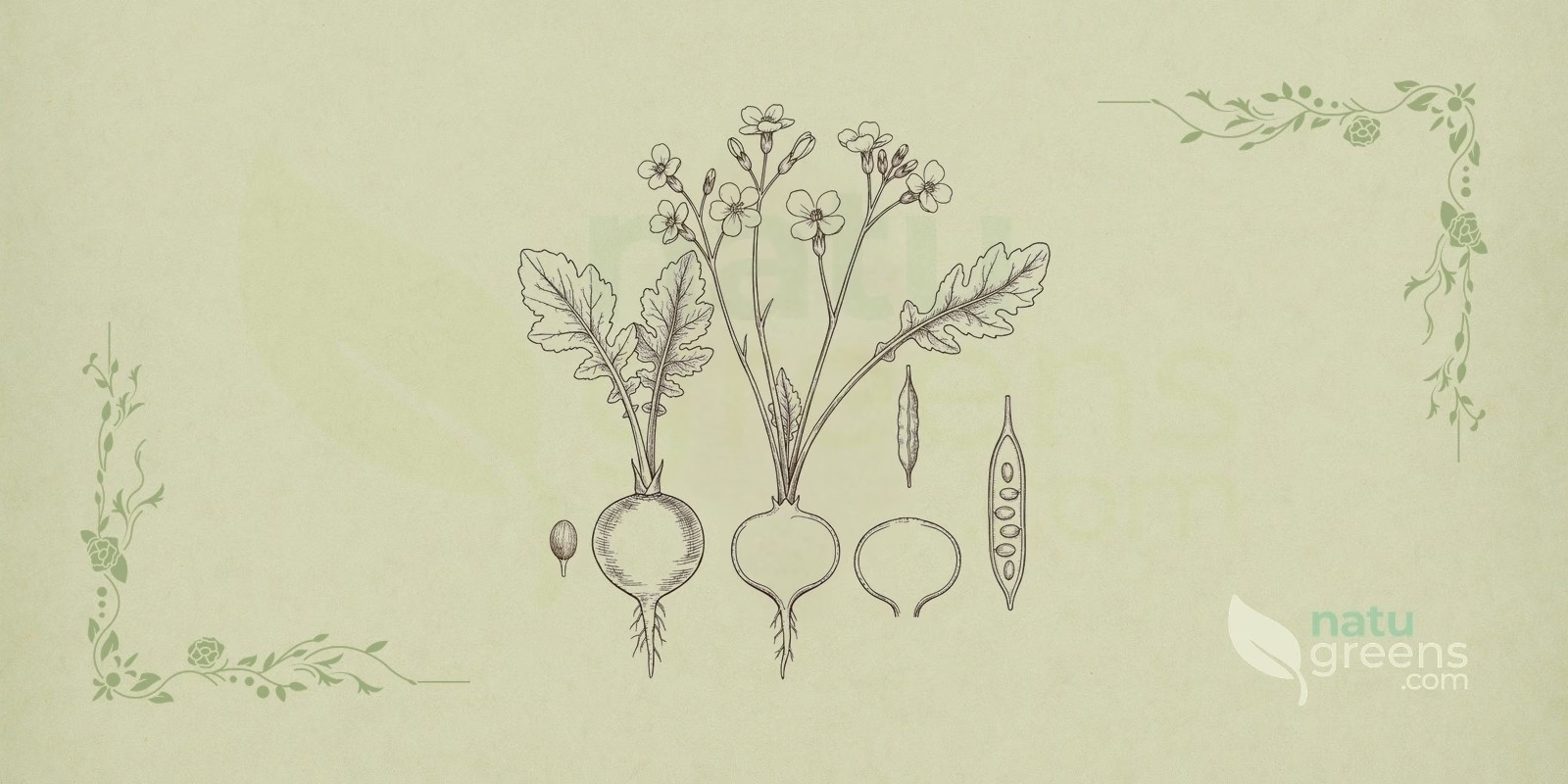
Raphanus sativus L. / Radish, an annual or biennial herbaceous plant of the Brassicaceae family, is widely grown for its edible root and is also valued in the folk medicine of many cultures. Described by Carl Linnaeus in 1753, the species has a history of thousands of years in cooking and traditional medicine, and the radish, native to Asia and the Mediterranean region, became known worldwide for its pungent flavor and its versatility in the kitchen.
The use of radish goes beyond gastronomy, and herbal medicine draws on it because of its phytochemical makeup, since the roots, leaves, and seeds contain bioactive compounds associated, in traditional use and in preliminary studies, with diuretic, digestive, and antioxidant actions. Modern research has been investigating many of these uses in laboratory and animal studies, ranging from glucose metabolism to a possible anxiolytic effect of sprout extracts in mice, and this body of data explains the interest in radish as a functional food, although clinical trials in humans are still scarce.
Popular and International Names of Radish
- English: garden radish, radish.
- French: radis, radis cultivé.
- German: Gartenrettich, Radieschen, Rettich.
- Italian: rafano, ravanello.
- Portuguese: rabanete, rabanete-das-hortas, rábano (Portugal); nabo-chinês, rabanete, rábano (Brazil).
- Spanish: rabanito, rábano.
In Brazil, long white varieties such as daikon are often sold as nabo or nabo-chinês, names that mean turnip and Chinese turnip, even though they belong to the same species as the red radish and not to the true turnip (Brassica rapa).
Botanical Synonyms of Raphanus sativus
The name Raphanus sativus L. is widely accepted, but some classifications regard the cultivated radish as a subspecies of wild radish and list it as Raphanus raphanistrum subsp. sativus (L.) Domin. The botanical literature also cites other synonyms, gathered below in alphabetical order.
- Raphanus niger Mill.
- Raphanus raphanistrum subsp. sativus (L.) Domin
- Raphanus sativus var. hortensis Backer
Botanical Family: Brassicaceae
The Brassicaceae family, also called Cruciferae, is a vast and economically important group of flowering plants that includes vegetables such as broccoli, kale, and mustard. It is characterized by sulfur compounds such as glucosinolates, which are responsible for the pungent flavor and for much of the pharmacological interest in many of its species, and the radish shares these traits as a notable example of the diversity and importance of this botanical family. The old name Cruciferae refers to the four petals arranged in a cross, a feature that also appears in the radish flower, which ranges from white to lilac.
Parts of Radish Used
- Leaves
- Seeds
- Tuberous root
The most widely eaten part is the tuberous root, formed by the thickening of the hypocotyl and the upper portion of the taproot, while the young leaves are cooked like other leafy greens and the dried seeds are the part favored by traditional Chinese medicine.
Ethnobotanical and Traditional Uses
Ethnobotanical records describe radish mainly as a digestive and diuretic plant, and the uses listed below reflect folk tradition and traditional medicine systems, without amounting to proven clinical indications.
- Cough with phlegm and asthma, especially in traditional Chinese medicine, which uses the seeds (asthma requires medical follow-up).
- Digestive support for bloating and indigestion, according to folk use.
- Jaundice and other liver complaints, in historical records of folk medicine (conditions that require medical assessment).
- Mild laxative for occasional constipation, according to tradition.
- Promotion of urine flow, in its traditional role as a diuretic.
Therapeutic Properties of Radish
The properties below come from traditional records and from laboratory or animal studies, and most of them have not yet been confirmed in clinical trials in people.
- Antibacterial (activity against bacteria observed in laboratory tests)
- Antidiabetic (effects on glucose metabolism investigated in animal studies)
- Anti-inflammatory (reduction of inflammatory markers in experimental models)
- Antioxidant (neutralization of free radicals in laboratory assays)
- Antiproliferative (activity observed in laboratory studies, not clinically proven)
- Antiviral (activity reported only in laboratory studies)
- Cardioprotective (effect investigated in experimental studies)
- Choleretic (stimulation of bile secretion, according to traditional use)
- Diuretic (increased urine volume, according to traditional use)
- Expectorant (traditional use to help clear mucus)
- Hepatoprotective (protection of liver cells observed in animal studies)
- Hypoglycemic (lower blood glucose observed in experimental models, not clinically proven)
- Immunomodulatory (modulation of the immune system in experimental studies)
- Laxative (traditional use to stimulate bowel movements)
Detailed Phytochemical Profile of Radish
- Anthocyanins (in varieties with red or purple skin)
- Flavonoids (kaempferol, quercetin)
- Glucosinolates (glucoraphasatin, glucoraphenin)
- Isothiocyanates (4-methylthio-3-butenyl isothiocyanate, sulforaphene)
- Minerals (calcium, iron, potassium)
- Vitamins (B6, C, folate)
Glucosinolates are the chemical signature of radish, because when the tissue is cut or chewed, the enzyme myrosinase converts them into isothiocyanates, the compounds that give the root its characteristic pungent taste. Glucoraphasatin predominates in the roots, while the seeds concentrate glucoraphenin, the precursor of sulforaphene, a substance studied in laboratory assays and chemically close to the sulforaphane found in broccoli.
Preparation and Administration Forms of Radish
Radish reaches the table and traditional preparations in a variety of forms, from the raw root in salads to tinctures and extracts, and the choice depends on the part used, since fresh roots and leaves usually go into juices and dishes, while the dried seeds are the basis of infusions and decoctions in traditional Chinese medicine.
- Culinary use (raw or cooked)
- Decoction
- Extract
- Infusion
- Juice
- Tincture
Extracts and tinctures concentrate the active compounds far beyond what dietary intake provides, so their use should be guided by a health professional, especially for people with thyroid disease or gallstones and for those who take medication on a regular basis.
Synergy with Other Medicinal Plants
In herbal tradition, radish is combined with other plants that have a digestive or hepatic affinity, and the pairings below describe traditional records and hypotheses of joint action, with no clinical studies confirming an additive effect.
Digestive Health
Combining radish with ginger (Zingiber officinale) and peppermint (Mentha × piperita) is a traditional way to support digestion and ease gas, since the glucosinolates in radish would, in theory, add to the gingerols in ginger and the menthol in peppermint, all associated with carminative actions in folk use. Tradition turns to this blend mainly after heavy meals, when bloating and a feeling of fullness tend to appear.
Liver Support
Radish is also traditionally combined with milk thistle (Silybum marianum) and dandelion (Taraxacum officinale) in formulas aimed at the liver. The sulfur compounds in radish, the silymarin in milk thistle, and the bitter principles of dandelion are associated, in traditional use and in experimental studies, with the stimulation of bile production, which is why people with gallstones should avoid this combination without professional guidance.
Recipes and Usage Protocols of Radish
Radish Juice with Apple and Ginger
This juice is traditionally used to stimulate digestion and is usually taken in the morning, but people with a sensitive stomach should avoid drinking it on an empty stomach, since radish and ginger can irritate the gastric lining.
Ingredients: 3 medium radishes, 1 green apple, 1 small piece of ginger, the juice of 1/2 lemon, and 100 ml of water.
Preparation: Wash all the ingredients well and cut the radishes, apple, and ginger into pieces. Place everything in a blender with the water and lemon juice, blend until smooth, strain if you prefer, and drink right away.
Radish Salad with Leafy Greens
Refreshing and rich in nutrients, this salad is a simple way to include radish in your daily diet, and in folk tradition it accompanies meals as a digestive aid.
Ingredients: 1 cup of very thinly sliced radishes, 2 cups of leafy greens (lettuce and arugula), 1/4 cup of chopped fresh cilantro, olive oil, apple cider vinegar, salt, and pepper to taste.
Preparation: In a large bowl, combine the radishes, leafy greens, and cilantro. In a separate small bowl, mix the olive oil, apple cider vinegar, salt, and pepper to make the dressing, then pour it over the salad and toss gently before serving as a side dish or a light meal.
Traditional Radish Seed Infusion
In traditional Chinese medicine, radish seeds are used for coughs with phlegm, and this infusion follows that record without replacing a medical assessment of a persistent cough.
Ingredients: crushed radish seeds, in an amount determined with a health professional, 200 ml of boiling water, and honey (optional, never for children under 1 year of age).
Preparation: Place the crushed seeds in a cup, add the boiling water, cover, and let steep for 10 to 15 minutes. Strain and sweeten with honey, if desired. To determine the amount, frequency, and duration of use, consult a health professional, since the seeds contain active compounds in a higher proportion than the root eaten as food.
The preparations above follow traditional records and do not replace professional guidance. Before any internal use, check the contraindications and interactions described in this article.
Associated Therapies
Ayurveda
In Ayurvedic medicine, radish is valued for its pungent and bitter tastes, which according to this tradition help balance the Kapha and Vata doshas. It is considered a warming food that stimulates the digestive fire (Agni), and Ayurveda uses it for digestive complaints, urinary disorders, and cleansing diets, as well as to relieve congestion.
Western Herbal Medicine
In Western herbal medicine, radish is known mainly for its diuretic, choleretic, and digestive actions, and tradition uses it to stimulate liver and gallbladder function, aid the digestion of fats, and relieve constipation. Preparations include fresh juices, tinctures, and extracts, with the root as the most widely used part, and its vitamin C content, a nutrient that contributes to the normal function of the immune system, rounds out the nutritional appeal of this vegetable.
Traditional Chinese Medicine (TCM)
In TCM, radish seeds, called Lai Fu Zi, are used to move stagnant Qi, resolve food stagnation, and transform phlegm, according to the concepts specific to this system. Within this framework, they are indicated for abdominal distension, indigestion, productive cough, and asthma, usually in decoctions, while the fresh root is used to clear heat and, according to tradition, detoxify the body.
Contraindications and Side Effects of Radish
Radish is a common food, also used traditionally as a digestive and depurative, and there is no relevant restriction at usual dietary amounts. Excessive consumption, however, may worsen hypothyroidism in people with iodine deficiency (a mild goitrogenic effect, as with other Brassicaceae), and people with gallstones should be cautious because of its possible choleretic effect (stimulating bile secretion), which can trigger gallbladder contraction and colic.
In excess, radish can cause gastrointestinal discomfort and gas, and concentrated doses or overconsumption can lead to heartburn, abdominal pain, and diarrhea in sensitive people, who should pay attention to their own tolerance and favor moderate portions.
Drug Interactions
Radish leaves, like other leafy greens, contain vitamin K, a nutrient involved in blood clotting, so people taking anticoagulants such as warfarin should keep their intake of these leaves consistent and talk to their doctor before using extracts or concentrated juices. Patients taking thyroid medication should have their thyroid function monitored by their doctor, since glucosinolates may, in theory, interfere with iodine uptake. People on glucose-lowering medication also need to be careful, as animal studies suggest an effect of radish on blood glucose and concentrated preparations could add to the action of the drug. Its action on the digestive system may also alter the absorption of some medications, and when in doubt, the recommendation is to consult a health professional.
Pregnancy, Breastfeeding, and Children
As a food, radish can be part of the diet during pregnancy, breastfeeding, and childhood, but extracts, tinctures, and seed infusions have no established safety in these stages and should only be used with professional guidance. Honey, mentioned as optional in the seed infusion, should not be given to children under 1 year of age.
Historical Notes and Interesting Facts
Ancient History
Radish is among the oldest vegetables cultivated by humankind, with records of cultivation dating back to Ancient Egypt, Greece, and Rome. It was considered a food of great nutritional and medicinal value, and ancient accounts link it to offerings to the Egyptian gods and to the diet of laborers, who ate it in pursuit of physical stamina, which shows the importance it held in various cultures of antiquity.
Variety of Shapes and Colors
There are countless radish varieties that differ in size, shape, and color, from the small round red radishes common in Europe and the Americas to the large white daikons of Japan and the black winter radishes. This diversity reflects the plant’s adaptation to different climates and culinary preferences around the world, and each type has its own flavor and texture.
Rapid Growth
Radish is known for its very fast growth and is among the first vegetables harvested in spring, since some varieties are ready to eat just three to four weeks after sowing. This trait makes it popular among beginner gardeners and in small-scale growing, allowing several harvests over the same season.
Frequently Asked Questions about Radish
Does Radish Tea Help with Digestion?
In folk tradition, radish tea or infusion is used to aid digestion and relieve bloating and indigestion. Preliminary studies associate compounds such as glucosinolates with the stimulation of bile and digestive enzyme secretion, but clinical trials in people are still lacking, and those with a sensitive stomach should start with small amounts.
Is Radish Good for the Liver?
Radish is traditionally considered beneficial for the liver, and experimental studies have observed hepatoprotective and choleretic effects, that is, protection of liver cells and stimulation of bile production and flow. These findings come mainly from laboratory and animal research, and people with gallstones or liver disease should talk to their doctor before using concentrated preparations.
Is It Safe to Eat Radish Every Day?
Eating radish daily in moderate amounts is generally safe, and there is no relevant restriction at usual dietary amounts. In excess, however, it can cause gastrointestinal discomfort and gas in some people, so it is worth paying attention to how your body reacts and, when in doubt, consulting a health professional.
Which Parts of the Radish Can Be Used?
All parts of the radish are edible, and the root is the most widely eaten, raw in salads or cooked. The young leaves can go into salads or be sautéed like other greens, while the seeds can be sprouted and eaten as sprouts or used in infusions and extracts, the latter always with professional guidance.
Can Radish Affect the Thyroid?
At dietary amounts there is no relevant restriction, but excessive consumption may worsen hypothyroidism in people with iodine deficiency through a mild goitrogenic effect, as happens with other Brassicaceae. People with thyroid disease should keep portions moderate and have their thyroid function monitored by their doctor.
Can People with Gallstones Eat Radish?
People with gallstones should be cautious because of the possible choleretic effect of radish, that is, its stimulation of bile secretion, which can trigger gallbladder contraction and colic. Eating it as part of meals should be discussed with a doctor, and concentrated juices, extracts, and combinations with other choleretic plants should be avoided without professional guidance.
Notice: this content is for informational purposes and does not replace professional medical advice. Consult a physician or herbal practitioner before using medicinal plants, especially during pregnancy, breastfeeding, or alongside medication.
References and Scientific Studies
- PMC2017 Banihani SA. Radish (Raphanus sativus) and Diabetes. Nutrients. 2017.
- PMC2022 Gao L, et al. Traditional uses, phytochemistry, transformation of ingredients and pharmacology of the dried seeds of Raphanus sativus L. (Raphani Semen), A comprehensive review. Journal of Ethnopharmacology. 2022.
- PMC2004 Gutiérrez RM, Pérez RL. Raphanus sativus (Radish): their chemistry and biology. The Scientific World Journal. 2004.
- PMC2023 Hernández-Sánchez LY, et al. Pharmacological evaluation of the anxiolytic-like effects of an aqueous extract of the Raphanus sativus L. sprouts in mice. Biomedicine & Pharmacotherapy. 2023.
- PMC2024 Kajszczak D, et al. Composition, Anti-Diabetic, and Antioxidant Potential of Raphanus sativus Leaves. Molecules. 2024.
- PMC2025 Naveed T, et al. Bioactive compounds in Raphanus sativus: mechanisms of apoptosis, anti-angiogenesis, cell cycle arrest and beyond in cancer prevention and treatment. Medical Oncology. 2025.