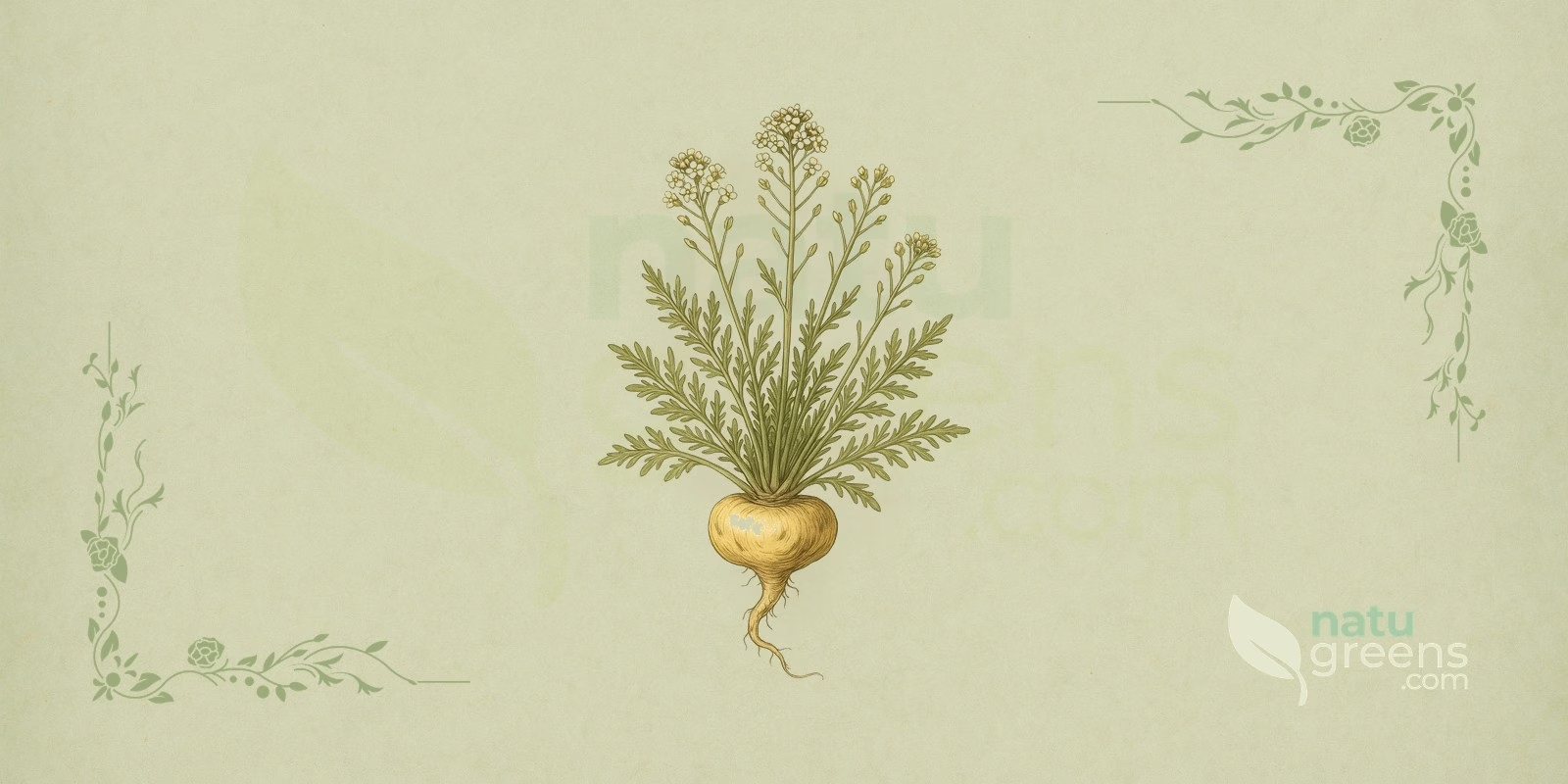
Lepidium meyenii Walp. / Maca, popularly known as Peruvian maca or Peruvian ginseng, is a biennial herbaceous plant of the Brassicaceae family, described by Wilhelm Gerhard Walpers in 1843. Native to the high altitudes of the Peruvian Central Andes, this species has been cultivated for more than 2,000 years, thriving under extreme conditions between 4,000 and 4,500 meters above sea level. Its taproot, resembling a radish, is the most valued part of the plant, used both as a nutritious food and as a potent natural remedy.
In traditional Andean medicine, maca holds a place of honor as a revitalizing, adaptogenic tonic. Its historical applications range from boosting energy, fertility, and libido to easing symptoms linked to hormonal imbalances. Its unique phytochemical composition, rich in macamides, macaenes, and glucosinolates, gives it properties of therapeutic interest that are still under study. Modern scientific research has been validating many of these traditional uses, establishing maca as one of the most relevant superfoods and medicinal herbs of our time.
Popular and International Names of Maca
- English: maca, Peruvian ginseng, maca root.
- Spanish: maca, maca andina, ginseng peruano.
- Portuguese: ginseng-peruano, maca-andina, maca, maca-peruana.
- French: maca, ginseng péruvien.
- Italian: maca, ginseng peruviano.
- German: Maca, peruanischer Ginseng.
Botanical Synonyms of Lepidium meyenii
Lepidium peruvianum Chacón is a frequently cited synonym, proposed by Peruvian researcher Dr. Gustavo Chacón Roldán. However, the name Lepidium meyenii Walp. remains the scientifically accepted designation according to most international taxonomic databases, such as The Plant List and the World Flora Online. The distinction between the species and its synonyms remains a topic of debate within the scientific community, reflecting the complexity and genetic diversity of the plant.
Botanical Family: Brassicaceae
The Brassicaceae family, also known as Cruciferae, is a family of flowering plants of great economic and agricultural importance. It includes widely consumed vegetables such as cabbage, broccoli, cauliflower, and mustard. Plants in this family are characterized by four-petaled flowers arranged in a cross shape and by the presence of sulfur compounds, the glucosinolates, which give them their characteristic pungent flavor and many of their medicinal properties.
Parts of Maca Used
- Root (hypocotyl)
Ethnobotanical and Traditional Uses
- Altitude sickness
- Hormonal imbalances
- Increased energy and endurance
- Increased libido and sexual function
- Male and female fertility
- Menopausal symptoms
- Osteoporosis
Therapeutic Properties of Maca
- Adaptogenic (helps the body adapt to stress)
- Antifatigue (studied activity against fatigue)
- Antioxidant (studied activity against free radicals)
- Energizing (studied effect on energy levels)
- Fertility-Stimulating (studied effect on reproductive function)
- Hormone-Regulating (studied effect on hormone levels)
- Neuroprotective (studied protective effect on the nervous system)
Detailed Phytochemical Profile of Maca
- Alkaloids (lepidine A and B)
- Amino acids (arginine, leucine, phenylalanine)
- Dietary fiber
- Glucosinolates (benzylglucosinolate)
- Macaenes and macamides
- Minerals (calcium, potassium, iron, iodine)
- Polysaccharides
- Sterols (beta-sitosterol, campesterol, stigmasterol)
- Vitamins (B1, B2, C, E)
Preparation and Administration Forms of Maca
- Capsules
- Liquid extract
- Powder (gelatinized or raw)
- Standardized dry extract
Synergy with Other Medicinal Plants
Increased Energy and Vitality
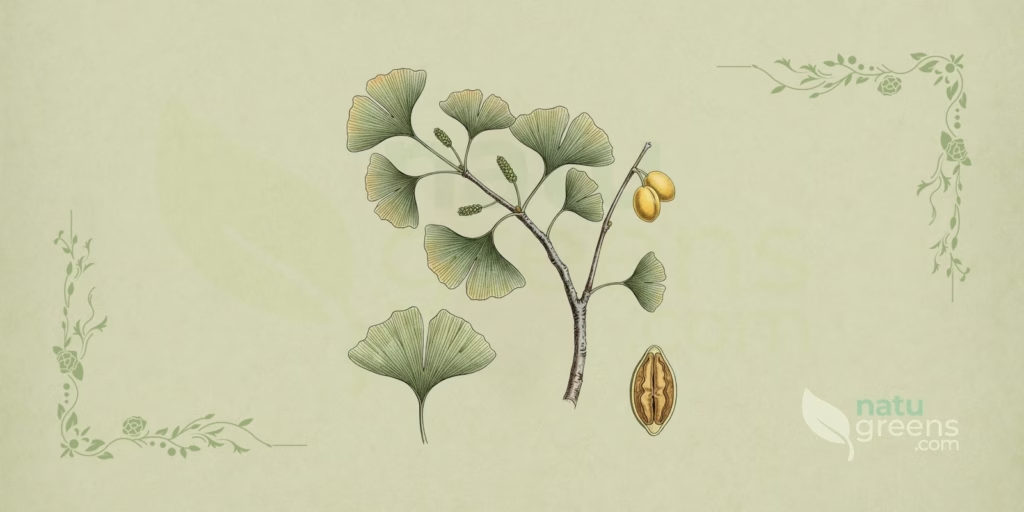
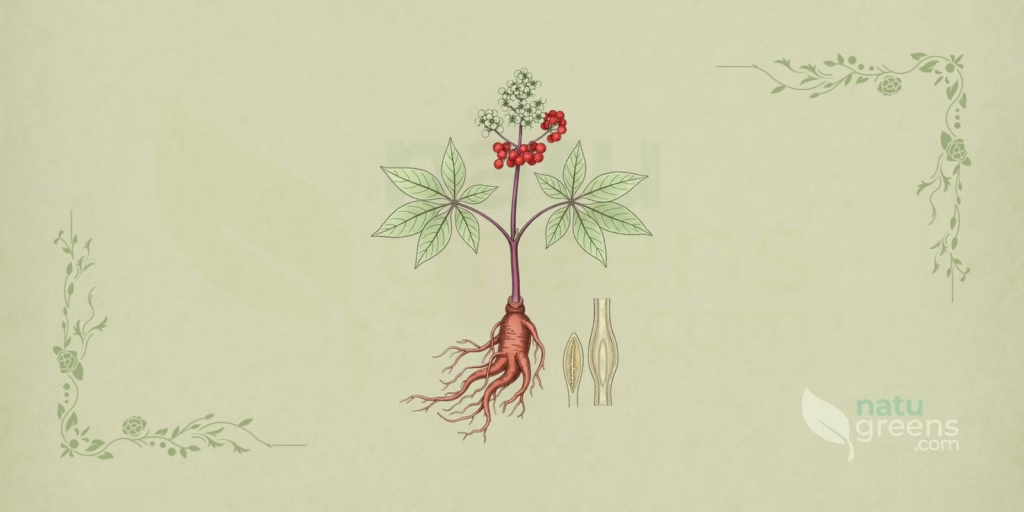
The combination of maca with ginseng (Panax ginseng) and rhodiola (Rhodiola rosea) creates an adaptogenic synergy traditionally used to support fatigue, physical and mental endurance, and stress tolerance. Maca provides sustained energy, while ginseng supports cognitive function and rhodiola helps address exhaustion, in keeping with the established use of these three plants in adaptogenic herbal medicine.
Female Hormonal Balance
For relieving menopausal symptoms and regulating the menstrual cycle, maca can be paired with red clover (Trifolium pratense) and chasteberry (Vitex agnus-castus). Maca acts as a non-estrogenic hormone regulator, while red clover provides isoflavones (phytoestrogens) and chasteberry helps balance progesterone levels, offering comprehensive support to the female endocrine system.
Male Sexual Health
Combining maca with tribulus (Tribulus terrestris) and fenugreek (Trigonella foenum-graecum) is traditionally used to improve libido, erectile function, and male fertility, since maca may support semen quality and libido, tribulus may contribute to testosterone levels, and fenugreek supports overall sexual health, resulting in a synergistic effect observed in the traditional use of these plants.
Recipes and Usage Protocols of Maca
Morning Energy Smoothie
Ingredients: 1 teaspoon of gelatinized maca powder, 1 banana, 200 ml of plant-based milk (almond or oat), 1 tablespoon of chia seeds.
Preparation: Blend all ingredients together until smooth. Drink immediately. This smoothie is an excellent way to start the day, providing sustained energy, essential nutrients, and the adaptogenic benefits of maca.
Capsules for Hormonal Balance
Protocol: Take 500 to 1,500 mg of dry maca extract in capsules, once or twice a day, preferably with meals, starting with the lowest dose and increasing gradually as needed and as tolerated. This protocol is intended for relieving menopausal symptoms, regulating the menstrual cycle, and supporting the endocrine system overall, and should be started under the guidance of a healthcare professional, especially for those with a history of thyroid disease or hormone-sensitive conditions.
Liquid Extract for Libido
Protocol: Take 1 to 2 ml of liquid maca extract, diluted in water or juice, twice a day. This form of administration allows for rapid absorption of the bioactive compounds and is traditionally used to support increased libido and sexual function in both men and women. A 3-month cycle of use is recommended, followed by a 1-month break.
The preparations above follow traditional records and do not replace professional guidance. Before any internal use, check the contraindications and interactions described in this article.
Associated Therapies
Clinical Herbal Medicine
In clinical herbal medicine, maca is used as a first-line adaptogen to support chronic fatigue, stress, and adrenal exhaustion. Its extracts standardized in macamides are used as adjuncts in the management of sexual dysfunction, infertility, and hormonal imbalances, always under the guidance of a herbal practitioner. Prescription is always individualized, taking into account each patient’s constitution and specific needs.
Functional Nutrition
In functional nutrition, maca powder is incorporated into meal plans to optimize athletic performance, increase energy levels, and improve overall well-being. It is frequently added to smoothies, yogurts, and oatmeal. Gelatinized maca is preferred for being easier to digest and for having a higher concentration of bioactive compounds compared to the raw powder.
Contraindications and Side Effects of Maca
General Contraindications
Individuals with thyroid conditions should exercise caution, as the glucosinolates in maca may interfere with thyroid function, especially on iodine-poor diets. People with hormone-sensitive conditions, such as breast cancer or endometriosis, should consult a healthcare professional before using maca. Due to a lack of studies, its use is not recommended during pregnancy and breastfeeding.
Common Side Effects
Maca is generally well tolerated, but some people may experience mild side effects, such as gastrointestinal discomfort, headaches, or insomnia, especially with high doses or with raw maca powder. Gelatinized maca minimizes the risk of digestive issues. Changes in the menstrual cycle may occur early in use, as the body adjusts.
Drug Interactions
Caution is advised when combining maca with anticoagulant medications, as it may potentiate their effect. Its hormone-modulating capacity could theoretically interfere with hormone replacement therapy or oral contraceptives. It is always advisable to discuss the use of maca with a doctor or pharmacist if taking other medications.
Historical Notes and Interesting Facts
The Treasure of the Incas
Maca was so highly valued by the Inca Empire that its use was at times restricted to nobility and warriors to increase their strength and endurance in battle. It was considered a gift from the gods, capable of ensuring the vitality and fertility of the Andean people. When the Spanish arrived in Peru, they quickly recognized its value and even received tribute paid in maca roots.
Color Varieties
There are different varieties of maca, classified by the color of their root, the most common being yellow, red, and black. Each color has a slightly different profile of bioactive compounds and associated benefits. Black maca is traditionally associated with improved memory and male fertility, while red maca is more commonly used for prostate health and bone density.
Frequently Asked Questions about Maca
Does Maca Cause Weight Gain?
No, maca does not cause weight gain. On the contrary, being rich in fiber and helping to regulate metabolism, it can even contribute to maintaining a healthy weight. Its energizing effect may also increase motivation for physical activity.
How Long Does It Take to Work?
The effects of maca can vary from person to person. Some individuals report increased energy and well-being within a few days, while other benefits, such as hormonal balance and improved fertility, may take several weeks or months of continuous use to fully manifest.
What Is the Difference Between Raw and Gelatinized Maca?
Gelatinized maca undergoes an extrusion process that removes the starch, making it easier to digest and concentrating its bioactive compounds. Raw maca retains all of its nutrients, including enzymes, but can be harder to digest for people with sensitive stomachs.
What Are the Contraindications of Maca?
Maca calls for caution in people with thyroid conditions, since its glucosinolates may interfere with thyroid function, particularly on iodine-poor diets. It is also advisable for anyone with a history of breast cancer, endometriosis, or other hormone-sensitive conditions to consult a healthcare professional before use. Due to a lack of studies, the root is not recommended during pregnancy and breastfeeding.
Are There Side Effects Associated with Maca?
Maca tends to be well tolerated, but at high doses or in raw form it can cause gastrointestinal discomfort, headache, or insomnia in some people. The gelatinized version reduces this risk by being easier to digest. Temporary changes in the menstrual cycle may also occur early in use, as the body adjusts.
What Is the Difference Between Maca Varieties?
Maca varieties are classified by root color, with yellow, red, and black being the best known. Each shows a slightly different profile of bioactive compounds: black maca is traditionally associated with memory and male fertility, while red maca is more commonly used for prostate health and bone density.
Notice: this content is for informational purposes and does not replace professional medical advice. Consult a physician or herbal practitioner before using medicinal plants, especially during pregnancy, breastfeeding, or alongside medication.
References and Scientific Studies
Peer-Reviewed Scientific Studies (3)
- DOI2019 Wang, S., & Zhu, F. (2019). Chemical composition and health effects of maca (Lepidium meyenii). Food Chemistry, 288, 422-443. ↗
- DOI2023 Shin, D., et al. (2023). Efficacy and Safety of Maca (Lepidium meyenii) in Patients with Symptoms of Late-Onset Hypogonadism: A Randomized, Double-Blind, Placebo-Controlled Clinical Trial. The World Journal of Men’s Health, 41(3), 695-703. ↗
- DOI2024 Ulloa del Carpio, N., et al. (2024). Exploring the chemical and pharmacological variability of Lepidium meyenii: a comprehensive review of the effects of maca. Frontiers in Pharmacology, 15, 1360422. ↗
Supplementary Readings (1)
- 2012 Gonzales, G. F. (2012). Ethnobiology and Ethnopharmacology of Lepidium meyenii (Maca), a Plant from the Peruvian Highlands. Evidence-Based Complementary and Alternative Medicine, 2012, 193496. ↗