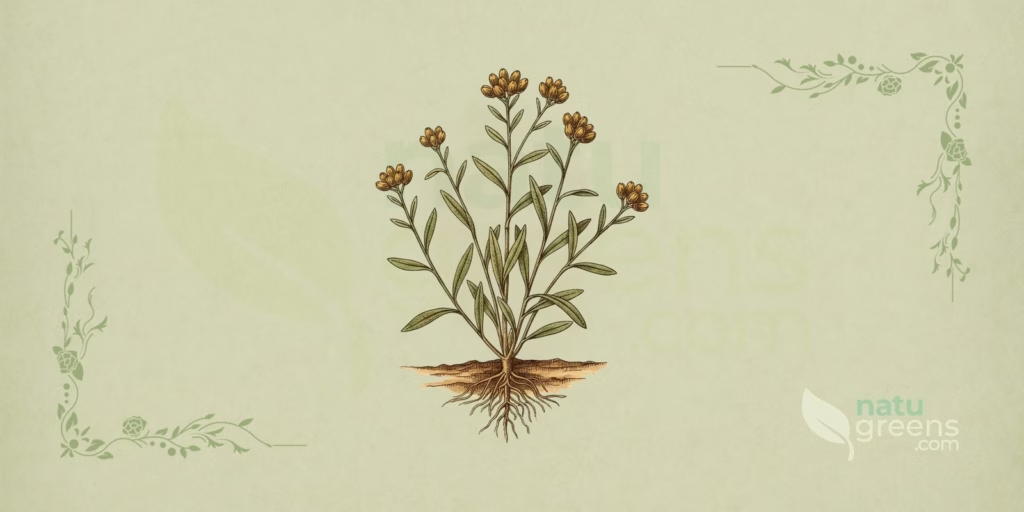
Hyssopus officinalis L. / Hyssop, a perennial herbaceous plant in the Lamiaceae family, was described by Carl Linnaeus in 1753. Native to Southern Europe, the Middle East, and the Caspian Sea region, this species is recognized for its aromatic and medicinal properties. Hyssop has been used since classical antiquity, with historical references dating back to biblical texts, where it was employed in purification rituals. Its flowers, which range from shades of pink and blue to, more rarely, white, are highly fragrant and attract bees, contributing to the production of a rich, aromatic honey.
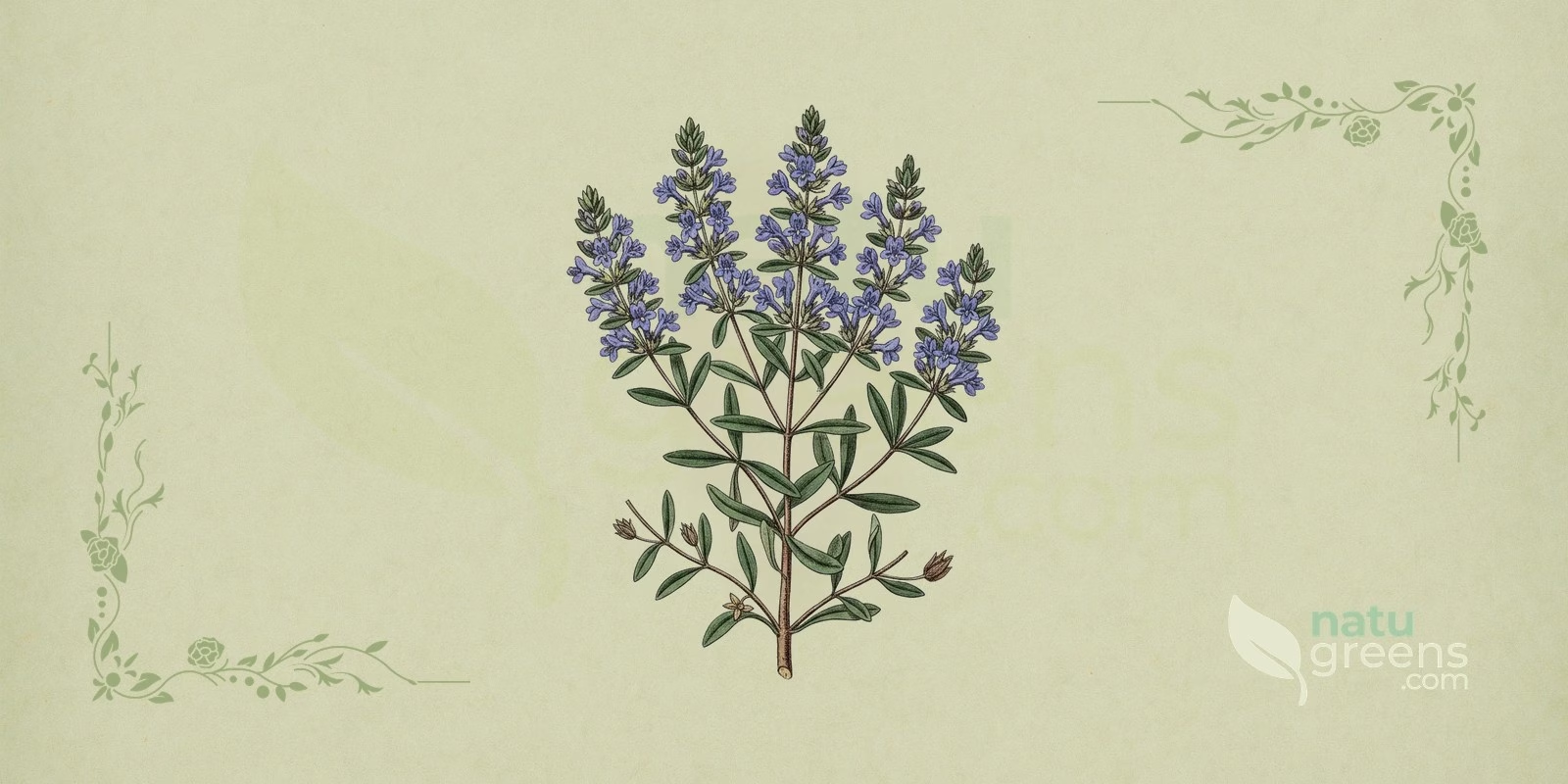
In traditional medicine, hyssop is valued for its antiseptic, expectorant, and antitussive qualities. The plant is frequently used to relieve respiratory problems, such as cough and sore throat, and to stimulate the gastrointestinal system. Modern scientific studies have explored its rich phytochemical composition, which includes essential oils and flavonoids, validating many of its traditional uses and revealing potential immunomodulatory and antiviral activities. Hyssop remains a plant of interest in both phytotherapy and cooking, where its aromatic leaves are used as a seasoning.
Popular and International Names of Hyssop
- English: common hyssop, hyssop.
- Spanish: hisopo, hisopo oficinal.
- Portuguese: hissopo, hissopo real, hysopo, issopo, issopo hortelã.
- French: hysope, hysope officinale.
- Italian: issopo, issopo officinale.
- German: Echter Ysop, Ysop.
Botanical Synonyms of Hyssopus officinalis
The taxonomy of Hyssopus officinalis L. includes numerous botanical synonyms throughout the history of plant classification. These synonyms reflect morphological and geographic variations, as well as differing taxonomic interpretations by botanists. Although Hyssopus officinalis L. is the currently accepted name, understanding its synonyms is essential for accurate research and identification of the species in different historical and regional contexts.
Hyssopus alopecuroides Fisch. ex Benth., Hyssopus altissimus Mill., Hyssopus angustifolius M.Bieb., Hyssopus aristatus Godr., Hyssopus beugesiacus Jord. & Fourr., Hyssopus canescens (DC.) Nyman nom. inval., Hyssopus caucasicus Spreng. ex Steud., Hyssopus cinerascens Jord. & Fourr., Hyssopus cinereus Pau, Hyssopus cretaceus Dubj., Hyssopus decumbens Jord. & Fourr., Hyssopus fischeri Steud., Hyssopus hirsutus Hill, Hyssopus judaeorum Sennen, Hyssopus montanus Jord. & Fourr., Hyssopus myrtifolius Desf., Hyssopus orientalis Adam ex Willd., Hyssopus passionis Sennen & Elias, Hyssopus polycladus Jord. & Fourr., Hyssopus pubescens Jord. & Fourr., Hyssopus recticaulis Jord. & Fourr., Hyssopus ruber Mill., Hyssopus schleicheri G.Don ex Loudon, Hyssopus torresii Sennen, Hyssopus vulgaris Bubani, Thymus hyssopus E.H.L.Krause.
Botanical Family: Lamiaceae
The Lamiaceae family, commonly known as the mint family, is one of the largest and most important families of flowering plants, comprising about 236 genera and more than 7,000 species. It is characterized by generally square stems, opposite leaves, and bilabiate flowers, often grouped into whorled inflorescences. Many species in this family are valued for their aromatic, medicinal, and culinary properties, including plants such as mint, rosemary, thyme, and lavender.
Hyssop, as a member of the Lamiaceae, shares these distinctive characteristics, being rich in essential oils that give it its aroma and its beneficial properties. The family is widely distributed across temperate and tropical regions, and its chemical diversity has been extensively studied, revealing a vast range of bioactive compounds with applications in various industries, from pharmaceuticals to cosmetics and food.
Parts of Hyssop Used
- Aerial Parts (Stem, Leaves, and Flowers)
- Flowers
- Leaves
Ethnobotanical and Traditional Uses
Hyssop has a long and rich history of use across various cultures, valued in traditional medicine as well as in cooking and rituals. Its use dates back centuries, with records highlighting its beneficial properties and its role in ancestral practices. This plant has been a staple in various herbal traditions, especially in Europe and the Middle East.
- Antiseptic for wounds and infections.
- Aromatic culinary seasoning (bitter taste, minty aroma).
- Decongestant for respiratory problems.
- Expectorant and antitussive for cough and sore throat.
- Gastrointestinal system stimulant.
- Increased blood circulation.
- Ingredient in liqueurs (Chartreuse, absinthe) and herb blends (za’atar).
- Relief of intestinal cramps and flatulence.
- Traditional use for fatigue, muscle pain, and arthritis.
- Used in purification rituals since classical antiquity.
Therapeutic Properties of Hyssop
Hyssop is recognized for a range of beneficial properties that justify its use in traditional medicine and the interest of modern research. Its complex phytochemical composition gives it favorable actions on various body systems, especially the respiratory and immune systems. The properties listed below are supported both by ethnobotanical knowledge and by recent scientific studies.
- Anti-inflammatory (studied effect in reducing inflammation)
- Antiseptic (studied activity against microorganisms and helps prevent infections)
- Antitussive (traditional use to relieve cough)
- Antiviral (studied activity against viruses, induces innate immune responses)
- Digestive Stimulant (studied effect on digestion and relief of gastrointestinal discomfort)
- Expectorant (facilitates mucus elimination)
- Immunomodulatory (studied effect on the immune system, increases TLR expression)
Detailed Phytochemical Profile of Hyssop
The phytochemical richness of hyssop is the foundation of its diverse medicinal and aromatic properties. The plant contains a complex mixture of bioactive compounds, notably essential oils, flavonoids, and phenolic acids. These components act synergistically, contributing to the observed effects. Ongoing research into hyssop’s phytochemical profile seeks to deepen understanding of this plant’s potential.
- Apigenin
- Caffeic Acid
- Chlorogenic Acid
- Choline
- Cineole
- Diosmin
- Ferulic Acid
- Flavonoids (luteolin, quercetin)
- Isopinocamphone
- Oleanolic Acid
- p-Hydroxybenzoic Acid
- Pinocamphone
- Pinocarvone
- Protocatechuic Acid
- Terpenoids
- Thujone
- Triterpenoid Acids (ursolic)
- β-Pinene
Preparation and Administration Forms of Hyssop
Hyssop can be prepared and administered in several ways, depending on the desired purpose. Preparations range from simple infusions of leaves and flowers for oral consumption to extracts and essential oil for more specific topical or inhalation applications. The choice of preparation should take into account the concentration of active compounds and safety of administration, since the essential oil is far more concentrated and potentially dangerous than the infusion.
- Dry Extract
- Essential Oil
- Fluid Extract
- Infusion (Tea)
- Tincture
Synergy with Other Medicinal Plants
Respiratory Health
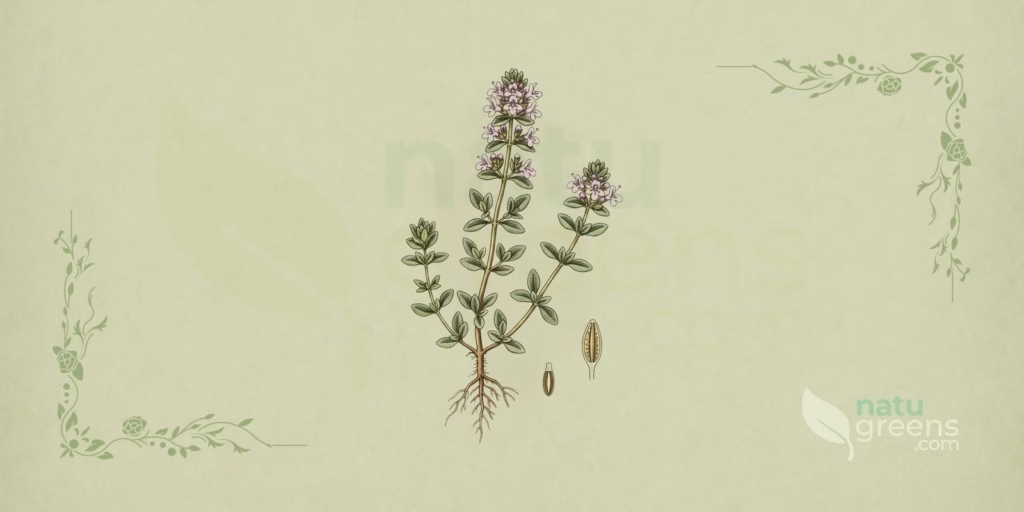
Combining hyssop with thyme (Thymus vulgaris) and echinacea (Echinacea purpurea) can enhance the beneficial effects on the respiratory system. Hyssop acts as an expectorant and antitussive, while thyme adds antiseptic and bronchodilator properties. Echinacea, in turn, is traditionally associated with supporting the immune system, aiding recovery from respiratory infections. This synergy is traditionally used to relieve symptoms of constipation, colds, and bronchitis.
Digestive Support
To support digestive health, hyssop can be combined with peppermint (Mentha piperita) and fennel (Foeniculum vulgare). Hyssop stimulates digestion, while peppermint eases spasms and flatulence. Fennel contributes carminative properties, helping to reduce gas and bloating. This combination can help relieve gastrointestinal discomfort and promote healthy digestion.
Immune Support
Combining hyssop with elderberry (Sambucus nigra) and ginger (Zingiber officinale) is traditionally used to support the immune system. Hyssop, with its antiviral and immunomodulatory properties, complements elderberry, known for its antiviral and anti-inflammatory action. Ginger adds a warming, anti-inflammatory effect, contributing to the body’s overall immune response. This synergy is especially used during periods of greater susceptibility to infections.
Recipes and Usage Protocols of Hyssop
Hyssop can be incorporated into a daily routine through various preparations, each with a specific purpose. It is important to follow the recommended dosages and, if in doubt, consult a healthcare professional. The recipes and protocols below offer practical ways to make use of this plant’s traditional uses, with special attention to the essential oil, which requires far more caution than the leaf infusion.
Infusion for Respiratory Relief
To prepare an infusion, add 1 to 2 teaspoons of dried hyssop leaves and flowers to a cup of boiling water. Let steep for 5 to 10 minutes, strain, and drink. You can consume 2 to 3 cups a day to relieve cough, sore throat, and congestion. For a more pleasant flavor, you can add a little honey and a slice of lemon. Avoid prolonged use without professional guidance, especially for pregnant women, breastfeeding mothers, and young children.
Tincture for Internal Use
Hyssop tincture can be prepared by macerating 200 grams of fresh leaves and flowers in 1 liter of 70% grain alcohol for 2 to 4 weeks, in a dark place. After this period, strain and store in a dark bottle. The amount used should be small and cautious, diluted in water, for traditional support of digestion and breathing, always under the guidance of a healthcare professional; pregnant women, children, and people with epilepsy or a history of seizures should not use this preparation. Consult a specialist for personalized dosages.
Steam Inhalation for Nasal Congestion
To relieve nasal and bronchial congestion, add a few drops of hyssop essential oil to a bowl of hot water. Cover your head with a towel and inhale the steam for 5 to 10 minutes. This method helps clear the airways and ease irritation. Be careful not to burn yourself with the steam and keep your eyes closed. This use is intended exclusively for adults with no history of seizures; pregnant women, children, and people with epilepsy should avoid hyssop essential oil altogether, even by inhalation, and it should never be ingested.
The preparations above follow traditional records and do not replace professional guidance. Before any internal use, check the contraindications and interactions described in this article.
Associated Therapies
Aromatherapy
Hyssop essential oil is valued in aromatherapy for its stimulating and purifying properties. Inhaling its aroma can help clear the mind, promote concentration, and relieve mental fatigue. It is also used in diffusers to purify the air and in massage, diluted in a carrier oil, to relieve muscle pain and promote circulation. Its herbaceous, slightly camphoraceous fragrance is appreciated by many. As with any use of hyssop essential oil, pregnant women, children, and people with epilepsy or a history of seizures should avoid it entirely, and the undiluted oil should never be ingested.
Phytotherapy
In phytotherapy, hyssop is widely used in various preparations to support respiratory, digestive, and infectious conditions. Its antiseptic, expectorant, and antiviral properties make it a traditional resource for colds, constipation, bronchitis, and digestive problems. It is frequently used in infusions, tinctures, and extracts, being an important component in many traditional herbal formularies.
Contraindications and Side Effects of Hyssop
Although hyssop is a plant with well-recognized traditional uses, it is essential to be aware of its contraindications and potential side effects. The safety of using hyssop depends on the dosage, the form of administration, and individual health conditions. It is important to distinguish the culinary and traditional use of the leaves, such as in infusions, from the use of the concentrated essential oil, which is far more potent and associated with significant neurological risks, as detailed below. It is always advisable to consult a healthcare professional before starting any regimen with this plant, especially in cases of pre-existing conditions or use of other medications.
Seizures and Epileptic Reactions
Hyssop essential oil contains high concentrations of thujone, pinocamphone, and cineole, neurotoxic compounds that stimulate the central nervous system and can trigger seizures even at relatively low doses, including the equivalent of just 2 to 3 drops in children. For this reason, hyssop essential oil is categorically contraindicated for pregnant women, children, and people with epilepsy or a history of seizures, and it must never, under any circumstances, be ingested undiluted or in a concentrated amount; its use is restricted to minimal topical or inhalation dilutions, always under the guidance of a healthcare professional.
Pregnancy and Breastfeeding
Due to the presence of compounds that can stimulate the uterus, especially concentrated in the essential oil, hyssop is contraindicated during pregnancy, and even the leaf infusion in culinary or traditional amounts should only be considered with professional guidance. There is insufficient data on the safety of using hyssop during breastfeeding, so it is therefore not advised for nursing mothers. The safety of the fetus and infant should always be the priority.
Drug Interactions
Hyssop can interact with medications that affect the central nervous system, such as sedatives and anticonvulsants, enhancing their effects or altering their efficacy, and it can also interact with anticoagulants, increasing the risk of bleeding. It may also interfere with medications for blood pressure or diabetes. It is essential to inform your doctor about hyssop use if you are taking other medications.
Other Contraindications
People with a history of epilepsy or other neurological conditions should avoid using hyssop, especially in essential oil form. It is not recommended for young children due to the sensitivity of their nervous system. In cases of known hypersensitivity to the plant or any of its components, use should be avoided. Topical use of the undiluted essential oil can cause skin irritation, making dilution in a carrier oil necessary.
Historical Notes and Interesting Facts
Hyssop, with its rich history and symbolism, has fascinated humanity throughout the centuries. Since antiquity, this plant has been wrapped in myths, rituals, and practical uses that go beyond its medicinal properties. Its presence in ancient texts and its persistence in popular culture attest to its lasting importance.
- Etymology: The name Hyssopus derives from the ancient Greek hyssopos and the Hebrew ezov, both referring to an herb used for purification.
- Biblical Use: Hyssop is mentioned several times in the Bible, notably in the Old Testament in purification rituals and in the New Testament, when a sponge soaked in vinegar was offered to Jesus on a hyssop stalk.
- Symbol of Purity: Due to its ritual uses, hyssop became a symbol of purity and spiritual cleansing in various traditions.
- Ancient Cuisine: Beyond its medicinal applications, hyssop was prized in ancient Roman and Greek cuisine as an aromatic herb for seasoning dishes and beverages.
- Medieval Gardens: During the Middle Ages, hyssop was a common plant in monastery and convent gardens, cultivated for its medicinal properties and for use in liqueurs and elixirs.
- Beekeeping: Hyssop flowers are an excellent source of nectar for bees, producing a distinctively flavored, aromatic honey valued by beekeepers.
Frequently Asked Questions about Hyssop
What Is Hyssop and What Is It Used For?
Hyssop (Hyssopus officinalis) is a medicinal and aromatic plant known for its antiseptic, expectorant, and antitussive properties. It is traditionally used to relieve respiratory problems, such as cough and sore throat, and to stimulate digestion. It also has immunomodulatory and antiviral activities studied in the laboratory.
How Do You Prepare Hyssop Tea?
To prepare hyssop tea, add 1 to 2 teaspoons of dried leaves and flowers to a cup of boiling water. Let steep for 5 to 10 minutes, strain, and drink. You can consume 2 to 3 cups a day. It is important not to exceed the recommended dose or prolong use without professional guidance, due to compounds that, at high concentrations, such as those in the essential oil, can be toxic.
What Are the Health Benefits of Hyssop Tea?
Hyssop tea is traditionally used to relieve symptoms of constipation and colds, such as cough and congestion. It helps expel mucus, soothes an irritated throat, and is used to support the immune system. It can also aid digestion and relieve gastrointestinal discomfort.
Does Hyssop Tea Have Contraindications?
Yes, hyssop tea has important contraindications. It is contraindicated for women who are pregnant or breastfeeding due to the risk of stimulating the uterus. People with a history of epilepsy or other neurological conditions should avoid its use, as the essential oil contains compounds that can trigger seizures even at low doses. It may also interact with certain medications, such as sedatives and anticoagulants.
What Is the Difference between Hyssop and Other Aromatic Herbs?
Although hyssop belongs to the mint family (Lamiaceae), its flavor profile and properties are distinct. It has a slightly bitter taste and an intense minty aroma, different from mint, rosemary, or thyme. Its medicinal properties, especially those related to the respiratory and immune systems, are particularly valued and studied.
Notice: this content is for informational purposes and does not replace professional medical advice. Consult a physician or herbal practitioner before using medicinal plants, especially during pregnancy, breastfeeding, or alongside medication.
References and Scientific Studies
Peer-Reviewed Scientific Studies (2)
- PMC2022 Ghasempour, M., Hosseini, M., Soltani-Zangbar, M. S., Motavalli, R., Aghebati-Maleki, L., Dolati, S., … & Ahmadian Heris, J. (2022). The impact of Hyssop (Hyssopus officinalis) extract on activation of endosomal toll like receptors and their downstream signaling pathways. BMC Research Notes, 15(1), 1-9.
- PMC2022 Sharifi-Rad, J., Quispe, C., Kumar, M., Akram, M., Amin, M., Iqbal, M., … & Sytar, O. (2022). Hyssopus Essential Oil: An Update of Its Phytochemistry, Biological Activities, and Safety Profile. Oxidative Medicine and Cellular Longevity, 2022.
Supplementary Readings (5)
- Dr. Axe. (n.d.). Hyssop Benefits, Uses and Side Effects. Recuperado de Dr. Axe.
- Our Herb Garden. (n.d.). Hyssop History. Recuperado de Our Herb Garden.
- HerbRally. (n.d.). Hyssop Monograph. Recuperado de HerbRally.
- 2023 Evolutionary Herbalism. (2023). Hyssop: A Biblical Remedy. Recuperado de Evolutionary Herbalism.
- EBSCO. (n.d.). Hyssop’s therapeutic uses. Recuperado de EBSCO.