Commiphora erythraea (Ehrenb.) Engl. / Abyssinian Myrrh
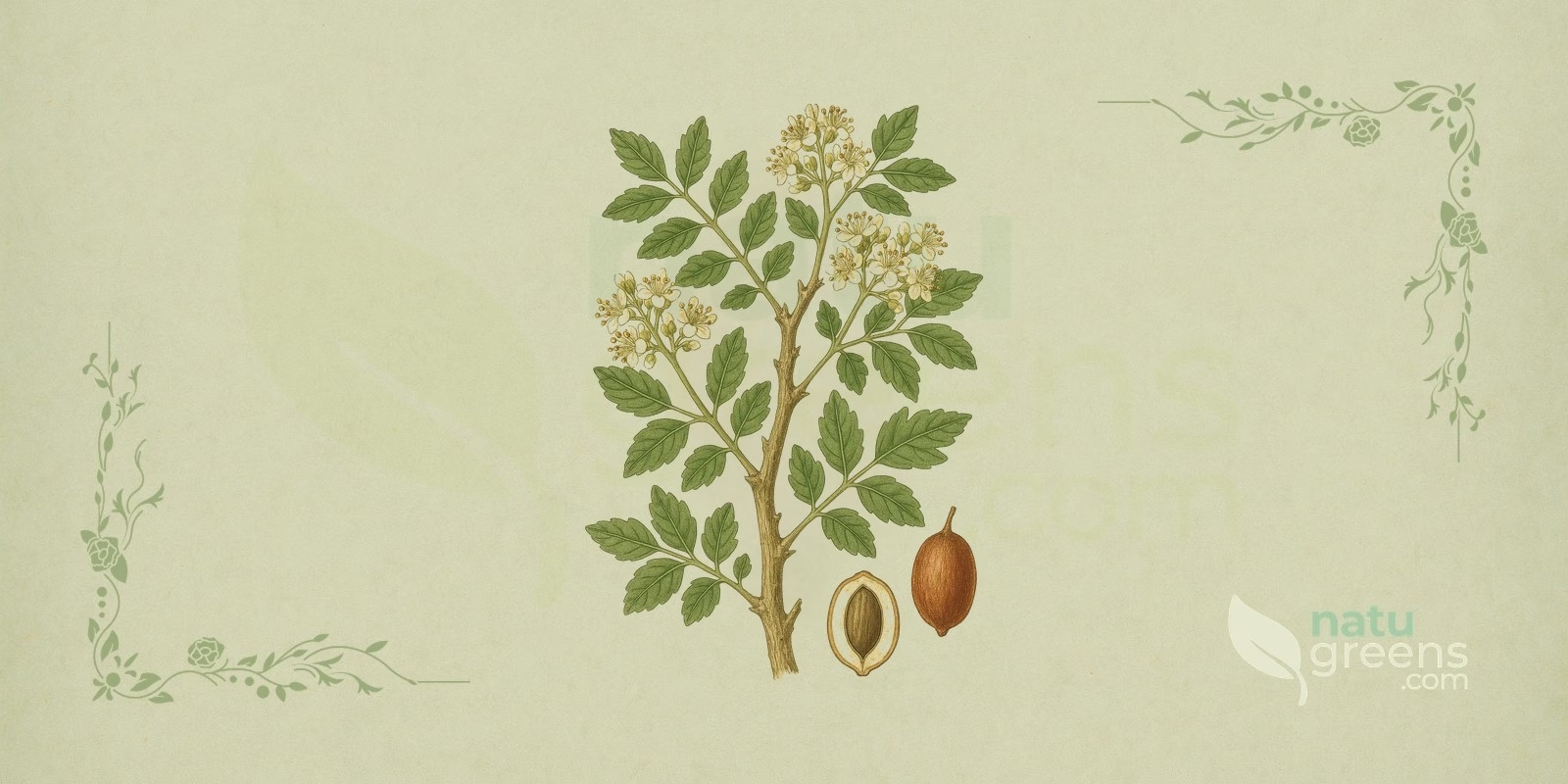
Commiphora erythraea, known as Abyssinian myrrh or opoponax, is a resinous tree of the Burseraceae family, native to the arid regions of northeastern Africa and the Arabian Peninsula. It has been prized for thousands of years for the aromatic resin that exudes from its bark. The genus Commiphora holds a prominent place in systems such as traditional Chinese medicine, Ayurveda and traditional Arabic medicine. The resin of this species appears in folk records linked to trauma, inflammation, gastrointestinal discomfort and infections, uses handed down by tradition without any clinical validation behind them. Its phytochemical composition, rich in terpenoids and furanosesquiterpenoids, has been studied in the laboratory, where extracts and isolated compounds showed anti-inflammatory, antioxidant and antimicrobial activity. These results are of interest to modern research, but they do not yet translate into indications for use in people.
Popular and International Names of Abyssinian Myrrh
- English: Abyssinian Myrrh, Opoponax, Sweet Myrrh.
- French: Myrrhe d’Abyssinie, Opoponax.
- German: Abessinische Myrrhe, Opoponax.
- Italian: Mirra Abissina, Opoponaco.
- Portuguese: Mirra da Abissínia, Mirra Doce, Opoponax (BR); Mirra da Abissínia (PT).
- Spanish: Mirra Abisinia, Opopónaco.
The name opoponax, found in almost every language, comes from the perfume trade and is not exclusive to this species, as explained further on in the historical notes. For this reason, the binomial is the safest way to identify the resin.
Botanical Synonyms of Commiphora erythraea
The accepted botanical name for this species is Commiphora erythraea (Ehrenb.) Engl. The abbreviation in parentheses indicates that the epithet was first published by Ehrenberg and later transferred by Engler to the genus Commiphora. Over time, the taxonomy of the genus has accumulated conflicting names, and the distinction between the species that yield myrrh and those that yield opoponax is often muddled in older literature. As a result, some binomials are cited as synonyms even though this equivalence does not hold up in current classifications:
- Commiphora kataf (Forssk.) Engl.: a name associated with opoponax in older works, whose equivalence with C. erythraea is not a matter of consensus.
- Commiphora opobalsamum (L.) Engl.: mistakenly cited as a synonym, it refers to balm of Gilead, now classified as Commiphora gileadensis.
When in doubt, it is worth checking the binomial against up-to-date taxonomic databases before comparing studies or products, because the same trade name may correspond to different species of the genus.
Botanical Family: Burseraceae
Commiphora erythraea belongs to the Burseraceae family, known as the frankincense and myrrh family. The group brings together resinous trees and shrubs that predominate in the tropical and subtropical regions of Africa, Asia and the Americas. The species in this flowering plant family are characterized by the production of aromatic resins, such as myrrh and frankincense, widely used in perfumery, traditional medicine and religious rituals. The presence of resin canals in the bark and wood is a distinctive trait of the group and lies at the root of its economic and medicinal importance.
Parts of Abyssinian Myrrh Used
- Resin (gum resin)
The part used is the gum resin that oozes from the bark when the trunk is wounded and hardens on contact with the air, after which it is collected in pieces. Distillation of this resin yields the essential oil used in perfumery and aromatherapy, while tinctures, extracts and ointments are prepared from the raw material.
Ethnobotanical and Traditional Uses
The uses below belong to the traditional record of peoples in the region of origin and of systems that employ resins of the genus, and none of them has been confirmed by clinical trials with this species:
- Antiparasitic in animals, to protect cattle against ticks (traditional use)
- Antiseptic and topical healing agent for wounds and mouth ulcers (traditional use)
- Carminative, for stomach discomfort and gas (traditional use)
- Expectorant (traditional use)
- Fractures and trauma, applied externally (traditional use, without clinical validation)
- Microbial infections (traditional use; antimicrobial activity has only been observed in the laboratory)
- Pain and inflammation relief (traditional use)
- Uterine stimulant (traditional use that underlies the need for caution in pregnancy)
Therapeutic Properties of Abyssinian Myrrh
- Analgesic (pain relief described in traditional use, with no clinical trials on this species)
- Anti-inflammatory (furanosesquiterpenoids from the resin with activity observed in experimental studies)
- Antimicrobial (antifungal activity observed in laboratory assays; antibacterial action cited in studies of the genus)
- Antioxidant (protection of cells against oxidative damage in laboratory studies)
- Antiparasitic (tick repellency in traditional use and larvicidal action of the essential oil on mosquitoes in the laboratory)
- Antiseptic (traditional use on wounds and in oral hygiene)
- Antiviral (furanosesquiterpenes with activity observed only in laboratory assays)
- Neuroprotective (attenuation of neuroinflammation observed in cells, in the laboratory, without clinical evidence)
All of these activities have been described in cells, in experimental models or in traditional use, and they do not justify using the resin as a treatment for disease. Nor are there studies with this species that support the antitumor activity attributed to it by some popular sources.
Detailed Phytochemical Profile of Abyssinian Myrrh
- Diterpenoids
- Furanosesquiterpenoids (e.g., furanodienone and furanodien-6-one)
- Monoterpenoids
- Sesquiterpenoids, including cadinane-type ones (e.g., agarsenone)
- Steroids
- Triterpenoids
- Volatile essential oils
The resin of C. erythraea has been studied mainly by Italian research groups, who described the composition of the essential oil and isolated furanosesquiterpenoids with anti-inflammatory, antioxidant and antifungal activity in laboratory assays. The same body of work also produced agarsenone, a cadinane-type sesquiterpenoid identified in the resin in 2013. Another compound, furanodien-6-one, attenuated inflammatory signaling linked to neuroinflammation in cell cultures, and furanosesquiterpenes from the resin showed antiviral activity in in vitro tests. These findings help explain the scientific interest in the species, but they describe isolated effects in the laboratory, with no data on efficacy or safety in people.
Preparation and Administration Forms of Abyssinian Myrrh
- Essential oil, always diluted for topical use or in a diffuser
- Extracts
- Incense, burning the resin for fumigation
- Ointments and salves
- Tinctures, especially in mouthwashes
Given the scarcity of safety data on ingestion of this species, the forms of administration most consistent with the traditional record are external ones, such as mouthwashes without swallowing, compresses, ointments and inhalations. Any internal use of tinctures or extracts, on the other hand, depends on professional guidance. The essential oil is highly concentrated and should not be applied neat to the skin or swallowed.
Synergy with Other Medicinal Plants
Traditional and Modern Combinations
Because of the antimicrobial and anti-inflammatory activities observed in the laboratory, Abyssinian myrrh appears in traditional records alongside other medicinal plants, in combinations meant to bring their actions together. The pairing with frankincense (Boswellia sacra and other species of the genus) is a classic in Middle Eastern traditions and in traditional Chinese medicine, where the two resins are traditionally used for pain and inflammation. This record, however, refers mainly to true myrrh (Commiphora myrrha), so applying it to C. erythraea is an extrapolation within the genus. The pairing often appears in external preparations for oral hygiene and in traditional formulas for chronic inflammatory conditions. Combinations with calming or digestive herbs also feature in traditional formulas for internal use. As safety data on ingestion of this species are lacking, these blends should only be considered with professional guidance.
Recipes and Usage Protocols of Abyssinian Myrrh
Mouthwash for Oral Health
A preparation traditionally used for mouth ulcers, sensitive gums and sore throat, based on the antiseptic record of myrrh tincture used locally, without swallowing.
Ingredients: 5 to 10 drops of Commiphora erythraea tincture and 1 glass of warm water.
Preparation: Add the drops of tincture to the warm water and mix well. Use the solution to rinse and gargle for 30 seconds to 1 minute, 2 to 3 times a day, then spit it out without swallowing. In the traditional record, this rinse is used for mouth ulcers, gingivitis, sore throat and other oral infections, owing to the antiseptic and anti-inflammatory properties attributed to myrrh; if symptoms persist, see a dentist or doctor.
Compress for Skin Irritation
An external application traditionally used for mild skin irritation and inflammation, always with the essential oil diluted in a carrier oil.
Ingredients: 6 to 9 drops of Commiphora erythraea essential oil and 30 ml of carrier oil, such as sweet almond or jojoba.
Preparation: Dilute the essential oil in the carrier oil and, before the first use, test a small amount on the inside of the forearm for 24 hours, since topical use may cause contact dermatitis in sensitive skin. If there is no reaction, soak a clean cloth or gauze in the mixture and apply it to the area for 15 to 20 minutes, twice a day, avoiding open, deep or infected wounds. In tradition, the compress is used for local inflammation and skin irritation and is also applied around small healing wounds.
Steam Inhalation for the Airways
A steam inhalation traditionally used for nasal congestion and cough, drawing on the expectorant record attributed to myrrh resins.
Ingredients: 3 to 5 drops of Commiphora erythraea essential oil and 1 bowl of hot water.
Preparation: Add the drops of essential oil to hot but not boiling water, cover your head with a towel and inhale the steam for 5 to 10 minutes with your eyes closed. According to traditional use, the method may ease nasal congestion, cough and other symptoms of respiratory infections, owing to the expectorant and antimicrobial properties attributed to myrrh. People with asthma and young children should not use essential oil inhalations without guidance, and fever, shortness of breath or a persistent cough call for medical assessment.
Tincture in Traditional Digestive Use
Tradition uses tinctures of resins from the genus Commiphora before meals for digestive discomfort, such as stomach cramps and gas, based on the plant’s carminative record.
Ingredients: Commiphora erythraea tincture, commercial or prepared by a qualified professional.
Preparation: Since this is an internal use, the amount, the dilution in water and the duration should not be decided on your own, because safety data on ingestion of this specific species are lacking. Consult a health professional before any use, especially in case of diabetes, anticoagulant use, pregnancy or breastfeeding. In the traditional record, the tincture is associated with supporting digestion, easing stomach cramps and reducing flatulence, owing to the carminative properties attributed to the resin.
The preparations above follow traditional records and do not replace professional guidance. Before any internal use, check the contraindications and interactions described in this article.
Associated Therapies
Aromatherapy
Commiphora erythraea essential oil is valued in aromatherapy for its warm, balsamic and slightly spicy scent, which the practice uses to encourage relaxation, ease stress and anxiety and create an atmosphere conducive to meditation and mental clarity. These effects, however, have not been measured in clinical studies. In the same tradition, inhaling the oil from a diffuser or in steam is used as respiratory support, always with the precautions described in the recipes.
Herbal Medicine
In traditional herbal medicine, the resin of Commiphora erythraea goes into extracts, tinctures and ointments intended for inflammatory, infectious and digestive conditions, based on the anti-inflammatory, antiseptic and wound-healing properties attributed to it. External use is the most consistent with the available data, while internal use, also mentioned in this practice, requires professional guidance given the scarcity of safety data on ingestion of this species.
Traditional Chinese Medicine (TCM)
In TCM, myrrh (mò yào) is used to invigorate the blood, dispel stasis, relieve pain and promote wound healing. It is usually combined with other herbs in formulas traditionally aimed at trauma, rheumatic pain, dysmenorrhea and inflammation. This record refers mainly to true myrrh (Commiphora myrrha) and closely related species, so Commiphora erythraea, as part of the same genus, shares these uses only by analogy. The use linked to dysmenorrhea, incidentally, reinforces the need for caution in pregnancy.
Contraindications and Side Effects of Abyssinian Myrrh
Contraindications
The main recommendation is to avoid internal use without professional guidance, given the scarcity of safety data on ingestion of this specific species. Topical use may cause contact dermatitis in sensitive skin, which is why the essential oil should always be diluted and first tested on a small area of skin. By the same precautionary principle, the rule is not to use it during pregnancy and breastfeeding without medical advice, because of the traditional use of related resins (myrrh) as a uterine stimulant. Conclusive studies on the safety of the species in these groups are also lacking. Caution is also needed in diabetes if there is internal use, because of traditional reports of a hypoglycemic effect in resins of the genus Commiphora, since combining them with hypoglycemic medications may lower blood glucose more than expected.
People with severe liver or kidney disease should avoid use, because the plant’s components may be metabolized and excreted by these organs. Anyone with known hypersensitivity to any component of the plant should refrain from using it. In children, any preparation, including essential oil inhalations, should only be used under a pediatrician’s guidance.
Drug Interactions
There is a case report in which the use of Commiphora molmol, a related myrrh, reduced the anticoagulant effect of warfarin. For this reason, people taking anticoagulants should avoid internal use of Abyssinian myrrh without medical supervision. Because of the possible additive effect on blood glucose, the same applies to those taking hypoglycemic medications. As there are no interaction studies with this species, it is advisable to tell your doctor about any use of resins of the genus when you are on ongoing treatment with other drugs.
Side Effects
In high doses, Abyssinian myrrh may cause gastrointestinal upset, such as nausea, vomiting and diarrhea. Allergic skin reactions, such as rashes, itching and contact dermatitis, may occur in sensitive people, especially with insufficiently diluted essential oil. Prolonged use or excessive doses may lead to liver or kidney toxicity in isolated cases. As there are no established safe doses for ingestion of this species, any adverse reaction should lead to stopping use and seeking medical advice.
Historical Notes and Interesting Facts
Myrrh in Antiquity
Myrrh, including the resin of species such as Commiphora erythraea, has a rich history going back thousands of years, although ancient sources do not always reveal which species each resin came from. According to Christian tradition, it was one of the gifts offered by the Three Wise Men to the infant Jesus, often interpreted as a symbol of mortality and of its use in embalming. In ancient Egypt, myrrh was used in religious rituals, in cosmetics and in the mummification process, thanks to its antiseptic and preservative properties. Its importance extended across many civilizations, which regarded it as a valuable commodity and an essential ingredient in ointments and perfumes.
Opoponax, the Sweet Myrrh
Commiphora erythraea is often associated with opoponax, also known as “sweet myrrh”, a name derived from its softer, sweeter scent compared with true myrrh (Commiphora myrrha), which has a more bitter, medicinal odor. Opoponax has been used for centuries in luxury perfumery, where it adds a balsamic, warm and resinous note to sophisticated fragrances. In the trade, however, the name is not exclusive to this species, and some studies refer to the resin of Commiphora guidottii as opoponax. In addition, Opopanax is also the name of a genus in the Apiaceae family, with species such as Opopanax chironium, which calls for attention to the binomial on labels and in scientific articles.
Traditional Use in Cattle and Mosquito Research
In its native region, the resin has a traditional record as protection for cattle against ticks. Interest in its action on arthropods resurfaced in modern research, when the essential oil of C. erythraea and emulsions prepared with it were tested in the laboratory against the larvae of three mosquito species, showing insecticidal activity. These are bench results aimed at insect control, and they do not indicate use of the oil as a repellent on people.
Frequently Asked Questions about Abyssinian Myrrh
Can Abyssinian Myrrh Be Used Internally on a Daily Basis?
Daily consumption of Abyssinian myrrh, whether as tea, tincture or extract, is not recommended without professional supervision. The guidance is to avoid internal use without professional guidance, given the scarcity of safety data on ingestion of this specific species, combined with the potential for side effects and drug interactions. Before starting regular use of any medicinal plant, consult a health professional.
What Is the Difference between Abyssinian Myrrh and True Myrrh?
The main difference lies in the species of origin and the aromatic profile. Abyssinian myrrh (Commiphora erythraea) has a sweeter, more balsamic scent, while true myrrh (Commiphora myrrha) has a more bitter, medicinal odor. Although the two share similar traditional uses, their chemical compositions vary, which influences the specific uses of each one and means that data from one species cannot automatically be transferred to the other.
Can I Apply Abyssinian Myrrh Essential Oil Directly to the Skin?
No, because Commiphora erythraea essential oil is highly concentrated and must always be diluted in a carrier oil, such as sweet almond or coconut oil, before topical application. Direct application can cause irritation, redness and allergic reactions. Even when diluted, the oil may cause contact dermatitis in sensitive skin, which makes a test on a small area prudent. The dilution generally recommended is 2 to 3 drops of essential oil per 10 ml of carrier oil.
Can Abyssinian Myrrh Be Used during Pregnancy or Breastfeeding?
The recommendation is not to use it during pregnancy and breastfeeding without medical advice, because of the traditional use of related resins (myrrh) as a uterine stimulant. As conclusive studies on the safety of this species during these periods are also lacking, pregnant and breastfeeding women should talk to their doctor before using any preparation, including those for external use and essential oils.
Do People with Diabetes or on Anticoagulants Need to Be Careful with Abyssinian Myrrh?
Yes, because caution is recommended in diabetes if there is internal use, given traditional reports of a hypoglycemic effect in resins of the genus Commiphora, which may add to the effect of blood glucose medications. As for anticoagulants, there is a case report in which a related myrrh (Commiphora molmol) reduced the effect of warfarin, so internal use should only take place under medical supervision.
Are Opoponax and Abyssinian Myrrh the Same Thing?
Not always, because opoponax is a trade name applied to the resin of Commiphora erythraea but also to other species, such as Commiphora guidottii. In addition, Opopanax is a plant genus of the Apiaceae family, unrelated to myrrh, so it is worth checking the binomial on the label before buying resin or essential oil.
Notice: this content is for informational purposes and does not replace professional medical advice. Consult a physician or herbal practitioner before using medicinal plants, especially during pregnancy, breastfeeding, or alongside medication.
References and Scientific Studies
View All 11 Cited References
- PMC2005 Al Faraj S. Antagonism of the anticoagulant effect of warfarin caused by the use of Commiphora molmol as a herbal medication: a case report. Ann Trop Med Parasitol. 2005.
- PMC2023 Batiha GE, et al. Commiphora myrrh: a phytochemical and pharmacological update. Naunyn Schmiedebergs Arch Pharmacol. 2023.
- PMC2013 Bellezza I, et al. Furanodien-6-one from Commiphora erythraea inhibits the NF-κB signalling and attenuates LPS-induced neuroinflammation. Mol Immunol. 2013.
- PMC2012 Cenci E, et al. Antiviral furanosesquiterpenes from Commiphora erythraea. Nat Prod Commun. 2012.
- PMC2011 Fraternale D, et al. Anti-inflammatory, antioxidant and antifungal furanosesquiterpenoids isolated from Commiphora erythraea (Ehrenb.) Engl. resin. Fitoterapia. 2011.
- PMC2009 Marcotullio MC, et al. Chemical composition of the essential oil of Commiphora erythraea. Nat Prod Commun. 2009.
- PMC2011 Marcotullio MC, et al. Protective effects of Commiphora erythraea resin constituents against cellular oxidative damage. Molecules. 2011.
- PMC2020 Muturi EJ, et al. Insecticidal Activity of Commiphora erythraea Essential Oil and Its Emulsions Against Larvae of Three Mosquito Species. J Med Entomol. 2020.
- PMC2013 Santoro S, et al. Agarsenone, a Cadinane Sesquiterpenoid from Commiphora erythraea. J Nat Prod. 2013.
- PMC2024 Yang Y, et al. The Genus Commiphora: An Overview of Its Traditional Uses, Phytochemistry, Pharmacology, and Quality Control. Pharmaceuticals (Basel). 2024.
- PMC2016 Yeo SK, et al. β-Bisabolene, a Sesquiterpene from the Essential Oil Extract of Opoponax (Commiphora guidottii), Exhibits Cytotoxicity in Breast Cancer Cell Lines. Phytother Res. 2016.