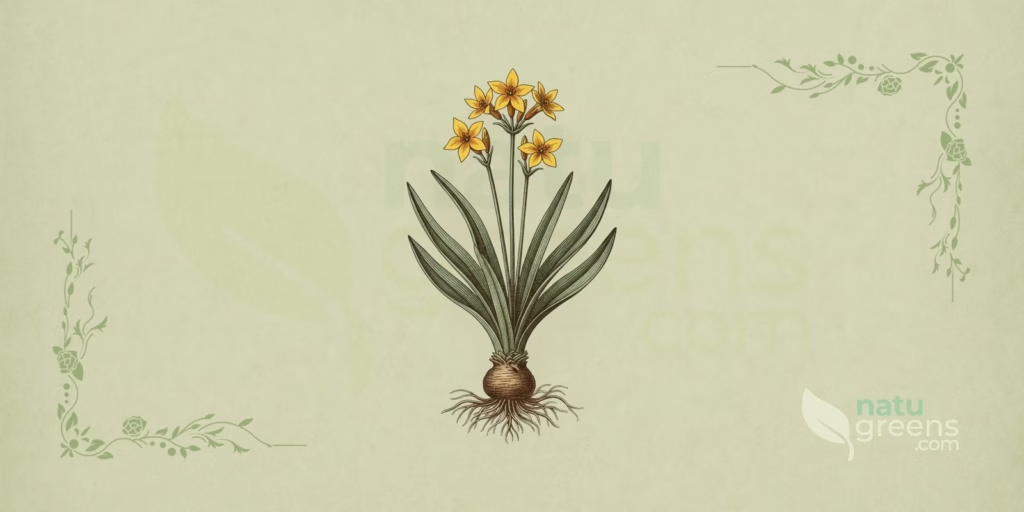
Turnera diffusa Willd. ex Schult. / Damiana, popularly known as damiana, is a shrub native to Central America, Mexico, South America, and the Caribbean. This plant, belonging to the Passifloraceae family, is recognized for its small, aromatic flowers, which bloom from early to late summer, and for its fig-like fruits. Damiana has been used for centuries in traditional medicine by various indigenous cultures, which employed it mainly for its aphrodisiac and tonic properties, as well as in teas and liqueurs.

In herbal tradition, damiana holds a prominent place as a natural stimulant and an aid to overall well-being. Its applications range from treating digestive disorders to relieving anxiety and insomnia. The plant is valued for its rich phytochemical composition, which includes flavonoids and terpenoids, responsible for its therapeutic properties. Modern scientific research has begun to validate many of damiana’s traditional uses, consolidating its position as a medicinal plant of growing interest worldwide.
Popular and International Names of Damiana
- English: damiana, Mexican damiana, old woman’s broom, oreganillo.
- Spanish: damiana, hierba de la pastora, hierba del venado, pastorcita, té de México.
- Portuguese: chá-do-méxico, damiana, erva-da-pastora, erva-do-veado, pastorcita, turnera.
- French: damiana, herbe de la bergère.
- Italian: damiana, erba della pastora.
- German: Damiana, Mexikanischer Damiana.
Botanical Synonyms of Turnera diffusa
Turnera aphrodisiaca Ward is the botanical synonym most frequently associated with Turnera diffusa in the literature and the herbal trade. Although some sources list Turnera aphrodisiaca as a separate species or a variety, most botanical authorities and herbal practice treat them as the same plant for medicinal purposes. Other synonyms include Turnera diffusa var. aphrodisiaca (G.H.Ward) Urb., Bohadschia humifusa C.Presl, Bohadschia microphylla Griseb., and Triacis microphylla (Desv.) Griseb.
Botanical Family: Passifloraceae
Turnera diffusa belongs to the Passifloraceae family, which includes about 18 genera and more than 900 species, distributed mainly across tropical and subtropical regions. Damiana was previously classified in the Turneraceae family, now considered a subfamily (Turneroideae) within Passifloraceae under modern phylogenetic classification systems. This family is known for its plants with showy flowers and for producing edible fruits, such as passion fruit (Passiflora edulis). Many Passifloraceae species are valued for their medicinal properties, especially their sedative and anxiolytic effects, due to the presence of alkaloids and flavonoids.
Damiana shares morphological traits typical of the family, including flowers with five petals and distinct reproductive structures. The Passifloraceae family is rich in bioactive compounds, such as flavonoids, cyanogenic glycosides, and alkaloids, which give many of its species their therapeutic properties. The chemical diversity of this family has been the subject of intense pharmacological research, contributing to the development of phytopharmaceuticals and dietary supplements.
Parts of Damiana Used
- Leaves
- Stems
Ethnobotanical and Traditional Uses
- Aphrodisiac (traditional use to stimulate libido and sexual potency)
- Bladder and urinary problems
- Constipation relief
- Cough relief
- Digestive disorders and indigestion
- Intestinal cramps and flatulence relief
- Menopause and PMS symptoms
- Mild anxiety and depression relief
- Sleep disorders
Therapeutic Properties of Damiana
- Analgesic (traditional use to relieve pain)
- Anti-inflammatory (studied effect in reducing inflammation)
- Antioxidant (studied activity against free radicals)
- Antispasmodic (traditional use to relieve muscle spasms)
- Anxiolytic (studied effect in reducing anxiety)
- Aphrodisiac (studied effect on desire and sexual function)
- Diuretic (studied effect on urine production)
- Expectorant (helps expel mucus)
- Hypoglycemic (studied effect in reducing blood sugar levels)
- Laxative (studied effect on bowel movement)
- Tonic (revitalizes the body)
Detailed Phytochemical Profile of Damiana
- Acacetin
- Alpha-pinene
- Apigenin
- Arbutin
- Beta-carotene
- Beta-pinene
- Beta-sitosterol
- Caffeine (in some Turnera species)
- Cineole (1,8-cineole)
- Cyanogenic glycosides (tetraphyllin B)
- Cymene
- Damianin
- Essential oils
- Fatty acids
- Ficaprenol-11
- Flavonoids
- Gonzalitosin I
- Hexacosanol
- Maltol glucoside
- Monoterpenoids
- Resins
- Sesquiterpenoids
- Tannins
- Terpenoids
- Thymol
- Tricosan-2-one
- Triterpenoids
Preparation and Administration Forms of Damiana
- Capsules
- Infusion (tea)
- Liqueurs
- Tincture
Synergy with Other Medicinal Plants
Anxiety and Nervousness
In herbal tradition, damiana is combined with passionflower (Passiflora incarnata) and skullcap (Scutellaria lateriflora) to reinforce its traditional use for anxiety and mild sleep disturbances, always as a record of traditional practice rather than a proven treatment for nervous system disorders. In this combination, damiana contributes compounds that act on the central nervous system, while passionflower and skullcap add to the relaxing effect, favoring a sense of calm; because it brings together plants with sedative action, however, this combination should be avoided alongside sedative medications without medical guidance.
General Well-Being and Tonic Effect
For a tonic and general well-being effect, damiana can traditionally be combined with plants such as sage (Salvia officinalis), rosemary (Rosmarinus officinalis), lavender (Lavandula angustifolia), and thyme (Thymus vulgaris). Besides sharing similar growing conditions, these species complement damiana’s properties, resulting in a richer aromatic profile. This combination is often used in teas or preparations aimed, in herbal tradition, at supporting vitality and the body’s overall balance.
Recipes and Usage Protocols of Damiana
Infusion for Libido Enhancement
Ingredients: 1 to 2 teaspoons of dried damiana leaves, 250 ml of boiling water.
Preparation: Add the damiana leaves to the boiling water, cover, and let steep for 10 to 15 minutes, then strain and drink. Traditional use is 1 to 2 cups per day, which may be taken before moments of intimacy as part of the popular custom linked to sexual desire and vitality, always observing the contraindications described in this article, such as pregnancy, breastfeeding, and use of hypoglycemic or sedative medications. This infusion represents a traditional way of taking advantage of the aphrodisiac properties attributed to the plant.
Tincture for Anxiety Relief
Ingredients: 50 g of dried damiana leaves, 250 ml of 70% grain alcohol.
Preparation: Place the damiana leaves in a dark glass container and cover with the alcohol. Seal well and let macerate for 2 to 4 weeks in a cool, dark place, shaking daily. Strain and store the tincture in a dropper bottle. Traditional use is in small amounts diluted in water, adjusted according to individual tolerance and always guided by a healthcare professional, since the tincture is a concentrated form that delivers damiana’s active compounds quickly and may interact with sedative or hypoglycemic medications.
The preparations above follow traditional records and do not replace professional guidance. Before any internal use, check the contraindications and interactions described in this article.
Associated Therapies
Phytotherapy
In modern phytotherapy, damiana is valued for its adaptogenic and tonic properties, traditionally used to support the balance of body and mind. It is frequently indicated, in traditional use, for addressing fatigue, chronic stress, and hormonal imbalances, especially those related to sexual and reproductive health, although scientific evidence for these uses remains limited. Standardized damiana extracts are used to ensure greater precision in dosing active compounds, such as flavonoids and terpenoids, contributing to the standardization of the herbal product. Clinical phytotherapy uses damiana as an adjuvant in protocols aimed at supporting sexual function, relieving symptoms associated with menopause, and reducing mild to moderate anxiety, always under professional supervision and never as a substitute for medical treatment.
Contraindications and Side Effects of Damiana
General Contraindications
Damiana is contraindicated for individuals with a known allergy to plants in the Passifloraceae family. Pregnant or breastfeeding women should avoid consuming damiana due to the lack of conclusive studies on its safety under these conditions. People with severe liver problems should also refrain from using it. Because of its potential to affect blood sugar levels, diabetics should use damiana with caution and under medical supervision, closely monitoring blood glucose. It is advisable to discontinue damiana use at least 2 weeks before any scheduled surgery, due to possible interference with glycemic control.
Common Side Effects
Side effects of damiana are generally rare and mild when used at recommended doses. In some cases, nausea, gastrointestinal discomfort, or mild allergic reactions, such as skin rashes, may occur in sensitive individuals. Consuming very high doses (above 200 g) can lead to more serious effects, including hallucinations, seizures, and other neurological disturbances. It is essential to follow the indicated dosages to avoid such adverse reactions.
Drug Interactions
Damiana may interact with various medications. Because of its potential hypoglycemic effect, it can potentiate the effects of diabetes medications, leading to an excessive drop in blood sugar levels. Combining it with sedatives, such as benzodiazepines, may increase drowsiness and central nervous system depression. Although there is no clear evidence of interaction with anticoagulants, the presence of coumarins in some Turnera species suggests caution in patients using these medications. Always consult a healthcare professional before combining damiana with any medication.
Historical Notes and Interesting Facts
History and Folklore
Damiana has a rich history of use across various cultures. The Aztecs used it as a remedy for impotence, while the Maya used it for recreational and pleasure purposes. Spanish missionaries were the first to record Mexican Indigenous peoples drinking damiana tea mixed with sugar to increase sexual potency. In Mexican folklore, some claim that damiana was an ingredient in the “original margarita.” Interestingly, damiana liqueur bottles are often shaped like a pregnant woman, a reference to its supposed aphrodisiac effect and to fertility.
Botanical Confusion
There is notable commercial confusion between Turnera diffusa and Turnera ulmifolia, often sold as “false damiana.” Although they are related species, Turnera ulmifolia has different chemical properties and uses. This misidentification is more common in the horticultural trade than in commercial herbal products, where most constituents can be traced back to Turnera diffusa. T. diffusa is characterized by woody stems and small, grayish-green leaves, while T. ulmifolia has herbaceous stems and larger, bluish-green, strongly toothed leaves.
Frequently Asked Questions about Damiana
Is Damiana Safe for Daily Consumption?
Yes, damiana is generally considered safe for daily consumption in moderate doses, such as 1 to 2 cups of infusion per day. However, it is crucial for individuals with pre-existing medical conditions, such as diabetes or liver problems, or those taking medications, to consult a healthcare professional before starting regular use. Pregnant or breastfeeding women should avoid consumption.
Does Damiana Really Increase Libido?
Traditionally, damiana is widely known for its aphrodisiac properties and has been used to increase libido and sexual potency. While modern scientific research is still deepening its understanding of its mechanisms of action, animal studies and anecdotal evidence suggest that damiana may have a positive effect on sexual function. Its active compounds may influence the nervous and hormonal systems, contributing to increased desire and performance.
What Are the Main Benefits of Damiana?
The main benefits of damiana include increased libido, relief from mild anxiety and depression, improved digestion, and treatment of urinary problems. The plant is also valued for its tonic and adaptogenic properties, which help the body cope with stress and restore overall balance. In addition, damiana has antioxidant and anti-inflammatory effects, contributing to overall health.
Can Damiana Cause Side Effects?
When used at recommended doses, damiana’s side effects are rare and generally mild, and may include nausea or gastrointestinal discomfort. However, very high doses (above 200 g) can cause serious adverse effects, such as hallucinations and seizures. It is important to be aware of contraindications, such as pregnancy, breastfeeding, liver problems, and diabetes, and always consult a healthcare professional before using the plant, especially if taking other medications.
How Should I Prepare Damiana Tea?
To prepare damiana tea, add 1 to 2 teaspoons of the plant’s dried leaves to 250 ml of boiling water. Cover the cup and let steep for 10 to 15 minutes. After this time, strain, and the tea is ready to drink. You can drink 1 to 2 cups per day. Avoid boiling the leaves directly, as this can degrade some of their volatile compounds and reduce effectiveness.
Notice: this content is for informational purposes and does not replace professional medical advice. Consult a physician or herbal practitioner before using medicinal plants, especially during pregnancy, breastfeeding, or alongside medication.
References and Scientific Studies
Peer-Reviewed Scientific Studies (2)
- PMC2009 Estrada-Reyes, R., et al. Turnera diffusa Wild (Turneraceae) recovers sexual behavior in sexually sluggish male rats. Journal of Ethnopharmacology. 2009.
- PMC2014 Szewczyk, K., & Zidorn, C. Ethnobotany, phytochemistry, and bioactivity of the genus Turnera (Passifloraceae) with a focus on damiana, Turnera diffusa. Journal of Ethnopharmacology. 2014.
Supplementary Readings (1)
- 2025 POWO. Turnera diffusa Willd. ex Schult. Accessed October 14, 2025.