Cucurbita pepo L. / Pumpkin, popularly known as pumpkin, squash, or zucchini, is a cultivated plant of the genus Cucurbita. Native to the Americas, where it was domesticated thousands of years ago, this species has spread globally. Its use ranges from food to traditional medicine, valued for its therapeutic and nutritional properties.
Cucurbita pepo is an annual, robust, versatile plant that adapts to many climates. Its varieties are vast, including winter squashes, summer squashes, and zucchini. The phytochemical richness of the pumpkin, present in the pulp, seeds, and rind, gives it an important role in herbal medicine. Compounds such as carotenoids, flavonoids, and phenolic acids contribute to its health benefits.
Popular and International Names of the Pumpkin
- English: pumpkin, squash, zucchini, courgette.
- Spanish: calabaza, calabacín, zapallo, auyama.
- Portuguese: abobrinha, abóbora-menina (Brazil); aboboreira-porqueira, abóbora-moganga (Portugal).
- French: citrouille, courge, courgette.
- Italian: zucca, zucchina.
- German: Echter Kürbis, Gartenkürbis, Zucchini.
Botanical Synonyms of the Pumpkin
The taxonomy of Cucurbita pepo is complex because of its vast morphological and geographic diversity. Although Cucurbita pepo L. is the accepted name, there are numerous heterotypic synonyms reflecting the variety of forms and cultivars. These include Citrullus variegatus Schrad. ex M.Roem., Cucumis pepo (L.) Dumort., Cucurbita aurantia Willd., Cucurbita melopepo L., and Cucurbita verrucosa L., among others. Understanding these synonyms is crucial for accurate identification of the species in botanical and pharmacological studies.
Botanical Family: Cucurbitaceae
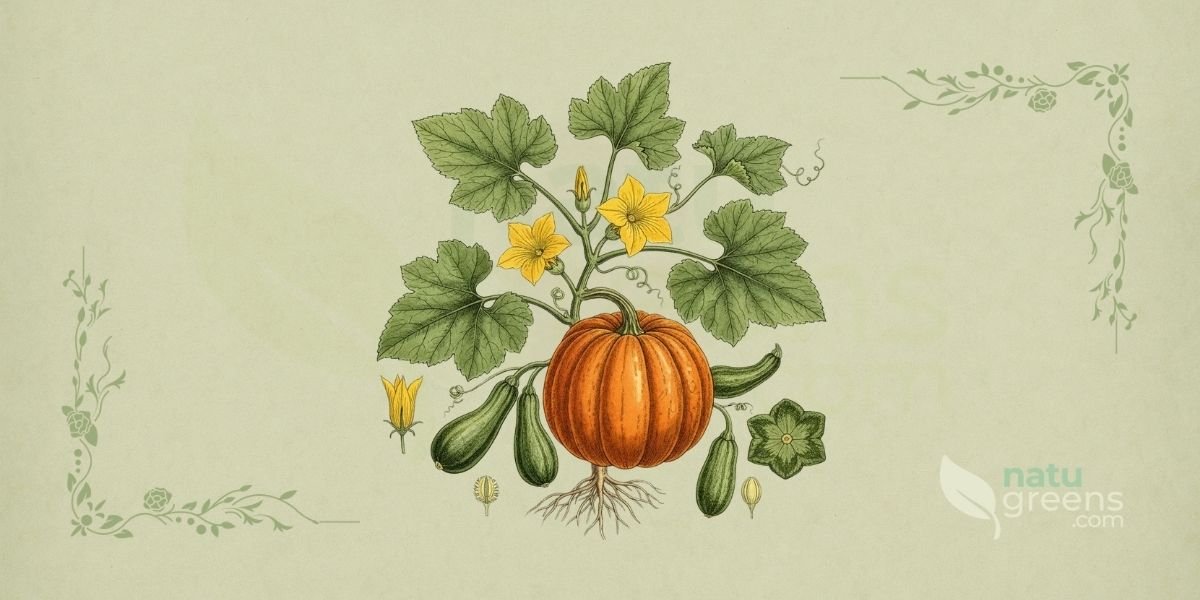
Detailed botanical illustration of Cucurbita pepo L., the pumpkin, an annual plant of the Cucurbitaceae family, native to the Americas and widely cultivated globally, showing the complete plant with dark green lobed leaves, vibrant yellow flowers, and several fruits at different stages of ripening, varying in shape and color, in 19th-century botanical encyclopedia style on a neutral background.
Cucurbita pepo belongs to the Cucurbitaceae family, a vast family of flowering plants that includes about 98 genera and more than 900 species. This family is known for producing large, fleshy fruits, such as melons, cucumbers, and pumpkins. The Cucurbitaceae are widely cultivated around the world for their economic and nutritional importance. Many species of this family are used in traditional medicine thanks to the presence of bioactive compounds with a variety of therapeutic properties.
Parts of the Pumpkin Used
- Flowers
- Fruit pulp
- Rind
- Seeds
Ethnobotanical and Traditional Uses of the Pumpkin
- Antiparasitic (especially for intestinal worms)
- Bladder irritation
- Diuretic
- Kidney infections
- Relief of intestinal inflammation
- Treatment of fever and whooping cough (in some African and Asian traditions)
- Urinary complaints associated with benign prostatic hyperplasia (male urinary symptoms require urological evaluation, since benign hyperplasia and prostate cancer produce similar complaints; the seed is only considered a symptomatic aid after diagnosis)
Therapeutic Properties of the Pumpkin
- Antibacterial (fights bacteria); traditional use, without established clinical efficacy
- Anticancer (extracts inhibited the growth of tumor cells in laboratory assays); traditional use, without established clinical efficacy
- Antihypertensive (helps lower blood pressure); traditional use, without established clinical efficacy
- Anti-inflammatory (reduces inflammation)
- Antioxidant (fights free radicals)
- Antiulcerative (protects against ulcers)
- Antiviral (fights viruses); traditional use, without established clinical efficacy
- Hepatoprotective (protects the liver); traditional use, without established clinical efficacy
- Hypoglycemic (helps control blood sugar levels); traditional use, without established clinical efficacy
- Immunomodulatory (modulates the immune system); traditional use, without established clinical efficacy
- Neuroprotective (protects the nervous system); traditional use, without established clinical efficacy
Detailed Phytochemical Profile of the Pumpkin
- Carbohydrates
- Carotenoids (beta-carotene, lutein, zeaxanthin)
- Cucurbitacins (bitter triterpenes, present in ornamental fruits and in spontaneous crosses, responsible for poisoning)
- Cucurbitin (amino acid characteristic of the seeds, linked to the traditional anthelmintic action)
- Delta-7-sterols
- Flavonoids (apigenin, astragalin, isoquercetin, kaempferol, luteolin, myricetin, quercetin, rutin)
- Minerals (calcium, copper, iron, magnesium, manganese, phosphorus, potassium, selenium, sodium, zinc)
- Oils (linoleic acid, oleic acid, palmitic acid, monounsaturated and polyunsaturated fatty acids)
- Phenolic acids (4-hydroxybenzoic, caffeic, chlorogenic, ferulic, gallic, p-coumaric, protocatechuic, sinapic, vanillic)
- Polysaccharides (pectin, alcohol-insoluble polysaccharides)
- Proteins
- Tocopherols (alpha-tocopherol, gamma-tocopherol)
- Tryptophan
- Vitamins (A, B1, B2, B3, B5, B6, B9, C, E, K)
Preparation and Administration Forms of the Pumpkin
- Decoction (pulp)
- Dry extract
- Fluid extract
- Fruit powder
- Infusion (flowers, seeds)
- Roasted seeds
- Seed oil
- Tincture
Synergy with Other Medicinal Plants
Prostate Health
The pumpkin, especially its seeds, is frequently combined with saw palmetto (Serenoa repens) to enhance the beneficial effects in benign prostatic hyperplasia (BPH). The phytosterols and fatty acids in pumpkin seeds act synergistically with saw palmetto’s compounds, helping reduce inflammation and improve urinary function. This combination is widely used in herbal supplements for men’s health.
Digestive Health
For digestive complaints, the pumpkin can be combined with plants such as chamomile (Matricaria chamomilla) or peppermint (Mentha × piperita). Pumpkin pulp, rich in fiber and mucilage, acts gently on the gastrointestinal tract, while the anti-inflammatory and antispasmodic properties of chamomile and peppermint complement the action, relieving cramps and flatulence. This synergy supports healthy digestion.
Antioxidant Support
The pumpkin, with its high content of carotenoids and tocopherols, can be combined with other antioxidant-rich plants, such as green tea (Camellia sinensis) or turmeric (Curcuma longa). This synergy amplifies the body’s capacity to fight oxidative stress, protecting cells from damage. The combination is particularly useful in diets aimed at promoting longevity and preventing chronic disease.
Recipes and Usage Protocols of the Pumpkin
Pulp Decoction for Intestinal Inflammation
Ingredients: 100 g of fresh pumpkin pulp, 500 ml of water.
Preparation: Cut the pulp into small cubes and add to the water. Bring to the boil and simmer for 15-20 minutes. Strain and drink the liquid warm. This decoction is traditionally used to relieve inflammation in the intestinal tract, providing a soothing, mucosa-protecting effect. It can be consumed twice a day.
Pumpkin Flower Infusion for Diuresis
Ingredients: 2 tablespoons of fresh pumpkin flowers (or 1 tablespoon of dried flowers), 250 ml of boiling water.
Preparation: Place the flowers in a cup and pour over the boiling water. Cover and steep for 10 minutes. Strain and drink. This infusion has mild diuretic properties, supporting fluid elimination and kidney health. Drinking 1 to 2 cups a day is recommended.
Pumpkin Seed Oil for Prostate Health
Ingredients: Cold-pressed pumpkin seed oil.
Preparation: Take 1 to 2 g a day, the equivalent of about 1 to 2 ml or of standardized capsules, the amount used in clinical trials with pumpkin seed oil. It can be added to salads or other cold dishes. This oil is rich in phytosterols and essential fatty acids and is widely used to support prostate health and urinary function. Choosing a good-quality, cold-pressed oil is important.
Raw Pumpkin Seeds in the Traditional Vermifuge Record
Ingredients: 200 to 400 g of raw seeds for an adult, ground with the green inner coat left on. This is the amount recorded in the tradition; smaller doses do not match the use described in the sources.
Preparation: Grind the seeds fresh, without hulling them, and eat the paste on an empty stomach, followed by a glass of water. Do not toast them: roasting degrades cucurbitin, the compound linked to this use. Pumpkin seeds have a long traditional record as a vermifuge. The effect described in the literature is temporary paralysis of the parasite, with no guaranteed elimination: tapeworm infection and other parasitoses require a stool test and a prescribed antiparasitic. The traditional record refers to adults: children, pregnant women, and breastfeeding women should not use this amount.
Associated Therapies
Clinical Phytotherapy
In clinical phytotherapy, the pumpkin is valued for its standardized extracts, especially those of the seeds, used in the treatment of benign prostatic hyperplasia (BPH) and urinary complaints. The extracts are formulated to guarantee the ideal concentration of phytosterols and fatty acids, which act to reduce inflammation and improve urinary flow. The pumpkin is also employed as an adjuvant in antioxidant and anti-inflammatory therapies, given its rich phytochemical composition.
Therapeutic Nutrition
The pumpkin is a standout functional food in therapeutic nutrition, incorporated into diets for several health conditions. Its wealth of vitamins, minerals, fiber, and antioxidants makes it ideal for antidiabetic and heart-healthy diets and for maintaining digestive health. The seeds, in particular, are recommended as a source of zinc and magnesium, essential for immune and hormonal function. Regular inclusion of pumpkin in the diet contributes to the prevention of chronic disease and general well-being.
Contraindications and Side Effects of the Pumpkin
General Contraindications
Cucurbita pepo is safe as a food, with one important exception: pumpkins and zucchini that taste bitter accumulate cucurbitacins and must be spat out and thrown away at once, because they cause vomiting, severe diarrhea, and hair loss. In addition, individuals with a known allergy to Cucurbitaceae plants should avoid it; although rare, allergic reactions can occur. Pregnant and breastfeeding women should consume pumpkin in moderation and, in the case of therapeutic use of concentrated extracts, should consult a health professional. Apart from bitter fruit, there are no significant contraindications for normal dietary consumption.
Common Side Effects
Side effects associated with pumpkin consumption are rare and usually mild. In some people, eating too many seeds can cause gastrointestinal discomfort, such as bloating or gas, because of their high fiber content. Pumpkin seed oil can, in isolated cases, cause allergic skin reactions in sensitive individuals when applied topically. Starting with small amounts to observe individual reaction is always advisable.
Drug Interactions
Because of its hypoglycemic properties, consuming pumpkin in large amounts or using concentrated extracts can potentiate the effects of antidiabetic medications, leading to hypoglycemia. Individuals taking diuretics should use pumpkin seeds with caution, since they also have a diuretic effect and can intensify fluid elimination. Monitoring and medical consultation are recommended when used alongside these classes of medication.
Interesting Facts about the Pumpkin
Origin and History
Cucurbita pepo is one of the oldest domesticated species, with archaeological evidence going back 8,000-10,000 years in southern Mexico. Its domestication occurred in two distinct events: one in Mexico and another in the eastern United States. It spread to Europe and the rest of the world after the arrival of the colonizers, in the context of the Columbian Exchange. Its adaptability and versatility contributed to its wide acceptance and global cultivation.
Variety and Morphology
The morphological diversity of Cucurbita pepo is remarkable, with cultivars varying dramatically in fruit shape, size, and color. It includes winter squashes, summer squashes (such as zucchini and courgette), and even ornamental gourds. The plants are typically trailing or bushy, with vibrant yellow flowers. This vast range of varieties has led to complex classifications and, at times, to erroneous identifications as separate species.
Non-Food Uses
Beyond its food and medicinal uses, Cucurbita pepo has served non-food purposes in several cultures. In Zuni culture, for example, gourds are turned into cups, ladles, and containers for keeping precious objects. They are also used in ceremonial dances, symbolizing fruitfulness, and as ceremonial rattles. A poultice of seeds and flowers was used to treat cactus scratches, demonstrating the plant’s cultural and practical versatility.
Frequently Asked Questions about the Pumpkin
Is Pumpkin Good for Digestion?
The pulp is rich in fiber, which adds bulk to the stool and helps regulate intestinal transit. That is the best established effect of the fruit as a food. The mucilage may also have a soothing action on the gastrointestinal mucosa, a point that comes mainly from traditional use and laboratory assays. Pumpkin therefore tends to sit well with people who have mild digestive discomfort, but it does not treat diagnosed intestinal inflammation, which calls for medical investigation. The seeds add fiber and nutrients to the picture.
What Are the Main Benefits of Pumpkin Seeds?
The seeds concentrate zinc, magnesium, phytosterols, and unsaturated fatty acids, and most of their nutritional value comes from there. For the prostate, the phytosterols are studied as a symptomatic aid in benign prostatic hyperplasia (BPH), always after diagnosis. Male urinary symptoms require urological evaluation, because benign hyperplasia and prostate cancer produce similar complaints. There is also a long traditional record of use as a vermifuge, which does not replace a stool test or a prescribed antiparasitic. The antioxidant and anti-inflammatory data, in turn, come largely from laboratory work.
Can Pumpkin Help Control Blood Sugar?
The available evidence is preclinical. In animal models of diabetes, the fruit powder lowered blood glucose and improved markers of kidney function, and compounds from the pulp and seeds were linked to a hypoglycemic effect in those assays. Clinical trials in humans are missing, however, so pumpkin cannot be presented as a way to control blood sugar. No food replaces the treatment and monitoring of diabetes. Anyone taking antidiabetic medication should talk to a doctor before greatly increasing intake, since the combined effect can favor hypoglycemia.
Are There Contraindications for Eating Pumpkin?
The most important contraindication lies not in the person but in the fruit. Pumpkins and zucchini that taste bitter accumulate cucurbitacins, must be spat out and thrown away at once, and cause vomiting, severe diarrhea, and hair loss. Apart from that case, anyone with a known allergy to Cucurbitaceae plants should avoid it, although such allergy is rare. Pregnant and breastfeeding women can keep pumpkin in the diet, but should consult a doctor before using concentrated extracts. Eating too many seeds causes gastrointestinal discomfort because of the high fiber content, and use alongside antidiabetics or diuretics calls for monitoring.
Notice: this content is for informational purposes and does not replace professional medical advice. Consult a physician or herbal practitioner before using medicinal plants, especially during pregnancy, breastfeeding, or alongside medication.
References and Scientific Studies
Peer-Reviewed Scientific Studies (1)
- PMC2022 Batool, M., et al. (2022). Nutritional Value, Phytochemical Potential, and Therapeutic Benefits of Pumpkin (Cucurbita sp.). Plants, 11(11), 1394.
Supplementary Readings (4)
- 1997 Chevallier, A. (1997). The Encyclopedia of Medicinal Plants. Dorling Kindersley.
- 1990 Nee, M. (1990). The Domestication of Cucurbita (Cucurbitaceae). Economic Botany, 44(3).
- 1989 Paris, H. S. (1989). Historical Records, Origins, and Development of the Edible Cultivar Groups of Cucurbita pepo (Cucurbitaceae). Economic Botany, 43(4), 423-443.
- Plants of the World Online. Cucurbita pepo L. Royal Botanic Gardens, Kew.