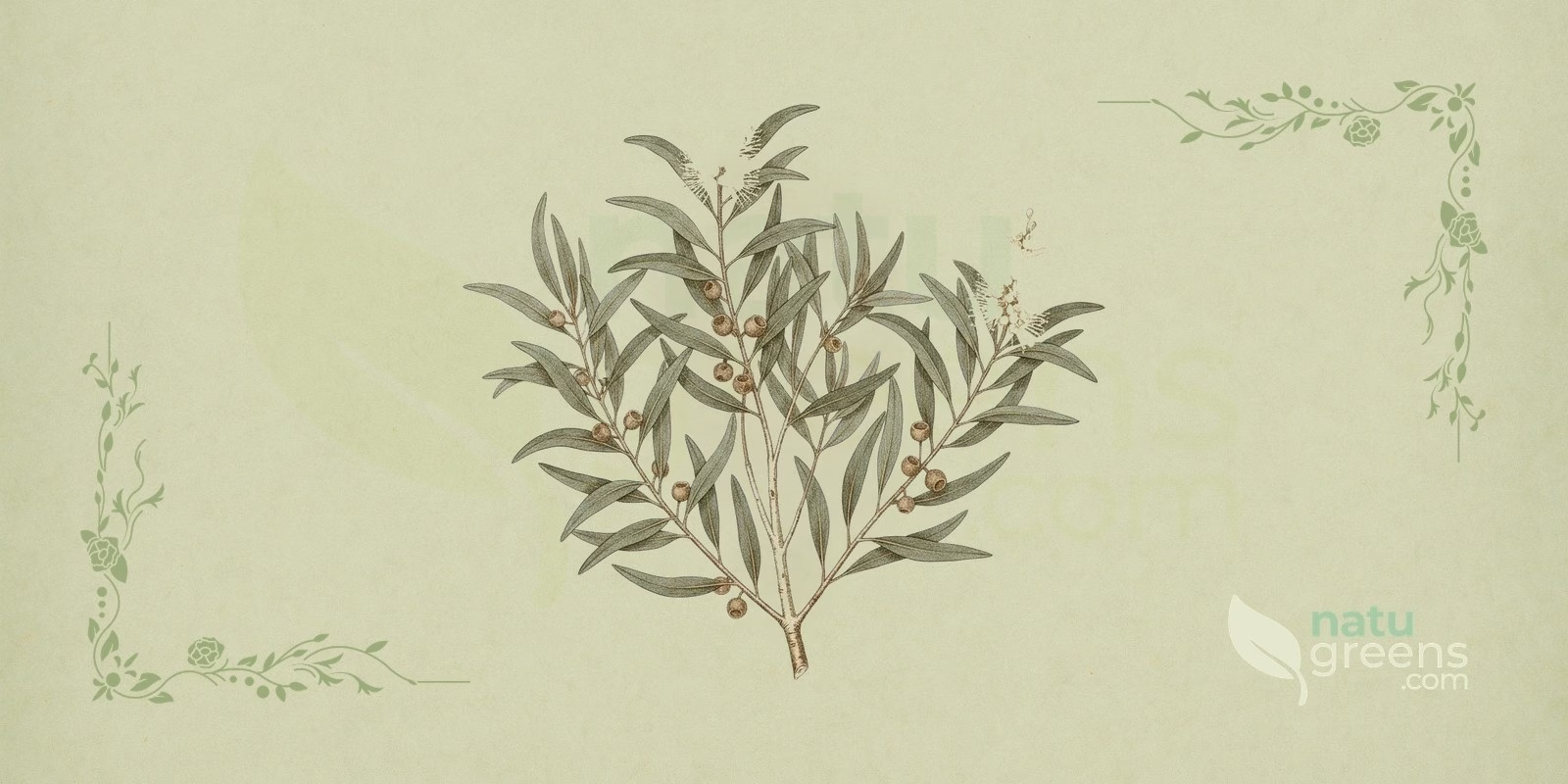
Cajuput (Melaleuca cajuputi Powell) is a tree of the Myrtaceae family native to northern Australia, New Guinea and Southeast Asia, easily recognized by its pale, papery bark, which peels off in thin layers, and by its spikes of white or greenish flowers. Its name comes from the Malay “kayu putih”, an expression meaning “white tree” or “white wood” in allusion to the color of the bark, and the plant is the source of cajuput essential oil, which the traditional medicine of the region has used for centuries.
In various cultures, tradition turns to cajuput to relieve pain, inflammation and respiratory complaints, uses that are usually associated with the richness of its aromatic components, above all 1,8-cineole. Laboratory studies have recorded antibacterial and antioxidant activity in extracts of the plant, and the anti-inflammatory action attributed to the oil is also under investigation, but clinical trials in humans are still scarce, so these findings are not enough to confirm the efficacy of the traditional uses.
Popular and International Names of Cajuput
- English: cajuput, cajuput tree, paperbark tea tree, white samet, white tea tree, white wood.
- Spanish: cayeput, cayeputí.
- Portuguese: árvore-branca, cajepute, cajeputi, melaleuca.
- French: cajeput, cajeputier, mélaleuque blanc.
- Italian: cajeput.
- German: Cajeputbaum, Kajeputbaum.
- Malay and Indonesian: kayu putih.
In Brazil, the name melaleuca is also widely used for the tea tree (Melaleuca alternifolia), a different species that yields tea tree oil, so it is always worth checking the scientific name on the label to avoid confusing the two oils, which differ in composition and in their traditional indications.
Botanical Synonyms of Melaleuca cajuputi
The botanical nomenclature of Melaleuca cajuputi Powell records a few synonyms that still appear in older works, in herbarium catalogs and in part of the technical literature:
- Melaleuca saligna (J.F.Gmel.) Reinw. ex Blume
- Melaleuca trinervis Buch.-Ham.
- Pimentus saligna (J.F.Gmel.) Raf.
Although Melaleuca cajuputi is the accepted name, the literature may present variations, and the authorship of the name itself appears in some technical documents as Maton & Sm. ex R. Powell. Recognizing this taxonomic diversity helps to identify the species correctly, along with its subspecies, such as Melaleuca cajuputi subsp. cumingiana, which show distinct morphological and chemical characteristics.
Botanical Family: Myrtaceae
Melaleuca cajuputi belongs to the Myrtaceae family, a vast and diverse group of flowering plants that includes clove, eucalyptus and guava. The family is known for the presence of aromatic essential oils in its leaves, stems and flowers, a feature that explains the medicinal and aromatic interest that many of its species have attracted. Widely distributed around the world, the Myrtaceae are especially concentrated in Australia and Southeast Asia, precisely the regions where cajuput originates.
Parts of Cajuput Used
- Essential oil (obtained by distilling the leaves and fine twigs)
- Fine twigs (distilled together with the leaves)
- Leaves (used in traditional infusions and in the distillation of the oil)
In practice, almost all commercial and medicinal interest centers on the essential oil, extracted from the fresh leaves and terminal twigs, while the leaves also appear in homemade preparations of folk tradition, whose safety for internal use is not well established.
Ethnobotanical and Traditional Uses
Traditional records describe a broad repertoire of uses for cajuput, almost always linked to the oil applied to the skin or inhaled, and far less to internal consumption:
- Adjunct in respiratory infections, by inhalation
- Folk antiseptic for minor wounds
- Insect repellent
- Liniment for muscle and joint pain
- Mild sedative and relaxant, according to tradition
- Relief of pain and inflammation, applied externally
- Urogenital infections, in old traditional records without clinical support
- Vermifuge, a traditional internal use now discouraged without professional guidance
Its use as a repellent is one of those that has attracted the most applied interest, and one study evaluated cajuput essential oil in aerosol spray cans against dengue-carrying mosquitoes in low-cost housing blocks, although this kind of result does not replace repellents registered with the health authorities. Internal uses, such as the vermifuge, belong to a historical context and should not be reproduced at home, because the essential oil is toxic if ingested.
Therapeutic Properties of Cajuput
- Antibacterial (activity against bacteria observed in laboratory studies)
- Anti-inflammatory (effect investigated in preliminary studies, not clinically proven)
- Antimicrobial (action against microorganisms observed in vitro)
- Antiseptic (traditional use for cleaning minor wounds)
- Antiviral (activity investigated in laboratory and computer simulation studies, not clinically proven)
- Expectorant (traditionally recorded as helping to expel mucus)
- Sedative (relaxing effect described by tradition)
Most of the available evidence comes from in vitro assays, in which leaf extracts showed antibacterial activity and preparations of the plant were tested against mycobacterial species. These are promising lines of research, but they have not yet been confirmed by clinical studies in people and therefore do not justify using cajuput in place of medical treatment.
Detailed Phytochemical Profile of Cajuput
- 1,8-cineole (eucalyptol)
- Alpha-terpineol
- Limonene
- Pinene
- Terpinene
1,8-cineole is the most prominent constituent and can account for up to 60% of the oil, although this proportion varies with provenance, subspecies and the source population of the trees, and breeding programs have already tested near-infrared spectroscopy as a fast, low-cost way of screening oil characteristics in the leaves. Besides the volatile terpenes, chemical research has isolated lesser-known compounds from the twigs and leaves, such as the beta-triketone flavanone hybrids named cajuputones, whose biological activity has so far received little study.
Preparation and Administration Forms of Cajuput
- Inhalation (steam with essential oil, for adults only)
- Liniment (essential oil diluted in vegetable oil)
- Ointments and creams (essential oil incorporated into a cosmetic base)
- Tea (leaf infusion, a traditional use that should be discussed with a healthcare professional)
- Warm compress (a few drops of essential oil in water)
In every form of external use, the essential oil must be diluted before it touches the skin, since applied neat it can irritate the skin and mucous membranes, and steam inhalation is reserved for adults, never for babies and young children. The oil is not intended for oral use, and the leaf infusion, although recorded by tradition, has no established safe dose, which is why any internal use requires professional guidance.
Synergy with Other Medicinal Plants
Respiratory Tract
In aromatherapy, cajuput oil, rich in 1,8-cineole, is traditionally combined with eucalyptus (Eucalyptus globulus) and peppermint (Mentha piperita) oils in inhalations used by adults for the feeling of a blocked nose during flu, colds and bronchitis. Tradition associates the blend with freer breathing, but because all three oils concentrate substances that can trigger bronchospasm in sensitive people, it should not be inhaled by babies and young children, and people with asthma need medical advice before trying it.
Muscle and Joint Pain
For muscle and joint pain, tradition pairs cajuput oil with ginger (Zingiber officinale) and rosemary (Rosmarinus officinalis) essential oils, always diluted in vegetable oil for massage. The anti-inflammatory action attributed to cajuput, together with the warming sensation commonly associated with ginger and rosemary, explains the popular use of this blend in relaxing massages, although the combination has not been tested in clinical trials.
Skin Care
The combination of cajuput oil with lavender (Lavandula angustifolia) and tea tree (Melaleuca alternifolia) is traditionally used as an antiseptic blend for minor wounds, insect bites and mild skin irritations, with lavender adding a gentle scent that tradition regards as calming. The blend must be diluted in vegetable oil before application, and wounds that are extensive, deep or show signs of infection call for assessment by a healthcare professional.
Recipes and Usage Protocols of Cajuput
Inhalation for Nasal Congestion
A preparation traditionally used by adults to ease the feeling of a blocked nose during colds, sinusitis and bronchitis, without replacing medical assessment when there is persistent fever or shortness of breath.
Add 3 to 5 drops of cajuput essential oil to a bowl of hot water, cover your head with a towel and inhale the steam for 5 to 10 minutes with your eyes closed, repeating 2 to 3 times a day as needed. This inhalation should not be done by babies and young children, nor by people with asthma without medical advice.
Massage for Muscle Pain
A blend traditionally used in massage to relieve muscle aches, cramps and tension, drawing on the warming sensation and camphoraceous scent of cajuput oil.
Dilute 5 to 10 drops of cajuput essential oil in 30 ml of a carrier vegetable oil, such as almond or coconut oil, and gently massage the painful area 1 to 2 times a day. Before the first use, it is advisable to test the blend on a small patch of skin, and it should never be applied to babies and young children, to broken skin or near the eyes and mucous membranes.
Compress for Minor Skin Irritations
A warm compress traditionally applied to minor skin irritations and insect bites, in search of local relief from the discomfort.
Add 2 to 3 drops of cajuput essential oil to a glass of warm water and mix well, soak a clean cloth in the solution, wring out the excess and apply it to the area for 10 to 15 minutes. If the irritation gets worse, intense redness appears or the lesion shows signs of infection, stop using the compress and consult a healthcare professional.
The preparations above follow traditional records and do not replace professional guidance. Before any internal use, check the contraindications and interactions described in this article.
Associated Therapies
Aromatherapy
In aromatherapy, cajuput essential oil is valued for its fresh, camphoraceous scent, which tradition associates with feelings of mental clarity, energy and fresh air, and for this reason it is often used in diffusers and combined with other oils in specific blends. In rooms with babies, young children, pregnant women or people with asthma, diffusion should be avoided or done only with professional guidance, and the device should not run for long periods in closed rooms.
Herbal Medicine
Traditional herbal medicine turns to cajuput mainly for respiratory and musculoskeletal complaints, with leaf infusions to which tradition attributes expectorant and anti-inflammatory action. In current practice, the essential oil appears mainly in formulations for external use, such as ointments and liniments, used for local pain relief and in the care of minor skin lesions, while any preparation for internal use should be supervised by a healthcare professional.
Contraindications and Side Effects of Cajuput
Contraindications
Cajuput essential oil (Melaleuca cajuputi) is rich in 1,8-cineole and is toxic if ingested, so the restrictions below must be observed without exception:
- Allergy to plants of the Myrtaceae family: people sensitive to other members of the myrtle family, such as clove and eucalyptus, should avoid using cajuput.
- Asthma and epilepsy: people with asthma or epilepsy should avoid the oil unless advised otherwise by a doctor, as 1,8-cineole can trigger asthma attacks or seizures.
- Babies and young children: young children are at risk of seizures and respiratory depression from use of the oil, even in small amounts, so it must not be used on babies and young children, nor applied or inhaled near the face, where the risk of bronchospasm is greater. In older children, any use depends on guidance from a healthcare professional.
- Ingestion and internal use: cajuput essential oil is toxic if ingested, and concentrated internal use requires professional guidance; in case of accidental ingestion, especially by children, seek emergency care immediately.
- Interaction with sedatives: anyone taking sedative medication should avoid combining it with cajuput without medical advice, because effects such as drowsiness may add up.
- Neat application to the skin and mucous membranes: the oil can irritate the skin and mucous membranes when applied undiluted, so it must always be diluted and kept away from the eyes, nose and mouth.
- Pregnant and breastfeeding women: pregnant and breastfeeding women should avoid cajuput essential oil, as there are no conclusive studies on its safety during pregnancy and breastfeeding.
Since poisoning in children usually happens through accidental ingestion, the bottle should always be tightly closed and kept out of the reach of children.
Side Effects
- Allergic reactions: manifestations such as contact dermatitis, skin rashes or bronchospasm in predisposed people.
- Drowsiness: described with very high doses or when the oil is combined with other sedatives.
- Nausea and vomiting: occur in cases of accidental ingestion or inappropriate internal use.
- Poisoning from ingestion: the oil is toxic if ingested and, in young children, can lead to seizures and respiratory depression even in small amounts.
- Skin and mucous membrane irritation: may occur on sensitive skin when the oil is applied neat or used in high concentrations.
Historical Notes and Interesting Facts
Origin of the Name and History
The name cajuput derives from the Malay “kayu putih”, meaning “white tree” or “white wood”, a reference to the plant’s pale, papery bark. Cajuput oil was long an important trade item in Southeast Asia, valued for its medicinal properties, and according to historical records it reached Western medicine in the 17th century, since when it has been studied for its many applications.
A Tree of Wetlands
Cajuput is known for its ability to grow on waterlogged ground, and plant physiology studies describe it as a flood-tolerant species, analyzing how the tree behaves when its roots are submerged and short of oxygen. This hardiness, combined with economic interest in the oil, helped to motivate breeding programs for cultivated populations.
Use in Commercial Products
Beyond its traditional use, cajuput oil is used by the pharmaceutical industry in formulations for colds, muscle aches and antisepsis, and it also appears as a flavoring in foods and as a fragrance in soaps and cosmetics. In 2024, the European Food Safety Authority (EFSA) published an assessment of the safety and efficacy of cajuput oil as a feed additive for all animal species, a sign that the product circulates far beyond traditional medicine.
Frequently Asked Questions about Cajuput
What Is Cajuput Oil?
Cajuput oil is a volatile essential oil extracted from the leaves and fine twigs of the Melaleuca cajuputi tree, known for its strong, camphoraceous scent. Tradition attributes antimicrobial, anti-inflammatory and expectorant actions to it, some of which have been observed in laboratory studies, and it is used in aromatherapy, in herbal medicine and in formulations from the pharmaceutical and cosmetic industries.
What Is Cajuput Oil Used For?
Traditionally, cajuput oil is used, always diluted, to relieve muscle and joint pain, in steam inhalations by adults with colds and flu, and as an antiseptic on minor wounds and insect bites. It is also used as an insect repellent, but these uses rest mainly on traditional records and preliminary studies, without robust clinical proof.
What Are the Main Components of Cajuput Oil?
The main component of cajuput essential oil is 1,8-cineole, also called eucalyptol, which can account for up to 60% of its composition, alongside alpha-terpineol, limonene, pinene and terpinene. The literature associates 1,8-cineole with much of the activity attributed to the oil, such as its antimicrobial and expectorant actions, but this same compound is linked to the risks for young children and for people with asthma or epilepsy.
Is Cajuput Safe for Children?
Not for babies and young children, who are at risk of seizures and respiratory depression from use of the oil, even in small amounts, so it must not be used in this age group, especially near the face, where there is also a risk of bronchospasm. In older children, any application depends on guidance from a healthcare professional, with proper dilution and a prior patch test on a small area of skin.
Can Cajuput Oil Be Ingested?
Not without professional guidance, because cajuput essential oil is rich in 1,8-cineole and is toxic if ingested, and it can cause nausea, vomiting and, in young children, seizures and respiratory depression. Concentrated internal use requires professional guidance, and any accidental ingestion should be treated as an emergency, with immediate medical care.
Can Pregnant and Breastfeeding Women Use Cajuput?
Pregnant and breastfeeding women should avoid cajuput essential oil, as there are no conclusive studies on its safety during pregnancy and breastfeeding. The recommendation applies to skin application as well as to inhalations and diffusers, and any exception should be discussed with the doctor overseeing their care.
Notice: this content is for informational purposes and does not replace professional medical advice. Consult a physician or herbal practitioner before using medicinal plants, especially during pregnancy, breastfeeding, or alongside medication.
References and Scientific Studies
View All 11 Cited References
Peer-Reviewed Scientific Studies (9)
- PMC2012 Abu Bakar A, et al. Evaluation of Melaleuca cajuputi (Family: Myrtaceae) Essential Oil in Aerosol Spray Cans against Dengue Vectors in Low Cost Housing Flats. J Arthropod Borne Dis. 2012.
- PMC2015 Al-Abd NM, et al. Antioxidant, antibacterial activity, and phytochemical characterization of Melaleuca cajuputi extract. BMC Complement Altern Med. 2015.
- PMC2020 Bua A, et al. “In vitro” activity of Melaleuca cajuputi against mycobacterial species. Nat Prod Res. 2020.
- PMC2024 EFSA Panel on Additives and Products or Substances used in Animal Feed (FEEDAP), et al. Safety and efficacy of a feed additive consisting of an essential oil derived from fresh leaves of Melaleuca cajuputi Maton & Sm. ex R. Powell and Melaleuca leucadendra (L.) L. (cajuput oil) for use in all animal species (FEFANA asbl). EFSA J. 2024.
- PMC2025 Isah M, et al. Chemical profiling and mechanistic insights into the antibacterial efficacy of Melaleuca cajuputi leaf extract. BMC Complement Med Ther. 2025.
- PMC2006 Kogawara S, et al. Photosynthesis and photoassimilate transport during root hypoxia in Melaleuca cajuputi, a flood-tolerant species, and in Eucalyptus camaldulensis, a moderately flood-tolerant species. Tree Physiol. 2006.
- PMC2021 Liang D, et al. Characterization of the complete chloroplast genome of Melaleuca cajuputi subsp. cumingiana (Myrtaceae). Mitochondrial DNA B Resour. 2021.
- PMC2003 Schimleck LR, et al. Near infrared spectroscopy for cost effective screening of foliar oil characteristics in a Melaleuca cajuputi breeding population. J Agric Food Chem. 2003.
- PMC2020 Xu WJ, et al. Cajuputones A-C, β-Triketone Flavanone Hybrids from the Branches and Leaves of Melaleuca cajuputi. Chem Biodivers. 2020.
Supplementary Readings (2)
- 2013 Brophy JJ, Craven LA, Doran JC. Melaleucas: Their Botany, Essential Oils and Uses. Australian Centre for International Agricultural Research. 2013.
- 2004 Holliday I. Melaleucas: A Field and Garden Guide. 2. ed. Reed New Holland Publishers. 2004.