Dog rose (Rosa canina L.), also known as briar rose and often linked to the trade name rosa mosqueta, is a highly variable wild rose with a climbing habit, native to Europe, northwest Africa and western Asia. Described by Carl Linnaeus in 1753, the plant has spread across several continents, where it is cultivated or grows naturalized, largely because of its culinary and medicinal uses. Dog rose has featured in traditional medicine for millennia and was already mentioned in ancient texts, long before modern science recognized it as a rich source of vitamin C and antioxidants. Its false fruits, the hips (botanically known as cynorrhodons), are harvested at peak ripeness to prepare infusions, extracts and other herbal medicinal products.
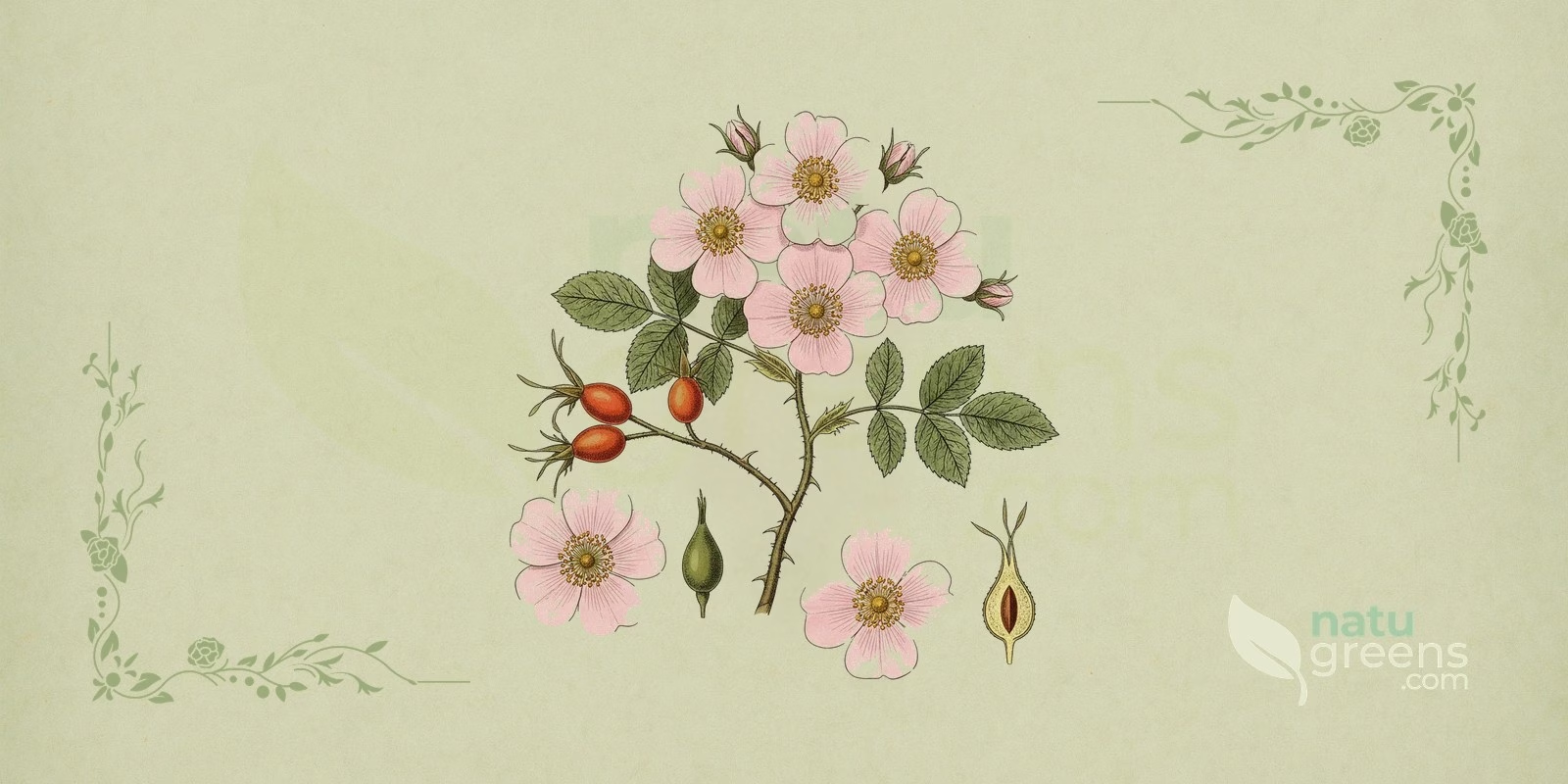
In the European herbal tradition, dog rose holds a prominent place as a nourishing and medicinal plant, used for gastrointestinal complaints, inflammatory conditions and joint pain. The plant stands out for its rich phytochemical composition, especially vitamin C, carotenoids and polyphenols, compounds associated with the antioxidant and anti-inflammatory activities described in experimental studies. Modern scientific research has been looking into many of these traditional uses, and dog rose is now among the most studied medicinal plants, although much of the evidence still comes from laboratory studies and a small number of clinical trials.
Popular and International Names of Dog Rose
- English: briar rose, dog rose, rose hip, wild rose.
- French: églantier, rose sauvage, rosier des chiens.
- German: Hagebutte, Heckenrose, Hundsrose.
- Italian: rosa canina, rosa di macchia, rosa selvatica.
- Portuguese: rosa-brava, rosa-canina, rosa-mosqueta (an associated trade name, applied mainly to the oil of Rosa rubiginosa), rosa-silvestre, roseira-brava.
- Spanish: escaramujo, rosa mosqueta, rosa perruna, rosa silvestre.
In German and English, Hagebutte and rose hip strictly refer to the fruit, but in everyday use they also end up naming the plant itself.
Botanical Synonyms of Rosa canina
Rosa canina L. is the botanical name most widely accepted in the scientific literature and adopted by most botanical authorities, including World Flora Online, which succeeded the former The Plant List database. Over time, however, the great genetic and morphological variability of the species led to the creation of many other names, applied to it or to very closely related taxa, and some authorities now treat part of these names as distinct species.
Rosa caesia Sm., Rosa corymbifera Borkh., Rosa dumalis Bechst., Rosa × irregularis Déségl. & Guillon, Rosa montana Chaix, Rosa stylosa Desv., Rosa subcanina (Christ) Vuk., Rosa subcollina (Christ) Vuk.
Botanical Family: Rosaceae
The Rosaceae family is one of the largest and most important among flowering plants, bringing together thousands of species distributed across about 90 genera, with figures that vary according to the classification adopted. It includes many plants of great economic, food and ornamental importance, such as those that produce almonds, apples, cherries, pears, strawberries and, of course, roses, and it is characterized by generally pentamerous flowers with numerous stamens and an ovary that may be superior or inferior.
Rosa canina shares morphological features typical of the family, such as five-petaled flowers and numerous stamens. The Rosaceae are known for producing a wide range of bioactive compounds, including polyphenols, flavonoids and organic acids, which account for much of the medicinal interest in many of their species, and this chemical diversity has been the subject of intense pharmacological research, with an impact on the development of herbal medicines and food supplements.
Parts of Dog Rose Used
- Flowers
- Hips (false fruits)
- Leaves
- Seeds
The hips are the most widely used part, and before any preparation the seeds and the hairs surrounding them must be removed, because they irritate the skin, mouth and intestines; the seeds, in turn, are used separately for oil extraction.
Ethnobotanical and Traditional Uses
The uses below belong to the traditional and folk record of the species, especially in the European herbal tradition, and not all of them have been confirmed by clinical studies.
- Diuretic action
- Immune system support
- Kidney problems
- Relief of flu-like symptoms
- Relief of gastrointestinal complaints
- Relief of joint pain
- Relief of sore throat
- Respiratory problems, such as bronchitis and cough
Therapeutic Properties of Dog Rose
The activities listed below have been described mainly in laboratory studies and animal models, with few clinical trials in humans to date.
- Analgesic (reduction of osteoarthritis pain observed in a small number of clinical trials with rose hip powder)
- Anti-inflammatory (reduction of inflammatory processes observed in experimental studies)
- Antioxidant (neutralization of free radicals in laboratory assays)
- Antiproliferative (activity observed in laboratory studies, without clinical confirmation)
- Cardioprotective (effects on cardiovascular parameters under preliminary investigation)
- Hepatoprotective (liver protection observed in experimental models)
- Immunomodulatory (modulation of the immune response described in preliminary studies)
- Nephroprotective (kidney protection observed in experimental models)
- Neuroprotective (nervous system protection observed in laboratory studies)
Detailed Phytochemical Profile of Dog Rose
- Apigenin
- Ascorbic acid (vitamin C)
- Caffeic acid
- β-Carotene
- Catechin
- Chlorogenic acid
- Citric acid
- Coumarins
- Ellagic acid
- Flavonoids (kaempferol, quercetin, rutin)
- Galactolipids (GOPO)
- Gallic acid
- Homovanillic acid hexoside
- Linoleic acid
- α-Linolenic acid
- Lutein
- Lycopene
- Naringenin
- Palmitic acid
- Polyphenols
- Proanthocyanidins
- Protocatechuic acid
- Quinic acid
- Syringic acid
- Tocopherols (vitamin E)
- Triterpenes (betulinic acid, oleanolic acid, ursolic acid)
The composition varies depending on the part of the plant: vitamin C, carotenoids and galactolipids are concentrated in the hip pulp, whereas fatty acids, such as linoleic and α-linolenic acid, and tocopherols predominate in the oil extracted from the seeds.
Preparation and Administration Forms of Dog Rose
- Capsules
- Dry extract
- Fluid extract
- Rose hip powder
- Seed oil
- Tea or infusion
- Tincture
In any preparation made from the fruit, the seeds and inner hairs must be removed and the liquid strained very carefully, preferably through a fine cloth, because these hairs irritate the skin, mouth and intestines. For capsules, extracts and tinctures, the amount and duration of use should follow the guidance of a healthcare professional or the manufacturer’s directions, since the concentration of vitamin C and other compounds varies considerably from one product to another. Because vitamin C is sensitive to heat, infusions are usually made with hot water that has not quite come to the boil.
Synergy with Other Medicinal Plants
Relief of Joint Pain
The combination of dog rose with Harpagophytum procumbens (devil’s claw) and Salix alba (white willow) is traditionally used for joint complaints such as osteoarthritis, based on the idea that the three plants would add up their anti-inflammatory and analgesic actions. Dog rose contributes galactolipids and polyphenols, devil’s claw contributes harpagosides and white willow contributes salicylic derivatives, which makes the combination inadvisable, without professional guidance, for people taking anticoagulants or allergic to acetylsalicylic acid.
Immune Support
The pairing of dog rose with Echinacea purpurea (echinacea) and Sambucus nigra (elder) is traditionally used to support the immune system during respiratory infections. According to this traditional record, the vitamin C in dog rose would act together with the polysaccharides of echinacea and the flavonoids of elder, and the combination is commonly used for flu-like conditions; of the elder, only the flowers or the cooked ripe berries are used, never the raw berries.
Digestive Health
For digestive health, dog rose is combined with Mentha piperita (peppermint) and Foeniculum vulgare (fennel), a pairing traditionally used for dyspepsia, flatulence and intestinal cramps. In this record, the organic acids and flavonoids of dog rose would add to the menthol of peppermint and the anethole of fennel, compounds credited with antispasmodic, carminative and anti-inflammatory actions on the gastrointestinal tract.
Recipes and Usage Protocols of Dog Rose
Traditional Rose Hip Infusion
If the dried hips still contain seeds, open them and remove the seeds and inner hairs before crushing the pulp; then place about one tablespoon of this material in 250 ml of hot water, without letting it boil. Cover the container, leave to infuse for 10 to 15 minutes and strain very well, preferably through a fine cloth, so that no hairs get into the drink, which can be sweetened with honey.
Rich in vitamin C and antioxidants, this infusion is traditionally used to support the immune system, drunk in moderation throughout the day; for regular use with a medicinal purpose, consult a healthcare professional.
Seed Oil for Skin Care
Apply a few drops of dog rose seed oil to clean skin, morning and evening, massaging gently until fully absorbed, and do a patch test on a small area first, especially if you are allergic to plants of the Rosaceae family.
This oil is traditionally used in cosmetics for its emollient and moisturizing properties and also appears in care routines for dark spots, scars and stretch marks, uses for which the evidence is still limited. Much of the oil sold as rosa mosqueta is extracted from Rosa rubiginosa, not from Rosa canina, so it is worth checking the label before buying.
Homemade Rose Hip Syrup
Cook 500 g of fresh hips in 1 liter of water until soft and pass everything through a fine cotton cloth, squeezing well to extract the liquid and repeating the straining if necessary, so that no seed hairs reach the syrup. Add 500 g of sugar (or honey) to the liquid, return it to the heat until it reaches a syrupy consistency and store it in a sterilized jar in the refrigerator.
This syrup is traditionally used for flu-like conditions and coughs, always in small amounts; the dose and frequency should be set with a healthcare professional, especially for children, pregnant women and people with diabetes, because of its high sugar content.
The preparations above follow traditional records and do not replace professional guidance. Before any internal use, check the contraindications and interactions described in this article.
Associated Therapies
Cosmetology
Rose oils are widely used ingredients in cosmetic products such as creams, lotions and serums, thanks to the moisturizing and antioxidant properties attributed to them. In this market, the name rosa mosqueta refers mainly to the oil of Rosa rubiginosa and Rosa moschata, although Rosa canina seed oil is also used, and in every case its use for dark spots, scars, stretch marks and wrinkles, as well as for skin texture, belongs more to cosmetic tradition than to established clinical results.
Herbal Medicine
In herbal medicine, dog rose is used in infusions, tinctures and dry and fluid extracts, valued for the anti-inflammatory, antioxidant, immunomodulatory and analgesic actions described in the literature, largely on the basis of experimental studies. In traditional practice it is often recommended for joint complaints, immune support, digestive problems and skin care, and the good tolerance observed with the dietary consumption of the hips helps explain its popularity, which does not make the precautions described under contraindications any less necessary.
Homeopathy
In homeopathy, there are records of Rosa canina preparations used for inflammation of the upper respiratory tract, urinary problems and states of irritability, with mention of symptoms such as nasal congestion, sore throat and cystitis. The choice of homeopathic remedy is based on the totality of the individual’s symptoms, according to the principles of this practice, and these indications have not been confirmed by controlled clinical studies.
Contraindications and Side Effects of Dog Rose
Contraindications
- Children: medicinal use in children should be guided by a pediatrician, and preparations sweetened with honey should not be given to infants under 1 year of age.
- Hemochromatosis: vitamin C increases iron absorption, so people with hemochromatosis or other iron overload conditions should be cautious and seek medical advice before use.
- Hip Hairs: the hairs inside the hip irritate the skin, mouth and intestines, so the seeds and hairs must be removed and every preparation made with the fruit must be strained very well.
- Kidney Stones: the high vitamin C content calls for caution in people with renal lithiasis, since part of this vitamin is converted into oxalate in the body, and people with a history of kidney stones should consume the plant in moderation and under medical supervision.
- Pregnancy and Breastfeeding: medicinal doses should be avoided during pregnancy and breastfeeding due to a lack of safety data, which is not the same as occasional consumption in food amounts, although this should still be discussed with a doctor.
- Rosaceae Allergy: people with a known allergy to plants of the Rosaceae family, such as almond, apple and peach, should avoid dog rose because of the risk of cross-allergic reactions.
- Species Identification: rosa mosqueta is a trade name applied mainly to the oil of Rosa rubiginosa (and Rosa moschata), not an exact synonym of dog rose; when buying oil or dried fruit, check the scientific name on the label, since the information in this article refers to Rosa canina.
Drug Interactions
- Anticoagulants: there is a theoretical interaction with warfarin and other anticoagulants when high doses of vitamin C are consumed, which calls for medical monitoring in people taking these drugs, especially in combinations with white willow, which is rich in salicylic derivatives.
- Hypoglycemic Drugs: in large amounts, dog rose may affect blood sugar levels, and people with diabetes who take hypoglycemic drugs should monitor their blood glucose and inform their doctor, a precaution that also applies to the syrup, which is high in sugar.
Side Effects
- Allergic Reactions: in sensitive people, the plant may cause contact dermatitis, itching, hives or, in rare cases, anaphylaxis.
- Gastrointestinal Disorders: excessive consumption of very concentrated infusions or of hips may occasionally cause nausea, vomiting, diarrhea or constipation.
- Irritant Hairs: poorly strained preparations can cause itching and irritation in the mouth, throat and intestines, and direct contact of the hairs with the skin also causes itching.
Historical Notes and Interesting Facts
Origin of the Name
The epithet canina comes from the Latin caninus, meaning “of the dog”, and the most frequently cited explanation links the name to the ancient belief that the plant’s root could be used against the bite of rabid dogs, an idea with no medical basis whatsoever, since rabies requires immediate medical care. This association dates back to antiquity and is mentioned by Pliny the Elder, although another theory relates the name to the curved prickles on the stems, which would resemble a dog’s canine teeth.
Use During World War II
During World War II, rose hips were widely used in the United Kingdom and the United States as a source of vitamin C at a time when citrus fruit was scarce. The authorities encouraged people to gather the fruit to produce syrups that were distributed to children as a way of preventing scurvy, a practice that highlighted the nutritional importance of the plant in times of crisis.
Symbol and Folklore
Dog rose was a symbol of love and poetry in several cultures and, in European folklore, it often appeared in association with fairies and nature spirits. Its simple beauty and its hardiness in adverse conditions made it a familiar presence in legends and folk traditions, in which it symbolized hope and resilience, and it was also used in divination and protection rituals.
The Trade Name Rosa Mosqueta
In Brazil and Portugal, dog rose is often called rosa-mosqueta, but this name became established in the trade of cosmetic oils extracted mainly from Rosa rubiginosa and Rosa moschata, closely related species that are nonetheless different from Rosa canina. For this reason, rosa-mosqueta should be understood as a name associated with the plant, not as its main common name, a role that in Portuguese belongs to rosa-canina and, secondarily, to roseira-brava.
Frequently Asked Questions about Dog Rose
Does Dog Rose Tea Help with Weight Loss?
Dog rose tea is not a direct weight-loss aid. Tradition attributes a diuretic action to the plant, which may promote fluid elimination without reducing body fat, and weight control still depends on a balanced diet and regular physical activity.
What Is the Best Way to Prepare Dog Rose Tea?
Use about one tablespoon of dried, crushed hips, free of seeds and hairs, for every 250 ml of hot water that has not quite boiled, and leave to infuse for 10 to 15 minutes before straining very well, preferably through a fine cloth. Avoid boiling the hips directly, because excessive heat degrades vitamin C. For a stronger flavor, they can be soaked in cold water for a few hours before heating.
Does Dog Rose Tea Have Side Effects?
In moderate amounts, the tea is usually well tolerated, but excessive consumption can cause mild gastrointestinal upset, such as nausea, diarrhea or constipation, and poorly strained preparations irritate the mouth and intestines because of the fruit’s hairs. People with an allergy to plants of the Rosaceae family, a history of kidney stones or hemochromatosis, as well as those taking warfarin, should be cautious and talk to a healthcare professional before use.
Can Pregnant and Breastfeeding Women Use Dog Rose?
Medicinal doses of dog rose should be avoided during pregnancy and breastfeeding, because safety data for these periods are lacking. Occasional consumption in food amounts is a different situation, but it should also be discussed with the professional overseeing the pregnancy or breastfeeding.
Why Do the Seeds and Hairs Have to Be Removed from the Fruit?
The inside of the hip holds seeds surrounded by fine hairs that irritate the skin, mouth and intestines. For this reason, every preparation made with the fruit should start by removing the seeds and hairs and finish with careful straining, preferably through a fine cloth.
Are Dog Rose and Rosa Mosqueta the Same Plant?
Not exactly, since rosa mosqueta is a trade name used mainly for the oil of Rosa rubiginosa and Rosa moschata, although in Brazil and Portugal it is also applied to dog rose. When buying oil or dried fruit, it is worth checking the scientific name on the label to know which species the product was extracted from.
Notice: this content is for informational purposes and does not replace professional medical advice. Consult a physician or herbal practitioner before using medicinal plants, especially during pregnancy, breastfeeding, or alongside medication.
References and Scientific Studies
- PMC2008 Christensen R, et al. Does the hip powder of Rosa canina (rosehip) reduce pain in osteoarthritis patients? A meta-analysis of randomized controlled trials. Osteoarthritis Cartilage. 2008.
- PMC2016 Jiménez S, et al. Rosa canina Extracts Have Antiproliferative and Antioxidant Effects on Caco-2 Human Colon Cancer. PLoS One. 2016.
- PMC2024 Miljković VM, et al. Chemical Profile and Antioxidant and Antimicrobial Activity of Rosa canina L. Dried Fruit Commercially Available in Serbia. Int J Mol Sci. 2024.