Quick summary
Pineapple (Ananas comosus (L.) Merr.) is a tropical plant of the Bromeliaceae family native to South America and grown today across many tropical regions of the world for its juicy, aromatic multiple fruit. It is a terrestrial plant with stiff leaves arranged in a rosette, adapted to soils that hold little water, and…
Main caution: Bromelain, present in the stem and the fruit, has antiplatelet and fibrinolytic effects, which calls for caution in people taking anticoagulants, such as warfarin, or antiplatelet drugs, and anyone taking bromelain…
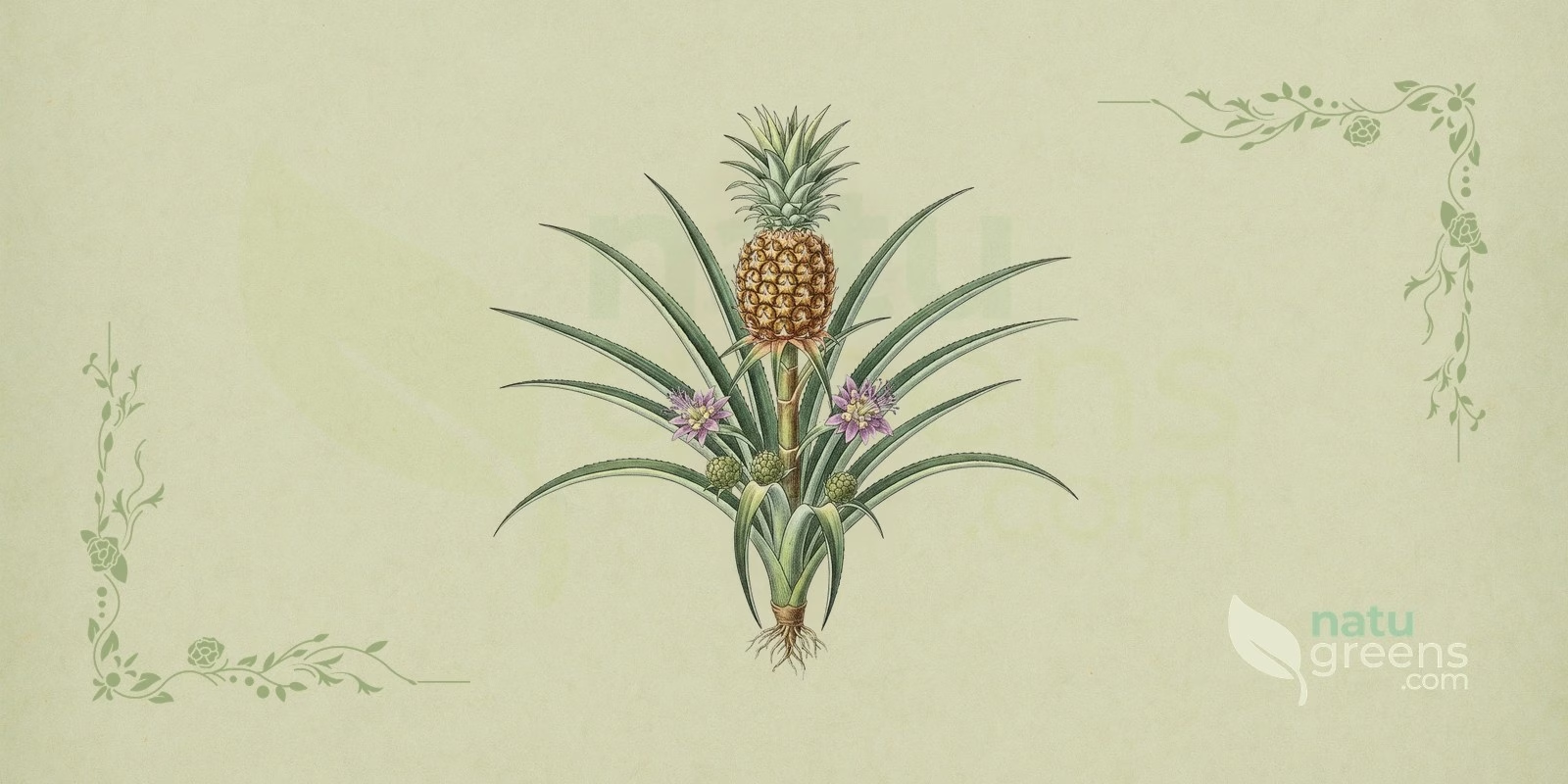
Pineapple (Ananas comosus (L.) Merr.) is a tropical plant of the Bromeliaceae family native to South America and grown today across many tropical regions of the world for its juicy, aromatic multiple fruit. It is a terrestrial plant with stiff leaves arranged in a rosette, adapted to soils that hold little water, and in Brazil it shares its range with wild relatives such as the one locally called abacaxi-do-cerrado, which this article treats as a variety of the same species.
In ethnobotanical tradition, pineapple serves both as food and as an ingredient in homemade folk preparations, and the presence of proteolytic enzymes such as bromelain, together with flavonoids and phenolic compounds, explains the interest the plant draws in scientific research. Most of the effects investigated so far, however, come from laboratory and animal studies, so the uses described below should be read as traditional records or preliminary findings, not as treatment recommendations.
Popular and International Names of Pineapple
- English: pineapple.
- French: ananas.
- German: Ananas.
- Italian: ananas.
- Japanese: パイナップル (painappuru).
- Portuguese: abacaxi, ananás.
- Spanish: piña, ananá.
Botanical Synonyms of Ananas comosus
- Ananas sativus Schult. & Schult.f.
- Bromelia ananas L.
- Bromelia comosa L.
The wild variety Ananas comosus var. ananassoides (Baker) Coppens & F.Leal, known in Brazil as abacaxi-do-cerrado, ananás-do-cerrado or ananás-de-raposa, occurs in Brazil, Paraguay and Venezuela, as well as in other tropical areas of South America east of the Andes and in Central America, where it grows in savannas and lightly shaded forests on sandy or rocky soils. The names Ananas ananassoides (Baker) L.B.Sm. and Acanthostachys ananassoides Baker are also used for this variety, and World Flora Online (WFO) treats it as a synonym of Ananas comosus var. microstachys, a taxonomic position worth checking before using the name in technical work.
Botanical Family: Bromeliaceae
Bromeliaceae is one of the largest families of tropical plants, with about 56 genera and more than 3,600 species distributed mainly in the Americas, and it brings together plants that usually have leaves in a rosette, often able to collect water, and showy inflorescences. Among them are species of great economic, food and ornamental importance, such as pineapple itself (Ananas comosus) and many bromeliads grown in gardens.
Pineapple shares morphological traits typical of the family, such as the formation of multiple fruits and the ability to adapt to varied environments. Bromeliaceae are also known for producing bioactive compounds, especially proteolytic enzymes such as bromelain, along with flavonoids and phenolic compounds, and this chemical diversity has been the subject of intense pharmacological research, with an influence on the development of plant-based medicines and food supplements.
Parts of Pineapple Used
- Fruit peel
- Ripe fruit (pulp)
- Stem (industrial source of bromelain)
Ethnobotanical and Traditional Uses
- Antiparasitic (traditional record, use of the fruit)
- Antiseptic (traditional record, use of the fruit)
- Diuretic (traditional record, use of the juice)
- Induction of labor (traditional record, unproven and not recommended)
- Intestinal cramps and flatulence relief (traditional record)
- Nausea and queasiness (traditional record, use of the juice)
- Throat discomfort (traditional record of gargling with pineapple juice)
Therapeutic Properties of Pineapple
- Anthelmintic (traditional record and preliminary studies against intestinal worms)
- Anticholinesterase (inhibition of the enzyme acetylcholinesterase observed in laboratory studies)
- Anti-inflammatory (bromelain activity described in experimental and preliminary clinical studies)
- Antimicrobial (activity against bacteria and fungi observed in the laboratory)
- Antioxidant (ability to neutralize free radicals in laboratory assays)
- Antiparasitic (traditional record, with preliminary studies)
- Antiplatelet (effect attributed to bromelain, relevant above all for drug interactions)
- Antiproliferative (activity observed in laboratory studies, without clinical evidence)
- Cardioprotective (effect investigated in preliminary animal studies)
- Fibrinolytic (action of bromelain on fibrin, relevant for interactions and surgery)
- Hepatoprotective (effect investigated in preliminary animal studies)
- Hypoglycemic (lower blood glucose observed in animal studies)
- Hypolipidemic (lower blood lipids observed in animal studies)
- Immunomodulatory (modulation of the immune system investigated in preliminary studies)
- Neuroprotective (effect investigated in experimental models)
- Proteolytic (bromelain breaks down proteins, a well-described property of the enzyme)
Detailed Phytochemical Profile of Pineapple
- Amino acids
- Ascorbic acid (vitamin C)
- Bromelain (proteolytic enzyme)
- Carbohydrates
- Flavonoids (quercitrin, naringenin)
- Lipids
- Monoamines (serotonin, norepinephrine, dopamine)
- Organic acids
- Peptides
- Phenolic compounds
- Polyketides
- Proteins
- Saponins
- Steroids (ergosterol peroxide, β-sitosterol)
- Terpenoids
Preparation and Administration Forms of Pineapple
- Fresh fruit
- Fruit juice
- Fruit vinegar
- Peel tea (food preparation)
- Standardized bromelain extracts (supplements, with professional guidance)
- Tinctures
Synergy with Other Medicinal Plants
Combination with Turmeric and Ginger
In herbal tradition, the bromelain found in pineapple is often paired with other plants that have an anti-inflammatory record, such as turmeric (Curcuma longa) and ginger (Zingiber officinale), in combinations traditionally used for joint and muscle discomfort. The idea that their combined action is more intense comes from pharmacological reasoning and preliminary studies, not from clinical trials of these blends, so the use of concentrated extracts calls for professional supervision.
Combination with Peppermint, Fennel and Echinacea
Pineapple also appears alongside digestive plants such as peppermint (Mentha × piperita) and fennel (Foeniculum vulgare), in a traditional record that links the protein breakdown carried out by bromelain with the use of these herbs for bloating and gas. Because it is rich in vitamin C and antioxidants, the fruit is also combined in homemade preparations with echinacea (Echinacea purpurea), a plant traditionally used to support the immune system.
Recipes and Usage Protocols of Pineapple
Fresh Pineapple Juice
A simple food preparation, traditionally enjoyed as a refreshing drink and a source of vitamin C, which keeps the fruit's enzymes better when consumed right after it is made.
Ingredients: 1/2 ripe pineapple, 1 glass of water (optional), honey to taste (optional).
Preparation: Peel and chop the pineapple, blend it with the water, if you want a lighter consistency, until the juice is smooth, and strain it if you prefer, sweetening with honey to taste. Drink it right away, keeping in mind that people with diabetes should take the juice's natural sugar into account and that those with reflux or ulcers may feel discomfort from the fruit's acidity.
Pineapple Peel Tea
A preparation from culinary tradition, made to put the fruit's peel to use as an aromatic drink, with no claim of any health effect.
Ingredients: well-washed peels of 1 ripe pineapple, 1 liter of water.
Preparation: Wash the peels very thoroughly with a brush, place them in a pot with the water and let them simmer over low heat for about 10 minutes, then turn off the heat and let the liquid cool a little before straining. The drink can be served warm or chilled, unsweetened or with the sweetener of your choice, and should be consumed the same day, kept in the refrigerator.
The preparations above follow traditional records and do not replace professional guidance. Before any internal use, check the contraindications and interactions described in this article.
Associated Therapies
Clinical Phytotherapy
In clinical phytotherapy, interest in pineapple centers on the bromelain extracted from the stem and fruit, studied for its anti-inflammatory and proteolytic action in inflammatory conditions and in postoperative recovery, with results still considered preliminary for several of these indications. Standardized extracts should only be used with a prescription, because the dose and the form of administration depend on each person's condition and on possible drug interactions, and their use must be stopped before surgery.
Nutrition and Dietetics
As a food, pineapple fits into nutrition plans for its profile rich in vitamins, minerals and fiber, in addition to bromelain, and it is often mentioned as a fruit that goes well with protein-rich meals and adds to antioxidant intake. Within a balanced diet, eating the ripe fruit is safe for most people, with attention to its acidity in cases of reflux and to its sugar content in cases of diabetes.
Contraindications and Side Effects of Pineapple
General Contraindications
Bromelain, present in the stem and the fruit, has antiplatelet and fibrinolytic effects, which calls for caution in people taking anticoagulants, such as warfarin, or antiplatelet drugs, and anyone taking bromelain supplements should stop them before any surgery. People allergic to pineapple should avoid it, and those with latex-fruit syndrome need extra care, since cross-reactions can occur between latex and fruits such as pineapple, banana and kiwi.
During pregnancy, the ripe fruit eaten as food is considered safe, but concentrated bromelain extracts and the unripe fruit are not recommended, because there is a traditional record of a uterotonic effect that, although unproven, justifies caution. People with reflux or ulcers may find their symptoms worsened by the fruit's acidity, and those with diabetes or who use blood glucose lowering medication should take the sugar in the juice into account and talk to the health professional who follows their care.
Common Side Effects
The unripe fruit and the stem, eaten in excess, can cause irritation of the mouth and mucous membranes, diarrhea and cramps, and even the ripe fruit, in large amounts, causes gastrointestinal discomfort such as nausea or abdominal pain in sensitive people. Allergic reactions, although uncommon, can appear as skin rashes, itching, swelling or difficulty breathing, a situation that requires immediate medical care.
Drug Interactions
Besides possibly adding to the effect of anticoagulants and antiplatelet drugs, which raises the risk of bleeding, bromelain increases the absorption of antibiotics such as amoxicillin and tetracyclines, a pharmacokinetic interaction described in a published study, which can alter the concentration of these medicines in the blood. Anyone on long-term medication should consult a health professional before using bromelain supplements or concentrated pineapple extracts.
Historical Notes and Interesting Facts
Abacaxi or Ananás
In Brazil, the name abacaxi is the most common one for the cultivated fruit, while ananás prevails in Portugal and survives in Brazil mainly in the names of wild relatives, such as ananás-do-cerrado and ananás-de-raposa. In other languages, the word ananas has remained in French, Italian and German, whereas English adopted pineapple and Spanish, in most countries, uses piña.
The Wild Relative from the Cerrado
The wild variety known in Brazil as abacaxi-do-cerrado (Ananas comosus var. ananassoides) stands out for its adaptation to savanna and cerrado environments, marked by poor soils and long dry periods, which makes it a good example of the ability of bromeliads to thrive in harsh conditions. Valued as an ornamental plant for the beauty of its foliage and inflorescence, it produces fruits much smaller than those of the common pineapple, edible and appreciated for their distinctive flavor in regional cooking.
Frequently Asked Questions about Pineapple
Can Pineapple Be Eaten Every Day?
Yes, the ripe fruit can be part of the daily diet in moderate amounts, within a balanced diet. People with reflux, ulcers or diabetes, or who take long-term medication, should talk to a health professional about the right amount.
Can Pregnant Women Eat Pineapple?
The ripe fruit eaten as food is considered safe during pregnancy. Concentrated bromelain extracts and the unripe fruit, on the other hand, are not recommended, because there is a traditional record of a uterotonic effect that, even without proof, justifies caution.
Does Pineapple Interact with Medications?
Bromelain has antiplatelet and fibrinolytic effects, so it calls for caution in people taking anticoagulants or antiplatelet drugs, and bromelain supplements should be stopped before surgery. It also increases the absorption of amoxicillin and tetracyclines, according to published pharmacokinetic data, so the use of extracts should be guided by a physician or pharmacist.
Can People with a Latex Allergy Eat Pineapple?
People allergic to latex may have what is called latex-fruit syndrome, in which there is a cross-reaction with pineapple, banana and kiwi. In these cases, and in any known pineapple allergy, the best course is to avoid the fruit and seek an assessment from an allergist.
Does Pineapple Peel Tea Have a Proven Effect?
No, pineapple peel tea is a food preparation, a way of using the peel as an aromatic drink, and there are no studies supporting claims of health effects. It can be enjoyed in moderation like any other homemade drink, as long as the peels are washed very thoroughly.
Which Pineapple Compounds Attract Scientific Interest?
The main one is bromelain, a group of proteolytic enzymes extracted from the stem and fruit, studied for its anti-inflammatory and proteolytic actions. Flavonoids, phenolic compounds and vitamin C are also being investigated, but most of the results come from laboratory and animal studies.
Notice: this content is for informational purposes and does not replace professional medical advice. Consult a physician or herbal practitioner before using medicinal plants, especially during pregnancy, breastfeeding, or alongside medication.
How to cite this article
NATUGREENS. Pineapple (Ananas comosus): Properties and Benefits. Natugreens, 4 Nov. 2026. Disponível em: https://natugreens.com/ananas-comosus-pineapple/. Accessed: Nov. 5, 2026.
Natugreens. (2026). Pineapple (Ananas comosus): Properties and Benefits. Natugreens. https://natugreens.com/ananas-comosus-pineapple/
References and Scientific Studies
- PMC1986 Komiya M. Pharmacokinetic analyses of the absorption of ampicillin and amoxicillin into the blood and experimentally infected skin after simultaneous administration of an antibiotic with bromelain and lysozyme. Nichidai Koko Kagaku. 1986.
- PMC2024 Mehraj M, et al. Nutritional Composition and Therapeutic Potential of Pineapple Peel: A Comprehensive Review. Chemistry & Biodiversity. 2024.
- PMC2020 Mohd Ali M, et al. Pineapple (Ananas comosus): A comprehensive review of nutritional values, volatile compounds, health benefits, and potential food products. Food Research International. 2020.
- PMC2012 Pavan R, et al. Properties and therapeutic application of bromelain: a review. Biotechnology Research International. 2012.
- PMC2024 Ugbogu EA, et al. Phytochemical characterization, anti-diarrhoeal, analgesic, anti-inflammatory activities and toxicity profile of Ananas comosus (L.) Merr (pineapple) leaf in albino rats. Journal of Ethnopharmacology. 2024.