



Quick summary
Atractylodes lancea (Thunb.) DC. / Atractylodes is a perennial herb in the Asteraceae family, native to East Asia, with a range that stretches from the Russian Far East to China and Japan, where it grows on dry slopes, in clearings and along forest edges. Its aromatic rhizome, known in Chinese medicine as cang zhu…
Main caution: Atractylodes is a rhizome of Chinese medicine and Japanese kampo used traditionally for digestive complaints, and this history of use is no substitute for safety data. There are no robust safety data for pregnancy and…
Atractylodes lancea (Thunb.) DC. / Atractylodes is a perennial herb in the Asteraceae family, native to East Asia, with a range that stretches from the Russian Far East to China and Japan, where it grows on dry slopes, in clearings and along forest edges. Its aromatic rhizome, known in Chinese medicine as cang zhu (苍术) and in Japanese kampo as sōjutsu (蒼朮), has featured for centuries in traditional formulas for digestive complaints, a heavy feeling in the stomach and fluid retention. Most of what is known about the plant, however, comes from laboratory and animal studies, plus one small phase I trial in healthy volunteers, so no clinical benefit has been proven in humans and any use should be understood as traditional or experimental.
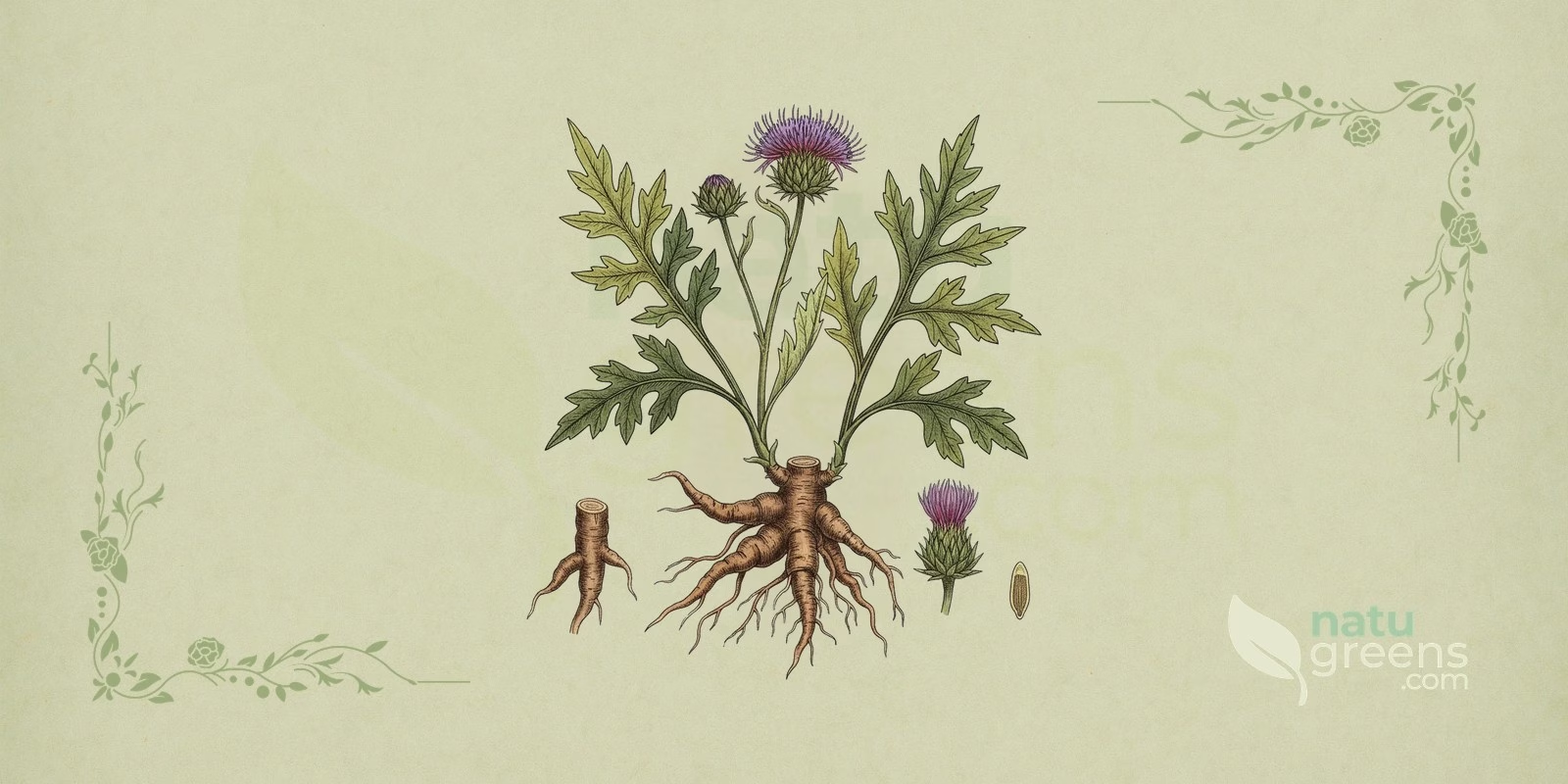
Common and International Names of Atractylodes
- Chinese: cang zhu (苍术), mao cang zhu (茅苍术), the form used for the rhizome of A. lancea in the Chinese herb trade.
- English: Atractylodes, Atractylodes Rhizome, Cangzhu.
- Japanese: hosoba-okera (ホソバオケラ), the name of the living plant, and sōjutsu (蒼朮), the name of the dried rhizome in the Japanese Pharmacopoeia.
- Korean: changchul (창출), the Korean reading of the same Chinese characters.
- Portuguese: atractilodes, cang zhu, rizoma-de-atractilodes.
- Thai: khod kha mao (โกฐเขมา).
Not to Be Confused with Atractylodes macrocephala (Bai Zhu)
Atractylodes should not be confused with Atractylodes macrocephala Koidz., whose rhizome is sold as bai zhu (白术) in Chinese medicine and as byakujutsu in kampo. The two herbal drugs are listed separately in the Chinese and Japanese pharmacopoeias and play different roles in formulas, with bai zhu associated with a more tonifying action and cang zhu with a more aromatic, "drying" action, according to the logic of traditional medicine. Another possible mix-up, based on the name alone, is with the Mediterranean genus Atractylis, which includes toxic species such as Atractylis gummifera and has no shared use with the Asian plant, which is why botanical identification of any purchased material is always essential.
Botanical Synonyms of Atractylodes
The name accepted by Plants of the World Online, the database maintained by the Royal Botanic Gardens, Kew, is Atractylodes lancea (Thunb.) DC., published in 1838 from the basionym Atractylis lancea Thunb. The status of Atractylodes chinensis (DC.) Koidz. is the most delicate point in the taxonomy of the group, because the literature uses the name variably: POWO treats it as a synonym of A. lancea, while the Chinese Pharmacopoeia and the Hong Kong materia medica standards keep it as a distinct species, the source of so-called bei cang zhu (北苍术), and the Japanese Pharmacopoeia accepts the rhizome of either one, including their hybrids, as sōjutsu. Some floras also place Atractylodes japonica within A. lancea, which explains why studies carried out in different countries do not always refer to exactly the same plant.
Botanical Family: Asteraceae
The Asteraceae family, also called Compositae, is one of the largest among flowering plants, with more than 20,000 species found in nearly every habitat on Earth. Its members are recognizable by the flower head, in which dozens of tiny florets cluster on a shared receptacle and look like a single flower. The genus Atractylodes belongs to the tribe Cardueae, the same as the thistles, which helps explain the spiny bracts surrounding the flower heads, and it includes only a few species, all confined to East Asia. Because it belongs to this family, the plant may share allergens with species such as ragweed, arnica, chamomile and chrysanthemum, a relevant point for anyone with a history of Asteraceae allergy.
Parts of Atractylodes Used
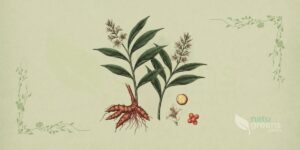
The part used is the rhizome, harvested in spring or autumn, separated from the aerial parts, dried in the sun and cleaned of its fine rootlets, as described in the official Hong Kong materia medica standards. The dried rhizome of A. lancea is irregular, knobby or bead-like, grayish brown to dark brown on the outside, and its cut surface shows reddish brown oil dots scattered through pale yellow tissue, along with a strong, distinctive aroma. Leaves, flowers and seeds have no significant traditional use, and in the trade the rhizome is usually sold in dried slices, either raw or dry-fried with wheat bran, a classic Chinese processing method that, according to tradition, softens its drying effect.
Ethnobotanical and Traditional Uses of Atractylodes
In traditional Chinese medicine, the rhizome is classified as pungent, bitter and warm in nature, and is used traditionally to "dry dampness" and "strengthen the spleen", concepts that in Western medical terms roughly correspond to complaints such as sluggish digestion, bloating, poor appetite, nausea and loose stools. Traditional use also covers joint pain made worse by damp weather, colds with a feeling of heaviness in the body and, in classical texts, night blindness. In Japan, sōjutsu is an ingredient of kampo formulas such as heiisan, traditionally indicated for stomach discomfort, and goreisan and saireito, used for their traditional diuretic action, while in Thai traditional medicine khod kha mao is used mainly for fever and the common cold. These records reflect centuries of practice, but they are not scientific proof of efficacy.
Medicinal Properties of Atractylodes
The properties listed below come, for the most part, from cell and animal studies, and none has been confirmed by robust clinical trials in humans, so they should be read as lines of research or as a reflection of traditional use.
- Anti-inflammatory activity (atractylodin reduced inflammatory markers in cell and animal models, with no equivalent study in patients)
- Antimicrobial activity (activity against some bacteria and fungi in laboratory tests, with no established clinical use)
- Antiulcer activity (observed in rodents and partly attributed to hinesol, which inhibited the gastric proton pump in isolated pig membranes)
- Diuretic action (supported mainly by traditional use in kampo and Chinese formulas, with limited experimental data)
- Effects on gastrointestinal motility (extracts altered gastric emptying and intestinal transit in animal models, a finding consistent with the traditional digestive use but without clinical confirmation)
- Immunomodulatory activity (polysaccharides stimulated macrophages in vitro, and a small phase I trial in 48 healthy volunteers recorded modest changes in immune cells, a preliminary result that does not indicate clinical benefit)
Detailed Phytochemical Profile of Atractylodes
Recent reviews have described more than 200 compounds in the rhizome, most notably the essential oil, rich in sesquiterpenes, and the polyacetylenes, which also serve as quality markers in Asian pharmacopoeias.
- Atractylenolides I, II and III (sesquiterpene lactones found in several species of the genus and widely studied in the laboratory)
- Atractylodin (a polyacetylene used as the reference substance for official identification of the rhizome in Hong Kong and one of the most investigated compounds of the species)
- Atractylon (a sesquiterpene whose content varies widely with species and origin, a feature used to tell apart herbal drugs from the genus)
- Beta-eudesmol (a sesquiterpene alcohol abundant in the essential oil of A. lancea, linked to its aroma and to the white crystals that form on the surface of stored rhizomes)
- Hinesol (a sesquiterpene characteristic of A. lancea, used together with beta-eudesmol to assess the quality of material from different regions)
- Inulin and polysaccharides (storage carbohydrates typical of Asteraceae, with fractions studied for their activity on immune cells in vitro)
- Stigmasterol and beta-sitosterol (phytosterols common to many plants, also identified in the rhizome)
Preparation and Administration of Atractylodes
The most common traditional form is a decoction of the sliced rhizome, almost always combined with other herbs in a formula prescribed by a Chinese medicine practitioner rather than taken alone as a home remedy. In Japan, sōjutsu is mainly consumed as a component of standardized kampo extracts in granules or tablets, which are regulated as medicines, while in Thailand capsules of a standardized extract have been developed for clinical research. Because traditional doses vary with the formula, the processing of the rhizome and the condition of the person using it, there is no defined safe dose for self-medication, and decisions about amount and duration should be left to a qualified professional.
Synergy with Other Medicinal Plants
Traditional Pairing for the Stomach
The best-known combination is ping wei san, called heiisan in Japan, a classical formula that brings together atractylodes, magnolia bark (Magnolia officinalis), tangerine peel (Citrus reticulata), licorice (Glycyrrhiza uralensis), ginger (Zingiber officinale) and jujube (Ziziphus jujuba), traditionally indicated for a feeling of fullness in the stomach, nausea and loss of appetite. In this traditional logic, the aromatic herbs would add to the digestive role of atractylodes, although no such synergy has been shown in controlled clinical studies.
Traditional Pairing for Joints and Dampness
In the formula er miao san, atractylodes appears alongside phellodendron bark (Phellodendron chinense), a pairing that Chinese medicine uses for what it describes as "damp heat" in the legs and joints. Ethnopharmacological reviews list this duo as one of the most frequent in the tradition, but the available data on it are essentially experimental, and any combination of this kind calls for professional supervision.
Recipes and Usage Protocols for Atractylodes
Traditional Rhizome Decoction
In Chinese medicine records, the sliced rhizome is simmered in water for about 20 to 30 minutes, usually together with the other herbs of the formula, and the strained liquid is divided into doses throughout the day. The amount of rhizome, the length of use and the accompanying herbs are set case by case by the practitioner, which is why this article gives no dose for home preparation. These uses follow traditional records and do not replace professional advice.
Standardized Kampo Extracts
People who come across atractylodes in Japan usually find it in manufactured extracts of formulas such as heiisan or goreisan, sold in sachets of granules with a daily dose set by the manufacturer and local regulations. These products are medicines with their own indications, and their use should follow the package insert and the advice of a doctor or pharmacist, especially for people already taking other medications.
The preparations above follow traditional records and do not replace professional guidance. Before any internal use, check the contraindications and interactions described in this article.
Practices Associated with Atractylodes
Clinical Herbal Medicine
In evidence-based clinical herbal medicine, atractylodes is still a research plant, with no European Medicines Agency monograph and no clinical trials supporting specific indications. The most cited human study is a phase I trial carried out in Thailand with 48 healthy adults, in which capsules providing 1,000 mg of standardized extract per day for 21 days were well tolerated and caused no relevant adverse events, a result that speaks to short-term tolerability, not efficacy. The same research group is investigating the extract as a candidate in early studies on cholangiocarcinoma, a cancer of the bile ducts, but this line of research does not justify any use outside clinical protocols.
Traditional Chinese Medicine and Kampo
There is no consistently documented homeopathic use of atractylodes, and its place in tradition lies in Chinese medicine and Japanese kampo, systems in which the rhizome is rarely used on its own. In these systems, the choice between cang zhu and bai zhu, the processing method and the combination with other herbs depend on a traditional diagnosis made by a trained practitioner, not on a generic indication for digestive symptoms.
Contraindications and Side Effects of Atractylodes
Atractylodes is a rhizome of Chinese medicine and Japanese kampo used traditionally for digestive complaints, and this history of use is no substitute for safety data. There are no robust safety data for pregnancy and breastfeeding, and the phase I clinical trial excluded pregnant and breastfeeding women, so the recommendation is to avoid use during these periods as a precaution. People sensitive to plants of the Asteraceae family, such as ragweed, arnica, calendula, chamomile or chrysanthemum, may experience cross-allergy and should avoid the rhizome or use it only under medical guidance. Chinese medicine also traditionally advises against atractylodes for people with a dry mouth, excessive sweating or signs of what it calls "yin deficiency", since it considers the herb warm and drying. No safe dose has been established for children, and the safety of long-term use in humans has not been studied, as the largest available trial lasted only 21 days.
Drug Interactions
Laboratory studies have shown that beta-eudesmol and atractylodin weakly inhibit liver enzymes that metabolize drugs, particularly CYP2C19 and CYP3A4, and that prolonged administration in mice reduced the activity of enzymes equivalent to CYP1A2 and CYP3A. This raises a theoretical risk of interaction with medicines processed through these pathways, such as some anticoagulants, antidepressants, antiepileptics and immunosuppressants. The authors of the phase I trial also advised caution in people with bleeding disorders or taking anticoagulants and antiplatelet drugs, based on effects on platelets observed in vitro. Anyone on long-term medication, especially drugs with a narrow safety margin, should talk to their doctor before using atractylodes, and use should be stopped well in advance of surgery.
Curiosities and Historical Facts
The genus name means "resembling Atractylis", another Asteraceae genus whose name comes from the Greek atraktos, spindle, a reference to the ancient use of the stems of these plants for spinning. "Zhu" already appears in the Shennong Bencao Jing, the oldest surviving Chinese materia medica, among the superior class of drugs, and only in later texts did the tradition clearly distinguish cang zhu from bai zhu. A curious detail of the A. lancea rhizome is that, after some time in storage, it can become covered with fine, needle-shaped white crystals formed by components of the essential oil, a sign that Chinese merchants traditionally read as an indication of good quality.
Frequently Asked Questions About Atractylodes
Are Atractylodes and Bai Zhu the Same Plant?
No. Atractylodes (cang zhu) is the rhizome of Atractylodes lancea, sometimes also of A. chinensis, while bai zhu comes from Atractylodes macrocephala, a different species of the same genus with its own entry in Asian pharmacopoeias and distinct uses in traditional medicine, so the two should not be substituted for each other.
Can Pregnant or Breastfeeding Women Use Atractylodes?
There are no robust safety data for pregnancy and breastfeeding, and human studies specifically excluded these groups, so the advice is to avoid use as a precaution throughout pregnancy and breastfeeding.
Is There Scientific Evidence for Its Digestive Use?
Not yet. The effects on intestinal motility, gastric secretion and ulcers were observed in cells and animals, and the only available clinical trial assessed tolerability and immune markers in healthy people without measuring any digestive benefit, which keeps the digestive use within the realm of tradition.
Can Atractylodes Interact with Medications?
It can, at least in theory. Compounds from the rhizome altered drug-metabolizing liver enzymes in laboratory studies and in mice, and there are in vitro signs of an effect on platelets, so anyone taking anticoagulants or long-term medication should consult their doctor before any use.
Why Does the Dried Rhizome Become Covered in White Crystals?
The needle-shaped crystals that appear on the surface of the stored rhizome are formed by components of the essential oil, such as beta-eudesmol and hinesol, and are a known feature of A. lancea material, not a sign of mold, although any change in smell or appearance deserves attention.
Notice: this content is for informational purposes and does not replace professional medical advice. Consult a physician or herbal practitioner before using medicinal plants, especially during pregnancy, breastfeeding, or alongside medication.
How to cite this article
NATUGREENS. Atractylodes (Atractylodes lancea): Uses, Rhizome and Safety. Natugreens, 22 Nov. 2026. Disponível em: https://natugreens.com/atractylodes-lancea-atractylodes/. Accessed: Nov. 22, 2026.
Natugreens. (2026). Atractylodes (Atractylodes lancea): Uses, Rhizome and Safety. Natugreens. https://natugreens.com/atractylodes-lancea-atractylodes/
References and Scientific Studies
View All 11 Cited References
Peer-Reviewed Scientific Studies (9)
- DOI2020 Ishii, T., Okuyama, T., Noguchi, N., et al. (2020). Antiinflammatory constituents of Atractylodes chinensis rhizome improve glomerular lesions in immunoglobulin A nephropathy model mice. Journal of Natural Medicines, 74(1), 51-64. ↗
- DOI2018 Jun, X., Fu, P., Lei, Y., Cheng, P. (2018). Pharmacological effects of medicinal components of Atractylodes lancea (Thunb.) DC. Chinese Medicine, 13, 59. ↗
- DOI2014 Koonrungsesomboon, N., Na-Bangchang, K., Karbwang, J. (2014). Therapeutic potential and pharmacological activities of Atractylodes lancea (Thunb.) DC. Asian Pacific Journal of Tropical Medicine, 7(6), 421-428. ↗
- DOI2021 Kulma, I., Panrit, L., Plengsuriyakarn, T., et al. (2021). A randomized placebo-controlled phase I clinical trial to evaluate the immunomodulatory activities of Atractylodes lancea (Thunb) DC. in healthy Thai subjects. BMC Complementary Medicine and Therapies, 21, 61. ↗
- DOI2021 Na-Bangchang, K., Kulma, I., Plengsuriyakarn, T., et al. (2021). Phase I clinical trial to evaluate the safety and pharmacokinetics of capsule formulation of the standardized extract of Atractylodes lancea. Journal of Traditional and Complementary Medicine, 11(4), 343-355. ↗
- DOI2024 Qu, Z., Liu, H., Zhang, Z., Zheng, P., Zhao, S., Hou, W. (2024). Phytochemistry and pharmacology of sesquiterpenoids from Atractylodes DC. genus rhizomes. Molecules, 29(6), 1379. ↗
- DOI2021 Shirahata, T., Ishikawa, H., Kudo, T., et al. (2021). Metabolic fingerprinting for discrimination of DNA-authenticated Atractylodes plants using 1H NMR spectroscopy. Journal of Natural Medicines, 75(3), 475-488. ↗
- DOI2023 Thiengsusuk, A., Plengsuriyakarn, T., Na-Bangchang, K. (2023). Modulatory effects of atractylodin and beta-eudesmol on human cytochrome P450 enzymes: potential drug-drug interactions. Molecules, 28(7), 3140. ↗
- DOI2021 Zhang, W. J., Zhao, Z. Y., Chang, L. K., et al. (2021). Atractylodis Rhizoma: a review of its traditional uses, phytochemistry, pharmacology, toxicology and quality control. Journal of Ethnopharmacology, 266, 113415. ↗
Supplementary Readings (2)
You May Also Like
Take your time and tell us everything you think, details included. Every response is read by someone on our editorial team and goes into the article's revision. An honest critique helps us more than a polite compliment.
Take your time and tell us everything you think, details included. Every response is read by someone on our editorial team and goes into the article's revision. An honest critique helps us more than a polite compliment.