Quick summary
Patchouli (Pogostemon cablin (Blanco) Benth.), commonly known as patchouli and sometimes spelled patchouly, is a perennial herbaceous plant of the Lamiaceae family, originally described by Francisco Manuel Blanco under the name Mentha cablin and later transferred to the genus Pogostemon by George Bentham. Native to…
Main caution: Patchouli essential oil, which concentrates patchoulol, alpha-bulnesene and pogostone, should be reserved for aromatic use and for topical use diluted at a low concentration in a vegetable oil, always with a prior skin…
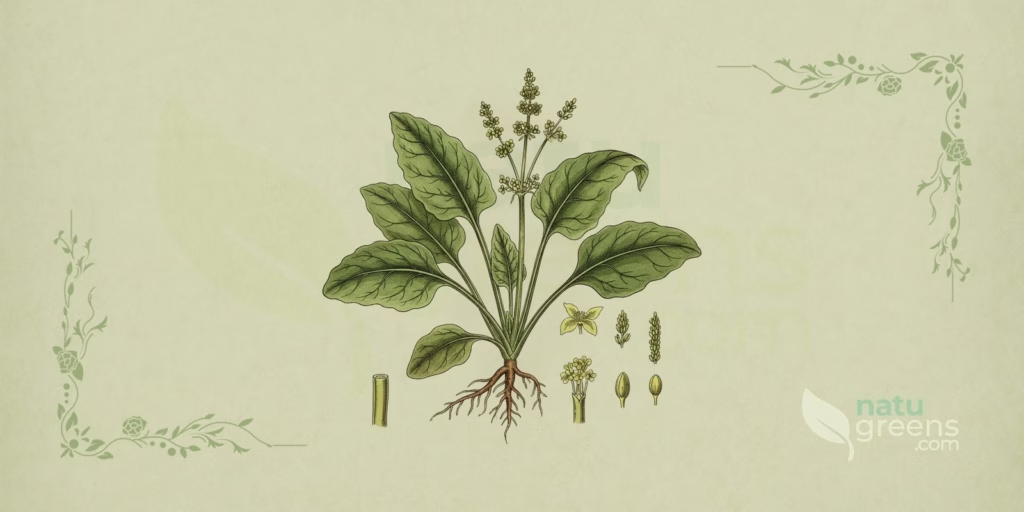
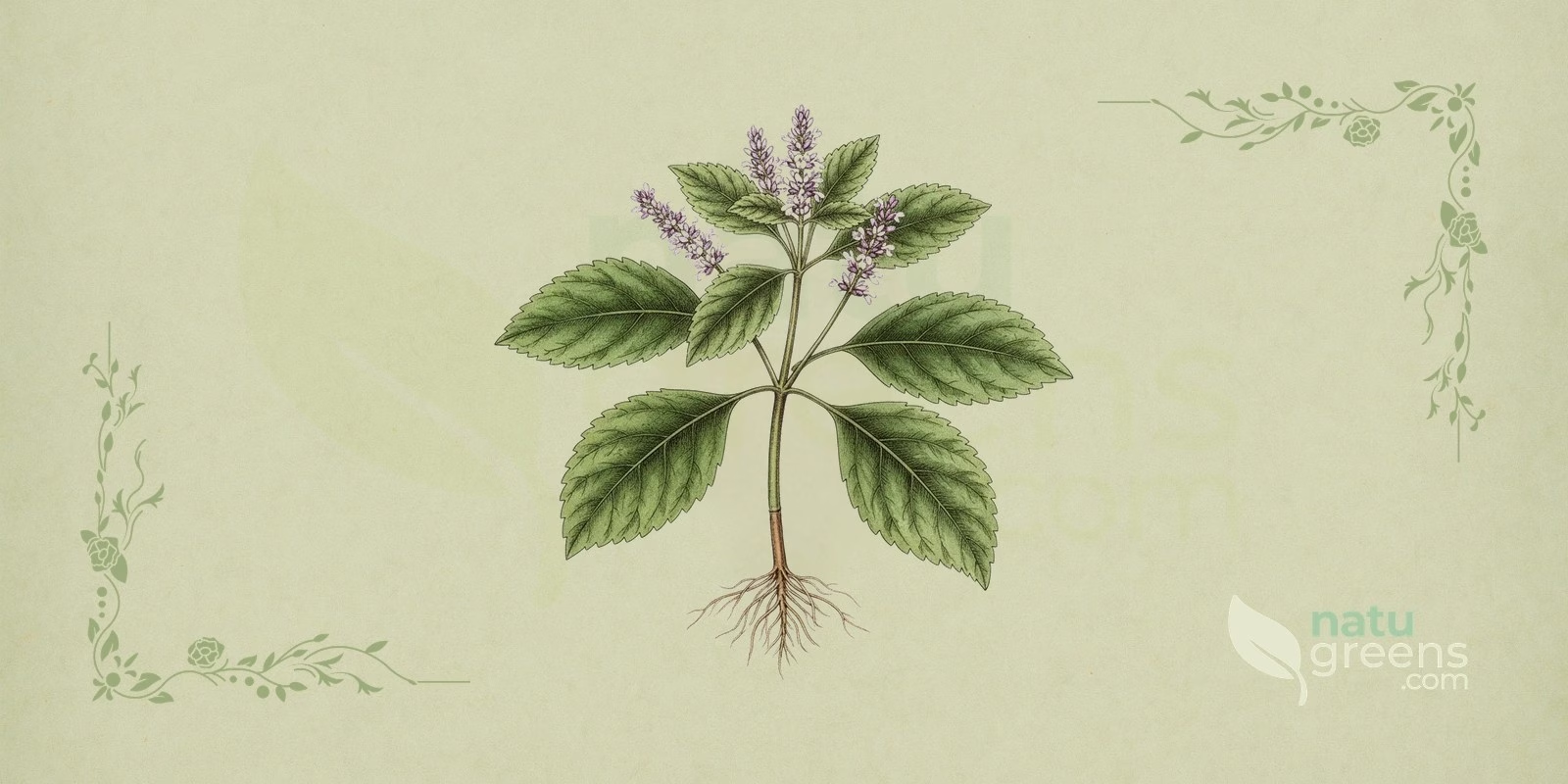
Patchouli (Pogostemon cablin (Blanco) Benth.), commonly known as patchouli and sometimes spelled patchouly, is a perennial herbaceous plant of the Lamiaceae family, originally described by Francisco Manuel Blanco under the name Mentha cablin and later transferred to the genus Pogostemon by George Bentham. Native to Southeast Asia, the species is grown in tropical and subtropical regions for its valuable essential oil, which has been used for centuries in perfumery, traditional medicine and aromatherapy. It grows as a dense shrub reaching about one meter in height, with large, velvety leaves and small flowers ranging from pale pink to white.
In traditional Asian medicine, especially in China and India, patchouli holds a prominent place and appears in records of use for digestive complaints, fever and headaches, and it has also served as a folk remedy for insect bites and snakebites. Its chemical composition is complex and rich in sesquiterpenes such as patchoulol, pogostone and alpha-bulnesene, substances that laboratory studies associate with anti-inflammatory, antimicrobial and antioxidant activity. Contemporary research has been examining some of these ancestral uses, but most of the evidence still comes from preclinical studies, without confirmation in robust clinical trials.
Popular and International Names of Patchouli
- English: patchouli, patchouly.
- Chinese (pinyin): guang huo xiang.
- French: patchouli.
- German: Patchouli.
- Italian: patchouli.
- Portuguese: oriza, patchouli, patchouly, patchuli (in Brazil, these names are also frequently applied to another species of the genus, as explained in the synonyms section).
- Spanish: pachulí.
Botanical Synonyms of Pogostemon cablin
- Mentha cablin Blanco
- Pogostemon patchouly Pellet.
Mentha cablin Blanco is the name under which the plant was first described and it appears in historical publications, while Pogostemon patchouly Pellet. circulated in the pharmaceutical and perfumery literature of the nineteenth century. Although Pogostemon cablin (Blanco) Benth. is today the name accepted by the reference taxonomic databases, knowing these synonyms helps to locate older studies and to read the botanical and pharmacological literature correctly.
There is also a practical confusion that deserves attention in Brazil, because the backyard plant called “patchouli” or “oriza” there is often Pogostemon heyneanus Benth., known as Java patchouli, a different species whose oil is considered of lower quality. Commercial essential oil and the herbal drug of Traditional Chinese Medicine (Pogostemonis Herba, or guang huo xiang) come from Pogostemon cablin, so the information in this article should not be transferred automatically to plants grown in home gardens without a reliable botanical identification.
Botanical Family: Lamiaceae
The Lamiaceae family, formerly called Labiatae, is a vast and diverse group of flowering plants that comprises about 236 genera and more than 7,000 species, generally recognizable by their square stems, opposite leaves and two-lipped flowers, which are often aromatic. Its economic and medicinal importance is enormous, since it includes culinary herbs such as mint, rosemary, thyme and oregano, as well as numerous ornamental and medicinal plants, many of them rich in the essential oils responsible for their characteristic scent.
As a member of the Lamiaceae, patchouli shares several distinctive traits of the family, among them the glandular trichomes on the leaves, which produce and store the essential oil. The family also stands out for its ability to synthesize a wide range of bioactive compounds, such as terpenoids, flavonoids and phenolic acids, which are investigated in the laboratory for anti-inflammatory, antioxidant and antimicrobial activity, and this chemical diversity explains why so many plants of the mint family attract the interest of herbal medicine and the pharmaceutical industry.
Parts of Patchouli Used
- Branches
- Essential oil (obtained by distilling the leaves)
- Leaves
- Stems
Ethnobotanical and Traditional Uses
- Antiseptic cleansing of minor wounds (folk use)
- Aromatherapy during periods of stress and low spirits (traditional practice, not a substitute for treating depression)
- Common cold (traditional record)
- Digestive discomfort such as summer diarrhea and stomach ache (traditional TCM record)
- Fever (traditional record)
- Headaches (traditional record)
- Insect bites and snakebites (traditional record, not a substitute for emergency medical care)
- Moth and insect repellent for stored fabrics
- Nausea and vomiting (traditional TCM record, under study)
- Skin complaints such as eczema, acne and cracked skin (traditional topical use)
- Superficial fungal infections (folk use, under study)
Therapeutic Properties of Patchouli
- Antibacterial (inhibition of bacterial growth observed in laboratory studies)
- Antidepressant (effect investigated in animal models, without clinical proof)
- Antiemetic (traditional record against nausea and vomiting, under study)
- Antifungal (activity against fungi observed in vitro)
- Anti-inflammatory (reduction of inflammatory markers in preclinical studies)
- Antimicrobial (action on various microorganisms in laboratory assays)
- Antioxidant (neutralization of free radicals in in vitro tests)
- Antiproliferative (activity observed in laboratory studies, without clinical proof)
- Antiseptic (traditional use in cleaning minor wounds)
- Antithrombotic (antiplatelet effect in a preclinical study)
- Antiviral (activity observed in cells and animal models)
- Diuretic (traditional record of increased urine production)
- Febrifuge (traditional record of use in feverish states)
- Fibrinolytic (clot dissolution observed in preclinical studies)
- Immunomodulatory (modulation of the immune response in experimental studies)
- Insect Repellent (repellent effect observed in assays with mosquitoes and termites)
- Sedative (mild relaxing effect described in tradition and in animal models)
- Wound Healing (traditional record of supporting skin healing)
Detailed Phytochemical Profile of Patchouli
- Aldehydes
- Alkaloids
- Alpha-bulnesene
- Alpha-guaiene
- Alpha-humulene
- Alpha-patchoulene
- Beta-caryophyllene (trans-caryophyllene)
- Beta-patchoulene
- Flavonoids (e.g., apigenin, pachypodol)
- Glycosides
- Lignins
- Monoterpenes (e.g., beta-pinene, camphor, limonene)
- Norpatchoulenol
- Organic acids
- Pachypodol
- Patchoulol (patchouli alcohol)
- Phytosterols
- Pogostone
- Sesquiterpenes (e.g., germacrene B, norpatchoulenol, seychellene, zizanal)
Patchoulol is the main quality marker of the essential oil and accounts for much of its earthy, woody aroma, whereas pogostone and alpha-bulnesene are the focus of pharmacological research. Pachypodol, a flavonoid found in the leaves, has been the subject of recent reviews that gather laboratory results on its antioxidant and anti-inflammatory activity.
Preparation and Administration Forms of Patchouli
- Decoction (leaves and stems, following TCM tradition)
- Essential oil (for aromatic and diluted topical use only, never taken orally)
- Extracts (fluid and dry, only under professional guidance)
- Infusion (dried leaves)
- Tincture
Dried leaves are the basis of traditional water-based preparations, while the essential oil, being highly concentrated, is limited to diffusion in the room and to application on the skin after dilution at a low concentration in a vegetable oil. Extracts and tinctures vary widely in strength from one manufacturer to another, which is why their use should be discussed with a healthcare professional.
Synergy with Other Medicinal Plants
Relaxation and Stress Relief
In aromatherapy, patchouli is often combined with lavender (Lavandula angustifolia) and ylang-ylang (Cananga odorata) in blends traditionally used to encourage relaxation in tense moments. The idea brings together the earthy notes of patchouli sesquiterpenes, the floral esters of lavender and the sweet fragrance of ylang-ylang in a blend for diffusers or for well-diluted massage oils, although this does not represent a treatment for anxiety or other disorders.
Topical Skin Care
For topical preparations of cosmetic use, patchouli is paired with tea tree (Melaleuca alternifolia) and calendula (Calendula officinalis), a combination traditionally used in the hygiene of small cuts, pimples and mild irritations. Patchoulol, the terpinen-4-ol of tea tree and the flavonoids of calendula are studied in the laboratory for complementary antimicrobial and anti-inflammatory activity, but deep or infected wounds, or wounds that do not heal, need medical evaluation.
Natural Insect Repellent
Mixing patchouli essential oil with citronella (Cymbopogon nardus) and lemon eucalyptus (Eucalyptus citriodora) is a traditional record of an aromatic repellent, and assays with essential oils have already observed a repellent effect of patchouli on mosquitoes. Patchoulol and alpha-bulnesene add to the citronellal present in citronella and lemon eucalyptus, and the combination can be used in diffusers or candles for outdoor areas; it is not a substitute for registered repellents in areas with dengue, Zika, chikungunya or malaria transmission.
Recipes and Usage Protocols of Patchouli
Traditional Patchouli Leaf Infusion
Ingredients: a small amount of dried patchouli leaves of identified origin and 200 ml of boiling water.
Preparation: Place the leaves in a cup, pour the boiling water over them, cover and let steep for 5 to 7 minutes before straining. Leaf infusion is a traditional TCM use for nausea, “dampness” and summer diarrhea, still under study, and it is also drunk in tense moments because of its reputation as a mild calming agent. Use it in moderation and for a short time, avoid combining it with alcoholic drinks or sedatives and ask a healthcare professional about how often and for how long to use it.
Aromatic Massage Oil
Ingredients: a minimal amount of patchouli essential oil and a carrier vegetable oil, such as sweet almond or jojoba oil, in a dark glass bottle.
Preparation: Dilute the essential oil in the vegetable oil at a low concentration, mixing well before each use, and do a skin patch test on a small area of the forearm 24 hours before the first application. Gently massage areas of tension until absorbed, as part of a relaxing moment, and stop using it if redness or itching appears. Because safety under sun exposure has not been well studied, prefer applying it to covered areas or in the evening, and consult a healthcare professional in case of persistent pain.
Aromatic Skin Compress
Ingredients: one drop of patchouli essential oil previously diluted in a teaspoon of vegetable oil, 100 ml of warm water and a clean cloth or gauze.
Preparation: Mix the oil dilution into the warm water, dip the cloth, wring out the excess and rest it on an area of intact skin for 10 to 15 minutes, as a traditional record of care for eczema, acne and dry skin. Do not apply it to open wounds, mucous membranes or highly inflamed skin, do a patch test first and seek dermatological advice if the condition persists or worsens.
Aromatic Repellent Spray
Ingredients: patchouli and citronella essential oils in a small proportion, 50 ml of grain alcohol and 50 ml of distilled water.
Preparation: In a bottle with a spray nozzle, dissolve the essential oils in the grain alcohol, shake well, add the distilled water and shake again, repeating the shaking before each use. Spray preferably on clothing, curtains and outdoor areas and, if you plan to apply it to the skin, do a patch test first and avoid the face and mucous membranes. Do not use it on young children, and remember that this spray is a traditional record, without the proven efficacy of registered repellents.
The preparations above follow traditional records and do not replace professional guidance. Before any internal use, check the contraindications and interactions described in this article.
Associated Therapies
Aromatherapy
Patchouli essential oil is widely used in aromatherapy, which attributes relaxing, aphrodisiac and emotionally grounding qualities to it. In the aromatherapy tradition, inhaling the earthy, woody aroma in diffusers or vaporizers serves to create a calm atmosphere during stressful periods, and in massage, always diluted in vegetable oils, patchouli is part of muscle relaxation and skin care protocols, while it is also symbolically associated with courage and boldness. These practices complement, but do not replace, the follow-up of anxiety or depression by qualified professionals.
Herbal Medicine
In herbal medicine, patchouli leaves go into preparations intended, according to tradition, for inflammation, mild infections and digestive disorders. Researchers are investigating compounds such as patchoulol and pogostone for formulations aimed at skin problems, such as eczema and acne, and at modulating the immune response, although this work is still mostly at the preclinical stage. The dose and form of administration of extracts and tinctures depend on each case and should be set by a healthcare professional.
Traditional Chinese Medicine (TCM)
In Traditional Chinese Medicine, patchouli (guang huo xiang) is described as an herb that harmonizes the Stomach and Spleen, dispels dampness and summer heat and relieves nausea and vomiting, which is why it appears in traditional formulas used for colds, fevers, headaches and gastrointestinal disorders. TCM also credits it with the ability to move Qi and resolve stagnation, concepts specific to that medical system that do not correspond to Western medical diagnoses and whose use calls for the guidance of a qualified practitioner.
Contraindications and Side Effects of Patchouli
General Contraindications
Patchouli essential oil, which concentrates patchoulol, alpha-bulnesene and pogostone, should be reserved for aromatic use and for topical use diluted at a low concentration in a vegetable oil, always with a prior skin patch test, and it must not be swallowed, because ingesting essential oil causes nausea, vomiting and central nervous system depression. During pregnancy and breastfeeding, the essential oil and extracts should be avoided, and the essential oil should not be applied to young children. People with a known sensitivity to plants of the Lamiaceae family or to any component of patchouli should also avoid using it to stay clear of allergic reactions.
Leaf infusion is a traditional TCM use for nausea, “dampness” and summer diarrhea, still under study, and it should not be understood as a proven treatment for these conditions. It is also important to tell the species apart: in Brazil, the backyard plant called “patchouli” or “oriza” is usually Pogostemon heyneanus (Java patchouli), a different species with an inferior oil, whereas commercial essential oil and the TCM herbal drug come from Pogostemon cablin.
Side Effects and Precautions
When used appropriately, patchouli is usually well tolerated, but excessive use or applying undiluted essential oil directly to the skin can cause irritation, redness or contact dermatitis. In rare cases, prolonged inhalation of high concentrations of the oil causes dizziness or headache, so it is advisable to ventilate the room and limit diffusion time. Phototoxicity of patchouli oil is not documented, but this does not mean its safety in the sun has been demonstrated, so caution with sun exposure after application remains advisable.
Drug Interactions
Because patchouli has a mild sedative effect, caution is needed when combining it with alcohol and sedatives, and since an antiplatelet effect has been observed in a preclinical study, people taking anticoagulants or antiplatelet drugs should take the same care. People on antidepressants, blood sugar lowering drugs or medicines for chronic diseases should also consult a healthcare professional before starting to use it, since some components of the plant may, in theory, influence liver enzymes involved in drug metabolism and alter the efficacy or side effects of other medicines.
Historical Notes and Interesting Facts
Patchouli has a long and rich history of use. In ancient India it scented incense and oils, and its dried leaves were placed among silk and cashmere fabrics to keep moths away and give the garments an unmistakable aroma, which helped the plant’s scent become a byword for luxury and exoticism along the silk trade routes, according to the commercial tradition of the time.
In the nineteenth century, patchouli became popular in Europe, especially in the Victorian era, when it began to appear in potpourris, perfumes and sachets for sheets and clothing, and its association with the East and with mysticism reinforced its aura of mystery. It was in the 1960s and 1970s, however, that it reached the height of its popularity in the West and became an emblematic scent of the hippie movement, its strong, earthy smell linked to the idea of freedom, nature and counterculture in oils, incense and personal perfumes.
Beyond its aromatic and medicinal uses, patchouli has had some unexpected applications. In 1985, the American toy maker Mattel added patchouli oil to the plastic of the Stinkor figure, from the Masters of the Universe line, to give the character a strong smell in keeping with his name, an episode that shows how the plant’s aroma became part of popular culture.
Another curiosity is the confusion of names in Brazil, where many people grow in their backyards a plant called patchouli or oriza which, in fact, is usually Pogostemon heyneanus, the Java patchouli, and not the species used in perfumery and in TCM.
Frequently Asked Questions about Patchouli
Can Patchouli Tea Help Reduce Stress and Anxiety?
Patchouli leaf infusion is traditionally used as a mild calming agent, and studies in animal models are investigating the sedative effect of compounds such as patchoulol, without proof in humans. Consumption should be moderate and occasional, without combining it with alcohol or sedatives. Persistent anxiety needs evaluation by a healthcare professional.
What Are the Uses of Patchouli Essential Oil on the Skin?
In aromatherapy and cosmetic tradition, patchouli essential oil is applied in care for acne, eczema, dermatitis and cracked skin, and laboratory studies point to antiseptic and anti-inflammatory activity. These findings have not yet been confirmed in consistent clinical trials. The oil should always be diluted at a low concentration in a vegetable oil, with a prior skin patch test, and should not be used on young children.
Does Patchouli Have Contraindications or Side Effects?
Yes, the essential oil and extracts should be avoided during pregnancy and breastfeeding, and the essential oil should not be applied to young children or swallowed, because ingestion causes nausea, vomiting and central nervous system depression. Undiluted oil can irritate the skin, and anyone taking sedatives or anticoagulants should be cautious. People allergic to plants of the Lamiaceae family should avoid using it.
How Is Patchouli Used in Aromatherapy?
In aromatherapy, patchouli essential oil is valued for its earthy, woody aroma, traditionally associated with grounding, relaxation and emotional balance. It can be diffused in the room in short sessions with good ventilation or added, well diluted, to massage oils. Tradition also regards it as an aphrodisiac and a source of courage, symbolic attributions without scientific proof.
Where Is Patchouli Grown and Where Does It Come From?
Patchouli is native to Southeast Asia, including regions such as Sri Lanka, Indonesia, Malaysia, New Guinea and the Philippines, and today it is cultivated in tropical and subtropical climates on several continents. Indonesia is the world’s largest producer of patchouli oil. The plant thrives in warm, humid conditions, but without prolonged exposure to direct sunlight.
Is the Backyard Patchouli in Brazil the Same Plant as the Commercial Oil?
Not always, because in Brazil the backyard plant called “patchouli” or “oriza” is often Pogostemon heyneanus, the Java patchouli, a different species with an inferior oil. Commercial essential oil and the TCM herbal drug (Pogostemonis Herba, guang huo xiang) come from Pogostemon cablin. Before any use, it is worth confirming the botanical identification of the plant.
Notice: this content is for informational purposes and does not replace professional medical advice. Consult a physician or herbal practitioner before using medicinal plants, especially during pregnancy, breastfeeding, or alongside medication.
How to cite this article
NATUGREENS. Patchouli (Pogostemon cablin): Properties and Benefits. Natugreens, 4 Nov. 2026. Disponível em: https://natugreens.com/patchouli-pogostemon-cablin/. Accessed: Nov. 4, 2026.
Natugreens. (2026). Patchouli (Pogostemon cablin): Properties and Benefits. Natugreens. https://natugreens.com/patchouli-pogostemon-cablin/
References and Scientific Studies
- PMC2023 Fatima S, et al. A Comprehensive Review on Pharmacological Activities of Pachypodol: A Bioactive Compound of an Aromatic Medicinal Plant Pogostemon Cablin Benth.. Molecules. 2023.
- PMC2021 Junren C, et al. Pharmacological activities and mechanisms of action of Pogostemon cablin Benth: a review. Chin Med. 2021.
- PMC2025 Mrisho II, et al. Unlocking the Therapeutic Potential of Patchouli Leaves: A Comprehensive Review of Phytochemical and Pharmacological Insights. Plants (Basel). 2025.
- PMC2015 Swamy MK, et al. A Comprehensive Review on the Phytochemical Constituents and Pharmacological Activities of Pogostemon cablin Benth.: An Aromatic Medicinal Plant of Industrial Importance. Molecules. 2015.
- PMC2022 Xu F, et al. Traditional Uses, Phytochemistry, Pharmacology, Quality Control, Industrial Application, Pharmacokinetics and Network Pharmacology of Pogostemon cablin: A Comprehensive Review. Am J Chin Med. 2022.