Quick summary
Scutellaria lateriflora L. / American Skullcap is a perennial herbaceous plant of the Lamiaceae family, native to North America and valued for centuries by the traditions that use it as a calming herb. In English it is known as American skullcap, blue skullcap, mad dog skullcap or simply skullcap, while in Brazil it…
Main caution: American skullcap is generally considered safe when used correctly and sourced from a reliable supplier. Even so, there are clear contraindications and adverse effects described in the specialized literature. Reported…
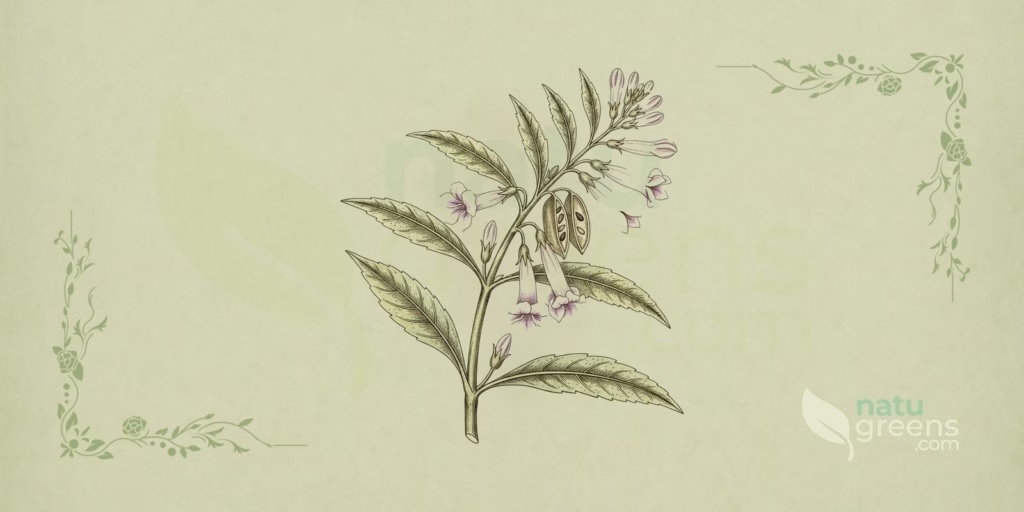
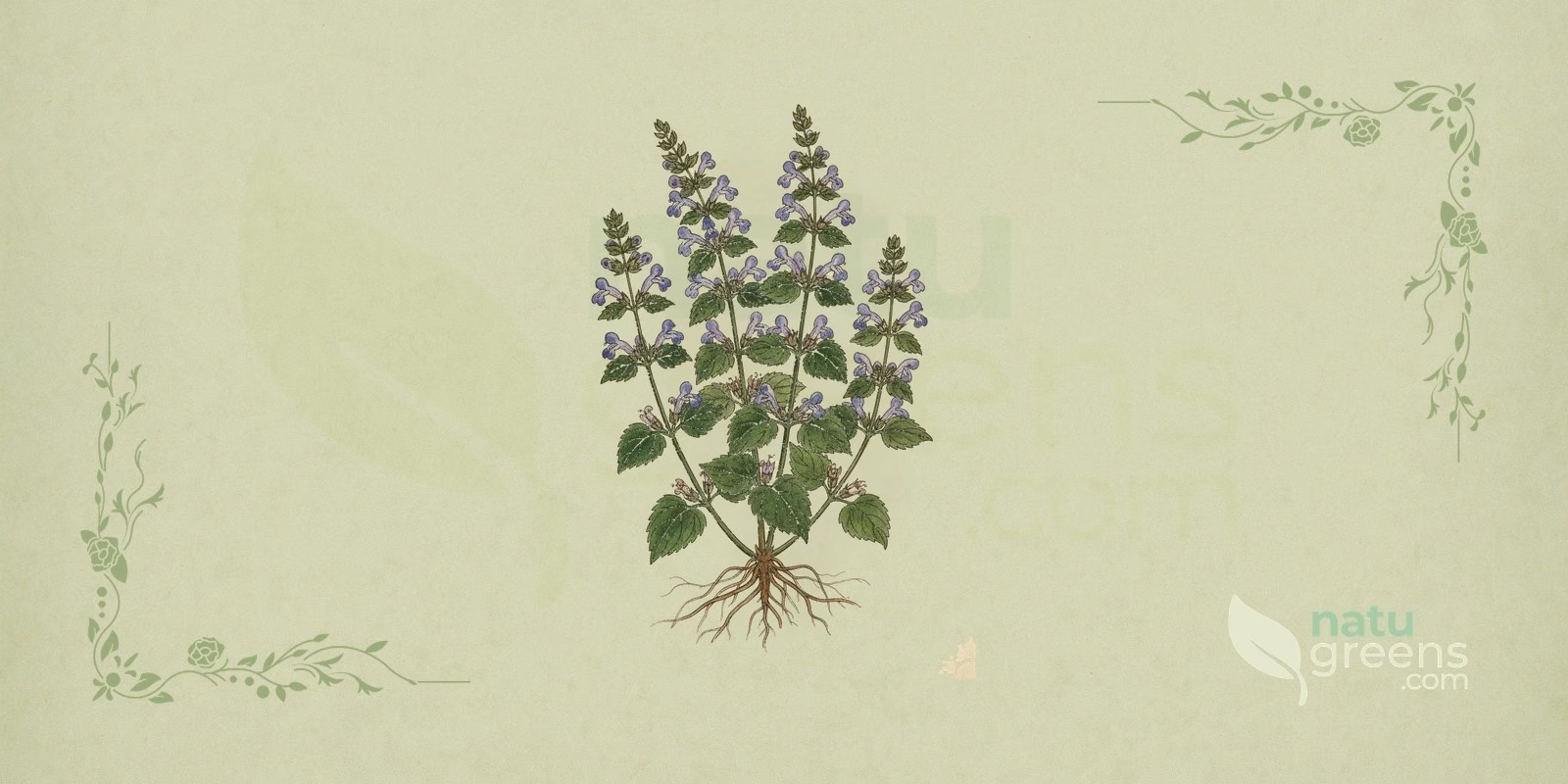
Scutellaria lateriflora L. / American Skullcap is a perennial herbaceous plant of the Lamiaceae family, native to North America and valued for centuries by the traditions that use it as a calming herb. In English it is known as American skullcap, blue skullcap, mad dog skullcap or simply skullcap, while in Brazil it goes by escutelária-americana or solidéu. Throughout history it was used by several Indigenous peoples of North America and eventually became part of the European-derived traditional medicine that still relies on it today. Its small, blue, trumpet-shaped flowers open from July to September. The plant thrives in moist habitats such as marshes and meadows, which reflects its adaptation to rather specific environments. Modern research has examined its bioactive compounds, above all the flavonoids, in laboratory studies, in animals and in small groups of volunteers. These findings, however, are still preliminary and are not enough to confirm the traditional uses.
Popular and International Names of American Skullcap
Used on its own, the name skullcap is ambiguous, because it refers to more than one species of the genus Scutellaria. For that reason, American skullcap is the most precise English form for identifying Scutellaria lateriflora in texts, recipes and product labels.
- English: American skullcap, blue skullcap, hoodwort, mad dog skullcap, scullcap, side-flowering skullcap.
- French: scutellaire latériflore.
- German: Helmkraut, Virginisches Helmkraut.
- Italian: scutellaria, scutellaria lateriflora.
- Portuguese: escutelária, escutelária-americana, skullcap, solidéu.
- Spanish: escutelaria, escutelaria de Virginia, tercianaria.
Botanical Synonyms of Scutellaria lateriflora
The botanical literature records Cassida lateriflora (L.) as a synonym of Scutellaria lateriflora L. This name reflects an older classification in which the species had been moved to another genus, and it is no longer accepted by the reference taxonomic databases.
Botanical Family: Lamiaceae
Scutellaria lateriflora belongs to the Lamiaceae, commonly known as the mint family. It is one of the largest and most diverse families of flowering plants, with about 7,200 species distributed around the world. Members of the Lamiaceae are characterized by square stems, opposite leaves and two-lipped flowers, often grouped in whorled inflorescences. Many species in the family are prized for their aromatic, culinary and medicinal qualities, such as basil, lavender, mint and rosemary. The presence of essential oils and phenolic compounds, a hallmark of the group, accounts for much of its wide range of medicinal and ethnobotanical uses.
Parts of American Skullcap Used
Herbal tradition uses the aerial parts of American skullcap, namely the flowers, leaves and stems, which form the basis of the infusions, tinctures and extracts described further on. This sets it apart from Chinese skullcap, a different species whose root is the part used.
- Flowers
- Leaves
- Stems
Ethnobotanical and Traditional Uses
The ethnobotanical records of American skullcap bring together Indigenous and folk uses from North America, along with its well-established place in Western herbal medicine. They should be read as historical and cultural documentation, not as a recommendation for managing any condition.
- Emmenagogue, meaning a stimulant of menstrual flow, a use recorded among Cherokee women.
- Gentle sedation and support for sleep in traditional herbal medicine.
- Hydrophobia (rabies) and hysteria, a folk use in North America from 1773 onwards, now abandoned.
- Relief of anxiety and stress, a use widely recommended by herbal practitioners.
Therapeutic Properties of American Skullcap
The properties listed below summarize what tradition attributes to the plant and what laboratory studies, animal studies or small groups of volunteers have begun to investigate. None of them has so far been confirmed by large, well-controlled clinical trials.
- Anthelmintic (traditional record of use against intestinal worms)
- Antibacterial (activity observed in laboratory studies)
- Anticonvulsant (effect observed in animal models, unproven in humans)
- Anti-inflammatory (activity described in preliminary studies)
- Antioxidant (action on free radicals observed in the laboratory)
- Antispasmodic (traditional record for the relief of muscle spasms)
- Antiviral (activity observed in laboratory studies)
- Anxiolytic (traditional record, investigated in small clinical studies with healthy volunteers)
- Hypocholesterolemic (effect on cholesterol described in preliminary studies)
- Immunomodulatory (influence on the immune response observed in preliminary studies)
- Neuroprotective (protection of nerve cells observed in laboratory studies)
- Sedative (traditional record of relaxation and sleep support)
Detailed Phytochemical Profile of American Skullcap
The chemical profile of American skullcap is dominated by polyphenols, especially the flavonoids, a group that includes baicalein, baicalin and wogonin. The plant also contains a small essential oil fraction made up of sesquiterpenes. The concentration of these substances varies considerably depending on the extraction method used to prepare the product.
- Essential oil: τ-cadinene, calamenene, α-cubebene, β-elemene, α-humulene.
- Flavonoids: baicalein, baicalin, chrysin, daidzein, genkwanin, hesperetin, lateriflorin, naringenin, oroxylin A, quercetin, rutin, scutellarin, wogonin.
- Other compounds: chrysin-6-C-arabinosyl-glucoside, trans-martynoside, melatonin, serotonin, trans-verbascoside, viscidulin, viscidulin III-2′-O-glucoside, wogonoside.
Preparation and Administration Forms of American Skullcap
American skullcap reaches consumers in several forms, from the most traditional, such as an infusion of the dried aerial parts, to manufactured ones such as capsules and extracts. Choosing among them should involve the guidance of a healthcare professional, since the concentration of compounds varies considerably from one form to another.
- Capsules
- Fluid extracts
- Teas (infusions)
- Tinctures
Whatever the form, the origin of the product is decisive, because adulteration with other plants, discussed in the contraindications section, is the main documented risk for anyone taking American skullcap.
Synergy with Other Medicinal Plants
Anxiety and Insomnia
In herbal tradition, American skullcap is often combined with chamomile (Matricaria chamomilla), passionflower (Passiflora incarnata) and valerian (Valeriana officinalis). These formulas are traditionally used to enhance the calming effect and encourage sleep during periods of nervousness. The idea behind the blends is that the flavonoids in American skullcap would act together with the compounds of the other plants, a hypothesis not yet demonstrated in clinical studies. In addition, the combination with valerian appears in reports of liver injury described in the contraindications section, which calls for professional guidance before use.
Stress and Nervous Tension
For moments of stress and nervous tension, American skullcap may be combined with lemon balm (Melissa officinalis) and oats (Avena sativa), a pairing with a traditional record. In this blend, lemon balm is included for its reputation as a calming and antispasmodic herb, and oats for the role of nervous system tonic that Western herbal medicine ascribes to them. According to this tradition, the combination would offer broader support in the face of stress and irritability, an effect described only in the herbal literature and not confirmed by controlled trials.
Mood Support
American skullcap also appears alongside St. John’s wort (Hypericum perforatum) in formulas traditionally used for emotional well-being. This combination calls for extra caution, because St. John’s wort interacts with many medicines, including anticoagulants, antidepressants and oral contraceptives. For that reason, the pairing should only be considered under the supervision of a healthcare professional, who can review the medicines already being taken and whether the blend is really needed.
Recipes and Usage Protocols of American Skullcap
Capsules
Dry-extract capsules of American skullcap are traditionally used to encourage relaxation, but extract concentration varies widely between manufacturers. The amount and frequency of use should therefore follow the advice of a healthcare professional, not just the label instructions. Small clinical trials in healthy volunteers have tested extracts of the plant over short periods, with early results on mood and anxiety. These data do not yet make it possible to define a safe and effective dose for long-term use, so consult a healthcare professional before starting.
Tea (Infusion)
The infusion is the most popular way to take American skullcap and is traditionally used to encourage relaxation and sleep at the end of the day. To prepare it, place a small portion of the dried aerial parts, such as flowers and leaves, in a cup of hot but not boiling water. Let it steep for 10 to 15 minutes, strain and drink right away, always avoiding boiling water in order to preserve the volatile compounds of the herb. The amount of plant material and the number of cups per day should be decided with a healthcare professional, especially for ongoing use.
Tincture
American skullcap tincture is a concentrated alcoholic preparation, traditionally used for relaxation. By herbal custom, it is usually diluted in a little water or juice and taken between meals. For the home preparation described by tradition, a 1:2 ratio is used, meaning one part fresh herb to two parts 80% alcohol, or 1:4 when starting from the dried herb. The mixture is left to macerate for a few weeks before being strained. Because it is a concentrated extract that contains alcohol, the daily amount should be set by a healthcare professional. The tincture is also unsuitable for breastfeeding women, children, pregnant women or anyone who needs to avoid alcohol.
The preparations above follow traditional records and do not replace professional guidance. Before any internal use, check the contraindications and interactions described in this article.
Associated Therapies
Flower Essences
In flower essence therapy, producers describe American skullcap essence as a support for emotional balance and for the connection between body and soul. In this language, it is indicated for people who feel overwhelmed, find it hard to relax or experience intense self-loathing and self-criticism. The same producers credit the essence with calming the nervous system, helping people cope with addictions, fostering intuition and bringing a sense of inner peace. They also speak of easing the integration of new electrical vibrations, a concept specific to flower essence therapy. None of these ideas has scientific support, and the essence is no substitute for medical or psychological care.
Homeopathy
In homeopathy, Scutellaria lateriflora is prepared as a remedy indicated for fatigue accompanied by frontal headaches. It is also used as a nervous sedative, particularly in cases where fear and agitation predominate. Homeopathic materia medica further cites it for cardiac irritability, chorea, nervous restlessness and spasms in children, particularly during teething. It is described as able to calm the nervous system without excessive sedation, through diluted doses that, according to the homeopathic principle, would stimulate the body’s capacity for recovery. These uses are not supported by controlled clinical studies, so cardiac or neurological symptoms, or any condition in a child, require medical assessment.
Contraindications and Side Effects of American Skullcap
American skullcap is generally considered safe when used correctly and sourced from a reliable supplier. Even so, there are clear contraindications and adverse effects described in the specialized literature. Reported effects include cardiac arrhythmias, hepatotoxicity, mental confusion, muscle fasciculations, seizures and stupor. For this reason, liver function should be monitored during use, and any unusual symptom should lead to immediate discontinuation and medical attention.
Due to a lack of safety data, American skullcap should be avoided during pregnancy and breastfeeding. Its recorded use as an emmenagogue among Cherokee women reinforces this caution during pregnancy. Children, people with pre-existing liver disease and people with a history of seizures should also not use the plant without individualized medical advice.
Adulteration and Liver Risks
Documented cases of hepatitis attributed to skullcap products were traced to adulteration of the product with Teucrium chamaedrys (germander), a different species known to be hepatotoxic; it is therefore essential to buy only products with reliable botanical identification, from a reputable supplier. Besides this species, Teucrium canadense has also been found mixed into products sold as skullcap. Both plants known as germander contain potentially hepatotoxic diterpenes capable of damaging the liver. For this reason, phenolic profile analyses have been developed to distinguish authentic material from adulterated material. Rare cases of liver injury have also been linked to skullcap itself, especially when combined with other herbs. In some reports, combination with valerian or with pau d’arco was associated with serious liver problems, which underlines the importance of avoiding blends without professional guidance.
Difference from Chinese Skullcap
Scutellaria baicalensis, known as huang qin and used in traditional Chinese medicine, is a different species from American skullcap. In this species the part used is the root, and the most studied active compound is baicalin, which is concentrated in that organ. The uses of the two plants should therefore not be confused, nor should safety data, amounts or study results be transferred from one species to the other. This care also applies when reading labels and choosing supplements.
Drug Interactions
American skullcap has a sedative effect and should therefore not be combined with alcohol, barbiturates or benzodiazepines. The same applies to other sedatives and to medicines that act on the central nervous system, such as anxiolytics and sleeping pills, since the combined effects can increase drowsiness and slow reflexes. Anyone taking long-term medication, especially anticoagulants or antidepressants, should consult a healthcare professional before starting to use the plant. This advice extends to the blends with St. John’s wort mentioned in the synergy section, because that plant interacts with several of these drugs. Some reference sources also mention the possibility of lung damage associated with skullcap use, a poorly documented effect that underlines the need for professional supervision.
Historical Notes and Interesting Facts
The common name skullcap, which in English refers to a small, close-fitting brimless cap, comes from the peculiar shape of the flowers, which resemble tiny helmets or caps. This morphological feature makes Scutellaria lateriflora one of the easiest species to identify in the wild. Historically, the plant earned the nickname mad dog skullcap because of the use it had in North America from 1773 onwards. At that time it was a popular folk remedy for the hydrophobia caused by rabies, and also for hysteria. These uses have since been abandoned and have no scientific basis, since rabies is a serious disease that requires vaccination and immediate medical care. Even so, they show the long presence of the plant in traditional medicine and the long-standing perception of its calming and sedative qualities. Several Indigenous cultures of North America already valued these qualities, which secured the place of American skullcap in ethnobotany. In English, the name skullcap is also applied to other species of the genus, such as Scutellaria baicalensis from Chinese medicine, which explains the preference for the form American skullcap when naming Scutellaria lateriflora.
Frequently Asked Questions about American Skullcap
What Is American Skullcap and How Is It Used?
American skullcap (Scutellaria lateriflora) is a medicinal plant native to North America, known for its reputation as a calming herb. It is traditionally used to relieve anxiety, insomnia, nervous tension and stress. The sedative and anxiolytic effects attributed to it come from herbal tradition and from studies that are still preliminary, so its use should be guided by a healthcare professional.
What Is the Difference between American Skullcap and Chinese Skullcap?
American skullcap (Scutellaria lateriflora) and Chinese skullcap (Scutellaria baicalensis, or huang qin) are different species of the same genus, with distinct phytochemical profiles and traditional uses. In the American species the aerial parts are used, associated in tradition with calming effects, whereas in the Chinese species it is the root, rich in baicalin. The Chinese species is used in the traditional medicine of its country for inflammation and other conditions, and neither uses nor safety data should be transferred from one species to the other.
How Do You Make American Skullcap Tea?
Place a small portion of the dried flowers and leaves in a cup of hot but not boiling water, let it steep for 10 to 15 minutes and strain before drinking. Boiling water should be avoided to preserve the compounds of the plant. The amount of herb and the number of cups per day should be decided with a healthcare professional.
Is American Skullcap Bad for the Liver?
Documented cases of hepatitis attributed to skullcap products were traced to adulteration of the product with Teucrium chamaedrys (germander), a different species known to be hepatotoxic; it is therefore essential to buy only products with reliable botanical identification, from a reputable supplier. Even so, there are rare reports of liver injury linked to skullcap itself, mainly in blends with other herbs. Anyone using the plant should have their liver function monitored by a doctor, and anyone who already has liver disease should avoid it.
Can American Skullcap Be Taken with Alcohol or Sedatives?
No, because American skullcap has a sedative effect and should not be combined with alcohol, barbiturates or benzodiazepines. The combined effects can cause excessive drowsiness and impair reflexes. Anyone taking anxiolytics, antidepressants, sleeping pills or any other long-term medication should consult a healthcare professional before turning to the plant.
Who Should Not Use American Skullcap?
Pregnant and breastfeeding women should avoid American skullcap because of a lack of safety data, and the same applies to people with pre-existing liver disease. Children and people with a history of seizures also need caution and medical advice. Anyone taking anxiolytics, sedatives or other drugs should consult a healthcare professional before use, because of possible drug interactions.
Notice: this content is for informational purposes and does not replace professional medical advice. Consult a physician or herbal practitioner before using medicinal plants, especially during pregnancy, breastfeeding, or alongside medication.
How to cite this article
NATUGREENS. American Skullcap (Scutellaria lateriflora): Properties and Benefits. Natugreens, 3 Nov. 2026. Disponível em: https://natugreens.com/american-skullcap-scutellaria-lateriflora/. Accessed: Nov. 4, 2026.
Natugreens. (2026). American Skullcap (Scutellaria lateriflora): Properties and Benefits. Natugreens. https://natugreens.com/american-skullcap-scutellaria-lateriflora/
References and Scientific Studies
- PMC2003 Awad R, et al. Phytochemical and biological analysis of skullcap (Scutellaria lateriflora L.): a medicinal plant with anxiolytic properties. Phytomedicine. 2003.
- PMC2005 Bergeron C, et al. Comparison of the chemical composition of extracts from Scutellaria lateriflora using accelerated solvent extraction and supercritical fluid extraction versus standard hot water or 70% ethanol extraction. J Agric Food Chem. 2005.
- PMC2014 Brock C, et al. American Skullcap (Scutellaria lateriflora): a randomised, double-blind placebo-controlled crossover study of its effects on mood in healthy volunteers. Phytother Res. 2014.
- PMC2009 Lin LZ, et al. Comparison of the phenolic component profiles of skullcap (Scutellaria lateriflora) and germander (Teucrium canadense and T. chamaedrys), a potentially hepatotoxic adulterant. Phytochem Anal. 2009.
- PMC2009 Zhang Z, et al. Characterization of chemical ingredients and anticonvulsant activity of American skullcap (Scutellaria lateriflora). Phytomedicine. 2009.