Quick summary
Sesamum indicum, commonly known as sesame or benne, is a highly valued oilseed plant that has been used for millennia in cooking and traditional medicine, and both its seeds and the oil pressed from them are appreciated in practically every part of the world. Its wealth of bioactive compounds, above all lignans such…
Main caution: Sesame seed is one of the major recognized food allergens, capable of causing severe reactions, including anaphylaxis, in sensitized people, and in the United States it was added to the official list of major food…
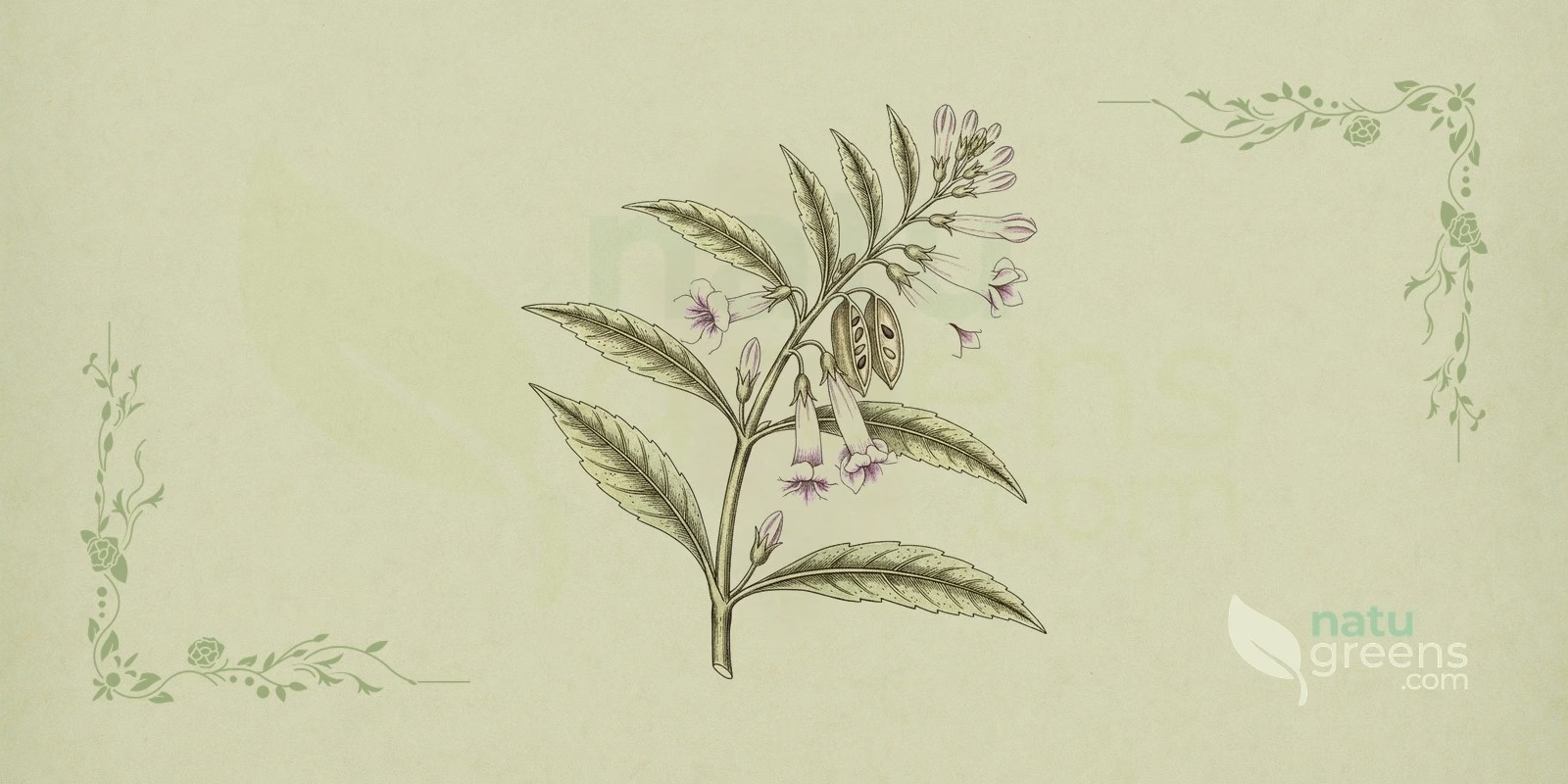
Sesamum indicum, commonly known as sesame or benne, is a highly valued oilseed plant that has been used for millennia in cooking and traditional medicine, and both its seeds and the oil pressed from them are appreciated in practically every part of the world. Its wealth of bioactive compounds, above all lignans such as sesamin, makes the species a frequent subject of research, and preliminary clinical studies are investigating its role in managing blood glucose and blood lipids, while folk tradition uses it to regulate bowel function. Before any use, however, it is essential to know that sesame seed is one of the major recognized food allergens, capable of causing severe reactions, including anaphylaxis, in sensitized people.
Popular and International Names of Sesame
- English: sesame, benne, benne seeds, benniseed, gingelly, gingelli.
- Arabic: simsim.
- Chinese: zhima, hei zhima (black variety).
- Dutch: sesam, sesamzaad.
- Esperanto: sezamo.
- Finnish: seesami.
- French: sésame, gigiri.
- German: Sesam, Gemeiner Sesam, Indischer Sesam, Sesamstrauch.
- Greek: sousámi.
- Hindi: til.
- Indonesian: wijen.
- Italian: sesamo, giuggiulena, ciminu.
- Japanese: goma.
- Korean: chamkkae.
- Portuguese: gergelim, sésamo, gergelim-branco, gergelim-preto, gerzelim, girgelim, jerxelim, zirzelim.
- Punjabi: til.
- Sanskrit: tila.
- Spanish: ajonjolí, sésamo, anjolí, ajonjolín, ajonjulí, aljonjolé, aljonjolí, jonjolé, haholí, jijirí, ejonjilí.
- Swedish: sesam.
- Thai: nga.
- Turkish: susam.
- Vietnamese: vừng.
Botanical Synonyms of Sesamum indicum
- Sesamum africanum Tod.
- Sesamum occidentale Heer & Regel
- Sesamum oleiferum Sm.
- Sesamum orientale L.
Botanical Family: Pedaliaceae
Sesame belongs to the Pedaliaceae family, and the genus Sesamum includes many wild species, most of them native to sub-Saharan Africa, although the cultivated form originated in India, as explained in the section on historical notes.
Parts of Sesame Used
- Leaves
- Seeds
The seeds are eaten whole, toasted, ground into a paste or in the form of oil, while the leaves are used mainly to prepare teas for traditional purposes.
Ethnobotanical and Traditional Uses
In folk tradition, sesame is part of the daily diet as a general restorative and a stimulant of the body's defenses, and both Ayurvedic Medicine and Traditional Chinese Medicine use the seed in practices aimed at increasing vital energy. There are also traditional records of its use against tiredness and to give tone and firmness to the muscles, as well as mentions of support for regular bowel function and for the cardiovascular system, uses that modern research is still investigating.
Folk tradition credits sesame with the ability to ease nervous and mental exhaustion, stress, memory loss after trauma, nervous depression, irritability and insomnia, indications that rest on empirical use rather than clinical proof and that do not replace professional care, especially in cases of depression. In cosmetics, the seed and the oil are used to soothe, smooth and condition the skin and hair, and the oil is widely used in massage.
The uses of sesame also go beyond medicine, since its stems once served as fuel. In ancient Babylon, according to accounts, women ate halva, made with honey and sesame seeds, in the hope of prolonging youth and beauty, while Roman soldiers turned to the seed for strength and energy. Among the Maroons of Suriname, sesame appears in religious ceremonies and is used to ward off the Azeman, a vampire-like figure of local folklore.
Therapeutic Properties of Sesame
The properties below bring together traditional records and research findings, and none of them justifies using sesame in place of medical treatment.
- Analgesic (traditional use)
- Antidiabetic (preliminary clinical studies are investigating the effect on blood glucose)
- Antidiarrheal (traditional use of the leaf tea)
- Anti-inflammatory (activity of sesamin and sesamolin observed in laboratory studies)
- Antioxidant (activity of lignans and tocopherols observed in laboratory studies)
- Antirheumatic (traditional use of the oil)
- Astringent (traditional use, mainly of the leaf tea)
- Bactericidal (traditional use)
- Bowel Regulator (traditional use linked to fiber and mucilage)
- Cardioprotective (clinical studies are investigating effects on LDL cholesterol and blood pressure)
- Diuretic (traditional use)
- Galactagogue (traditional use; see the cautions on breastfeeding)
- Hypoglycemic (effect investigated in studies, which may add to that of diabetes medications)
- Mild Laxative (traditional use for bowel regulation)
- Neuroprotective (activity of sesamin observed in laboratory studies, without clinical proof)
- Relaxant (traditional use)
- Repellent (traditional use)
- Resolvent (traditional use in poultices)
- Stimulant (traditional use as a general tonic)
Detailed Phytochemical Profile of Sesame
- Anthrasesamone F (in the hull of black sesame, with antioxidant activity)
- Calcium
- Chromium
- Copper
- Fatty Acids (unsaturated: oleic and linoleic; saturated: palmitic and stearic)
- Flavonoids
- Globulins
- Iridoid Glycosides (sesamoside)
- Iron
- Lignans (sesamin, sesamolin and sesamol)
- Magnesium
- Manganese
- Mucilages
- Phosphorus
- Phytosterols
- Proteins (of good biological value, rich in methionine)
- Vitamin B1 (thiamine)
- Vitamin B2 (riboflavin)
- Vitamin E (tocopherols)
- Zinc
Among these compounds, lignans account for much of the research on the species, and the literature links sesamin, sesamolin and sesamol to the remarkable stability of sesame oil against oxidation. The lignans are also where the mild estrogen-like activity discussed under contraindications is found, which is why concentrated extracts call for more caution than eating the seed as food.
Preparation and Administration Forms of Sesame
Cream Making
Sesame is a valued ingredient in the making of creams and cosmetics, and tradition uses it in formulations for irritated skin, inflammation and ulcers because of its soothing and repairing qualities. The oil also appears in sun care products, although it does not replace a proper sunscreen, and it serves as a carrier oil in cosmetics in general, making other active ingredients easier to apply while nourishing the skin. Ulcers and wounds that do not heal should be assessed by a health professional.
Infusion or Decoction
An infusion or decoction of the seeds is a traditional way of taking sesame, and the literature of Traditional Chinese Medicine records amounts of 9 to 30 grams per day, a range close to ordinary dietary intake. To enhance the tonic action described in that tradition, toasting the sesame before preparation is recommended, and anyone who intends to use it for medicinal purposes, especially in concentrated form, should consult a health professional.
Leaf Tea
Tea made from sesame leaves has astringent properties and is traditionally used as a home remedy for episodes of diarrhea, prepared by steeping the leaves in hot water so that their compounds are extracted. Diarrhea that persists, comes with fever or blood, or affects young children or older adults calls for medical assessment, and the tea does not replace oral rehydration.
Lightly Toasted Seeds
Lightly toasted, sesame seeds can be eaten on their own, and the traditional record cites 2 to 3 teaspoons two or three times a day, an amount in line with ordinary dietary intake. Widely used in cooking, they appear in dishes of Jewish origin, breads, cookies, pasta and spreads, and the oil from toasted seeds is an ingredient prized in salads and margarines for its distinctive flavor and nutritional value. To store the seeds, keep them in an airtight container in a cool, dry and dark place, bearing in mind that refrigeration or freezing helps them stay fresh longer.
Seed Oil
The oil extracted from sesame seeds is versatile and has a traditional record as a mild laxative used to regulate bowel transit, and also as a local application for earaches and burns. Traditional medicine further uses it in enemas, for abdominal cramps, as a galactagogue, for rheumatism and for tachycardia, along with poultices for burns, valuing both topical and internal use. Putting oil in the ear is not safe when a perforated eardrum or discharge is suspected, recent burns call for cooling under running water rather than applying oils, and tachycardia always requires medical evaluation.
Synergy with Other Medicinal Plants
The sources consulted do not describe specific synergies between sesame and other medicinal plants, but the seed is often combined with other ingredients in cooking and traditional medicine, and its versatility allows it to be included in a wide range of formulations. In the kitchen, it is usually paired with spices and aromatic herbs to enhance the flavor of dishes, and using it together with other oilseeds is common, enriching the nutritional profile of the preparations. In herbal medicine, tradition suggests combining it with plants used for digestive or anti-inflammatory purposes, a practice that should be guided by a health professional, since plant combinations can also add up unwanted effects.
Recipes and Usage Protocols of Sesame
Cold-Pressed Sesame Oil
Unrefined cold-pressed sesame oil is a high-quality culinary ingredient, rich in antioxidants and essential fatty acids, traditionally used in salads, dressings, marinades and to finish dishes, to which it lends a bold flavor. In traditional medicine it is also applied in massage or used as a base for diluting essential oils, and it is best to choose a product of reliable origin and keep it in a tightly closed container away from light and heat to slow oxidation.
Gomashio
Gomashio is a Japanese condiment made with toasted sesame seeds and sea salt, traditionally used as an alternative to ordinary salt because it adds flavor and nutrients to many dishes. To make it, toast the seeds until fragrant and mix them with sea salt in a ratio of 10 parts sesame to 1 part salt, grinding everything in a mortar or food processor until you get a granular texture that goes well with rice, salads, soups and vegetables.
Halva
Halva is a traditional sweet from the Middle East and the Balkans, often made with sesame paste (tahini) and traditionally eaten as an energy food, with many variations whose base is usually tahini with sugar or honey. For a simple version, mix tahini with honey or maple syrup until firm and, if you like, add walnuts, pistachios or chocolate for a richer flavor, serving the halva as a dessert or alongside tea.
Tahini
Tahini is a creamy paste of ground sesame seeds, very popular in Middle Eastern cuisine, the base of hummus and baba ghanoush and traditionally used in sauces, spreads and desserts as well. To make it at home, lightly toast the seeds and blend them in a blender or food processor with a little vegetable oil, preferably sesame oil itself, until you get a smooth, even paste, which should be stored in an airtight container in the refrigerator.
The preparations above follow traditional records and do not replace professional guidance. Before any internal use, check the contraindications and interactions described in this article.
Associated Therapies
Ayurveda
In Ayurvedic medicine, sesame is considered a warming and nourishing plant, often used to balance the Vata and Kapha doshas, and its oil is among the most prized for the massage known as abhyanga, used to nourish the skin and tissues and calm the nervous system. Internally, this tradition uses the seeds to promote strength, vitality and longevity, as well as to support bone and digestive health.
Traditional Chinese Medicine
In Traditional Chinese Medicine (TCM), sesame, especially black sesame, is valued for nourishing Blood and Yin and is associated with the Liver and Kidney meridians, and it is traditionally used in conditions such as dizziness, tinnitus, blurred vision, hair loss and premature aging, which this system attributes to Blood and Yin deficiency. The seeds are also considered laxative and appear in traditional formulas for constipation associated with dryness, and TCM regards black sesame as more potent for medicinal purposes than white sesame.
Contraindications and Side Effects of Sesame
Sesame Allergy and Risk of Anaphylaxis
Sesame seed is one of the major recognized food allergens, capable of causing severe reactions, including anaphylaxis, in sensitized people, and in the United States it was added to the official list of major food allergens by a law passed in 2021. Reactions range from contact dermatitis and hives to anaphylaxis, a severe and potentially fatal reaction that requires immediate emergency care, and they can be triggered even by small amounts present in bread, sauces, tahini, oils and processed foods.
People with a known sesame allergy should avoid it in any form and always check labels, and anyone with a history of allergy to seeds or tree nuts should seek medical advice before eating sesame or products that contain it. In children, introducing the seed into the diet should follow the pediatrician's guidance, especially when other food allergies are already present.
Estrogen-Like Activity and Anticoagulants
The lignans in the seed, such as sesamin, have mild estrogen-like activity and may have an additive effect with anticoagulants, which calls for caution in people with a history of hormone-dependent cancer and in those taking anticoagulant medication. Ordinary dietary use is considered safe, and the caution applies to concentrated extracts and oil used for medicinal purposes, which should only be considered under the supervision of a health professional.
Pregnancy and Breastfeeding
There is not enough reliable information on the safety of medicinal use of sesame during pregnancy and breastfeeding, so pregnant and breastfeeding women should stick to usual food amounts, avoiding medicinal doses, extracts and concentrated oil. Because the seed has a traditional record of use as a galactagogue and its lignans show mild estrogen-like activity, any medicinal use during this period should first be discussed with a health professional to protect the safety of mother and baby.
Gastric Obstruction
Sesame seeds are rich in fiber, and in people with conditions such as benign anastomotic stricture, which causes gastric obstruction, eating large amounts may increase the risk of bowel obstruction. In these cases, intake of the seeds should be monitored and, if necessary, avoided, always under medical guidance.
Surgery
Because sesame may affect blood sugar levels, using it in medicinal amounts may interfere with blood glucose control during and after surgical procedures. As a precaution, stopping such use at least two weeks before any scheduled surgery is recommended, a measure that helps avoid complications related to glucose regulation in the perioperative period, and the surgical team should be told about any extracts or concentrated oil in use, since the lignans may add to the effect of anticoagulants.
Drug Interactions
Sesame may interact with certain medications, enhancing the effect of the glucose-lowering drugs used in diabetes and leading to excessive drops in blood sugar (hypoglycemia), as well as intensifying the action of high blood pressure medications, with a risk of a sharp fall in blood pressure. It may also alter the way the liver metabolizes some drugs, changing their action and side effects, there are indications that it may reduce the effectiveness of tamoxifen, and its lignans may have an additive effect with anticoagulants. For this reason, anyone on long-term medication should tell their doctor about consuming sesame in medicinal amounts, especially in the form of concentrated extracts and oil.
Toxicity
The compounds sesamol and sesamolin can cause allergic contact dermatitis in sensitive individuals, and although sesame is generally safe in food amounts, excessive use or concentrated forms make these reactions more likely. The literature consulted does not point to other relevant side effects or contraindications beyond those described in this section, which suggests a favorable safety profile in dietary use, without setting aside the cautions above for people with allergies, pregnant and breastfeeding women and those taking medications.
Historical Notes and Interesting Facts
Sesame is one of the oldest oilseed crops in the world, with a domestication history going back more than three thousand years, and charred seed remains found in India have been dated to between 3500 and 3050 BC. The genus Sesamum includes many wild species, most of them native to sub-Saharan Africa, but cultivated Sesamum indicum originated in India, and the plant stands out for its drought tolerance, thriving where other crops fail, which earned it the nickname "survivor crop".
The English name sesame, like the Portuguese sésamo, derives from Latin sesamum and Greek sēsamon, with roots in ancient Semitic languages such as Akkadian šamaššamu, while the English word benne comes from Gullah, an African American creole, and goes back to Malinke bĕne. Sesame was already traded between Mesopotamia and India around 2000 BC, and in ancient Egypt, where it was called sesemt, the plant was cultivated and mentioned in the Ebers Papyrus (c. 1550 BC), while baskets of sesame were found in the tomb of Tutankhamun (1350 BC).
Vedic texts such as the Atharva Veda (1200 to 1000 BC) mention sesame, called tila in Sanskrit, in rituals, and the ancient Greeks and Romans described it as an eastern plant with medicinal uses. The black variety, considered stronger, is used to make sesame salt (gomashio) in macrobiotic cooking, whereas the light seed, toasted and ground, becomes tahini. Nutritionally, white sesame has a higher content of lipids, carbohydrates, soluble fiber and calories, while black sesame concentrates more insoluble and total fiber and shows greater antioxidant potential.
Frequently Asked Questions about Sesame
Can Sesame Be Eaten Every Day?
Yes, in food amounts sesame can be part of the daily diet and is a good source of nutrients within a balanced diet. For medicinal use, high doses, extracts or concentrated oil, however, it is essential to consult a health professional, especially when there are pre-existing conditions or medications in use. The absolute exception is people allergic to sesame, who should avoid it in any amount.
Can Sesame Cause a Severe Allergy?
Yes, sesame seed is one of the major recognized food allergens and can cause severe reactions, including anaphylaxis, in sensitized people. Reactions range from hives and contact dermatitis to anaphylaxis, which requires immediate emergency care. Anyone with a known allergy should avoid sesame and check food labels, and anyone with a history of allergy to seeds or tree nuts should seek medical advice before eating it.
Does Sesame Help Control Blood Sugar?
Preliminary studies suggest that bioactive compounds in sesame may influence blood sugar levels, but the results do not yet allow it to be considered a remedy for diabetes. Because the effect may add to that of antidiabetic medications, people with diabetes should monitor their blood glucose carefully and discuss medicinal amounts with their doctor.
Is Sesame Good for the Heart?
Sesame is rich in unsaturated fatty acids and in antioxidants such as sesamin and sesamolin, compounds that studies are investigating for a possible reduction in LDL cholesterol, the "bad" cholesterol, and for protection of the blood vessels. These findings are promising, but they do not make sesame a way to avoid heart disease, and it should be seen only as part of a balanced diet.
Does Sesame Interact with Medications?
Yes, sesame can enhance the effect of diabetes and high blood pressure medications, leading to excessive drops in blood glucose or blood pressure, and it may alter the way the liver metabolizes some drugs. Its lignans, such as sesamin, have mild estrogen-like activity and may have an additive effect with anticoagulants, which calls for caution in people taking these medications or with a history of hormone-dependent cancer. In all these cases, tell your doctor about using sesame in medicinal amounts, extracts or concentrated oil.
Can Sesame Be Used During Pregnancy?
There is not enough data on the safety of medicinal use of sesame during pregnancy and breastfeeding, so pregnant and breastfeeding women should limit intake to usual food amounts. Medicinal doses, extracts and concentrated oil should be avoided without professional guidance, and ideally a doctor or dietitian should be consulted before any use of this kind.
Notice: this content is for informational purposes and does not replace professional medical advice. Consult a physician or herbal practitioner before using medicinal plants, especially during pregnancy, breastfeeding, or alongside medication.
How to cite this article
NATUGREENS. Sesame (Sesamum indicum): Properties and Benefits. Natugreens, 3 Nov. 2026. Disponível em: https://natugreens.com/sesame-sesamum-indicum/. Accessed: Nov. 5, 2026.
Natugreens. (2026). Sesame (Sesamum indicum): Properties and Benefits. Natugreens. https://natugreens.com/sesame-sesamum-indicum/
References and Scientific Studies
- PMC2021 Andargie M, et al. Lignans of Sesame (Sesamum indicum L.): A Comprehensive Review. Molecules. 2021.
- PMC2025 Jafari A, et al. Clinical evidence of sesame (Sesamum indicum L.) products and its bioactive compounds on anthropometric measures, blood pressure, glycemic control, inflammatory biomarkers, lipid profile, and oxidative stress parameters in humans: a GRADE-assessed systematic review and dose-response meta-analysis. Nutr Metab (Lond). 2025.
- PMC2021 Mili A, et al. A comprehensive review on Sesamum indicum L.: Botanical, ethnopharmacological, phytochemical, and pharmacological aspects. J Ethnopharmacol. 2021.
- PMC2022 Wei P, et al. Sesame (Sesamum indicum L.): A Comprehensive Review of Nutritional Value, Phytochemical Composition, Health Benefits, Development of Food, and Industrial Applications. Nutrients. 2022.