



Quick summary
Monarda fistulosa L., commonly known in English as wild bergamot or bee balm, is a perennial herb of the Lamiaceae family native to North America, where it grows in prairies, open fields, woodland edges and roadsides from southern Canada to northern Mexico. Its leaves and flowers give off a strong scent, something…
Main caution: Monarda is a plant with a history of traditional use among Native North American peoples and is rich in thymol and carvacrol, two potent aromatic phenols that irritate the skin and mucous membranes when concentrated.…
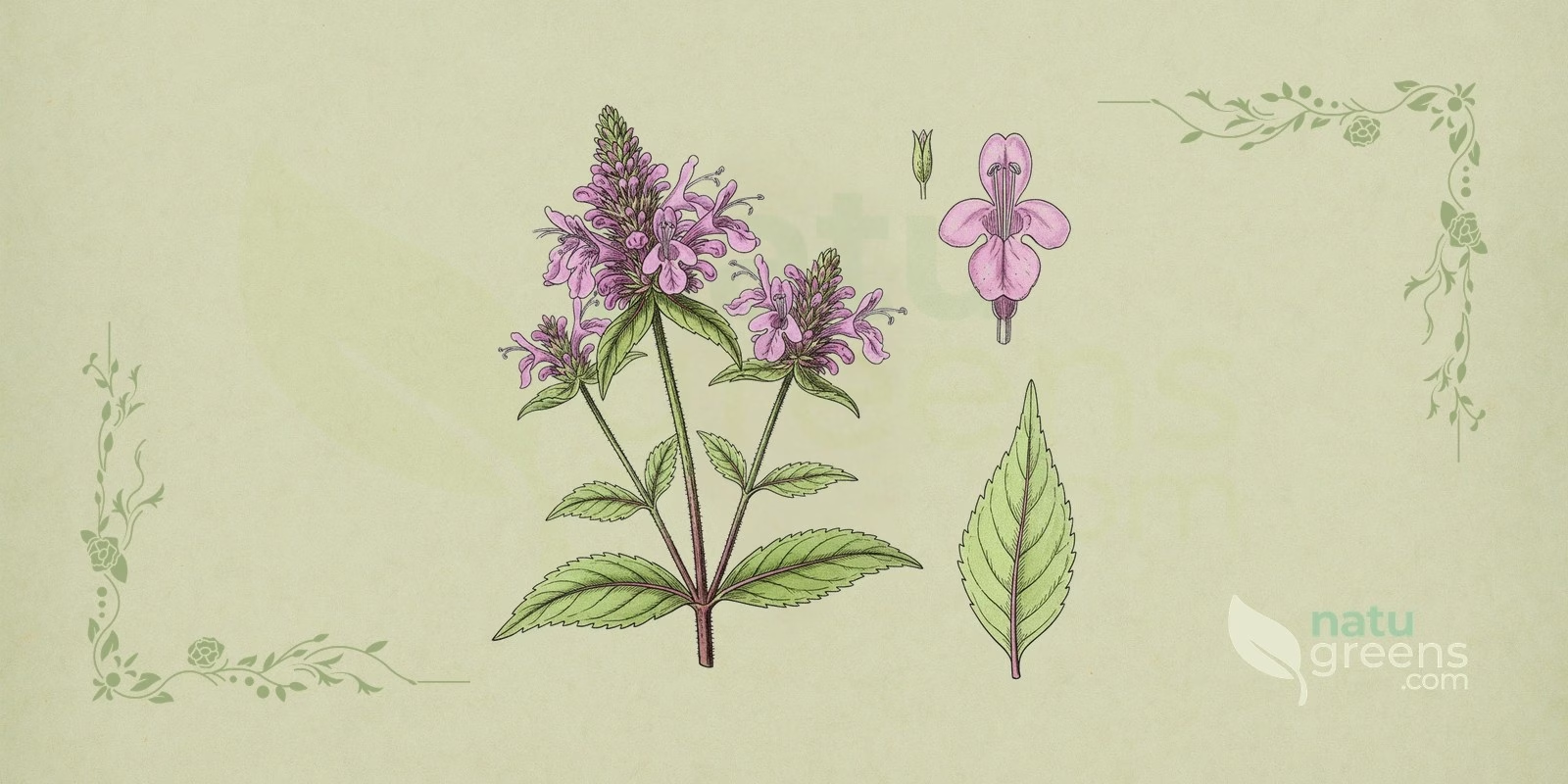
Monarda fistulosa L., commonly known in English as wild bergamot or bee balm, is a perennial herb of the Lamiaceae family native to North America, where it grows in prairies, open fields, woodland edges and roadsides from southern Canada to northern Mexico. Its leaves and flowers give off a strong scent, something like a blend of oregano and thyme, which comes from an essential oil rich in thymol and carvacrol, and that aroma goes a long way toward explaining why so many Native North American peoples used it in teas, steam inhalations and compresses. Scientific interest in the plant has grown over the past two decades, but nearly everything known about its properties comes from laboratory assays and animal studies, with no clinical research confirming benefits in people.
Common and International Names of Monarda
- Chinese: 拟美国薄荷 (ni meiguo bohe)
- Czech: zavinutka trubkovitá
- Danish: vild hestemynte
- English: bee balm, horsemint, mintleaf beebalm, wild bergamot
- French: monarde fistuleuse
- German: Wilde Bergamotte, Wilde Indianernessel, Wilde Monarde
- Japanese: ヤグルマハッカ (yaguruma-hakka)
- Norwegian: rørhestemynte
- Ojibwe: aamoogaawanzh
- Polish: pysznogłówka dęta
- Portuguese: bergamota-selvagem, monarda
- Russian: монарда дудчатая (monarda dudchataya)
- Spanish: monarda morada
- Swedish: lila temynta, temynta
Not to Be Confused with Citrus Bergamot
The name wild bergamot tends to cause a mix-up worth clearing up right away. The bergamot used in perfumery and in Earl Grey tea is Citrus bergamia, a citrus fruit of the Rutaceae family whose oil is pressed from the peel. Monarda is not related to it at all: it belongs to a different family, the one that includes mint, thyme and oregano, and the common name arose only from a resemblance in scent between the herb's leaves and the citrus peel. In southern Brazil, bergamota is also the regional word for tangerine, yet another citrus fruit that has nothing to do with the North American plant. Within the genus itself, the most similar species is Monarda didyma, which has red flowers, whereas M. fistulosa bears flowers ranging from lilac to pink.
Botanical Synonyms of Monarda
The accepted name is Monarda fistulosa L., described by Linnaeus in 1753. Taxonomic databases such as GBIF list Monarda caerulea Benth. and Monarda fistulosa var. typica Sherff as synonyms. The species is quite variable and includes several accepted varieties, among them M. fistulosa var. fistulosa, M. fistulosa var. menthifolia (Graham) Fernald, once treated as a separate species under the name Monarda menthifolia Graham, and M. fistulosa var. mollis, based on the former Monarda mollis L. Beyond these differences in form, separate populations produce oils of different composition, known as chemotypes, and this matters a great deal when interpreting any study on the plant.
Botanical Family: Lamiaceae
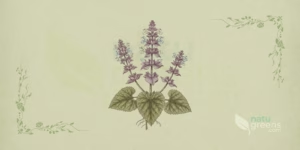
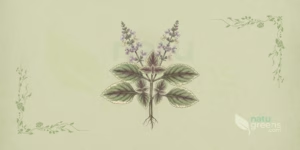
Lamiaceae is one of the most important families of aromatic plants in the world, with thousands of species spread across every continent, and it includes such familiar herbs as mint, thyme, oregano, sage, rosemary and basil. Plants in the group usually have square stems, opposite leaves and tiny glands on the leaf surface that store essential oils, along with two-lipped flowers. Monarda belongs to the subfamily Nepetoideae, known for accumulating both volatile terpenes and polyphenols such as rosmarinic acid. In the wild, the plant usually reaches from 30 cm to just over 1 m in height, has lance-shaped, grayish-green leaves with toothed margins and, in the northern hemisphere summer, forms rounded flower heads at the tips of the stems, each made up of dozens of lavender tubular flowers. It spreads by rhizomes and draws bees, butterflies and hummingbirds, which is why it is also grown in pollinator gardens.
Parts of Monarda Used
Traditional use centers on the aerial parts, above all the leaves and flowering tops, used fresh or dried in teas, steam inhalations and poultices. These same parts yield the essential oil by steam distillation, with yields that ranged from 2.66% to 4.83% in samples from Alabama, a high figure for an aromatic herb. A survey of more than 1,500 plants found that the leaves hold the largest amount of terpenes, followed by the flower structures, the stems and, last of all, the roots. The hydrosol, the aromatic water left over from distillation, and the plant residue from oil extraction are also being studied as sources of phenolic compounds.
Ethnobotanical and Traditional Uses of Monarda
Monarda holds a prominent place in the traditional medicine of many Native peoples of North America. The ethnobotanical records gathered in recent research describe uses that fall into three broad groups, always within the context of folk medicine and without this amounting to proof of effectiveness:
- Colds, flu and fever: teas and preparations used by the Cherokee, Chippewa, Flathead, Ojibwe and Tewa.
- Coughs, congestion and respiratory complaints: use recorded among the Crow, Lakota, Menominee and Ojibwe.
- Wounds, cuts and boils: the plant applied to the skin among the Blackfoot, Lakota, Navajo and Winnebago.
Researchers who analyzed the plant's oil noted that the known activity of its main components fits these traditional uses for wounds, skin infections, colds and fevers, which helps explain why the herb was chosen but is no substitute for studies in humans. Outside medicine, some cooks also use the leaves as a seasoning with a flavor close to oregano.
Medicinal Properties of Monarda
The properties listed below come from in vitro and animal studies, as well as traditional use, and none of them has been proven in clinical trials in people.
- Action on TRPA1 Sensory Receptors (oils from the leaves and flowers activated this channel in cultured cells, an effect attributed to carvacrol, thymol and beta-myrcene, which may explain the warming, stinging sensation on the skin)
- Analgesic (a dry extract reduced acetic acid induced writhing in mice, a preliminary result limited to an animal model)
- Antibacterial (oils and extracts inhibited bacteria in the laboratory, with clearer action against gram-positive species, and no equivalent data exist for human infections)
- Antifungal (the essential oil and hydrosol showed in vitro activity against Candida yeasts and fungi that affect the skin, with strength varying between studies)
- Anti-inflammatory (swelling was reduced in rats and interleukin-6 production fell in cultured mouse macrophages, findings that remain preclinical)
- Antioxidant (extracts rich in rosmarinic acid and flavonoids neutralized free radicals in chemical tests, which is not the same as a proven benefit in the body)
Detailed Phytochemical Profile of Monarda
Monarda's chemistry splits into a volatile fraction, which makes up the essential oil, and a phenolic fraction, which stays in extracts and teas. The balance between compounds shifts considerably with the source population, the plant part harvested and the growth stage, so two oils sold under the same name can have quite different profiles.
- Apigenin-7-glucoside (a flavonoid whose presence varied among the Monarda species compared)
- Beta-myrcene (an oil monoterpene that also activated the TRPA1 receptor in the laboratory)
- Carvacrol (the dominant phenol in the carvacrol chemotype, reaching 45% of the oil from flower heads at full bloom in a Polish study)
- Didymin (the most abundant flavonoid in leaves harvested during the vegetative stage)
- Gamma-terpinene (a monoterpene precursor of the aromatic phenols, common in leaf and flower oils)
- Geraniol (marks a less common chemotype with a more floral scent)
- Linalool (the R-(-)-linalool form was described as a new chemotype for the species in populations between Colorado and Manitoba)
- Linarin (a flavonoid that stood out in flower heads harvested during bloom)
- Luteolin-7-O-glucoside (one of the two main components of the dry extract, alongside rosmarinic acid)
- Para-cymene (an aromatic hydrocarbon present in almost every oil analyzed, sometimes above 30%)
- Rosmarinic acid (the main phenolic compound in the dry extract, found at levels close to 20 mg per gram of dried herb in one analysis)
- Thymol (the phenol that dominates the thymol chemotype, with levels above 60% in samples from Alabama)
- Thymoquinone (a component that can predominate in certain samples and in oils from plants at the fruiting stage)
Preparation and Administration of Monarda
In folk use, the most common form is an infusion of the dried leaves and flowers, made as an aromatic tea and drunk warm. Another old practice is breathing the steam from a hot infusion with a towel draped over the head, where the intense scent of the volatile phenols is the main draw. For the skin, tradition records poultices of crushed fresh herb and compresses soaked in the tea. The essential oil, sold by a few specialist distilleries, is a concentrated product and must be diluted in a vegetable oil before any contact with the skin, while the much gentler hydrosol turns up in handmade cosmetics and aromatic sprays. There are no officially registered herbal medicines based on monarda and no official monographs setting a safe dose for medicinal use.
Synergy with Other Medicinal Plants
Aromatic Infusions for Cold Days
Herbalists who follow the North American tradition often pair monarda with thyme (Thymus vulgaris), another thymol-rich member of the Lamiaceae, and with peppermint (Mentha × piperita), whose menthol softens the sharp, peppery taste of the blend. These combinations show up in homemade tea recipes for cold season, always as a traditional habit, and combining similar plants has not been studied in trials that confirm a greater effect than each herb on its own.
Topical Preparations of Folk Origin
In homemade compresses and salves, monarda sometimes shares space with yarrow (Achillea millefolium), used in folk practice on minor wounds, and with purple coneflower (Echinacea purpurea), a plant from the same North American prairies. These partners are chosen on the strength of each plant's tradition of external use, not on studies that have tested the blends, so any wound that is large, deep or shows signs of infection needs medical assessment.
Recipes and Usage Protocols for Monarda
Traditional Monarda Tea
The most widely cited home recipe uses about one teaspoon of dried leaves and flowers per cup of freshly boiled water, left covered for around 10 minutes before straining. The flavor is strong and slightly peppery, so many people sweeten it with honey or blend the herb with mint. Because the plant is rich in aromatic phenols, the custom is to drink no more than one or two cups a day and for only a few days, without turning the tea into an ongoing habit.
Steam Inhalation with the Dried Herb
For inhalation, tradition calls for pouring hot water over a handful of dried herb in a bowl and breathing the steam for a few minutes, eyes closed and at a safe distance from the water. The essential oil should not be dripped undiluted into boiling water, because steam loaded with thymol and carvacrol can irritate the eyes and airways.
Diluted Oil for External Use
People who apply the essential oil to the skin usually dilute it in a neutral vegetable oil, such as sweet almond or sunflower, at low concentrations of around 1% to 2%, which works out to a few drops per tablespoon of carrier oil. Before use, do a patch test on a small area of the forearm and wait 24 hours to check for redness or itching. These uses follow traditional records and do not replace professional advice, especially in cases of persistent fever, a lingering cough or wounds that will not heal.
The preparations above follow traditional records and do not replace professional guidance. Before any internal use, check the contraindications and interactions described in this article.
Therapies Associated with Monarda
Clinical Herbal Medicine
In clinical herbal medicine, monarda still holds a marginal place, because there are no official monographs, clinical trials or standardized extracts that would allow it to be prescribed safely. Researchers' interest centers on the essential oil as a possible antimicrobial agent and natural food preservative, and on the polyphenol-rich extract as a candidate for anti-inflammatory studies. A 2009 Russian paper went as far as proposing the oil as the basis for preparations against seborrhea based on laboratory tests, but no published clinical studies followed. Practitioners who work with aromatic plants tend to treat monarda as a regional alternative to thyme and oregano, with the same precautions required for phenol-rich oils.
Traditional Native North American Medicine
There is no established homeopathic use of Monarda fistulosa, and the most relevant traditional system for understanding the plant is the medicine of the Native peoples of North America. Among the Lakota, the Menominee, the Ojibwe and many other groups, the herb was part of orally transmitted knowledge in which teas, poultices and smudging were used for colds, coughs, fevers and wounds. Recent research projects in Canada have been carried out in partnership with Indigenous Elders, acknowledging where this knowledge comes from and seeking to assess it with scientific methods without severing it from its communities.
Contraindications and Side Effects of Monarda
Monarda is a plant with a history of traditional use among Native North American peoples and is rich in thymol and carvacrol, two potent aromatic phenols that irritate the skin and mucous membranes when concentrated. The essential oil must never be swallowed undiluted under any circumstances, and topical use must always be diluted in a vegetable oil, never applied directly to the skin, near the eyes, on mucous membranes or on open wounds. During pregnancy and breastfeeding, concentrated use of the plant should be avoided, whether as essential oil, extracts or strong, frequent teas, because safety data for these periods are lacking. As a precaution, the oil should also not be applied to babies or young children. People with a known allergy to plants of the Lamiaceae family, such as thyme, oregano or mint, may react to monarda and should avoid it. The most likely unwanted effects include redness, stinging and contact dermatitis from the oil, as well as stomach upset from very concentrated teas. A study in rats recorded no deaths or adverse effects at high oral doses of a dry extract, but this animal result does not guarantee safety in people.
Drug Interactions
No clinical studies have assessed interactions between monarda and medications, and the lack of data should not be taken as proof of safety. Anyone on long-term medication, especially anticoagulants, drugs that require tight dose control or topical skin treatments, should talk to a doctor or pharmacist before using extracts or essential oil of the plant. On the skin, avoid combining the diluted oil with other irritating products, such as exfoliating acids or retinoids, to lower the risk of a reaction.
Curiosities and Historical Facts
The genus name honors Nicolás Monardes, a 16th century physician from Seville who wrote some of the first European works on medicinal plants brought from the Americas, even though he never crossed the ocean himself. The epithet fistulosa comes from the Latin fistula, meaning tube, and refers to the tubular shape of the flowers, which open in dense heads at the tops of the stems. The English name bee balm reflects the heavy visits of native bees, documented in pollinator conservation studies on Montana farms. According to historical accounts, plants of the genus Monarda served as a substitute for black tea among American colonists after the boycott of British tea in the 18th century, a practice linked mainly to its relative Monarda didyma. One curious fact comes from chemistry: by analyzing herbarium specimens up to 125 years old, a University of Wisconsin researcher was able to identify the chemotype of the old plants and found that most matched the chemotype that still prevails at the same sites.
Frequently Asked Questions about Monarda
Is Monarda the Same as Bergamot?
No. Monarda (Monarda fistulosa) is an herb of the Lamiaceae family, while the bergamot of perfumery and Earl Grey tea is the citrus fruit Citrus bergamia, of the Rutaceae family. The name wild bergamot comes only from a similarity in scent and does not point to any botanical relationship between the two plants.
Can I Take Monarda Essential Oil Internally?
Swallowing the undiluted essential oil is not recommended, because it concentrates thymol and carvacrol at levels that can irritate the mouth, esophagus and stomach. Traditional oral use is limited to tea made from the leaves and flowers, and the oil should be kept to external application, always diluted in a vegetable oil.
Can Monarda Be Used During Pregnancy and Breastfeeding?
During pregnancy and breastfeeding, concentrated use of monarda should be avoided, because there are no safety data for these periods. This includes the essential oil, extracts and strong or frequent teas. Any use at these stages should first be discussed with a doctor or prenatal care team.
Can Monarda Replace Antibiotics?
No. The antibacterial and antifungal activity of monarda was seen in laboratory tests, with oils and extracts applied directly to cultures of microorganisms, a situation very different from an infection in the human body. Infections of the skin, throat or lungs need medical assessment and, when indicated, the prescribed treatment.
Can Monarda Be Grown in the Garden?
The plant is typical of temperate climates and does best in regions with a distinct winter, which is why it is hardy across much of North America and northern Europe and a familiar sight in pollinator gardens, although it is also grown as an ornamental in milder areas where it adapts well. It prefers full sun or partial shade and well-drained soil, tolerates dry spells once established and spreads by rhizomes, forming clumps that flower from the second year onward.
Notice: this content is for informational purposes and does not replace professional medical advice. Consult a physician or herbal practitioner before using medicinal plants, especially during pregnancy, breastfeeding, or alongside medication.
How to cite this article
NATUGREENS. Monarda (Monarda fistulosa): Uses, Thymol and Safety. Natugreens, 26 Nov. 2026. Disponível em: https://natugreens.com/monarda-wild-bergamot/. Accessed: Nov. 26, 2026.
Natugreens. (2026). Monarda (Monarda fistulosa): Uses, Thymol and Safety. Natugreens. https://natugreens.com/monarda-wild-bergamot/
References and Scientific Studies
View All 13 Cited References
Peer-Reviewed Scientific Studies (11)
- DOI2021 Lawson, S. K., Satyal, P., Setzer, W. N. (2021). The Volatile Phytochemistry of Monarda Species Growing in South Alabama. Plants, 10(3), 482. ↗
- DOI2020 Ghosh, M., Schepetkin, I. A., Özek, G., Özek, T., Khlebnikov, A. I., Damron, D. S., Quinn, M. T. (2020). Essential Oils from Monarda fistulosa: Chemical Composition and Activation of Transient Receptor Potential A1 (TRPA1) Channels. Molecules, 25(21), 4873. ↗
- DOI2022 Keefover-Ring, K. (2022). The chemical biogeography of a widespread aromatic plant species shows both spatial and temporal variation. Ecology and Evolution, 12(9), e9265. ↗
- DOI2024 Gontar, Ł., Geszprych, A., Sitarek-Andrzejczyk, M., Osińska, E. (2024). Influence of Plant Phenology on Chemical Composition of Monarda fistulosa L. Organs and their Bioactive Properties. Plant Foods for Human Nutrition, 79(4), 920-925. ↗
- DOI2021 Shanaida, M., Hudz, N., Jasicka-Misiak, I., Wieczorek, P. P. (2021). Polyphenols and Pharmacological Screening of a Monarda fistulosa L. dry Extract Based on a Hydrodistilled Residue By-Product. Frontiers in Pharmacology, 12, 563436. ↗
- DOI2023 Kozyra, M., Biernasiuk, A., Wiktor, M., Kukula-Koch, W., Malm, A. (2023). Comparative HPLC-DAD-ESI-QTOF/MS/MS Analysis of Bioactive Phenolic Compounds Content in the Methanolic Extracts from Flowering Herbs of Monarda Species and Their Free Radical Scavenging and Antimicrobial Activities. Pharmaceutics, 15(3), 964. ↗
- DOI2025 Gerold, M. D., Paske, S. M., Nell, K. M., Gibbons Johnson, R. M., Nell, B. P. (2025). Monarda Fistulosa Flower Extract Decreases Interleukin-6 Production by Lipopolysaccharide-Stimulated RAW 264.7 Murine Macrophages. Journal of Medicinal Food, 28(10), 993-1002. ↗
- DOI2021 Di Vito, M., Smolka, A., Proto, M. R., Barbanti, L., Gelmini, F., Napoli, E., Bellardi, M. G., Mattarelli, P., Beretta, G., Sanguinetti, M., Bugli, F. (2021). Is the Antimicrobial Activity of Hydrolates Lower than That of Essential Oils? Antibiotics, 10(1), 88. ↗
- DOI2009 Zhilyakova, E. T., Novikov, O. O., Naumenko, E. N., Krichkovskaya, L. V., Kiseleva, T. S., Timoshenko, E. Y., Novikova, M. Y., Litvinov, S. A. (2009). Study of Monarda fistulosa essential oil as a prospective antiseborrheic agent. Bulletin of Experimental Biology and Medicine, 148(4), 612-614. ↗
- DOI2020 Shanaida, M., Jasicka-Misiak, I., Makowicz, E., Stanek, N., Shanaida, V., Wieczorek, P. P. (2020). Development of high-performance thin layer chromatography method for identification of phenolic compounds and quantification of rosmarinic acid content in some species of the Lamiaceae family. Journal of Pharmacy and Bioallied Sciences, 12(2), 139-145. ↗
- DOI2024 Rieger, C. D., Soliman, A. M., Kaplia, K., et al. (2024). The antimicrobial potential of traditional remedies of Indigenous peoples from Canada against MRSA planktonic and biofilm bacteria in wound infection mimetic conditions. Microbiology Spectrum, 12(12), e0234124. ↗
Institutional Sources (1)
- GOV Delphia, C. M., Burkle, L. A., O'Neill, K. M. Native Plants for Wild Bee Conservation. Fact Sheet: Beebalm, Wild Bergamot (Monarda fistulosa L.). Montana State University. ↗
Supplementary Readings (1)
- GBIF Secretariat. Monarda fistulosa L. GBIF Backbone Taxonomy. ↗
You May Also Like
Take your time and tell us everything you think, details included. Every response is read by someone on our editorial team and goes into the article's revision. An honest critique helps us more than a polite compliment.
Take your time and tell us everything you think, details included. Every response is read by someone on our editorial team and goes into the article's revision. An honest critique helps us more than a polite compliment.