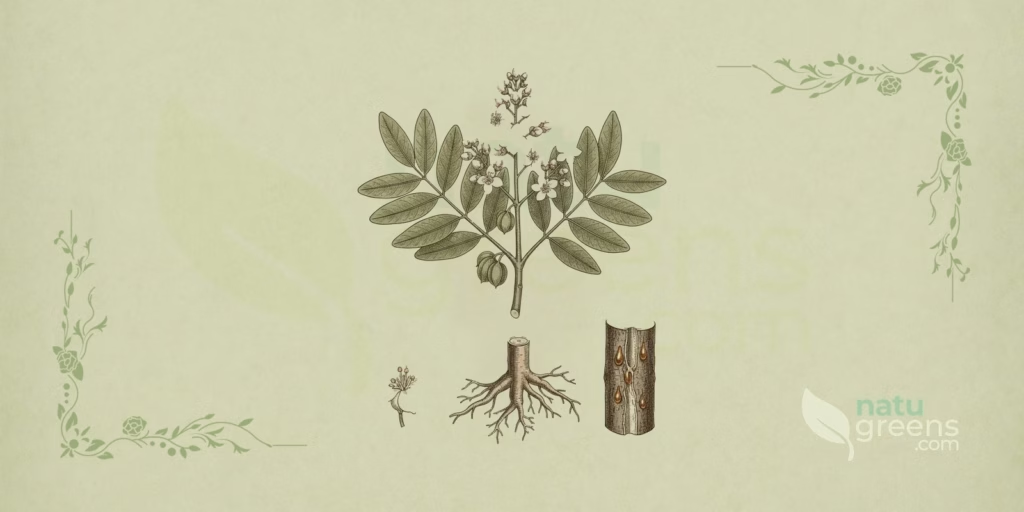
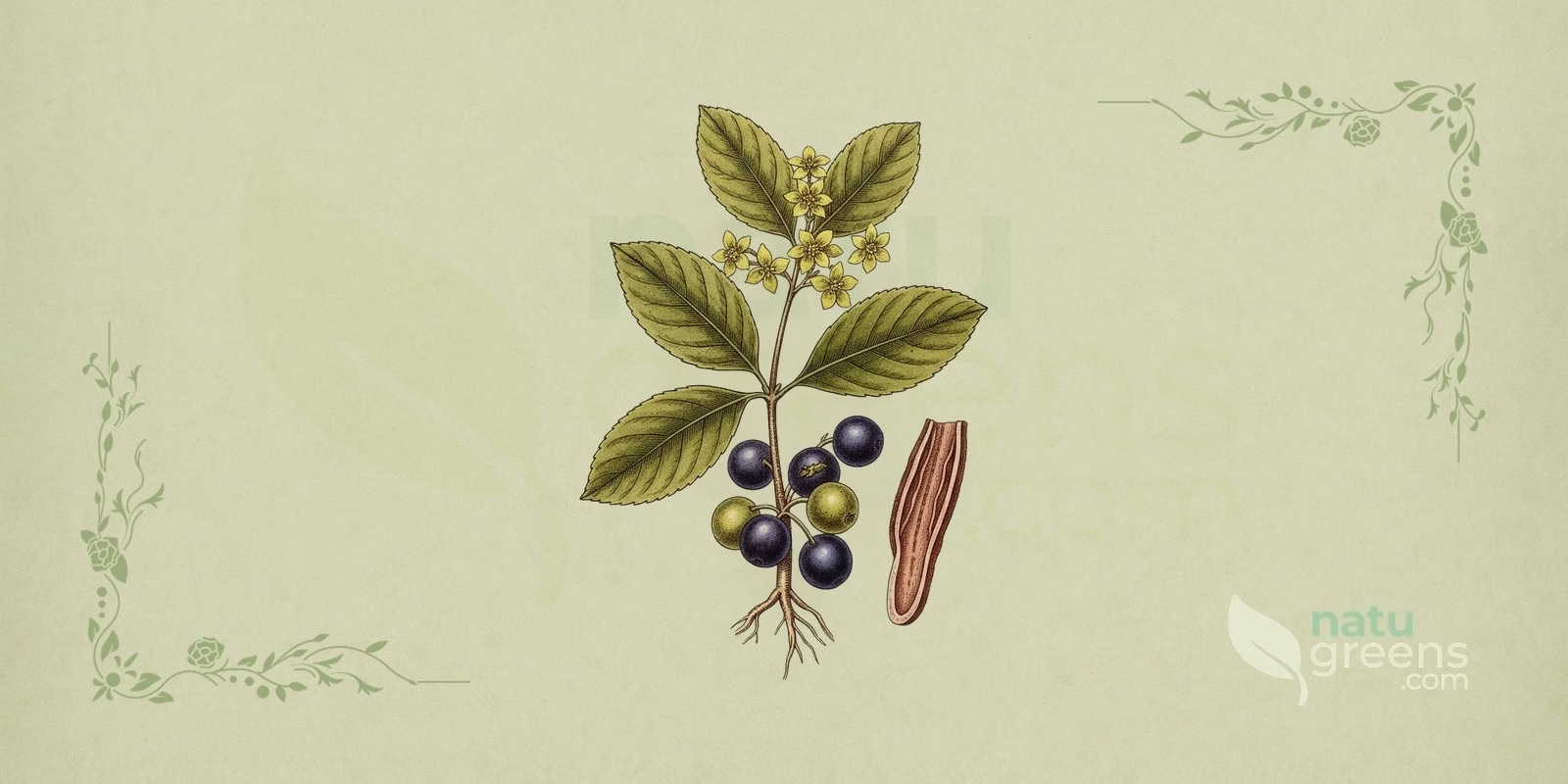
Rhamnus purshiana DC. / Cascara Sagrada, popularly known as cascara sagrada, is a large shrub or small tree belonging to the Rhamnaceae family, native to western North America, with a range extending from southern British Columbia to central California and, eastward, to northwestern Montana. The bark of the plant has been used for centuries in traditional medicine by Indigenous peoples of the Pacific Northwest, owing to its notable laxative properties.
Cascara sagrada was introduced into formal medicine in the United States in 1877, when it quickly replaced other laxative options, an effect attributed to the presence of specific phytochemical compounds such as hydroxyanthracene glycosides. Because of concerns about long-term safety and efficacy, however, the U.S. Food and Drug Administration (FDA) banned its use in over-the-counter laxatives in 2002, and the plant is now marketed only as a dietary supplement, which calls for caution and awareness of its contraindications and drug interactions.
Popular and International Names of Cascara Sagrada
- English: cascara buckthorn, cascara sagrada, chittem bark, sacred bark.
- Spanish: cáscara, cáscara sagrada.
- Portuguese: casca sagrada, cáscara, cáscara sagrada.
- French: cascara sacrée, nerprun purgatif.
- Italian: cascara sagrada, frangola americana.
- German: Amerikanischer Faulbaum, Faulbaum.
Botanical Synonyms of Rhamnus purshiana
The name historically established in trade and pharmacopoeia for this species is Rhamnus purshiana DC., a designation still widely used in technical and commercial literature today. More recent botanical taxonomy has reclassified the species under the genus Frangula, with Frangula purshiana (DC.) A.Gray ex J.G.Cooper now the scientifically accepted name in current nomenclature, although Rhamnus purshiana remains the binomial most recognized by the public and by the herbal products market. Other recorded synonyms include Cardiolepis obtusa Raf., Rhamnus alnifolia Pursh, and Rhamnus purshiana var. hirtella Schelle, an understanding of which is essential for research and for the accurate identification of the species across different botanical and pharmacological contexts.
Botanical Family: Rhamnaceae
Rhamnus purshiana belongs to the botanical family Rhamnaceae, which encompasses around 50 genera and more than 900 species of trees and shrubs distributed worldwide, particularly in tropical and subtropical regions. This family is characterized by simple leaves, small flowers, and drupe- or capsule-type fruits. Many species in the Rhamnaceae family are known for containing anthraquinones and other bioactive compounds that give them medicinal properties, particularly laxative ones. Notable examples include buckthorn (Rhamnus cathartica) and alder buckthorn (Frangula alnus), which share with cascara sagrada the capacity to stimulate intestinal transit.
Parts of Cascara Sagrada Used
The part of the plant used for medicinal purposes is the bark, which must be dried and aged. This process is essential to mitigate the emetic and strongly purgative effects of fresh bark, ensuring the safety and effectiveness of its use as a laxative.
Ethnobotanical and Traditional Uses
Cascara sagrada has traditionally been used for the occasional relief of constipation and as traditional support in cases of hemorrhoids, with continuous use discouraged without medical supervision. Historically, it was also employed as a bitter tonic and, in some cultures, as an aid for bowel cleansing before medical procedures, in addition to finding application as a flavoring agent in liqueurs and various foods, which demonstrates its cultural and ethnobotanical versatility over time.
Therapeutic Properties of Cascara Sagrada
Cascara sagrada is recognized for its laxative properties, which stimulate intestinal movement, and its cholagogue action, which promotes bile secretion. It additionally acts as a digestive tonic, contributing to the overall improvement of digestive function. These combined actions make it a valuable resource in traditional medicine for gastrointestinal issues, although its use should always be mindful and moderate.
Detailed Phytochemical Profile of Cascara Sagrada
The phytochemical profile of cascara sagrada is rich in bioactive compounds. Notable among them are cascarosides A, B, C, and D, hydroxyanthracene glycosides that are the main compounds responsible for its laxative effect. Other anthraquinones present include emodin and aloin. The plant also contains anthraquinone glycosides, tannins, which lend it astringent properties, and flavonoids, known for their antioxidant effects. This complex chemical composition underlies its therapeutic effectiveness.
Preparation and Administration Forms of Cascara Sagrada
Cascara sagrada can be prepared and administered in several forms, adapting to individual needs and the severity of the condition. Options include capsules, tea (infusion), fluid extract, powder, and tincture. Each preparation offers a distinct concentration and speed of action, allowing for a personalized approach to addressing constipation and other digestive disturbances, always under appropriate professional guidance.
Synergy with Other Medicinal Plants
Relief of Occasional Constipation
Cascara sagrada can be combined with other gentle laxative plants for a more balanced and less aggressive effect. Pairing it with flaxseed (Linum usitatissimum), rich in mucilage, may help soften stools and ease intestinal transit, while cascara sagrada stimulates peristalsis. Another synergy traditionally described is with dandelion (Taraxacum officinale), used as a hepatic tonic and mild diuretic that, in herbal tradition, complements the laxative action of cascara sagrada.
Digestive Support
For more comprehensive digestive support, cascara sagrada can be used together with carminative and digestive herbs. Peppermint (Mentha × piperita) and ginger (Zingiber officinale) are excellent options, as they help relieve cramping, flatulence, and nausea that can sometimes accompany laxative use. This combination aims not only to promote evacuation but also to minimize gastrointestinal discomfort, providing a gentler and more comfortable experience for the user.
Recipes and Usage Protocols of Cascara Sagrada
Infusion for Occasional Constipation
Ingredients: 1 teaspoon (approximately 2 g) of dried, aged cascara sagrada bark, 150 ml of boiling water.
Preparation: Place the bark in a cup and add the boiling water. Cover and let steep for 5 to 10 minutes. Strain and drink. It is recommended to take one cup before bed for a gentle laxative effect the following morning. The dosage should be adjusted to the smallest effective amount that produces soft stools, avoiding prolonged use.
Fluid Extract for Fast Action
Ingredients: Cascara sagrada fluid extract (1:1).
Preparation: Take 2 to 5 ml of the fluid extract, diluted in a little water, three times a day, as needed. This form of preparation offers a faster and more concentrated action, making it useful in cases of more persistent constipation. It is essential not to exceed the recommended dose and to limit use to short periods to avoid adverse effects.
The preparations above follow traditional records and do not replace professional guidance. Before any internal use, check the contraindications and interactions described in this article.
Associated Therapies
Phytotherapy
In phytotherapy, cascara sagrada is valued primarily for its laxative properties, being used for the occasional relief of constipation and for bowel preparation before medical procedures, never as a solution for continued use. The phytochemicals present in the bark, especially the cascarosides, work by stimulating peristaltic movements in the large intestine and inhibiting the reabsorption of water and electrolytes, which results in softer stools and easier intestinal transit. For this reason, modern phytotherapy emphasizes the responsible, short-term use of cascara sagrada, owing to the potential adverse effects associated with prolonged use.
Traditional Indigenous Medicine
Historically, Indigenous peoples of the Pacific Northwest used the bark of Rhamnus purshiana as an effective laxative. The bark was harvested in spring or early summer, when it peeled away easily from the tree, and was then aged for several months to mitigate the emetic and strongly purgative effects of fresh bark. This traditional practice underscores the deep knowledge these peoples held of the plant’s properties and the importance of proper preparation to ensure its safety and effectiveness. Cascara sagrada was regarded as a sacred plant, hence its popular Spanish name, cascara sagrada, which means “sacred bark.”
Contraindications and Side Effects of Cascara Sagrada
General Contraindications
Because it is a stimulant laxative, cascara sagrada should be used for no more than one to two consecutive weeks, and it is contraindicated in individuals with known hypersensitivity to its components. It should also not be used in cases of intestinal obstruction, appendicitis, inflammatory bowel disease (such as Crohn’s disease and ulcerative colitis), abdominal pain of unknown origin, stomach ulcers, or undiagnosed rectal bleeding. Pregnant or breastfeeding women should avoid its use entirely, as the active compounds can be excreted in breast milk and cause diarrhea in the infant, and children under 12 years of age should also not use cascara sagrada, due to an increased risk of dehydration and electrolyte imbalance.
Common Side Effects
The most common side effects include abdominal discomfort, cramping, nausea, and diarrhea. Prolonged use or use at high doses can lead to dehydration and loss of important electrolytes such as potassium, sodium, and chloride, which can result in muscle weakness, cardiac arrhythmias, and other serious problems. Melanosis coli, a harmless dark pigmentation of the colon lining, can occur with chronic use, but it is reversible after treatment is discontinued.
Drug Interactions
Cascara sagrada can interact with several medications. Concomitant use with diuretics, corticosteroids, or digoxin can potentiate potassium loss, increasing the risk of digitalis toxicity and arrhythmias. It can also reduce the absorption of orally administered medications, lowering their effectiveness. Combining it with other stimulant laxatives can lead to excessive diarrhea and electrolyte imbalance. Individuals being treated with warfarin should exercise caution, as cascara sagrada-induced diarrhea can increase the risk of bleeding.
Historical Notes and Interesting Facts
Origin of the Name
The popular name “cascara sagrada” is of Spanish origin and means “sacred bark.” This name was given by Spanish colonizers in North America, who observed the medicinal use of the bark by Indigenous peoples and regarded it as a divine gift for its laxative properties. The plant was so highly valued that its use spread rapidly, making it one of the best-known and most widely used natural laxatives worldwide before regulatory restrictions were introduced.
Use in the Food Industry
Although it is better known for its medicinal properties, cascara sagrada has also found applications in the food industry. An extract without the bark’s characteristic bitter flavor is occasionally used as a flavoring agent in various preparations, including liqueurs, soft drinks, ice creams, and baked goods. Honey produced from cascara sagrada flowers is considered flavorful but has a slight laxative effect, making it an interesting curiosity for honey enthusiasts seeking additional benefits.
Impact on Nature
Historical demand for cascara sagrada bark led to overharvesting of the plant’s wild populations during the 20th century, resulting in a significant decline in numbers in some areas. This fact underscores the importance of sustainable harvesting and the conservation of medicinal plant species. Cascara sagrada also plays an important ecological role, providing food for birds, bears, raccoons, and other mammals, which help disperse its seeds and contribute to the species’ natural regeneration.
Frequently Asked Questions about Cascara Sagrada
Is Cascara Sagrada Safe for Daily Use?
No, cascara sagrada is not recommended for daily or prolonged use. Continuous use for more than one or two weeks can lead to serious side effects, such as dehydration, electrolyte imbalance, heart problems, and muscle weakness. It is a stimulant laxative and should be used only for the occasional relief of constipation, under the guidance of a healthcare professional.
What Is the Difference Between Rhamnus purshiana and Frangula purshiana?
Historically, the plant was classified as Rhamnus purshiana. However, more recent botanical studies have reclassified it under the genus Frangula, with the currently accepted scientific name being Frangula purshiana. Both names refer to the same plant, but Frangula purshiana is the preferred nomenclature in modern taxonomy. For practical and commercial purposes, the name Rhamnus purshiana is still widely used.
Can Cascara Sagrada Cause Dependence?
Yes, prolonged use of stimulant laxatives, including cascara sagrada, can lead to dependence. The bowel can become “lazy” and unable to function normally without the laxative’s stimulation. In addition, abruptly stopping after prolonged use can result in rebound constipation. For this reason, it is essential to use cascara sagrada in moderation and under medical supervision.
Can I Use Cascara Sagrada During Pregnancy or Breastfeeding?
No, the use of cascara sagrada is contraindicated during pregnancy and breastfeeding. The active compounds can stimulate uterine contractions and can be excreted in breast milk, causing diarrhea and discomfort in the infant. It is essential to consult a doctor before using any supplement or herbal remedy during these periods.
Notice: this content is for informational purposes and does not replace professional medical advice. Consult a physician or herbal practitioner before using medicinal plants, especially during pregnancy, breastfeeding, or alongside medication.
References and Scientific Studies
- PMC2025 Silva Souza K, et al. Phytotoxicity and Cytogenotoxic Effects of Extracts From the Medicinal Bark of Rhamnus purshiana DC. (Rhamnaceae). Journal of Toxicology and Environmental Health, Part A. 2025.
- PMC2022 Migues VH, et al. Determination of Anthraquinones in Rhamnus purshiana Using High-Performance Liquid Chromatography Coupled to Diode Array Detector and Simple Ultraviolet Spectroscopic Analysis. Journal of Separation Science. 2022.
- PMC2006 EFSA Panel on Nutrition, Novel Foods and Food Allergens (NDA), et al. Scientific Opinion on additional scientific data related to the safety of preparations of Rheum palmatum L., Rheum officinale Baill. and their hybrids, Rhamnus purshiana DC., Rhamnus frangula L. and Cassia senna L., submitted pursuant to Article 8(4) of Regulation (EC) No 1925/2006. EFSA journal. European Food Safety Authority. 2024.