Quick summary
This name is also used for a different plant:
Main caution: There are no well-documented contraindications or side effects for the use of Daemonorops draco. However, as a general precaution, pregnant or breastfeeding women and individuals with pre-existing medical conditions…
⚠ Ambiguous common name
This name is also used for a different plant:
Compare with Dragon's Blood
Both profiles share the common name Dragon's Blood in this language, but they are different species.

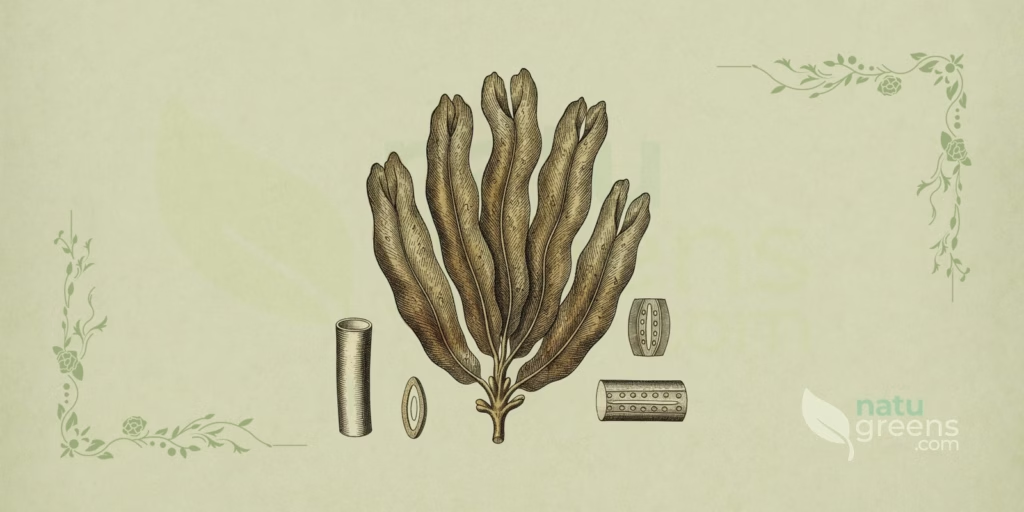
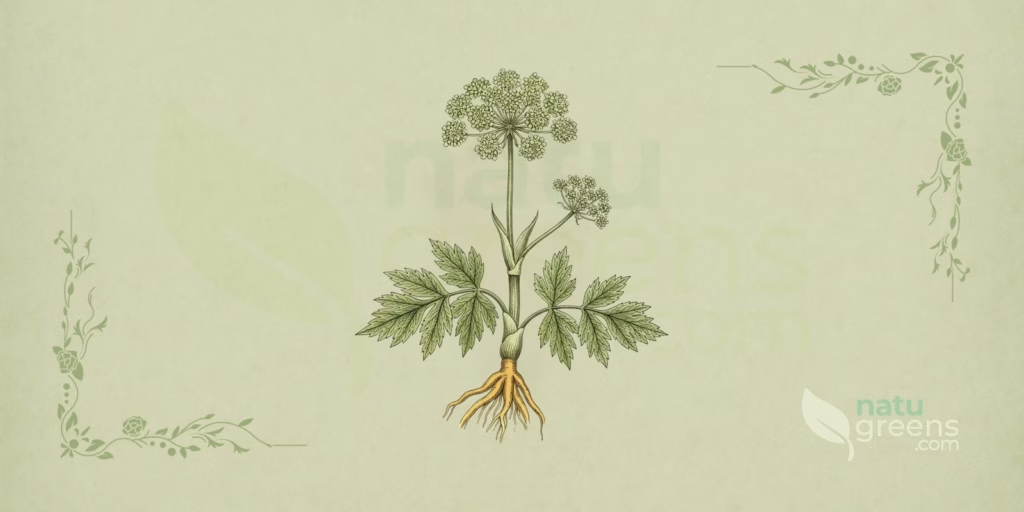
Reference illustration, not a photograph. Not suitable for identifying plants in the field.
Common nameDragon's Blood
Scientific nameDaemonorops draco
Botanical familyArecaceae
Toxicity mentions in profile

Reference illustration, not a photograph. Not suitable for identifying plants in the field.
Common nameDragon's Blood
Scientific nameCroton lechleri
Botanical familyEuphorbiaceae
Toxicity mentions in profile
Not an exhaustive list. Read the full contraindications section before considering use.
Read full sectionDaemonorops draco (Willd.) Blume / Dragon's Blood, popularly known as dragon's blood, is a perennial climbing palm of the Arecaceae family. Native to Southeast Asia, this species is valued for its red resin, used for centuries in traditional medicine, as a dye, and in rituals. The resin, extracted from the fruits, is the plant's main part of commercial and therapeutic value, sold in local markets and exported internationally.

In traditional Chinese medicine and other Asian practices, dragon's blood is traditionally used to support circulation, promote tissue regeneration, and help relieve various ailments, according to accounts of age-old use. Its rich phytochemical composition, which includes flavonoids, triterpenes, and the pigments dracorubin and dracorhodin, gives it astringent, anti-inflammatory, and wound-healing properties. Preliminary scientific studies have been investigating many of these traditional uses, reinforcing interest in this resin as a relevant natural resource.
Popular and International Names of Dragon's Blood
- English: Dragon's Blood, Dragon's Blood Palm.
- Spanish: Sangre de Drago, Sangre de Dragón.
- Portuguese: drago, sangue de dragão.
- French: Sang-Dragon.
- Italian: Sangue di Drago.
- German: Drachenblut.
Botanical Synonyms of Daemonorops draco
Calamus draco Willd. is the most relevant botanical synonym, reflecting the recent reclassification of the genus Daemonorops to Calamus. Other synonyms include Calamus draconis Oken, Daemonorops propinqua Becc., and Palmijuncus draco (Willd.) Kuntze.
Botanical Family: Arecaceae
The Arecaceae family, also known as Palmae, is a family of flowering plants that includes palms, coconut trees, and date palms. With around 2,600 species distributed across 181 genera, this family is economically important, providing food, building materials, and fibers. Plants in this family are typically trees or lianas with large compound leaves, known as fronds, arranged in a crown at the top of an unbranched stem.
Parts of Dragon's Blood Used
- Resin from the fruits
Ethnobotanical and Traditional Uses
- Chest pain relief
- Digestive disorders, such as diarrhea
- Dye for varnishes and paints
- Healing of wounds and ulcers
- Internal trauma
- Menstrual irregularities
- Postpartum hemorrhage
Therapeutic Properties of Dragon's Blood
- Analgesic (traditional use for pain relief)
- Anticoagulant (studied for blood clotting prevention)
- Anti-inflammatory (effect studied in reducing inflammation)
- Astringent (contracts tissues, reducing secretions)
- Stimulant (effect studied on functional activity)
- Wound-healing (effect studied on wound healing)
Detailed Phytochemical Profile of Dragon's Blood
Phytochemical studies have identified a diverse composition in the resin that underlies its traditional astringent, wound-healing, and anti-inflammatory uses, with the following constituents standing out:
- Abietic acid
- Bioflavonoids
- Chalcones and Retro-dihydrochalcones
- Dracorhodin
- Dracorubin
- Flavonoids (Dracoflavan A, 7-hydroxy-5-methoxyflavan, 5,7-dihydroxy-6-methylflavan)
- Polysaccharides
- Triterpenes
Preparation and Administration Forms of Dragon's Blood
- Cream
- Dry extract
- Fluid extract
- Poultice
- Powder
- Tincture
Synergy with Other Medicinal Plants
Wound-Healing and Anti-Inflammatory
Dragon's blood resin can be combined with myrrh (Commiphora myrrha) and frankincense (Boswellia sacra) to help enhance its wound-healing and anti-inflammatory effects. This combination is particularly useful in topical preparations for wounds, ulcers, and skin inflammation.
Recipes and Usage Protocols of Dragon's Blood
Poultice for Wounds and Ulcers
Ingredients: Dragon's blood resin powder, water.
Preparation: Mix the resin powder with a little water until it forms a paste. Apply directly to the clean wound or ulcer and cover with gauze. Change daily. This preparation helps stop bleeding, helps prevent infection, and helps speed up healing.
Tincture for Internal and External Use
Ingredients: 1 part dragon's blood resin, 5 parts 70% alcohol.
Preparation: Let the resin macerate in the alcohol for two weeks, shaking daily. Strain and store in a dark bottle. For internal use, traditionally associated with circulatory stimulation and menstrual irregularities, use only a small amount diluted in water, always under the guidance and supervision of a healthcare professional, given the lack of in-depth toxicological studies on the internal use of this resin. For external use, apply topically to wounds and cuts.
The preparations above follow traditional records and do not replace professional guidance. Before any internal use, check the contraindications and interactions described in this article.
Contraindications and Side Effects of Dragon's Blood
There are no well-documented contraindications or side effects for the use of Daemonorops draco. However, as a general precaution, pregnant or breastfeeding women and individuals with pre-existing medical conditions should consult a healthcare professional before using dragon's blood-based products. Due to its studied anticoagulant effect, concomitant use with anticoagulant or antiplatelet medications should also be avoided without medical guidance, due to the risk of increased bleeding.
Historical Notes and Interesting Facts
The name "dragon's blood" comes from the resin's intense red color, which resembles blood. This resin has been used since antiquity across various cultures. In China, it was used to lacquer furniture and in ceremonies. In Europe, it was a valuable pigment for artists and an ingredient in violin varnishes, contributing to their characteristic sound and color.
Frequently Asked Questions about Dragon's Blood
Is Dragon's Blood from Daemonorops draco the Same as That from Other Plants?
No. Although the name "dragon's blood" is used for red resins from various plants, such as Dracaena, Croton, and Pterocarpus, the chemical composition and medicinal properties can vary significantly between species.
Is It Safe to Ingest Dragon's Blood Resin?
Internal use of Daemonorops draco resin is traditional in some cultures, but it should be done with caution and, preferably, under the guidance of a qualified healthcare professional, due to the lack of in-depth toxicological studies.
How Is Dragon's Blood Resin Prepared?
The resin can be prepared in different forms, such as powder, fluid or dry extract, cream, and tincture, each suited to a particular type of application. For external use, the powder dissolved in water forms a paste used in poultices for wounds and ulcers, while the alcoholic tincture is used for both topical application and, with caution, internal use. The choice of preparation depends on the intended traditional purpose and should follow professional guidance, especially in the case of internal use.
What Are the Contraindications of Dragon's Blood?
There are no well-documented contraindications or side effects in the literature for the use of dragon's blood, which reinforces the need for caution. As a general precaution, pregnant women, breastfeeding mothers, and people with pre-existing medical conditions should consult a healthcare professional before using products based on this resin. Due to its studied anticoagulant effect, it is also prudent to avoid combining it with anticoagulant or antiplatelet medications without medical supervision.
What Are the Traditional Uses of Dragon's Blood?
In traditional Asian medicine, the resin is used to help heal wounds and ulcers, relieve chest pain, and ease digestive disorders such as diarrhea. It is also traditionally used for postpartum hemorrhage, menstrual irregularities, and internal trauma, in addition to historically serving as a dye for varnishes and paints. These uses reflect centuries of empirical practice, partially investigated today by modern scientific research.
What Is the Most Accepted Botanical Synonym of Dragon's Blood?
The most accepted botanical synonym for Daemonorops draco is Calamus draco, a name that reflects a recent taxonomic reclassification of the genus Daemonorops to Calamus. Other recorded historical synonyms include Calamus draconis, Daemonorops propinqua, and Palmijuncus draco, all referring to the same species that produces the resin popularly known as dragon's blood.
Notice: this content is for informational purposes and does not replace professional medical advice. Consult a physician or herbal practitioner before using medicinal plants, especially during pregnancy, breastfeeding, or alongside medication.
How to cite this article
NATUGREENS. Dragon's Blood (Daemonorops draco): Benefits and Uses. Natugreens, 20 Sept. 2026. Disponível em: https://natugreens.com/daemonorops-draco-dragons-blood/. Accessed: Nov. 6, 2026.
Natugreens. (2026). Dragon's Blood (Daemonorops draco): Benefits and Uses. Natugreens. https://natugreens.com/daemonorops-draco-dragons-blood/
References and Scientific Studies
- PMC2025 Wu X, et al. Anti-inflammatory and barrier repair mechanisms of active components in Daemonorops draco Bl. for UVB-induced skin damage.. Scientific Reports. 2025.
- PMC2025 Li J, et al. Draconis Sanguis (DS) from the fruit of Daemonorops draco Bl. ameliorates cardiac function through optimizing myocardial energy metabolism by promoting angiogenesis in ischemic heart failure.. Phytomedicine. 2025.
- PMC2017 Kuo PC, et al. Anti-inflammatory Flavan-3-ol-dihydroretrochalcones from Daemonorops draco. Journal of natural products. 2017.