Picrorhiza kurroa Royle ex Benth. / Kutki, a highly valued perennial medicinal plant, is popularly known as kutki in several regions, including Nepal and India, and belongs to the Plantaginaceae family. Native to the mountainous regions of the Himalayas, where it grows at high altitudes between 2,700 and 4,800 meters, kutki ranks among the oldest and most widely traded medicinal plants of the region. Its use in Ayurvedic medicine goes back thousands of years. Its roots and rhizomes are the most prized part, recognized above all for the intensely bitter taste that tradition links to its medicinal properties.
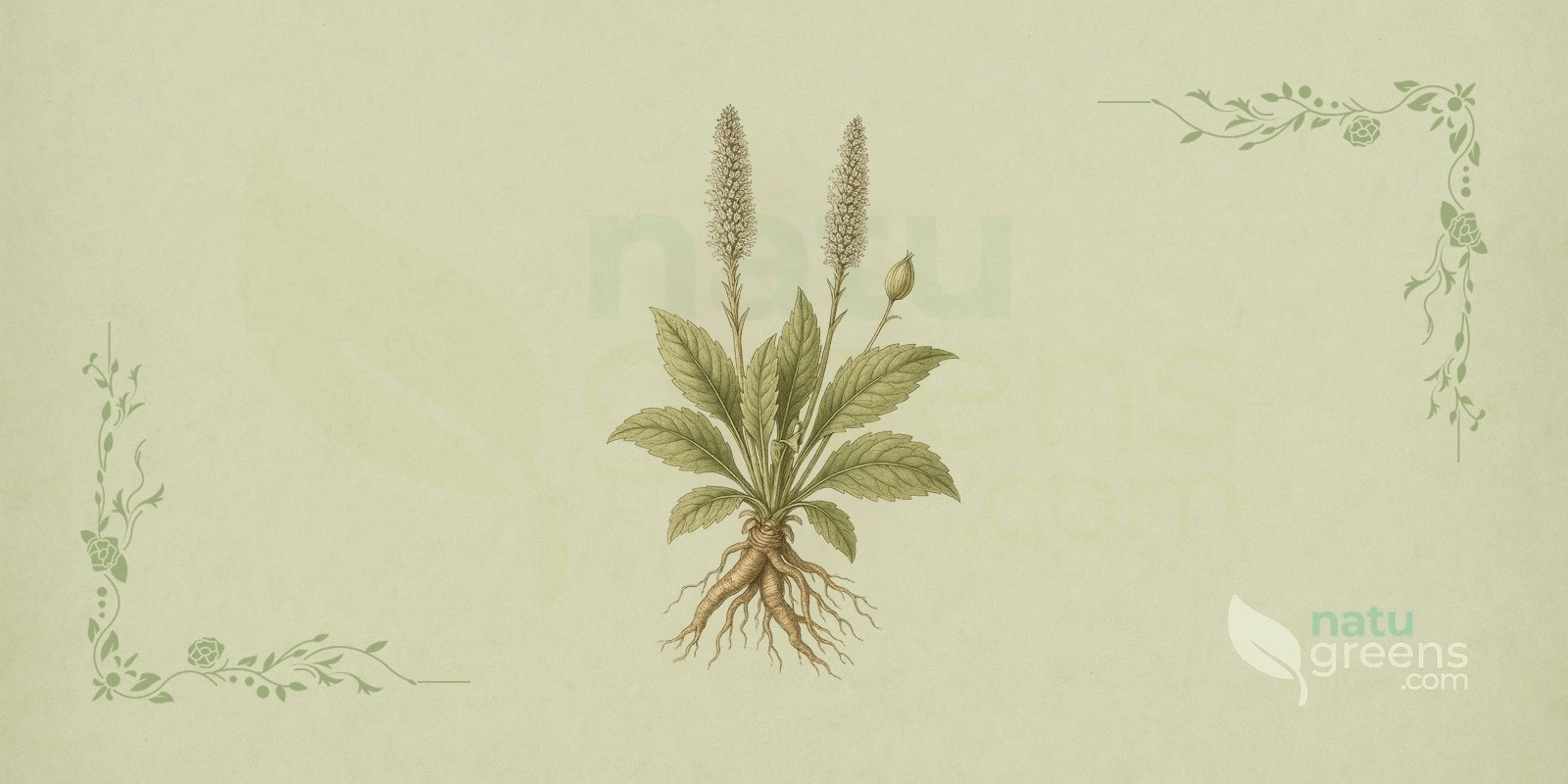
Tradition uses kutki for a wide range of complaints, from digestive problems and chronic fevers to liver disorders. Its ethnobotanical importance is such that it is often cited as a substitute for Indian gentian (Gentiana kurroo). Modern research has been investigating several of these traditional uses and describes a phytochemical profile rich in bioactive compounds, although most of the findings come from laboratory and animal studies, with few clinical trials in humans. Overharvesting of the plant in the wild, on the other hand, has led to its classification as an endangered species. For this reason, the recommendation is to buy only cultivated and certified material, never material harvested from the wild.
Popular and International Names of Kutki (Picrorhiza)
Besides the name kutki, in common use in India and Nepal, the plant circulates in international trade under the genus name itself, picrorhiza, and under the Sanskrit form katuki, as the variants recorded below for each language show.
- English: bitter root, kutki, picrorhiza.
- French: katuki, kutki, picrorhiza.
- German: Katuki, Kutki.
- Italian: katuki, kutki, picrorhiza.
- Portuguese: katuki, kutki, picrorhiza.
- Spanish: katuki, kutki, picrorriza.
Botanical Synonyms of Picrorhiza kurroa
The scientific name adopted in this article, and the most widespread in the pharmacological literature, is Picrorhiza kurroa Royle ex Benth. Botanical sources, however, record a few variants that readers may come across when researching the plant. The most notable is Picrorhiza kurrooa, a slightly different spelling of the same name, used even in the CITES listing, and not a distinct species. Despite these variants, Picrorhiza kurroa remains the most widely recognized and used designation for this medicinal plant in studies and publications on herbal medicine.
Botanical Family: Plantaginaceae
Picrorhiza kurroa belongs to the Plantaginaceae family, a group of flowering plants that has undergone a significant reclassification in recent decades. Many species now included in it were previously classified in Scrophulariaceae. Diverse and distributed worldwide, though most concentrated in temperate regions, the family comprises about 100 to 120 genera and roughly 1,800 to 1,900 species, with life forms ranging from annual and perennial herbs to shrubs.
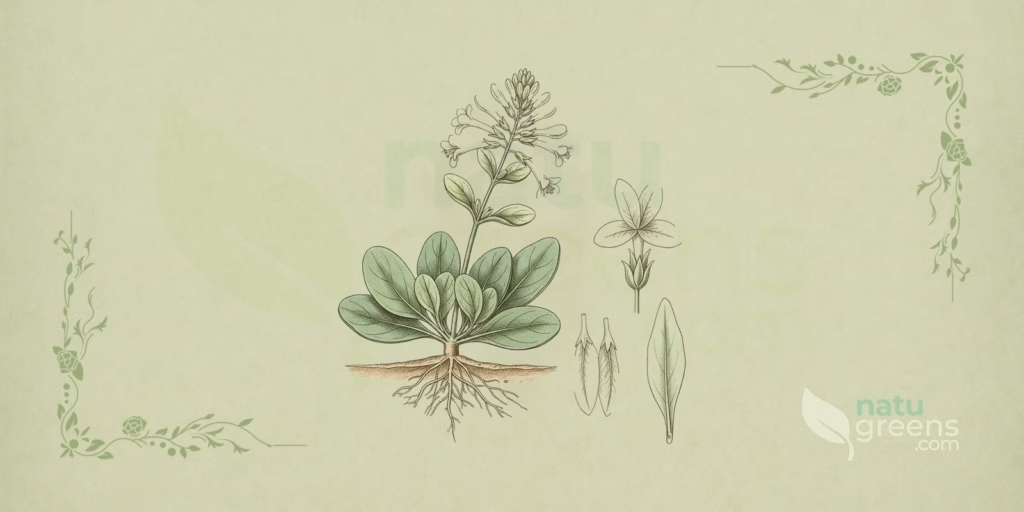
General features of the Plantaginaceae family include simple or compound leaves, which may be basal, alternate or opposite, and often bisexual flowers that appear in inflorescences or singly and usually have sepals and petals. The reclassification reflects advances in molecular phylogenetics, which have revealed more precise evolutionary relationships among plant groups. With its basal leaves and flowers in cylindrical spikes, Picrorhiza kurroa displays features typical of the family.
Parts of Kutki Used
Medicinal interest focuses on the plant’s underground organs, which accumulate the bitter principles behind kutki’s reputation in the traditional medicine of the Himalayas and India.
- Rhizomes
- Roots
Ethnobotanical and Traditional Uses
The uses listed below belong to the traditional record, mainly Ayurvedic and Himalayan folk medicine, and are not equivalent to indications with proven efficacy in humans.
- Asthma
- Digestive discomfort
- Febrile infections
- Fever
- Jaundice
- Liver disorders
- Rheumatism
- Spleen disorders
- Vitiligo
- Wound healing
Therapeutic Properties of Kutki
The properties described below derive mostly from laboratory and animal studies, and clinical trials in humans are still few and small, which rules out regarding them as proven effects.
- Antibacterial (activity against bacteria observed in laboratory assays)
- Anti-inflammatory (reduction of inflammatory markers in experimental studies)
- Antioxidant (neutralization of free radicals in laboratory assays)
- Antiproliferative (activity observed in laboratory studies, without clinical confirmation)
- Antiviral (activity against viruses investigated in preliminary studies)
- Cardioprotective (protective effect on the heart observed in animal models)
- Hepatoprotective (traditional use under study, not a substitute for the treatment of diagnosed liver disease)
- Hypocholesterolemic (cholesterol reduction observed in animal studies)
- Hypoglycemic (blood glucose reduction observed in preliminary studies)
- Immunomodulatory (modulation of the immune system in experimental studies)
- Neuroprotective (protection of nerve cells in laboratory models)
Detailed Phytochemical Profile of Kutki
Iridoid glycosides account for most of the pharmacological interest in kutki, and it is on them, especially picroside I and kutkoside, that commercial extracts are standardized, along with the fraction known as picroliv, the most researched of the preparations derived from the plant.
- Apocynin
- Cucurbitacins
- Iridoid glycosides (kutkoside, picroside I, picroside II, picroside III)
- Kutkin (a mixture of kutkoside and picroside)
- Phenolic acids
- Picroliv (standardized fraction of iridoid glycosides)
- Veronicoside
Preparation and Administration Forms of Kutki
In traditional practice and on the herbal products market, kutki rhizome reaches users in different presentations, and the same sourcing rule applies to all of them, with cultivated and certified material and the amount set by a health professional.
- Capsules
- Decoction
- Powder
- Standardized extracts
- Tinctures
Synergy with Other Medicinal Plants
Liver Support in the Ayurvedic Tradition
In Ayurvedic medicine, kutki is often combined with other herbs traditionally associated with the liver, such as kalmegh (Andrographis paniculata) and stonebreaker (Phyllanthus niruri). The traditional record links these formulations to liver cleansing, the relief of inflammation and the regeneration of liver cells. These combinations remain under study and are no substitute for the medical care of hepatitis, cirrhosis or any other diagnosed liver disease, which must be managed by a physician.
Digestive Combinations
For digestive complaints, tradition pairs kutki with warming, carminative herbs such as ginger (Zingiber officinale) and long pepper (Piper longum). These blends are traditionally used to stimulate appetite, ease digestion and relieve flatulence and cramps. Following this Ayurvedic logic, the bitterness of kutki would balance the stimulating properties of the other herbs, making up a formula that tradition associates with good nutrient absorption and gastrointestinal well-being.
Recipes and Usage Protocols of Kutki
The preparations below reproduce the traditional Ayurvedic record and assume rhizome from a cultivated and certified source, never material harvested from the wild. The amount of powder, the frequency and the duration of use are not given here because they depend on individual assessment.
Traditional Kutki Rhizome Decoction
Ingredients: powdered rhizome of cultivated and certified kutki, in a small amount set by a health professional, and 250 ml of water.
Preparation: Add the kutki powder to the water and bring to a boil, then lower the heat and let it simmer for 10 to 15 minutes, straining it before drinking it warm. Ayurvedic tradition usually takes this decoction before meals and records its use for jaundice and other liver conditions. The frequency and duration, however, must be set individually, so consult a health professional before use. This preparation does not replace the treatment of diagnosed liver disease.
Kutki Powder with Honey
Ingredients: powdered rhizome of cultivated and certified kutki, in a small amount set by a health professional, and honey or warm water.
Preparation: Mix the kutki powder with honey or warm water until it forms a paste or dissolves completely, preferably to be taken in the morning. This way of taking it is popular in Ayurveda, where the traditional record associates it with general cleansing of the body and with skin health. The amount should be adjusted according to the guidance of whoever is following the case, so consult a health professional. Honey must not be given to children under 1 year of age.
The preparations above follow traditional records and do not replace professional guidance. Before any internal use, check the contraindications and interactions described in this article.
Associated Therapies
Ayurveda
In Ayurvedic medicine, where it is called katuki, kutki is one of the most revered herbs, valued for its bitter taste (tikta rasa) and for its capacity, according to this tradition, to balance the Pitta and Kapha doshas. Ayurveda uses it as a cholagogue, digestive tonic and liver protector, and this hepatic action lies at the heart of traditional formulations aimed at hepatitis, cirrhosis, jaundice and other liver disorders. This use remains under study and must never replace the treatment of diagnosed liver disease. The tradition also values its anti-inflammatory and immunomodulatory properties, and the plant appears as a component of many Ayurvedic formulas aimed at general health and well-being.
Clinical Phytotherapy
In modern clinical phytotherapy, kutki is studied for its active compounds, such as the picrosides, to which much of its described pharmacological activity is attributed. It is usually taken in standardized extracts that aim for consistent dosing. Phytochemical and pharmacological research has investigated the use of kutki in inflammation, autoimmune disorders and liver disease, with promising results mainly in experimental studies. Clinical trials in humans, for their part, remain scarce and small. Clinical phytotherapy seeks to integrate traditional knowledge with the available scientific evidence, almost always as a complement to other approaches and under professional guidance.
Contraindications and Side Effects of Kutki
General Contraindications
The literature describes good tolerance of kutki at traditionally used amounts, but safety data in humans are still limited. Avoid it during pregnancy and breastfeeding due to the lack of data, and the same caution applies to children, a group for which safety studies are also lacking. People with biliary obstruction or gallstones should use kutki only with caution and under medical supervision, because the plant may stimulate bile secretion. Anyone with known hypersensitivity to plants of the Plantaginaceae family should also avoid it.
Common Side Effects
Kutki may cause gastrointestinal effects and, at high doses, skin rashes. The most frequently reported gastrointestinal effects are diarrhea, nausea and abdominal discomfort, linked to the plant’s strong purgative effect. Allergic reactions, although rare, may occur in sensitive people in the form of rashes or itching. If any adverse reaction occurs, use should be stopped and a health professional consulted.
Drug Interactions
Caution is needed in people taking immunosuppressants, because, given its immunomodulatory properties, kutki may interact with drugs such as cyclosporine and reduce their efficacy. The plant may also enhance the effect of blood glucose-lowering medications, which calls for glucose monitoring in people with diabetes. Owing to its potential cholagogue effect, it may also interact with drugs that affect bile function. Before starting kutki, especially if you are taking other medications, consult a doctor or pharmacist.
Sourcing and Limits of Use
As a species under pressure from predatory harvesting in the wild, kutki should be bought only as cultivated and certified material, never material harvested from the wild. No product without this provenance should be purchased or recommended. Its traditional use as a hepatoprotective remains under study and must never be presented or adopted as a substitute for the treatment of diagnosed liver disease, which requires medical follow-up.
Historical Notes and Interesting Facts
Origin of the Name
The genus name Picrorhiza derives from the Greek pikros (bitter) and rhiza (root), a reference to the characteristic taste of the most used part of the plant. The common name kutki, current in local languages such as Nepali and Hindi, also alludes to bitterness, underscoring the main organoleptic trait of the species and reflecting the long history of recognition of its medicinal properties and traditional use.
Endangered Plant
Picrorhiza kurroa is classified as an endangered species because of overharvesting in the wild to supply the herbal products industry. In 1997, it was listed in Appendix II of CITES (Convention on International Trade in Endangered Species of Wild Fauna and Flora), which restricts its international trade. Conservation and sustainable cultivation efforts are under way to protect the plant and secure its availability for future generations. That is why choosing cultivated and certified material makes a real difference to the survival of the species.
Frequently Asked Questions about Kutki
Is Kutki Safe for Long-Term Use?
Long-term studies in humans that would establish the safety of prolonged kutki use are still lacking, so any continuous use should take place under the supervision of a health professional. As with other potent medicinal plants, specialists often recommend periodic breaks to reduce the risk of cumulative effects or interactions, and regular monitoring of liver function is advised during prolonged use.
What Is the Difference between Picrorhiza kurroa and Picrorhiza scrophulariiflora?
Both species are used in traditional medicine, and Picrorhiza scrophulariiflora, which part of the botanical literature now classifies as Neopicrorhiza scrophulariiflora, is often used as a substitute for P. kurroa, mainly because of the scarcity of the latter. There are botanical and phytochemical differences between them, and P. scrophulariiflora is considered less threatened, so the choice between the two usually depends on availability and on the specific formulation of the product.
Can Kutki Be Used for Weight Loss?
Kutki is not traditionally recognized as a weight-loss plant, and no studies support this use, since its traditional record is linked to digestion and the liver rather than to losing weight. For those who want to lose weight, the path remains a balanced diet, an active lifestyle and guidance from a health professional to build a suitable plan.
Why Buy Only Cultivated and Certified Kutki?
Kutki is a species under pressure from predatory harvesting in the wild and is listed in Appendix II of CITES, which makes buying cultivated and certified material the only responsible choice, never material harvested from the wild. Products that do not state this provenance should not be purchased, because, besides fueling the predatory extraction of the plant, they usually offer no guarantee of botanical identity or quality.
Does Kutki Replace Treatment for Liver Disease?
It does not, because the traditional use of kutki as a hepatoprotective remains under study, with results that come mainly from the laboratory, from animal models and from a few small clinical trials. It must never be presented or used as a substitute for the treatment of hepatitis, cirrhosis, fatty liver disease or any other diagnosed liver disease, and anyone with liver problems should talk to their doctor before using any plant.
Who Should Avoid Kutki?
Pregnant and breastfeeding women should avoid kutki due to the lack of safety data, and the same applies to children. People with biliary obstruction or gallstones should use it only under medical supervision. Caution is also needed in people taking immunosuppressants, such as cyclosporine, or blood glucose-lowering medications, because the plant may interfere with how these drugs work, as well as in people with known hypersensitivity to plants of the Plantaginaceae family.
Notice: this content is for informational purposes and does not replace professional medical advice. Consult a physician or herbal practitioner before using medicinal plants, especially during pregnancy, breastfeeding, or alongside medication.
References and Scientific Studies
- PMC2022 Almeleebia TM, et al. Pharmacological and Clinical Efficacy of Picrorhiza kurroa and Its Secondary Metabolites: A Comprehensive Review. Molecules. 2022.
- PMC2010 Mehta S, et al. Advances in Ethnobotany, Synthetic Phytochemistry and Pharmacology of Endangered Herb Picrorhiza kurroa (Kutki): A Comprehensive Review (2010-2020). Mini Reviews in Medicinal Chemistry. 2021.
- PMC2023 Raut A, et al. Picrorhiza kurroa, Royle ex Benth: Traditional uses, phytopharmacology, and translational potential in therapy of fatty liver disease. Journal of Ayurveda and Integrative Medicine. 2023.
- PMC2019 Soni D, et al. “Picrosides” from Picrorhiza kurroa as potential anti-carcinogenic agents. Biomedicine and Pharmacotherapy. 2019.
- PMC2009 Verma PC, et al. Pharmacology and chemistry of a potent hepatoprotective compound Picroliv isolated from the roots and rhizomes of Picrorhiza kurroa royle ex benth. (kutki). Current Pharmaceutical Biotechnology. 2009.