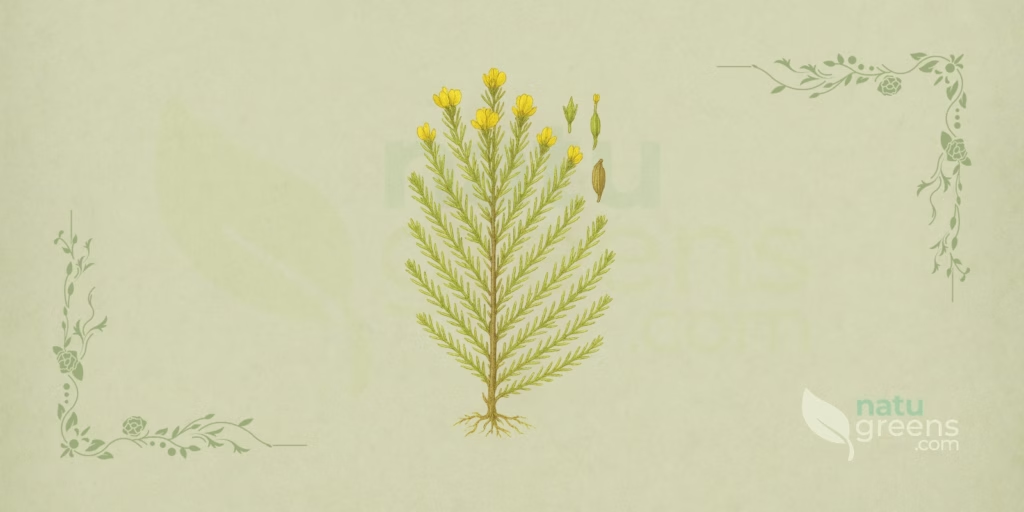
Nigella sativa L. / Black Cumin
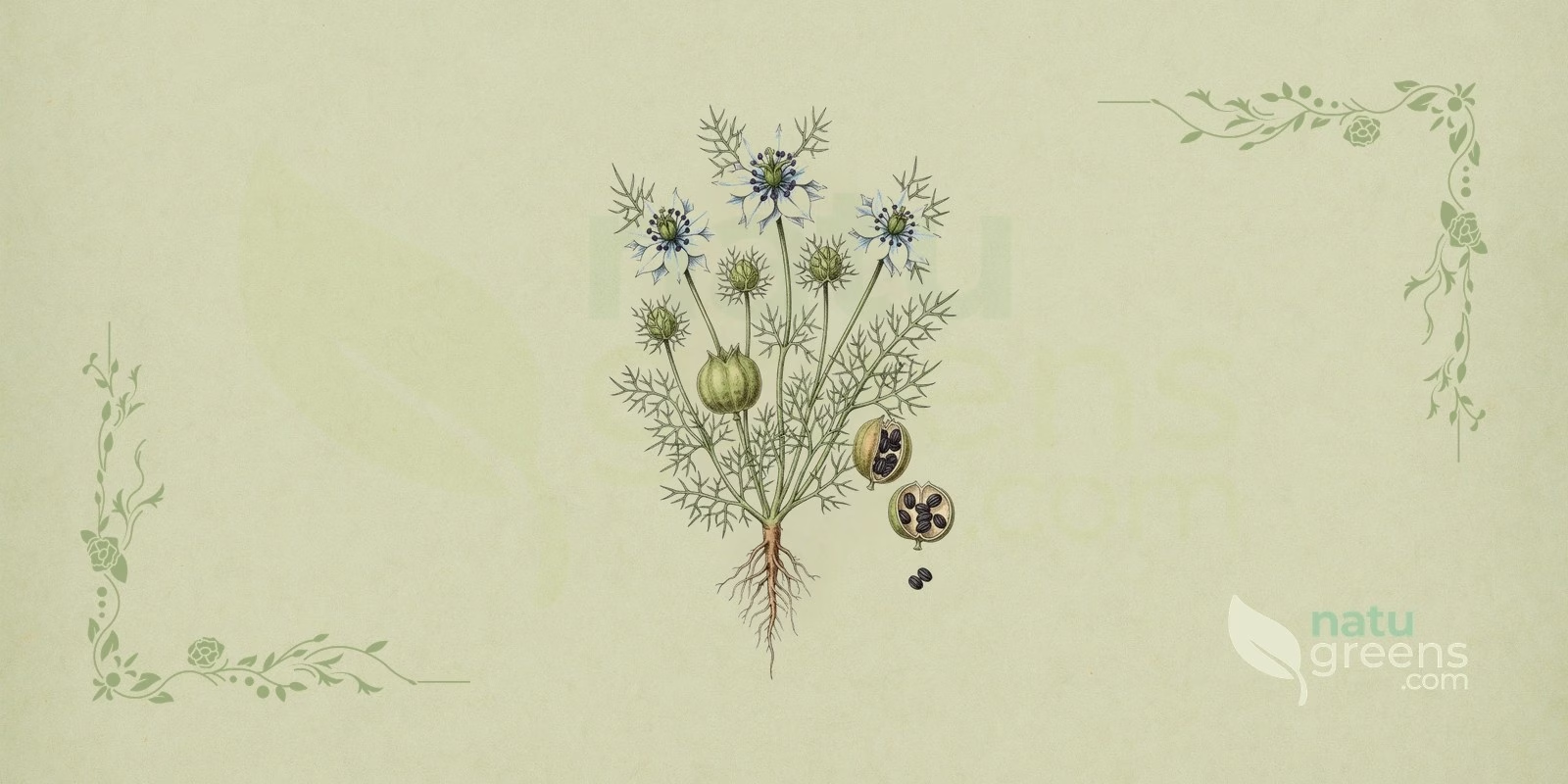
Nigella sativa, commonly known as black cumin, is an annual herbaceous plant of the Ranunculaceae family, valued for millennia for its seeds. Native to Western Asia, Eastern Europe, and the Middle East, this species has spread throughout the world. It is widely used across many cultures, particularly in traditional medicine, owing to its well-recognized therapeutic properties.
Black cumin has long been a mainstay of systems such as Ayurveda, Unani medicine, and Islamic medicine, where it is used for a wide range of conditions. Its rich phytochemical composition, most notably thymoquinone, gives it remarkable therapeutic potential. The plant is often prepared as a tea or infusion, serving as a natural remedy for various ailments.
Popular and International Names of Black Cumin
- English: Black Caraway, Black Cumin, Black Seed, Kalonji, Nigella.
- Spanish: Ajenuz, Comino Negro, Nigella.
- Portuguese: Cominho Negro, Cominho Preto, Falso Cominho, Nigela, Semente Preta.
- French: Cumin Noir, Nigelle Cultivée.
- Italian: Cumino Nero, Nigella.
- German: Schwarzkümmel.
Botanical Synonyms of Nigella sativa
The most frequently cited botanical synonym for Nigella sativa L. is the scientific name itself. Although some historical variations exist, the current designation is widely accepted. This standardization facilitates global scientific communication and precise identification of the plant.
Botanical Family: Ranunculaceae
Nigella sativa belongs to the Ranunculaceae family, which comprises around 2,500 species of flowering plants. This family is known for its morphological diversity and for containing alkaloids and other bioactive compounds. Many species of Ranunculaceae are valued for their medicinal and ornamental properties.
Plants in this family, including black cumin, display distinctive floral characteristics and are commonly found in temperate regions. Phytochemical research on Ranunculaceae has revealed a wide array of compounds, contributing to the development of herbal pharmaceuticals. The family is of considerable interest to both botany and pharmacology.
Parts of Black Cumin Used
- Seed oil
- Seeds
Ethnobotanical and Traditional Uses
- Gastrointestinal disorder treatment (flatulence, cramps, indigestion)
- Hepatic and renal protection
- Immune system support
- Pain and inflammation reduction (rheumatism, headaches, and muscle pain)
- Respiratory symptom relief (asthma, bronchitis, cough)
- Skin condition improvement (eczema, psoriasis, acne)
- Support for anxiety and insomnia
- Traditional aid in managing diabetes and hypertension
Therapeutic Properties of Black Cumin
- Analgesic (traditional use for pain relief)
- Antibacterial (activity observed against various bacteria in laboratory studies)
- Antidiabetic (effect studied on glucose, associated in research with insulin sensitivity)
- Antifungal (demonstrates activity against fungi)
- Antihypertensive (contributes to reducing blood pressure)
- Anti-inflammatory (effect studied in reducing chronic and acute inflammation)
- Antioxidant (activity studied against free radicals, protecting cells)
- Antiproliferative (activity observed in laboratory studies, without clinical confirmation)
- Antispasmodic (effect studied in reducing muscle spasms)
- Antiviral (potential activity against certain viruses)
- Bronchodilator (relaxes the airways)
- Carminative (helps expel intestinal gas)
- Diuretic (effect studied on urine production)
- Galactagogue (effect studied on breast milk production)
- Gastroprotective (protective effect studied on the gastric mucosa)
- Hepatoprotective (protective effect studied against liver damage)
- Hypolipidemic (effect studied on cholesterol and triglycerides)
- Immunomodulatory (effect studied on immune response)
- Nephroprotective (offers protection to the kidneys)
Detailed Phytochemical Profile of Black Cumin
Nigella sativa is notable for its complex phytochemical composition, which underlies its wide range of therapeutic applications. The most prominent and extensively studied compound is thymoquinone (TQ), a component of the essential oil. This phytochemical accounts for much of the plant’s pharmacological activity, including its antioxidant and anti-inflammatory properties.
In addition to thymoquinone, black cumin contains a variety of other bioactive compounds. These include alkaloids such as nigellimine and nigellidine, which contribute to its therapeutic effects. Flavonoids such as quercetin and kaempferol are also present, providing additional antioxidant benefits. The plant is a rich source of triterpenoid saponins, which have diverse biological activities.
The essential oils of Nigella sativa contain, besides thymoquinone, other monoterpenes such as p-cymene, carvacrol, α-pinene, β-pinene, and limonene. The seeds are also an excellent source of essential fatty acids, such as linoleic acid (omega-6) and oleic acid (omega-9), important for cardiovascular health. B-complex vitamins, calcium, iron, potassium, and zinc round out the nutritional profile. The presence of proteins, essential amino acids, and dietary fiber further reinforces its medicinal and nutritional value.
Preparation and Administration Forms of Black Cumin
- Capsules/Powder: Ground seeds or encapsulated extracts for convenient, standardized dosing.
- Decoction: The seeds are boiled in water, producing a more concentrated preparation useful for chronic conditions.
- Infusion: Prepared with ground or whole seeds, ideal for digestive and respiratory complaints.
- Oil: Black cumin oil, cold-pressed from the seeds, is used both topically and internally due to its high thymoquinone concentration.
- Tincture: An alcoholic extract of the seeds, used for precise dosing and stronger effects.
Synergy with Other Medicinal Plants
Black Cumin and Honey
The combination of black cumin with honey is traditionally used to support its immunomodulatory and anti-inflammatory effects. Honey acts as a carrier and is thought to intensify the antimicrobial properties of Nigella sativa.
Black Cumin and Ginger
Ginger complements black cumin in supporting digestion and reducing nausea. Both have anti-inflammatory properties, creating a synergy that may be beneficial for joint and muscle discomfort.
Black Cumin and Turmeric
Turmeric (Curcuma longa), with its curcumin content, is regarded as a potent anti-inflammatory and antioxidant. Combining it with black cumin may amplify these effects, making the pairing useful for chronic inflammatory conditions and overall health.
Recipes and Usage Protocols of Black Cumin
Infusion for Immune Support
Ingredients: 1 teaspoon of ground black cumin seeds, 200 ml of boiling water, honey (optional).
Preparation: Add the ground seeds to the boiling water. Cover and let steep for 10 to 15 minutes. Strain and sweeten with honey if desired. Drink once or twice a day as a traditional support for the immune system and as a general tonic.
Black Cumin Oil for Topical Application
Ingredients: Pure black cumin oil.
Preparation: Apply a small amount of oil directly to the skin. Gently massage into areas affected by muscle or joint discomfort or skin conditions such as eczema. It can be used daily.
Blend for Respiratory Complaints
Ingredients: 1 teaspoon of ground black cumin seeds, 1 teaspoon of honey, 1/2 teaspoon of ground ginger.
Preparation: Mix all the ingredients into a smooth paste. Take once a day, preferably in the morning, to help ease symptoms of asthma, bronchitis, and cough. This blend helps open the airways.
The preparations above follow traditional records and do not replace professional guidance. Before any internal use, check the contraindications and interactions described in this article.
Associated Therapies
Aromatherapy
The essential oil of Nigella sativa can be used in diffusers to create a relaxing atmosphere. Its aromatic properties contribute to overall well-being and may help reduce stress and anxiety. Inhaling the vapors may also benefit the respiratory system.
Herbal Medicine
Nigella sativa is a valuable component in herbal medicine, used in a variety of herbal formulations. It can be combined with other medicinal plants to create synergies that optimize therapeutic outcomes. Modern herbal medicine recognizes its potential across numerous applications.
Functional Nutrition
Black cumin seeds are considered a superfood in functional nutrition. They can be added to dishes, breads, salads, and yogurt to enrich the diet with nutrients and bioactive compounds. Their inclusion in the daily diet is traditionally associated with overall well-being and health maintenance.
Contraindications and Side Effects of Black Cumin
Although Nigella sativa is generally considered safe when consumed at therapeutic doses, certain contraindications and potential side effects exist. Pregnant or breastfeeding women should avoid its use, as there are insufficient studies confirming its safety in these groups. People with bleeding disorders or those taking anticoagulant medications should exercise caution, as black cumin may have an anticoagulant effect.
In some individuals, consuming black cumin may cause mild gastrointestinal disturbances, such as nausea, vomiting, diarrhea, or bloating. Allergic reactions, though rare, can occur, presenting as skin rashes or breathing difficulty. It is always advisable to consult a healthcare professional before starting any supplementation, especially in the case of pre-existing medical conditions or use of other medications. Excessive dosing may lead to adverse effects.
Historical Notes and Interesting Facts
Black cumin is known as “the blessed seed” in ancient Arabic texts, with a rich history spanning more than 3,000 years. Its mention in religious texts and ancient medical manuscripts underscores its historical and cultural importance. The Prophet Muhammad is said to have stated that black cumin “is a cure for every disease except death,” a saying that has reinforced its age-old reputation as a panacea.
Seeds of Nigella sativa were found in the tomb of the pharaoh Tutankhamun, indicating its use in ancient Egypt. Beyond its medicinal applications, the seeds are widely used in the cuisines of the Middle East, India, and North Africa, lending a spicy, aromatic flavor to breads, curries, and other dishes. Its versatility and historical legacy have made black cumin a plant of considerable global interest.
Frequently Asked Questions about Black Cumin Tea
What Is Black Cumin?
Black cumin is the seed of the Nigella sativa plant, an annual herb of the Ranunculaceae family. It is known for its medicinal and culinary properties and has been used for millennia across many traditional cultures.
What Are the Main Benefits of Black Cumin?
Its main benefits include anti-inflammatory, antioxidant, antibacterial, immunomodulatory, and antidiabetic actions. It helps relieve respiratory and digestive complaints, pain, and inflammation, and supports overall health.
How Can I Use Black Cumin?
It can be used in the form of seeds (ground or whole), oil, tincture, or extract. The seeds can be added to food, and the oil can be taken orally or applied topically. Infusing the seeds is a popular way to consume it.
Are There Contraindications for Using Black Cumin?
Yes, pregnant or breastfeeding women should avoid its use. People with bleeding disorders or those taking anticoagulants should exercise caution. At high doses, it may cause gastrointestinal disturbances. It is always advisable to consult a healthcare professional.
What Is the Main Active Component of Black Cumin?
The main active component is thymoquinone (TQ), a phytochemical present in the essential oil of the seeds. Thymoquinone accounts for much of the pharmacological properties of Nigella sativa.
Notice: this content is for informational purposes and does not replace professional medical advice. Consult a physician or herbal practitioner before using medicinal plants, especially during pregnancy, breastfeeding, or alongside medication.
References and Scientific Studies
- PMC2013 Ahmad, A., Husain, A., Mujeeb, M., Khan, S. A., Najmi, A. K., Siddique, N. A., … & Anwar, F. (2013). A review on therapeutic potential of Nigella sativa: A miracle herb. Recuperado de PubMed Central
- PMC2014 Forouzanfar, F., Bazzaz, B. S. F., & Hosseinzadeh, H. (2014). Black cumin (Nigella sativa) and its constituent thymoquinone as a potent antioxidant: A review. Recuperado de PubMed Central
- PMC2013 Ahmad A, et al. A review on therapeutic potential of Nigella sativa: A miracle herb. Asian Pacific journal of tropical biomedicine. 2013.