Quick summary
Grains of paradise (Aframomum melegueta K.Schum.), also known as melegueta pepper and, in Afro-Brazilian usage, as ataré, come from a perennial herbaceous plant of the Zingiberaceae family, the same family as ginger. Native to West Africa, where it is widely cultivated, the species is prized for its aromatic, pungent…
Main caution: Grains of paradise are generally considered safe in food amounts, but extracts and concentrated preparations call for specific precautions. As a gastric irritant, grains of paradise should be avoided in gastritis…
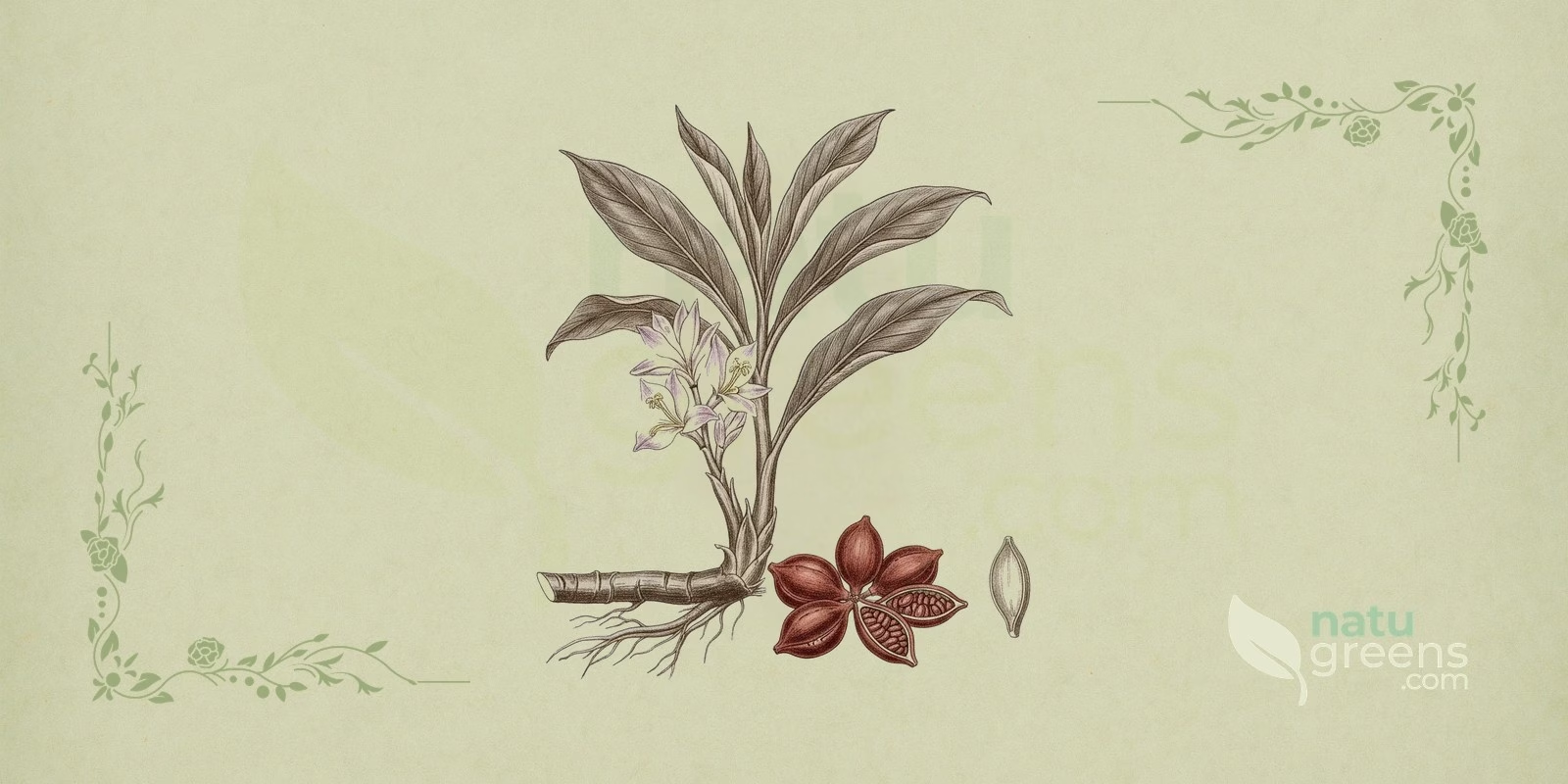
Grains of paradise (Aframomum melegueta K.Schum.), also known as melegueta pepper and, in Afro-Brazilian usage, as ataré, come from a perennial herbaceous plant of the Zingiberaceae family, the same family as ginger. Native to West Africa, where it is widely cultivated, the species is prized for its aromatic, pungent seeds, used both in cooking and in the traditional medicine of the region. Introduced to Europe during the Middle Ages, these seeds became a valuable spice and even took the place of black pepper in many preparations. In Africa they remain tied to a broad ethnobotanical repertoire that ranges from traditional uses for a variety of health complaints to cultural rituals.
Scientific research has been exploring the pharmacological properties of Aframomum melegueta and describes a phytochemical profile rich in bioactive compounds. Prominent among them are the pungent vanilloids 6-gingerol, 6-paradol and 6-shogaol, linked to most of the anti-inflammatory, antioxidant and thermogenic activities observed in the laboratory. Early clinical trials have also evaluated the seed extract in relation to anxiety, mood, sleep quality and energy expenditure, and some research focuses on gastrointestinal disorders. The results are still preliminary, however, and do not allow the plant to be regarded as an established remedy, although they explain the growing interest it attracts in herbal medicine.
Popular and International Names of Grains of Paradise
- English: alligator pepper, grains of paradise, Guinea grains, Guinea pepper, melegueta pepper.
- French: graines de paradis, maniguette, poivre de Guinée.
- German: Guineapfeffer, Meleguetapfeffer, Paradieskörner.
- Italian: grani del paradiso, maniguetta, pepe di Guinea.
- Portuguese: ataré, grãos-do-paraíso, pimenta-da-costa.
- Spanish: granos del paraíso, pimienta de cocodrilo, pimienta de Guinea, pimienta de melegueta.
In Portuguese, the word malagueta comes from the historical name of this spice, but in Brazil it refers to a different plant, the chili pepper Capsicum frutescens. For this reason, the Portuguese entry above does not include malagueta as a synonym, nor the name pimenta-da-guiné, which belongs to another African spice. The distinction between these species is explained in the contraindications section.
Botanical Synonyms of Aframomum melegueta
Although Aframomum melegueta K.Schum. is the accepted scientific name, the plant has a complex taxonomic history. That history has left several botanical synonyms in the literature, among them Aframomum melegueta var. violaceum (Ridl.) K.Schum., Aframomum meleguetella K.Schum., Amomum grana-paradisi L. and Amomum melegueta Roscoe. The variation in nomenclature reflects the different approaches taken over time to classify the species. All of these names, however, refer to the same plant, with the characteristics and uses that set it apart.
Botanical Family: Zingiberaceae
Aframomum melegueta belongs to the Zingiberaceae family, known for bringing together aromatic and medicinal plants such as cardamom (Elettaria cardamomum) and ginger (Zingiber officinale). The family is made up of perennial herbs with creeping or tuberous rhizomes, which hold a large share of the bioactive compounds of these species. Its members are valued in cooking, traditional medicine and ornamental gardening because they are rich in essential oils, phenolic compounds and other phytochemicals responsible for their distinctive flavors and aromas. Many of them also have a long history of traditional use related to health.
Parts of Grains of Paradise Used
- Fruits
- Rhizomes (to a lesser extent)
- Seeds
The seeds, taken from the ripe fruits, account for virtually all of the culinary and medicinal use of the species, while the rhizomes appear only occasionally in records of African traditional medicine.
Ethnobotanical and Traditional Uses
The uses listed below come from records of West African traditional medicine and are not equivalent to proven indications. In serious conditions such as malaria, hemorrhage or snakebite, the plant never replaces medical care.
- Anthelmintic (traditional use against intestinal worms)
- Aphrodisiac (reported traditional use)
- Blood circulation (reported traditional use)
- Body warming
- Burns (reported traditional use)
- Digestive stimulant
- Divination and rituals (among the Efik people of Nigeria)
- Fever (reported traditional use)
- Galactagogue (traditional use to stimulate milk production)
- Gastrointestinal problems
- Hemostatic agent to stop bleeding (reported traditional use)
- Hypertension (reported traditional use, not a substitute for medical follow-up)
- Malaria (reported traditional use, not a substitute for antimalarial treatment)
- Measles and leprosy (reported traditional use)
- Postpartum hemorrhage (reported traditional use, not a substitute for obstetric care)
- Purgative
- Reduction of excessive lactation (reported traditional use)
- Relief of stomachaches and diarrhea
- Snakebite (reported traditional use, not a substitute for antivenom)
- Toothache
Therapeutic Properties of Grains of Paradise
The activities described below come from laboratory studies, animal experiments and early clinical trials. They show what research is investigating and do not indicate the use of the plant as a treatment.
- Anti-inflammatory (activity observed in laboratory studies and in an animal model)
- Antimicrobial (activity against certain bacteria observed in the laboratory)
- Antinociceptive (reduced pain perception observed in animal studies)
- Antioxidant (activity observed in laboratory assays and in animals)
- Anxiolytic (a pilot clinical trial assessed anxiety, stress, mood and sleep quality, with preliminary results)
- Cardioprotective (potential investigated in experimental studies, without clinical confirmation)
- Hepatoprotective (potential investigated in experimental studies, without clinical confirmation)
- Hypoglycemic (potential investigated in experimental studies, without clinical confirmation)
- Lipid profile modulator (effect investigated in preliminary studies)
- Thermogenic (increased energy expenditure and reduced visceral fat reported in a clinical trial with an extract standardized to 6-paradol, not yet widely confirmed)
Detailed Phytochemical Profile of Grains of Paradise
- Alkaloids
- Caffeine
- Cardiac glycosides
- Catechin
- Coumarins
- Diarylheptanoids
- Essential oils
- Flavonoids
- Phenolic acids (caffeic acid, ferulic acid, gallic acid)
- Phenols
- Pungent vanilloids: 6-gingerol, 6-paradol and 6-shogaol (main active compounds)
- Quercetin
- Rutin
- Saponins
- Steroids
- Tannins
- Triterpenoids
Among these groups, the pungent vanilloids, especially 6-paradol, serve as markers for standardizing the extracts used in research and supplements. Flavonoids and phenolic acids, in turn, are usually associated with the antioxidant activity described in the laboratory.
Preparation and Administration Forms of Grains of Paradise
- Capsules and standardized supplements
- Ground seeds, as a spice
- Hydroalcoholic extracts
- Infusions (less common in traditional use, which favors the seeds as a spice)
- Whole seeds, chewed
The standardized extracts evaluated in clinical studies are not equivalent to culinary consumption of the seeds. Choosing capsules or concentrated extracts should be guided by a health professional, especially for people with gastric sensitivity.
Synergy with Other Medicinal Plants
Thermogenic Spices and Metabolism
Ginger (Zingiber officinale) and cayenne pepper (Capsicum annuum), spices with a long traditional record as warming agents, appear alongside grains of paradise in supplement formulations aimed at weight management. The hypothesis behind this pairing is that the gingerols and shogaols in the seeds act together with the capsaicinoids in cayenne and the gingerols in ginger to activate brown adipose tissue and thermogenesis. The combined effect, however, remains a formulation concept rather than a proven result. The combination is also poorly suited to people with gastritis, ulcers or reflux.
Emotional Well-Being and Adaptogenic Plants
In formulations aimed at emotional well-being, grains of paradise may be combined with plants traditionally used as adaptogens, such as ashwagandha (Withania somnifera) and rhodiola (Rhodiola rosea). Experimental studies propose that the vanilloids in the seeds interact with the endocannabinoid and serotonergic systems, which could complement the action attributed to the withanolides of ashwagandha and the rosavins of rhodiola. These combinations, however, have not been evaluated together and call for extra caution during pregnancy and for anyone taking anxiolytics, antidepressants or sedatives.
Digestive Support
Within the traditional repertoire of digestive spices, grains of paradise can be combined with peppermint (Mentha × piperita) and fennel (Foeniculum vulgare), plants traditionally used to ease colic, flatulence and dyspepsia. The idea is that the essential oils and pungent compounds in the seeds work alongside the menthol in peppermint and the anethole in fennel in favor of more comfortable digestion. This synergy, however, rests on traditional use and on studies of each plant on its own, with no evidence of a combined effect.
Recipes and Usage Protocols of Grains of Paradise
Ground Seed Infusion
Ingredients: a small portion of ground grains of paradise, close to the amount used as a seasoning, one cup of boiling water (about 200 ml) and, if desired, honey or a few drops of lemon.
Preparation: place the ground seeds in the cup, pour the boiling water over them, cover and let steep for 5 to 7 minutes, then strain and add honey or lemon if you like. The drink is traditionally taken after meals as a digestive aid and to relieve a feeling of bloating, or in the morning for the warming, energizing sensation that tradition attributes to it. Because the seeds irritate the stomach and no safe dose has been established for regular use, consult a health professional before making this infusion part of your routine.
Culinary Seasoning with Grains of Paradise
Ingredients: grains of paradise, whole or freshly ground.
Preparation: the seeds can be used whole or ground and give dishes a pungent, aromatic flavor with citrus notes and hints of cardamom, pairing well with fish, meat, roasted vegetables, soups and stews. They can also go into spice blends for marinades or be rubbed directly onto food before cooking, since their pungency recalls that of black pepper, though with a more complex flavor profile. This is the most widespread traditional use of the spice, always in culinary amounts.
Grains of Paradise Massage Oil
Ingredients: 5 to 10 drops of grains of paradise essential oil from a reliable source and 30 ml of a vegetable carrier oil (coconut, jojoba or sweet almond).
Preparation: mix the essential oil into the carrier oil in a dark glass bottle and apply to clean skin, gently massaging tense or sore areas. This preparation is traditionally used in aromatherapy to relieve muscle aches, based on the anti-inflammatory and antinociceptive activities observed in experimental studies of the plant. Do a patch test on a small area of skin first, do not apply to wounds, mucous membranes or irritated skin and, as a precaution, avoid sun exposure right after use, since the possible photosensitivity of this oil is not well documented.
The preparations above follow traditional records and do not replace professional guidance. Before any internal use, check the contraindications and interactions described in this article.
Associated Therapies
Clinical Phytotherapy
In clinical phytotherapy, standardized extracts of Aframomum melegueta are studied mainly for their thermogenic, anti-inflammatory and antioxidant activities, with a focus on standardizing active compounds such as 6-gingerol, 6-paradol and 6-shogaol. This standardization is what allows results from different studies to be compared and the safety of each preparation to be assessed. These extracts are being investigated as support for weight management, as adjuncts in inflammatory conditions and in relation to the metabolic profile. Recent research also explores effects on anxiety, mood and sleep, based on the hypothesis that the plant interacts with the endocannabinoid and serotonergic systems, still on a preliminary basis and without replacing medical follow-up.
African Traditional Medicine
In African traditional medicine, grains of paradise hold a central and varied place, with records of use for complaints ranging from stomachaches and diarrhea to more complex conditions such as hypertension, measles and leprosy. These uses do not replace the medical treatment of these diseases. The spice is valued for its warming and digestive properties and also appears in records as an aphrodisiac, galactagogue and anthelmintic. Beyond medicinal use, the seeds carry cultural and ritual significance in some communities, such as among the Efik people of Nigeria, who use them in divination ceremonies to determine guilt in offenses.
Other Therapies
To date, there is no scientific evidence or consistent ethnobotanical record linking Aframomum melegueta to therapies such as homeopathy or flower remedies. Its use is concentrated in phytotherapy and African traditional practices, in which the properties of the plant are explored in a direct, empirical way.
Contraindications and Side Effects of Grains of Paradise
General Contraindications
Grains of paradise are generally considered safe in food amounts, but extracts and concentrated preparations call for specific precautions. As a gastric irritant, grains of paradise should be avoided in gastritis, ulcers and reflux, and because a uterine stimulant effect has been observed in an animal model, the plant is contraindicated during pregnancy. During breastfeeding there are no safety data on concentrated extracts, so use in this period should be avoided as a precaution. The same applies to children, for whom there is also insufficient information on extracts and supplements of the plant.
Common Side Effects
Side effects are usually mild and mainly related to excessive consumption, with gastrointestinal discomfort, heartburn and a burning or warming sensation in the stomach caused by the pungency of the seeds. At very high doses, some animal studies have suggested potential liver toxicity, a finding that has not been consistently demonstrated in humans. Even so, it supports the recommendation not to exceed culinary amounts without guidance and to watch your individual response.
Drug Interactions
There is no well-established information on significant drug interactions of Aframomum melegueta, and the data on interaction with anticoagulants are insufficient to support any statement, whether about the existence of a risk or its absence. Because experimental studies are investigating the effects of the plant on blood glucose and metabolism, people taking hypoglycemic agents or other diabetes medications should consult a health professional before turning to supplements. The same caution applies to those taking anxiolytics, antidepressants or sedatives, since research on anxiety, mood and sleep is still preliminary.
Beware of Name Confusion
The word malagueta goes back to the historical name of this plant, tied to the old Malagueta Coast of West Africa. In Brazil, however, the term malagueta refers to the chili pepper Capsicum frutescens, a completely different plant from the Solanaceae family. Grains of paradise should also not be confused with Xylopia aethiopica (grains of Selim) or Piper guineense (Ashanti pepper), other distinct African spices with their own composition and safety profile. For this reason, it is worth checking the scientific name on the label before using any product sold under these common names.
Historical Notes and Interesting Facts
A Prized Spice in Medieval Europe
Grains of paradise played an important role in the spice trade of medieval Europe, where they served as a more affordable alternative to black pepper, which had become expensive because of the long trade routes that brought it from Asia. The seeds were so popular that the stretch of West African coastline they came from became known as the Malagueta Coast, also called the Pepper Coast or the Grain Coast. The name shows the economic and cultural importance of the spice at the time and gave rise to the Portuguese word malagueta, which in Brazil now refers to another plant.
A Complex and Versatile Flavor
Unlike black pepper, whose heat is more direct, grains of paradise have a complex, nuanced flavor profile, described as a blend of cardamom, coriander and pepper with citrus and earthy notes. This richness makes them a versatile spice, found in African and Middle Eastern cooking and also appreciated by chefs and food enthusiasts looking for a different aromatic touch for their dishes.
Use in Alcoholic Beverages
Historically, grains of paradise were used to make beer and wine in Europe, especially when other spices were scarce or too expensive. Today they still appear in some craft drinks, such as certain gins and specialty beers, where they contribute pungent, aromatic notes that add depth and complexity to the flavor.
Frequently Asked Questions about Grains of Paradise
Are Grains of Paradise and Black Pepper the Same Plant?
No. Although both are pungent and can be used in similar ways in the kitchen, grains of paradise (Aframomum melegueta) and black pepper (Piper nigrum) are different plants from distinct botanical families. Grains of paradise have a more complex flavor, with citrus and floral notes, while black pepper is more purely pungent.
Are Grains of Paradise and Malagueta the Same Thing?
No. Although the word malagueta comes from the historical name of grains of paradise, in Brazil it refers to the chili pepper Capsicum frutescens, a completely different plant. Grains of paradise should also not be confused with Xylopia aethiopica (grains of Selim) or Piper guineense (Ashanti pepper), other distinct African spices.
Which Part of Grains of Paradise Is Used?
Mainly the seeds, harvested from the ripe fruits and used whole or ground as a spice. To a lesser extent, the rhizomes also appear in records of African traditional medicine.
Do Grains of Paradise Affect Body Weight?
Clinical trials with a seed extract standardized to 6-paradol have reported increased energy expenditure and reduced visceral fat in overweight adults, with the mechanism attributed to the activation of brown adipose tissue. Even so, research is limited, and more studies are needed to confirm these results and establish effective and safe doses. For now, these data do not support using the plant as a weight-loss treatment.
Can Grains of Paradise Cause Side Effects?
In culinary amounts, grains of paradise are usually well tolerated, but excessive consumption can cause gastrointestinal irritation, such as heartburn and stomach discomfort, due to the pungency of the seeds. As a gastric irritant, they should be avoided by people with gastritis, ulcers or reflux.
Can Pregnant and Breastfeeding Women Use Grains of Paradise?
Use is not recommended, because the plant has shown a uterine stimulant effect in an animal model and is therefore contraindicated during pregnancy. During breastfeeding there are no safety data on concentrated extracts, which is why use should also be avoided in this period. If in doubt, consult a health professional before taking any supplement.
Notice: this content is for informational purposes and does not replace professional medical advice. Consult a physician or herbal practitioner before using medicinal plants, especially during pregnancy, breastfeeding, or alongside medication.
How to cite this article
NATUGREENS. Grains of Paradise (Aframomum melegueta): Properties and Benefits. Natugreens, 3 Nov. 2026. Disponível em: https://natugreens.com/aframomum-melegueta-grains-of-paradise/. Accessed: Nov. 4, 2026.
Natugreens. (2026). Grains of Paradise (Aframomum melegueta): Properties and Benefits. Natugreens. https://natugreens.com/aframomum-melegueta-grains-of-paradise/
References and Scientific Studies
- PMC2010 Ilic N, et al. Toxicological evaluation of grains of paradise (Aframomum melegueta) [Roscoe] K. Schum. Journal of Ethnopharmacology. 2010.
- PMC2014 Ilic NM, et al. Anti-inflammatory activity of grains of paradise (Aframomum melegueta Schum) extract. Journal of Agricultural and Food Chemistry. 2014.
- PMC2009 Inegbenebor U, et al. Effect of alligator pepper (Zingiberaceae aframomum melegueta) on first trimester pregnancy in Sprague Dawley rats. Nigerian Journal of Physiological Sciences. 2009.
- PMC2025 Pérez-Machín R, et al. Aframomum melegueta Seed Extract’s Effects on Anxiety, Stress, Mood, and Sleep: A Randomized, Double-Blind, Pilot Clinical Trial. Pharmaceuticals (Basel). 2025.
- PMC2022 Sudeep HV, et al. Aframomum melegueta Seed Extract with Standardized Content of 6-Paradol Reduces Visceral Fat and Enhances Energy Expenditure in Overweight Adults – A Randomized Double-Blind, Placebo-Controlled Clinical Study. Drug Design, Development and Therapy. 2022.