Combretum afrum (Eckl. & Zeyh.) Kuntze / Cape Bushwillow, formerly known as Combretum caffrum, is a small to medium-sized deciduous tree species native to South Africa. Belonging to the Combretaceae family, this plant is valued in traditional African medicine for its diverse therapeutic applications. The reclassification of Combretum caffrum to Combretum afrum took place in July 2024, with the aim of eliminating botanical terminology with racially insensitive origins. The plant is recognized for its robustness and for the presence of phytochemical compounds with remarkable biological properties.
Popularly known as Eastern Cape bushwillow in South Africa, it is a notable species of the Combretaceae family, endemic to the Eastern Cape Province. This plant, which grows as a deciduous shrub or a small to medium-sized tree, typically reaching between 5 and 10 meters in height, has significant ethnobotanical importance in South African communities. Historically, the genus Combretum has been widely used in traditional African medicine for the treatment of a wide range of diseases, including infections, inflammation, and gastrointestinal disorders.
Popular and International Names of Cape Bushwillow
- English: Eastern Cape bushwillow, Cape bushwillow.
- Portuguese: combreto-do-cabo.
- Spanish, French, Italian, and German: no established common name. What circulates in these languages are descriptive forms built on the genus, such as combreto del Cabo, combret du Cap, and combreto del Capo; the literal renderings of bushwillow, which evoke the willows (Salix), have no botanical basis. The literature falls back on the English name Eastern Cape bushwillow.
- Afrikaans: Kaapse vaderlandswilg.
- IsiXhosa: umdubu.
- IsiZulu: umdubu.
Botanical Synonyms of Cape Bushwillow
The accepted scientific name for this species is Combretum afrum (Eckl. & Zeyh.) Kuntze. Its botanical nomenclature reflects its taxonomic history, having been originally described by Christian Friedrich Ecklon and Karl Zeyher, and later reclassified by Otto Kuntze. The stability of its name facilitates research and scientific communication, although the genus Combretum is vast and at times complex in terms of synonymy.
Combretum caffrum (Eckl. & Zeyh.) Kuntze is the best-known botanical synonym, although its use has been discontinued. Other synonyms include Dodonaea afra Eckl. & Zeyh., Combretum salicifolium E.Mey. ex Hook., Dodonaea conglomerata Eckl. & Zeyh., and Dodonaea dubia Eckl. & Zeyh. The reclassification to Combretum afrum was formalized in July 2024 by the International Botanical Congress, with the term afrum meaning “of Africa”, reflecting its geographical origin.
It is essential that scientific literature and taxonomic databases maintain precision in the use of the name Combretum afrum to avoid confusion with other Combretum species that, although related, have distinct phytochemical profiles and uses. Correct botanical identification is the first step toward pharmacological validation and safety in the use of any medicinal plant.
Botanical Family: Combretaceae

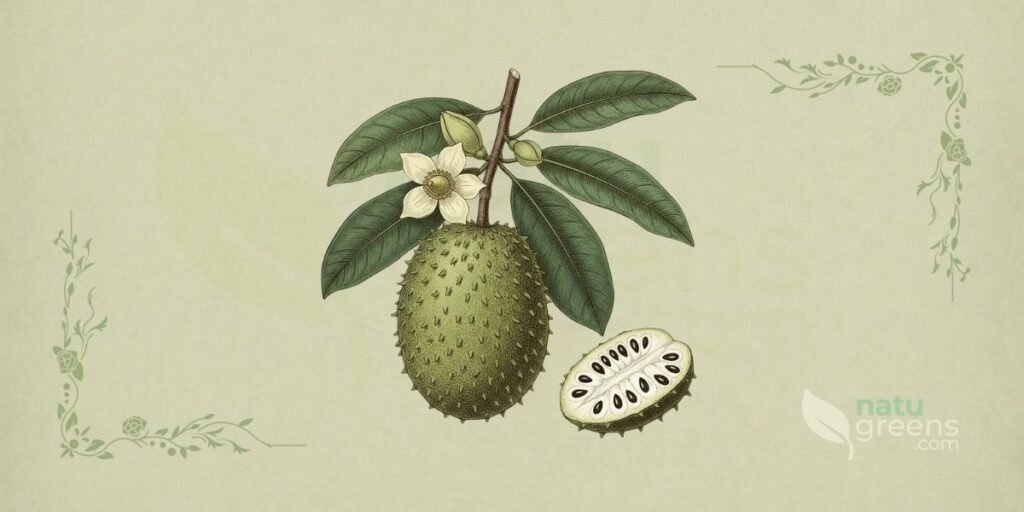
Botanical illustration of Combretum afrum (formerly Combretum caffrum), a deciduous tree native to South Africa, showing the complete plant with elliptical leaves, flowers in spikes, and winged fruits, in 19th-century botanical encyclopedia style on a herbarium paper background.
Combretum afrum belongs to the Combretaceae family, a family of flowering plants comprising about 500 species distributed across some 10 to 20 genera, depending on the taxonomic classification. This family is predominantly tropical and subtropical, with notable members such as Terminalia and Quisqualis. Combretaceae species are frequently trees, shrubs, or lianas, and many of them are recognized for their ecological, timber, and medicinal importance. A distinctive characteristic of the family is the presence of glandular trichomes or scales that secrete compounds, which is closely linked to its rich phytochemistry.
The family is known above all for its hydrolysable tannins and triterpenes, and a handful of Combretum species add the combretastatin-type stilbenoids to that repertoire, described to this day only in that genus. The chemical diversity within the Combretaceae is a reflection of its adaptation to diverse environments and its coevolution with herbivores and pathogens. In-depth study of this family continues to reveal new bioactive compounds with therapeutic potential, consolidating its importance in the bioprospecting of new medicines. The presence of C. afrum in this family underscores its relevance as a source of pharmacologically active compounds.
The tree is characterized by its rounded crown and its distinctive four-winged fruits, which change from lime green to a vibrant reddish-brown in late summer, giving it an ornamental appearance. Its adaptability to diverse habitats, from riverbanks with alluvial soils to mountain slopes, demonstrates its ecological robustness.
Parts of Cape Bushwillow Used
- Bark
- Fruits
- Leaves
- Roots
Ethnobotanical and Traditional Uses of Cape Bushwillow
- Amulet or talisman (root bark, in Zulu culture)
- Construction (wood for poles and farm work)
- Firewood
- General tonic to promote healing and well-being
- Relief of body aches (added to bathwater)
Therapeutic Properties of Cape Bushwillow
The therapeutic properties of Combretum afrum are largely inferred from its phytochemical composition and the traditional uses of the genus Combretum. Although research focuses predominantly on its anticancer potential, other biological activities are relevant. The presence of flavonoids and other phenolic compounds suggests an ability to neutralize free radicals, protecting cells against oxidative stress.
In addition, its traditional use in baths for body aches points to anti-inflammatory and analgesic properties. It is crucial to note that most of these properties have not been validated in specific clinical trials in humans, but they are consistent with the pharmacology of related species. The most studied and clinically relevant property is its cytotoxic and vascular activity, mediated by combretastatin A-4. This substance acts as an antimitotic agent, interfering with the cell division of cancer cells. The following list reflects the most likely and/or studied properties, based on the scientific and ethnobotanical literature.
- Analgesic (relieves pain, traditional external use)
- Anti-inflammatory (reduces inflammation, inferred from traditional use and phytochemistry)
- Antioxidant (fights free radicals, inferred from the presence of flavonoids)
- Antitumor (inhibition of tumor growth, mediated by combretastatin A-4); traditional use, without established clinical efficacy
- Cytotoxic (inhibits the division of any multiplying cell, tumor or healthy, mediated by combretastatin A-4)
- Vasoactive (affects the tumor vasculature, mediated by combretastatin A-4)
Detailed Phytochemical Profile of Cape Bushwillow
The phytochemical profile of Combretum afrum is notable for the presence of a specific class of compounds, the stilbenoids, which are responsible for its most significant pharmacological activity. Phytochemical investigation of the genus Combretum has revealed a wealth of flavonoids, triterpenes, tannins, and phenolic acids, which contribute to its traditional medicinal properties.
- Combretastatin A-4 (CA-4)
- Combretastatins (other analogues)
- Coumarins: aromatic compounds linked to anti-inflammatory and antimicrobial activity in laboratory studies; they lack the anticoagulant effect of the 4-hydroxycoumarin derivatives used as medicines.
- Fatty acids: essential components of cell structure.
- Flavonoids: known for their antioxidant and anti-inflammatory properties.
- Glycosides: compounds that release sugars and other active substances upon hydrolysis.
- Ketones: organic molecules present in essential oils.
- Lignans: compounds with antioxidant and anticancer potential.
- Phenolic acids
- Phytosterols: plant compounds that can help lower cholesterol.
- Polyphenolics: a diverse group of compounds with strong antioxidant properties.
- Stilbenoids: include the combretastatins (A-1, A-4, B-1), which are of particular interest due to their potent anticancer activity.
- Tannins: astringent compounds with antioxidant and antimicrobial properties.
- Triterpenoids: a vast class of compounds with diverse biological activities, including anti-inflammatory and anticancer ones.
- Xanthones: compounds with antioxidant, anti-inflammatory, and anticancer activities.
Combretastatins
The main focus for Combretum afrum is the combretastatin family, initially isolated from the bark and stem wood. These compounds are cis-stilbenes of relatively simple chemical structure, and it is the cis geometry of the double bond that accounts for their extraordinary biological potency; the series B analogues, by contrast, are the dihydrostilbenes.
The presence of these secondary metabolites underscores the importance of the plant as a natural source of lead molecules for the development of new drugs. The variation in the concentration of these compounds can depend on factors such as harvest time, the part of the plant used, and environmental conditions, which requires rigorous quality control for any therapeutic application. The list above brings together the main compounds identified or inferred for the Cape bushwillow and the genus Combretum.
Preparation and Administration Forms of Cape Bushwillow
The forms of preparation and administration of the Cape bushwillow in traditional South African medicine are limited and focused on external uses or general tonics. There are no widely documented infusion or decoction protocols for safe internal consumption, given the toxicity and potency of its active compounds, such as combretastatin A-4. The most common use is external application, taking advantage of its inferred anti-inflammatory and analgesic properties.
Any form of internal administration should be considered experimental and high-risk, due to the cytotoxic nature of CA-4. Modern research focuses on the extraction and purification of the active compounds for the development of controlled pharmaceutical formulations, such as intravenous injections of the prodrug CA4P, and not on homemade preparations. The following list reflects the ethnobotanical forms of preparation and the pharmaceutical forms in development.
- Baths: ethnobotanical use.
- Extracts: used for medicinal purposes, concentrating the plant’s bioactive compounds. They can be aqueous, alcoholic, or of other natures, depending on the target phytochemical.
- Infusions/Decoctions: recorded in the ethnobotanical literature of the genus, but with no safe protocol described for the Cape bushwillow; internal consumption and any application to the eyes are ruled out in this article because of the cytotoxicity of combretastatin A-4.
- Prodrug: pharmaceutical use, e.g., CA4P.
- Purified extract: pharmaceutical use.
- Topical application: extracts or preparations of the plant can be applied directly to the skin to treat wounds and localized pain.
Synergy with Other Medicinal Plants
Potential Synergy in Topical Anti-inflammatory Formulations
Although internal use of Combretum afrum is discouraged due to its potency, its traditional use in baths for body aches suggests potential for synergy in topical formulations. Combining Cape bushwillow extracts with plants known for their anti-inflammatory and analgesic properties, such as devil’s claw (Harpagophytum procumbens) or calendula (Calendula officinalis), could create a more effective topical balm or cream.
The Harpagophytum would contribute its vasoactive and anti-inflammatory compounds, while the other plants would add analgesic and healing effects. This synergy would aim to relieve muscle and joint pain, taking advantage of the safety of external use. Research in this area could validate and modernize the plant’s ethnobotanical use.
Synergy in Oncological Therapy (Combretastatin A-4)
The most relevant synergy for Combretum afrum is not with other plants, but with conventional therapies in the oncological context. The prodrug CA4P (combretastatin A-4 phosphate) is frequently studied in combination with chemotherapy (such as paclitaxel and carboplatin) and radiotherapy. The synergistic mechanism lies in the fact that CA4P acts as a vascular targeting agent, causing the rapid collapse of the blood vessels that feed the tumor.
This vascular collapse increases the effectiveness of chemotherapy and radiotherapy, which are more active in well-oxygenated cells. CA4P preferentially destroys the poorly perfused core of the tumor, leaving the viable, well-oxygenated rim to chemotherapy and radiotherapy, the region where those treatments work best; the complementary effect comes from this division of targets. This combined approach represents a cutting-edge strategy in oncology, maximizing tumor destruction with controlled systemic toxicity.
Recipes and Usage Protocols of Cape Bushwillow
Due to the potency and toxicity of combretastatin A-4, there are no safe homemade recipes or usage protocols for the internal consumption of Combretum afrum. Traditional use is limited to external applications and general tonics, which should be approached with extreme caution. The most relevant usage protocol is the pharmaceutical one, which involves the controlled administration of its synthetic derivative, combretastatin A-4 phosphate (CA4P), in a clinical setting.
Ethnobotanical Recipe: Tonic Bath for Body Aches
Ingredients: Dried bark or leaves of Combretum afrum, water.
Preparation: Make a concentrated decoction of the bark or leaves by boiling the plant material in water for 20 to 30 minutes. Strain and add the decoction to the bathwater. The bath should be warm, and immersion should last about 15 to 20 minutes. This traditional use aims to relieve muscle and joint pain, taking advantage of the anti-inflammatory and analgesic compounds present in the plant. It is essential to ensure that there are no open wounds on the skin that could facilitate the systemic absorption of potentially toxic compounds.
Pharmaceutical Protocol: Administration of Combretastatin A-4 Phosphate (CA4P)
This protocol is strictly clinical and should not be replicated at home. CA4P is administered intravenously, usually in combination with other chemotherapeutic agents. The dosage and regimen are determined by clinical trials and depend on the type of cancer, the patient’s condition, and the therapeutic combination used.
The goal is to reach a plasma concentration that allows the rapid conversion of the prodrug into active CA-4 in the tumor, leading to selective vascular collapse. This protocol is an example of how a potent natural product is transformed into a high-precision medicine, underscoring the difference between traditional use and modern pharmacology.
Associated Therapies
Clinical Phytotherapy (Oncology)
The most prominent use of the Cape bushwillow in modern clinical phytotherapy is through its derivative, CA4P. This is an example of how phytotherapy has evolved into pharmacology based on natural products. CA4P is used as a tumor antivascular agent, a strategy that complements chemotherapy and radiotherapy. Phytotherapy, in this context, is not limited to the use of the whole plant, but rather to the use of isolated and modified molecules to maximize effectiveness and safety in cancer treatment. The focus is on solid tumors and anaplastic thyroid carcinomas, where CA4P has shown promising results in phase II clinical trials.
Traditional African Medicine
In traditional African medicine, the Cape bushwillow is integrated into a holistic healing system. It is used as a general tonic, often in combination with other herbs, to promote well-being and recovery. Its use in baths for body aches falls within the tradition of external therapies for the relief of musculoskeletal symptoms. This approach values the whole plant and its synergy of compounds, contrasting with Western medicine’s focus on the isolated molecule. Its use as an amulet in Zulu culture also reflects its spiritual and cultural importance, beyond its purely medicinal value.
Contraindications and Side Effects of Cape Bushwillow
The assessment of the contraindications and side effects of Combretum afrum is complex, since most toxicity data come from studies with the isolated compound (combretastatin A-4) in cancer clinical trials, or from toxicity studies of the genus Combretum in animal models. It is essential to underscore that, due to the cytotoxic potency of CA-4, internal consumption of the whole plant or of unpurified extracts is strictly discouraged and potentially dangerous. The plant should be handled with caution, and its medicinal use should be limited to traditional external preparations, or to its pharmaceutical derivative under strict medical supervision.
Absolute Contraindications
The main contraindication is internal consumption of the whole plant or of non-standardized extracts. Due to its antimitotic and vasoactive mechanism of action, CA-4 can be highly toxic to healthy cells in uncontrolled doses. Other contraindications include pregnancy and breastfeeding, due to the risk of fetal toxicity or the passage of active compounds into breast milk. Individuals with severe cardiovascular disease should avoid use, as CA4P, the prodrug, can cause changes in blood pressure and heart rhythm due to its vascular action. People with a known allergy to any component of the Combretaceae family should also avoid contact.
General Toxicity of the Combretum Genus
Toxicity studies in animal models with other Combretum species (such as C. micranthum) generally indicate low acute and subchronic toxicity at high doses (up to 1000 mg/kg), suggesting that the genus may be relatively safe for the consumption of aqueous extracts. However, this information does not apply directly to Combretum afrum, which contains the potent CA-4. Toxicity must be presumed to be high for uncontrolled internal consumption, due to the presence of this stilbene. Traditional use in baths, on the other hand, is considered low-risk, since skin absorption is limited.
Side Effects of the Prodrug (CA4P) in Clinical Trials
The side effects observed in clinical trials with combretastatin A-4 phosphate (CA4P) are typically acute and related to its vascular action. These include pain at the injection site, transient hypertension, headache, nausea, and vomiting. In rarer cases, more serious cardiovascular events may occur, such as myocardial ischemia, due to the induced vascular collapse. These effects are managed in a hospital setting and are considered acceptable in the context of treating aggressive cancers. It is important to note that these effects are from the synthetic drug and not from the plant, but they reflect the potency of the original molecule.
Recommended Dosages of Cape Bushwillow
Due to the presence of combretastatin A-4, a compound with potent cytotoxic and vasoactive activity, there are no safe, recommended dosages for internal consumption of Combretum afrum as a traditional phytotherapeutic (tea, tincture, extract). The plant should not be used for internal self-treatment. The only established dosage is that of its pharmaceutical derivative, combretastatin A-4 phosphate (CA4P), which is administered intravenously in a clinical, oncological setting.
Ethnobotanical Dosage (External Use)
For ethnobotanical use in tonic baths for body aches, the dosage is empirical and based on tradition. Generally, a concentrated decoction of an unspecified quantity of bark or leaves is used, added to the bathwater. There is no scientific standardization for this dosage, and its effect is mainly topical and aromatic. Caution is recommended, along with the observation of any adverse skin reaction.
Pharmaceutical Dosage (CA4P)
The dosage of CA4P is highly variable and depends on the clinical trial protocol and the patient’s condition. Typically, the dosage ranges from 60 mg/m² to 68 mg/m² of body surface area, administered by intravenous infusion. This regimen is strictly controlled by oncologists and does not apply to the use of the whole plant. The dosage is calculated to reach the plasma concentration needed to induce selective vascular collapse in the tumor, minimizing systemic toxicity.
Cultivation and Harvesting of Cape Bushwillow
Combretum afrum is a species native to South Africa, which means that its cultivation requires climate and soil conditions that mimic its natural habitat. The plant is relatively hardy and adaptable, but it thrives in specific environments. Its importance as a source of combretastatin A-4 has led to growing interest in its sustainable cultivation and in the optimization of the production of the active compound.
Cultivation Conditions
The Cape bushwillow prefers well-drained soils, including sandy or alluvial substrates, such as those found on the riverbanks of the Eastern Cape. The plant is deciduous, losing its leaves in winter, and requires full sun exposure for optimal growth. It is tolerant of a range of pH conditions, but its natural habitat suggests a preference for neutral to slightly acidic soils.
Propagation is done mainly by seeds, which should be collected from ripe fruits and sown in a moist substrate. Germination can be slow and irregular, which is common in woody species. The plant is drought-resistant, but benefits from regular watering during periods of active growth.
Harvesting and Processing
Harvesting for research purposes focuses on the bark and the stem wood, from which the combretastatins were originally isolated; no published data establishes the root as the part richest in the compound. Bark extraction must be done sustainably, avoiding girdling the tree, which can lead to its death. Root harvesting, in turn, is destructive and should be reserved for commercial cultivation.
The ideal harvest time can influence the concentration of CA-4, with phytochemical studies suggesting that the concentration can vary seasonally. After harvesting, the plant material should be dried in the shade and stored under controlled conditions to preserve the integrity of the stilbenoids, which are sensitive to light and heat. Subsequent processing involves the extraction and purification of CA-4 for pharmaceutical use.
Scientific Research and Clinical Studies
Scientific research on Combretum afrum is dominated by the discovery and development of combretastatin A-4 (CA-4). Although the molecule was initially isolated from Combretum caffrum, the species is recognized as a source of this potent compound. CA-4 is a cis-stilbene that binds to tubulin at the colchicine site, inhibiting its polymerization and, consequently, the formation of the mitotic spindle. This antimitotic mechanism of action leads to cell death by apoptosis in cancer cells. However, its low water solubility and rapid metabolization limited its direct clinical use.
Clinical Trials and Applications
CA4P has been the subject of several phase I and II clinical trials, mainly for the treatment of solid tumors and anaplastic thyroid carcinoma (ATC). In phase II studies for ATC, CA4P showed promising results in combination with chemotherapy (paclitaxel and carboplatin), leading to its designation as an orphan drug by the FDA and the EMA. Its effectiveness lies in its ability to induce central tumor necrosis, making it an excellent agent for combination therapies.
Research continues to explore its potential in other areas, such as ophthalmology (for the treatment of retinal neovascularization) and other forms of cancer, consolidating Combretum afrum as one of the most important natural sources of anticancer molecules.
Combretastatin A-4 (CA-4)
Combretum afrum gained global prominence not for its most common traditional uses, but for the discovery of one of the most potent anticancer agents derived from natural products: combretastatin A-4 (CA-4). This revolutionary discovery transformed the perception of this tree, elevating it from a plant of local use to a focus of intense international pharmaceutical research.
Its bark and roots contain this compound, a cis-stilbene that has proven to be a powerful inhibitor of tubulin polymerization, which is fundamental to cell division. Subsequent research led to the development of synthetic analogues, such as combretastatin A-4 phosphate (CA4P), which have become promising vascular targeting agents (VTAs) in the treatment of solid tumors and anaplastic thyroid carcinomas.
Development of the Prodrug CA4P
To overcome the pharmacokinetic limitations of CA-4, its water-soluble prodrug, combretastatin A-4 phosphate (CA4P), also known as fosbretabulin, was developed. CA4P is inactive, but it is rapidly converted into active CA-4 by phosphatases present in plasma and, in higher concentrations, in the tumor environment.
CA4P is not only an antimitotic agent but also a potent vascular targeting agent (VTA). Its main mechanism of action is to cause the selective disruption of the tumor vasculature, leading to the collapse of the blood vessels that feed the tumor. This effect results in rapid, selective tumor necrosis, sparing normal blood vessels.
Other Biological Activities
Although the focus is on CA-4, the genus Combretum is rich in flavonoids, which have demonstrated antioxidant, anti-inflammatory, and antimicrobial activity in in vitro and in vivo studies with other species. It is reasonable to infer that the Cape bushwillow shares these properties, which would justify its traditional use as a tonic and in baths for pain. However, the potency of CA-4 overshadows these activities, and the use of the plant for these purposes is discouraged in favor of safer, better-studied species.
Historical Notes and Interesting Facts about Cape Bushwillow
The Botanical Confusion and the Discovery
The history of combretastatin A-4 is wrapped in a slight botanical confusion. Although the molecule was first isolated by George R. Pettit and his team in the 1980s, from samples collected from what was thought to be Combretum caffrum, subsequent literature and South African botanical databases (such as SANBI) recognize Combretum afrum as the species native to the Eastern Cape that contains the compound.
This overlap of names, now resolved by the unification of the two species under Combretum afrum, underscores the importance of rigorous taxonomy in bioprospecting. The discovery of CA-4 was a milestone, as it represented a new class of antimitotic agents, different from the vinca alkaloids and taxanes, which also bind to tubulin.
The Distinctive Fruit
The fruit of Combretum afrum is one of its most distinctive and visually attractive characteristics. Its four membranous wings are an adaptation for wind dispersal (anemochory), allowing the seeds to be carried far from the mother plant. The color change from lime green to reddish-brown in late summer makes the tree an ornamental spectacle, valued in gardens and landscaping in South Africa. This botanical characteristic contrasts with its chemical potency, showing the duality of the plant as natural beauty and the source of a powerful medicine.
The Name and Zulu Culture
The popular isiZulu name for the plant, umdubu, is shared with other tree species, which is common in African ethnobotany. The use of the root bark as an amulet or talisman in Zulu culture reflects a belief in its protective power or, conversely, in its ability to cause harm to an enemy. This non-medicinal but cultural and spiritual use demonstrates the plant’s deep integration into the life and beliefs of local communities, beyond its pharmacological properties.
Unique Chemistry
Although its traditional use focuses on tonics for general well-being and baths for body aches, the true value of C. afrum lies in its unique chemistry. Detailed exploration of its phytochemical composition reveals the presence of flavonoids and other phenolic compounds, which justify the antioxidant and anti-inflammatory properties inferred for the genus. However, it is combretastatin that dominates the pharmacological landscape, a testament to the untapped potential of African flora.
Understanding its biology and chemistry is crucial for the development of new phytopharmaceuticals and for the validation of its ethnobotanical uses, always with due caution and scientific rigor. Research continues to unveil the therapeutic potential of this species, promising a future in which natural products play an increasingly central role in the fight against complex diseases.
Frequently Asked Questions about Cape Bushwillow
Where Can Combretum Afrum Be Found?
Combretum afrum is a species endemic to the Eastern Cape Province of South Africa. It is commonly found along rivers and in savanna environments, preferring well-drained soils.
What Are the Main Traditional Uses of Combretum Afrum?
Traditionally, the Cape bushwillow is used as a general tonic, in baths for body aches and, in Zulu culture, as an amulet made from the root bark. The other uses the literature describes for the genus Combretum belong to other species and are not recorded for this one. These records are ethnographic and do not constitute proof of efficacy.
Can Combretum Afrum Be Consumed as a Tea?
No. Due to the presence of combretastatin A-4, a compound with potent cytotoxic and vasoactive activity, internal consumption of Combretum afrum as a tea or infusion is strictly discouraged. The plant is the source of a lead molecule for cancer treatment, and its uncontrolled use can be dangerous. Its traditional use is limited to external tonic baths.
Can Combretum Afrum Be Used to Treat Cancer?
Scientific studies have identified that Combretum afrum contains combretastatins, compounds with potent anticancer activity. However, what is in clinical trials is the isolated and modified molecule CA4P, not the plant. Because of its cytotoxicity and the need for exact dosing, the plant does not replace any oncological treatment, and all cancer therapy belongs in the hands of a doctor.
What Is Combretastatin A-4?
Combretastatin A-4 (CA-4) is a cis-stilbene isolated from Combretum afrum (and C. caffrum). It is a potent antimitotic agent that inhibits tubulin polymerization, preventing cell division. Its derivative, combretastatin A-4 phosphate (CA4P), was evaluated as a vascular targeting agent (VTA) in clinical trials for solid tumors, acting by collapsing the blood vessels that feed the tumor.
Is Combretum Afrum Used in Traditional Medicine?
Yes, Combretum afrum is used in traditional South African medicine as a general tonic to promote well-being and in baths to relieve body aches. The root bark also has cultural uses as an amulet. However, these uses are local and should not be confused with the safe internal use of other medicinal plants.
Is CA4P Already an Approved Medicine?
Combretastatin A-4 phosphate (CA4P) did receive orphan drug designation for anaplastic thyroid carcinoma, but the clinical program never completed phase III and the molecule was never approved. Today the compound remains a research subject, not an available treatment.
Is It Safe to Use Combretum Afrum During Pregnancy?
There is no specific information on the safety of Combretum afrum during pregnancy. Given the presence of potent bioactive compounds, it is strongly recommended that pregnant or breastfeeding women avoid using the plant or consult a healthcare professional before any use.
Does Combretum Afrum Have Known Side Effects?
There are no whole-plant safety studies in humans, which is not the same as an absence of risk: internal consumption is discouraged because of the cytotoxicity of combretastatin A-4, and the pharmaceutical derivative causes blood pressure changes and cardiovascular events in a hospital setting. With compounds as potent as the combretastatins, the plant calls for caution and any use belongs under medical supervision, to avoid adverse reactions or drug interactions.
What Are the Risks of Using Combretum Afrum?
The main risk is systemic toxicity if the plant is consumed internally, due to the potency of combretastatin A-4. External use in baths is considered low-risk, but should be avoided in case of open wounds on the skin. The plant should be handled with caution, and its medicinal use should be limited to its pharmaceutical derivative in a clinical setting.
Notice: this content is for informational purposes and does not replace professional medical advice. Consult a physician or herbal practitioner before using medicinal plants, especially during pregnancy, breastfeeding, or alongside medication.
References and Scientific Studies
View All 10 Cited References
Peer-Reviewed Scientific Studies (6)
- PMC2003 Cirla, A., & Mann, J. Combretastatins: from natural products to drug discovery. Current Medicinal Chemistry. 2003.
- PEER1990 Umoh, S. D., Bojase, G., Masesane, I. B., Loeto, D., & Masesane, I. B. A comprehensive review of Combretum flavonoids and their biological activities: An update between 1990 and 2022. Biochemical Systematics and Ecology. 2023.
- PEER2024 Tine, Y., Sene, M., Gaye, C., Diallo, A., & Ndiaye, B. Combretum micranthum G. Don (Combretaceae): A Review on Traditional Uses, Phytochemistry, Pharmacology and Toxicology. Chemistry & Biodiversity. 2024.
- PMC2023 Silén, H., & Rantala, M. J. A Review of the Antibacterial and Antifungal Efficacy of Combretum and Pteleopsis Species. Antibiotics. 2023.
- PMC2020 Kpemissi, M., Eklu-Gadegbeku, K., Agbonon, A., & Aklikokou, K. Acute and subchronic oral toxicity assessments of Combretum micranthum (Combretaceae) in Wistar rats. Toxicology Reports. 2020.
- PMC2012 Patterson, D. M., & Twelves, C. J. Combretastatin A4 phosphate (CA4P) in the treatment of cancer: a review of current clinical experience. Expert Opinion on Investigational Drugs. 2012.
Supplementary Readings (4)
- 1987 Pettit, G. R., Singh, S. B., Niven, M. L., Hamel, E., & Schmidt, J. M. Isolation, structure, and synthesis of combretastatins A-1 and B-1, potent new inhibitors of microtubule assembly, derived from Combretum caffrum. Journal of Natural Products. 1987.
- 1988 Pettit, G. R., Singh, S. B., Schmidt, J. M., Nixen, M. L., & Hamel, E. Isolation, structure, synthesis, and antimitotic properties of combretastatins B-3 and B-4 from Combretum caffrum. Journal of Natural Products. 1988.
- 2025 South African National Biodiversity Institute (SANBI). Combretum afrum. PlantZAfrica. 2025.
- 2012 De Morais Lima, G. R., de Morais Lima, A. A., de Oliveira, W. A., de Almeida, M. C., & de Oliveira, C. M. Bioactivities of the Genus Combretum (Combretaceae). Molecules. 2012.