Capsicum annuum L. / Bell Pepper, a botanical species of the Solanaceae family, is widely known and cultivated across the globe for its many varieties of peppers and chilies. Native to regions of northern South America and southwestern North America, this herbaceous perennial, often grown as an annual, has a history of domestication stretching back roughly 6,000 years in Mexico. Its importance spans from cuisine, where it is a staple ingredient in countless culinary traditions, to traditional and modern medicine, thanks to its bioactive compounds.
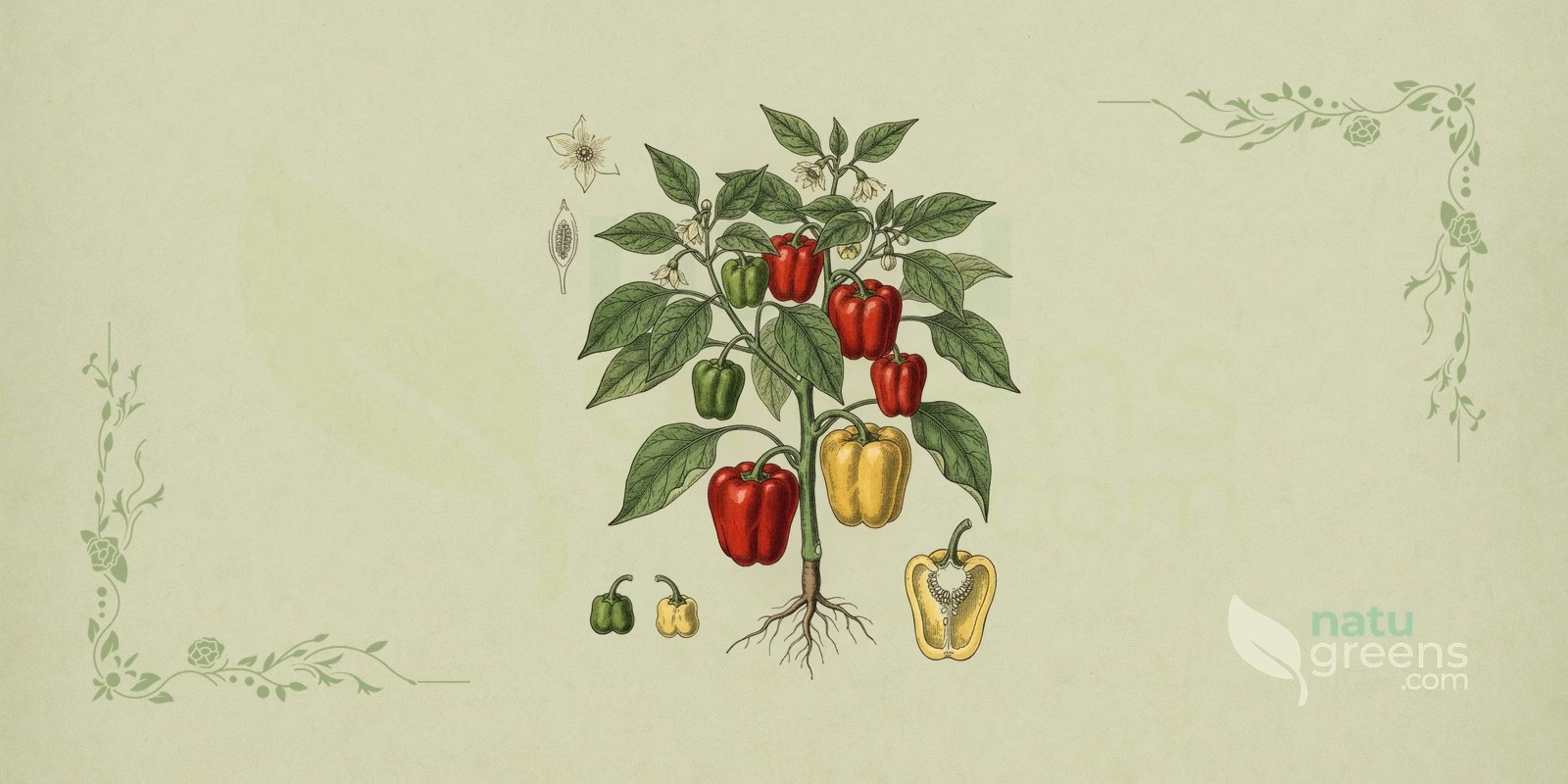
Capsicum annuum is valued for its therapeutic properties, particularly the presence of capsaicinoids, which give it its pungent flavor and many of its pharmacological effects. Historically, it has been used across cultures to ease pain, aid digestion, and act as a stimulant. Contemporary scientific research continues to explore its potential in areas such as metabolic modulation, antioxidant activity, and anti-inflammatory action, cementing its role as a plant of considerable interest for both health and nutrition.
Popular and International Names of Bell Pepper
- English: bell pepper, cayenne pepper, chili pepper, jalapeño, sweet pepper.
- Spanish: ají, chile, pimiento, pimiento morrón.
- Portuguese: pimenta-caiena, pimenta-dedo-de-moça (BR), pimenta-jalapeño, pimentão, pimento (PT); pimenta-doce.
- French: piment, piment de Cayenne, poivron.
- Italian: peperoncino, peperone, peperone dolce.
- German: Cayenne-Pfeffer, Chili, Gemüsepaprika, Paprika.
Botanical Synonyms of Capsicum annuum
Capsicum annuum L. has a wide range of botanical synonyms owing to its considerable variability and extensive cultivation. Among the most common are Capsicum abyssinicum A.Rich., Capsicum angulosum Mill., Capsicum axi Vell., Capsicum baccatum Buch.-Ham. ex Wall., Capsicum baccatum Rodschied, Capsicum conoide Mill., Capsicum conicum Lam., Capsicum frutescens auct. non L., Capsicum indicum Dierb., Capsicum indicum Lobel., Capsicum purpureum Roxb., Capsicum annuum var. acuminata Fingerh., Capsicum annuum var. angulosum, Capsicum annuum var. longum (DC.) Sendtn., Capsicum annuum var. minimum, Capsicum annuum var. minus, Capsicum annuum var. vulgatum Dierb., and Capsicum annuum var. glabriusculum (Dunal) Heiser & Pickersgill.
Botanical Family: Solanaceae
Capsicum annuum belongs to the Solanaceae family, known as the nightshade family. This family is one of the largest and most diverse among the angiosperms, comprising roughly 2,700 species distributed across about 98 genera. It includes plants of great economic importance, such as the potato (Solanum tuberosum), the tomato (Solanum lycopersicum), the eggplant (Solanum melongena), and tobacco (Nicotiana tabacum).
Solanaceae are characterized by generally bisexual flowers with five fused sepals and five fused petals, and fruits that take the form of a berry or capsule. Many species in this family are rich in alkaloids, which give them medicinal, toxic, or psychoactive properties. The chemical and morphological diversity of the Solanaceae has been the subject of extensive study, underscoring its relevance to both nutrition and pharmacology.
Parts of Bell Pepper Used
- Fruits (peppers and chilies)
- Leaves
- Seeds
Ethnobotanical and Traditional Uses
- Appetite stimulation
- Digestive and circulatory stimulant
- Improved blood circulation
- Relief of pain (muscular, joint, neuropathic)
- Toothache remedy
- Topical antiseptic
- Treatment of fevers and colds
- Treatment of gastrointestinal disorders (dyspepsia, flatulence)
Therapeutic Properties of Bell Pepper
- Analgesic (traditionally used to relieve pain)
- Antibacterial (studied activity against bacteria)
- Antidiabetic (studied effect on blood sugar)
- Anti-inflammatory (studied effect in reducing inflammation)
- Anti-obesity (helps support weight loss)
- Antioxidant (studied activity against free radicals)
- Cardioprotective (studied protective effect on the heart)
- Hypocholesterolemic (studied effect in lowering cholesterol)
- Hypoglycemic (studied effect in lowering blood sugar)
- Immunomodulatory (studied effect on the immune system)
- Neuroprotective (studied protective effect on the nervous system)
- Rubefacient (causes reddening and warming of the skin)
- Thermogenic (studied effect on energy expenditure)
Detailed Phytochemical Profile of Bell Pepper
- Capsaicinoids (capsaicin, dihydrocapsaicin, nordihydrocapsaicin)
- Carotenoids (capsanthin, capsorubin, lutein, zeaxanthin, β-carotene)
- Fixed oils
- Flavonoids (quercetin, luteolin, kaempferol)
- Minerals (potassium, magnesium, iron)
- Phenolic acids (ferulic acid, p-coumaric acid)
- Proteins
- Thiamine
- Tocopherols
- Vitamins (vitamin C, vitamin A, vitamin E)
Preparation and Administration Forms of Bell Pepper
- Capsules
- Extracts (fluid, dry, oleoresin)
- Infusions (with dried leaves or fruit)
- Powder (for culinary and medicinal use)
- Tinctures
- Topical creams and ointments
Synergy with Other Medicinal Plants
Support for Antibacterial Activity
Combining Capsicum annuum extracts with chitosan has shown a synergistic effect in inhibiting pathogenic bacteria. This innovative approach may enhance the antibacterial activity of both components, opening new avenues for the development of natural antimicrobial agents. Capsaicin and other bioactive compounds in bell pepper may work alongside chitosan to destabilize bacterial membranes and inhibit microbial growth.
Additive Effects on Gastric Inhibition
Studies suggest that combining capsaicin (from Capsicum annuum) with 6-gingerol (from ginger, Zingiber officinale) may have an additive effect on inhibiting gastric acid secretion. This synergy may be useful for conditions related to gastric hyperacidity, although further research is needed to confirm its clinical application and safe dosing.
Increased Bioavailability
Bell pepper, particularly cayenne pepper, is known for enhancing the bioavailability of other medicinal herbs. By stimulating circulation and absorption, it may amplify the traditional effects of other plants when used in combined formulations. This property makes Capsicum annuum a valuable adjuvant in herbal blends aimed at maximizing the efficacy of their components.
Recipes and Usage Protocols of Bell Pepper
Topical Cream for Pain Relief
Ingredients: 1 teaspoon of cayenne pepper powder (Capsicum annuum), 1/2 cup of coconut oil or olive oil, 1/4 cup of grated beeswax.
Preparation: Heat the coconut oil or olive oil in a double boiler. Add the cayenne pepper powder and let it infuse gently for 20-30 minutes, stirring occasionally. Strain the mixture to remove the solids. Add the grated beeswax to the strained oil and heat again until the wax has fully melted. Pour into sterilized jars and let cool until solid. Apply a small amount to the affected area for relief from muscular, joint, or neuropathic pain. Avoid contact with the eyes and mucous membranes. Wash hands thoroughly after applying.
Digestive Stimulant Infusion
Ingredients: 1/4 teaspoon of cayenne pepper powder (Capsicum annuum), 200 ml of hot water, juice of half a lemon, honey (optional).
Preparation: Add the cayenne pepper powder to the hot water. Stir well. Add the lemon juice and sweeten with honey, if desired. Drink this infusion in small amounts before meals to support digestion and metabolism. It may help ease dyspepsia and flatulence. Start with a very small dose and adjust to tolerance, given the pungency of the pepper.
Tincture for Circulatory Support
Ingredients: 50 g of dried, ground cayenne pepper (Capsicum annuum), 500 ml of 70% grain alcohol.
Preparation: Place the ground pepper in a dark glass jar and cover with the alcohol. Seal tightly and let macerate for 2 to 4 weeks in a cool, dark place, shaking daily. Strain the mixture through a fine cloth or coffee filter and store the resulting tincture in a dark glass bottle. Take 5-10 drops diluted in water, 1 to 3 times a day, to support blood circulation and as a cardiovascular tonic. Consult a healthcare professional before use, especially if taking anticoagulant medications.
The preparations above follow traditional records and do not replace professional guidance. Before any internal use, check the contraindications and interactions described in this article.
Associated Therapies
Aromatherapy
The essential oil of Capsicum annuum, extracted from the seeds, is used in aromatherapy for its warming, stimulating properties. Although less common than other essential oils, it may be used in very low dilutions for massage over areas with muscular pain or to stimulate circulation. It must be applied with extreme caution due to its high capsaicin content, which can irritate the skin. It is frequently blended with carrier vegetable oils to minimize irritation and enhance its traditional effects.
Clinical Phytotherapy
In clinical phytotherapy, Capsicum annuum is used mainly in the form of standardized extracts, capsules, or topical creams. It is valued for its analgesic, anti-inflammatory, and thermogenic actions. Extracts are often titrated for capsaicinoid content to ensure consistent dosing and efficacy. Clinical phytotherapy uses bell pepper for peripheral neuropathies, chronic pain, arthritis, and as an adjuvant in weight-management programs, always under the supervision of a healthcare professional given its irritant potential and drug interactions.
Homeopathy
In homeopathy, Capsicum annuum is a remedy indicated for individuals with a particular constitutional profile, such as those with a lax build, a tendency toward obesity, sluggishness, and an aversion to physical exercise. It is often prescribed for conditions involving burning pain, inflammation of the mucous membranes, especially in the throat and ears, and cold symptoms with watery, irritating discharge. It is also used for an aversion to movement and sensitivity to cold. Homeopathic dilutions are intended to stimulate the body’s own capacity for self-healing, without the irritant effects of the plant in its raw form.
Contraindications and Side Effects of Bell Pepper
General Contraindications
Capsicum annuum is contraindicated in individuals with known hypersensitivity to any component of the plant or to other species in the Solanaceae family. It should not be applied to broken skin, open wounds, or mucous membranes, due to its strong irritant effect. Internal use is contraindicated in cases of gastric ulcers, gastritis, irritable bowel syndrome, inflammatory bowel disease, and severe gastroesophageal reflux, as it may aggravate irritation of the digestive lining. Pregnant or breastfeeding women and young children should avoid consuming it in therapeutic doses, due to a lack of safety studies and its irritant potential.
Common Side Effects
The most common side effects of Capsicum annuum include gastrointestinal irritation, such as stomach burning, nausea, vomiting, diarrhea, and abdominal pain, especially at high doses or in sensitive individuals. Topical application can cause a burning sensation, redness, itching, and, in rare cases, blistering or contact dermatitis. Inhaling pepper powder can trigger coughing, sneezing, and irritation of the respiratory tract. These effects are generally transient and depend on dose and individual sensitivity.
Drug Interactions
Capsicum annuum may interact with several medications. It can potentiate the effect of anticoagulants (such as warfarin and heparin), increasing the risk of bleeding, due to its action on platelet aggregation. It may also interact with diabetes medications, altering blood glucose levels. Concurrent use with ACE (angiotensin-converting enzyme) inhibitors may increase the risk of coughing. It may also affect the absorption and metabolism of other drugs due to its influence on liver enzymes. Caution and medical consultation are advised when using it alongside other medications.
Historical Notes and Interesting Facts
Ancient Origin and Domestication
Capsicum annuum is one of the oldest crops domesticated by humans, with archaeological and genetic evidence pointing to its domestication roughly 6,000 years ago in regions of Mexico. Native peoples of the Americas cultivated peppers between 5200 and 3400 BCE, making them one of the earliest agricultural crops on the continent. Its present-day genetic diversity is a testament to the long history of selection and cultivation by different civilizations.
Arrival in Europe
Christopher Columbus was among the first Europeans to encounter peppers during his voyages to the Americas. Initially mistaken for black pepper (Piper nigrum), Capsicum annuum seeds were brought to Europe in 1493. From the Iberian Peninsula, peppers quickly spread to other continents, becoming an essential ingredient in many cuisines worldwide and a subject of study for botanists and physicians.
Remarkable Diversity
Capsicum annuum is notable for its extraordinary diversity of shapes, sizes, colors, and pungency levels. It ranges from sweet bell peppers to extremely hot varieties such as jalapeño, cayenne pepper, serrano, and many others. This vast range of cultivars is the result of centuries of selective breeding and adaptation to different environments and culinary preferences, making it the most widely cultivated pepper species in the world.
Frequently Asked Questions about Bell Pepper
Is Bell Pepper Tea Spicy?
Tea made from varieties of Capsicum annuum that contain capsaicin, such as cayenne pepper, will be spicy. Sweet bell pepper, however, contains no capsaicin, so a tea made from it would not be spicy. The intensity of the heat depends on the specific variety used and the concentration of capsaicinoids in the preparation.
What Are the Main Benefits of Bell Pepper Tea?
The main benefits of bell pepper tea, particularly from spicy varieties, include stimulating digestion, boosting metabolism, easing pain (thanks to the analgesic properties of capsaicin), and supporting blood circulation. It may also have antioxidant and anti-inflammatory effects. For sweet varieties, the benefits relate more to their supply of vitamins and antioxidants.
Are There Contraindications for Drinking Bell Pepper Tea?
Yes, spicy bell pepper tea is contraindicated for people with gastric ulcers, gastritis, gastroesophageal reflux, irritable bowel syndrome, or other inflammatory conditions of the digestive tract. Pregnant or breastfeeding women and young children should avoid it. Anyone taking anticoagulants or diabetes medications should consult a doctor due to possible interactions.
How Do You Prepare Bell Pepper Tea for Medicinal Purposes?
To prepare bell pepper tea for medicinal purposes (generally using spicy varieties), use a small amount of cayenne pepper powder (about 1/4 teaspoon) in 200 ml of hot water. Let it steep for a few minutes and strain. Lemon and honey can be added to improve the flavor. It is essential to start with very small doses and observe the body’s reaction given the intensity of the heat.
Notice: this content is for informational purposes and does not replace professional medical advice. Consult a physician or herbal practitioner before using medicinal plants, especially during pregnancy, breastfeeding, or alongside medication.
References and Scientific Studies
View All 9 Cited References
Peer-Reviewed Scientific Studies (7)
- PMC2018 Sanati, S., et al. (2018). A review of the effects of Capsicum annuum L. and its constituent, capsaicin, in metabolic syndrome. Iranian Journal of Basic Medical Sciences, 21(5), 439-448.
- PMC2023 Mandal, S. K., et al. (2023). Capsicum annuum L. and its bioactive constituents: A critical review of a traditional culinary spice in terms of its modern pharmacological potentials with toxicological issues. Phytotherapy Research, 37(3), 965-1002.
- PMC2016 Fattori, V., et al. (2016). Capsaicin: Current Understanding of Its Mechanisms and Therapy of Pain and Other Pre-Clinical and Clinical Uses. Molecules, 21(7), 844.
- PMC2022 Silvar, C., et al. (2022). Tracing Back the History of Pepper (Capsicum annuum) in the Iberian Peninsula from a Phenomics Point of View. Plants, 11(22), 3075.
- PMC2024 Ivan, I. M., et al. (2024). Phytochemical Profile, Antioxidant and Cytotoxic Potential of Capsicum annuum (L.) Dry Hydro-Ethanolic Extract. Pharmaceutics, 16(2), 245.
- PMC2020 Batiha, G. E. S., et al. (2020). Biological Properties, Bioactive Constituents, and Pharmacokinetics of Some Capsicum spp. and Capsaicinoids. International Journal of Molecular Sciences, 21(15), 5179.
- DOI2023 Aldayel, M. F., et al. (2023). The synergistic effect of capsicum aqueous extract (Capsicum annuum) and chitosan against multidrug-resistant bacteria. Journal of King Saud University – Science, 35(2), 102438.
Supplementary Readings (2)
- 2014 Kraft, K. H., et al. (2014). Multiple lines of evidence for the origin of domesticated chili pepper, Capsicum annuum, in Mexico. Proceedings of the National Academy of Sciences, 111(17), 6165-6170.
- Epocrates. (n.d.). Capsicum annuum: Dosing, contraindications, side effects, & interactions. Retrieved from Epocrates.