Palmaria palmata (L.) Kuntze / Dulse, commonly known as dulse, dillisk, or red seaweed, is a red macroalga (Rhodophyta) of the Palmariaceae family that grows along the coasts of the North Atlantic and North Pacific. A traditional food and an important source of nutrients, the seaweed is valued for its therapeutic and nutritional properties. Used for centuries, especially in Iceland and Ireland, dulse has established itself as a marine superfood.
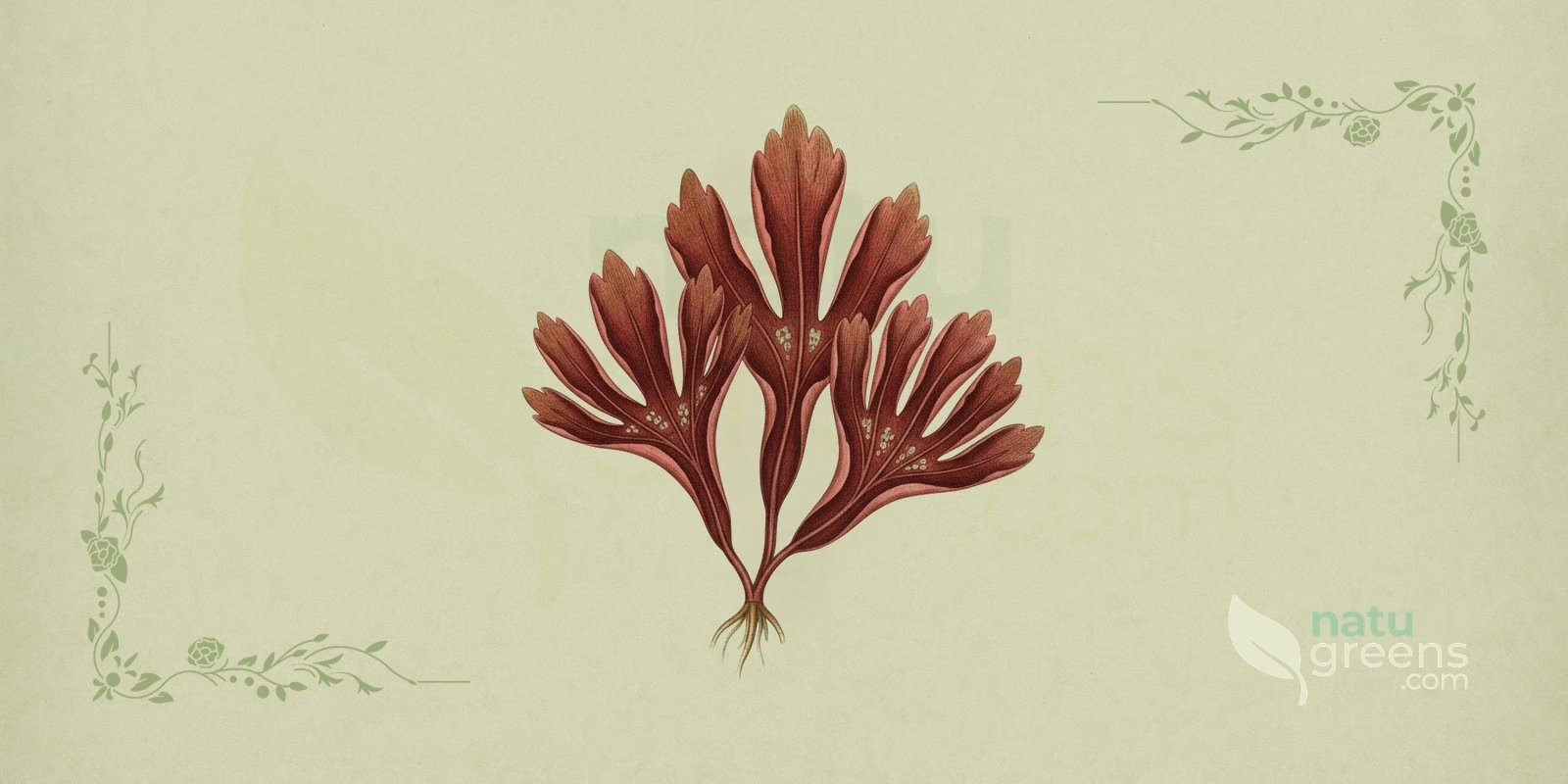
Palmaria palmata is a versatile seaweed, consumed fresh or dried, with a composition rich in proteins, minerals, and vitamins. Modern scientific studies have sought to validate many of its traditional uses, and dulse stands out as a remarkable example of the richness of marine resources. It offers significant benefits for human health, which explains the seaweed’s growing popularity worldwide.
Popular and International Names of Dulse
- English: creathnach, dillisk, dilsk, dulse, red dulse, sea lettuce flakes.
- Spanish: dulse, manzanilla de mar.
- Portuguese: alga-vermelha, couve-do-mar, dillisk, dulse.
- French: dulse, goémon à vaches.
- Italian: dulse.
- German: Dulse, Lappentang.
Botanical Synonyms of Palmaria palmata
Rhodymenia palmata (L.) Grev. is a botanical synonym of the species, alongside the historical name Fucus palmatus Linnaeus, 1753, and these nomenclatures reflect the taxonomic evolution of the species over time. Understanding these synonyms is essential for botanical research, as it ensures correct identification of the seaweed, whose currently accepted name is Palmaria palmata.
Botanical Family: Palmariaceae
Palmaria palmata belongs to the Palmariaceae family, placed within the order Palmariales, the class Florideophyceae, and the phylum Rhodophyta, the taxonomic group to which the so-called red algae belong. This classification highlights the marine nature of dulse, since the Palmariaceae family brings together seaweeds found in various coastal regions around the world. Within this group, dulse stands as one of the most important and well-known members.
Parts of Dulse Used
- Fronds (leaves)
Ethnobotanical and Traditional Uses
- Animal fodder in some countries.
- Consumed fresh, sun-dried, or ground into powder.
- Flavor enhancer in meat dishes.
- Food and snack, especially in Ireland, Iceland, and Canada.
- Fried, in soups, sandwiches, salads, breads, and pizzas.
- Records of harvesting by the monks of Saint Columba 1,400 years ago.
- Source of fiber in Iceland, known as söl.
Therapeutic Properties of Dulse
- Anti-inflammatory (may help reduce inflammation)
- Antioxidant (studied activity against free radicals)
- Hypocholesterolemic (may help lower cholesterol)
- Immunomodulatory (supports gut health)
- Nutritive (rich in iodine, potassium, proteins, vitamins, and amino acids)
Detailed Phytochemical Profile of Dulse
- Carbohydrates (prebiotic dietary fiber)
- Essential amino acids (leucine, methionine, threonine, valine)
- Hydrocarbons (heptadecane, 2-methylundecane)
- Iodine
- Kainic acid
- Ketones (3-ethylidene-1-methylcyclopentene)
- Lipids (low content, with polar lipids rich in EPA)
- Minerals (iron, trace elements, potassium)
- Pigments (phycobiliproteins, phycocyanin, phycoerythrin)
- Proteins (8 to 47% of dry weight)
- Vitamins (B complex, vitamin C)
Preparation and Administration Forms of Dulse
- Cooked (soups, stews)
- Food (fresh, dried, powdered)
- Fried (like potato chips)
- Infusion (tea)
- Seasoning (powdered, to enhance flavor)
Synergy with Other Medicinal Plants
Digestive Health
Dulse is often combined with other fiber-rich seaweeds, such as kombu and wakame, which complement its profile by providing a broader spectrum of nutrients, in an effort to optimize digestive health. This combination is traditionally associated with benefits for the gut microbiota and greater nutrient absorption, contributing to the balance of the digestive system.
Nutritional Support
For more comprehensive nutritional support, dulse can be paired with leafy green vegetables, such as spinach and kale. This combination increases the intake of vitamins and minerals and is traditionally seen as a boost to antioxidant effects. In this way, dulse contributes to immune system support and enriches the nutritional profile of virtually any meal.
Recipes and Usage Protocols of Dulse
Crispy Baked Dulse
Ingredients: 50g of dried dulse, 1 tablespoon of olive oil, sea salt to taste.
Preparation: Preheat the oven to 150°C (300°F). Spread the dulse on a baking sheet. Drizzle with olive oil and sprinkle with salt. Bake for 10-15 minutes, or until crisp. Stir occasionally to ensure even cooking. Serve as a healthy snack or side dish. It is a nutritious and flavorful alternative to other snacks.
Fresh Dulse Salad
Ingredients: 100g of fresh dulse, 1 cucumber, 1 tomato, juice of 1 lemon, extra virgin olive oil.
Preparation: Wash the dulse well and chop it into smaller pieces. Cut the cucumber and tomato into cubes. Mix all the ingredients in a bowl. Season with lemon juice and olive oil. Add salt and pepper to taste. This salad is refreshing and rich in nutrients. Ideal for a light, healthy meal.
Energizing Dulse Smoothie
Ingredients: 1 teaspoon of dulse powder, 1 banana, 1 cup of spinach, 200ml of coconut water.
Preparation: Combine all the ingredients in a blender. Blend until you get a smooth, creamy mixture. If desired, add ice for a more refreshing drink. This smoothie is an excellent source of energy. It provides essential vitamins, minerals, and fiber. Perfect for starting the day or as a post-workout snack.
The preparations above follow traditional records and do not replace professional guidance. Before any internal use, check the contraindications and interactions described in this article.
Associated Therapies
Functional Nutrition
In functional nutrition, dulse is valued for its complete nutritional profile: it is a rich source of iodine, essential for thyroid function, in addition to contributing minerals such as potassium and iron and providing important proteins and amino acids. For this reason, it is often included in diets aimed at optimizing overall health, helping to address nutritional deficiencies and support the body’s metabolic balance.
Natural Supplementation
Dulse is used as a natural supplement because of its high nutrient concentration. Available in powder or flake form, it can be added to various preparations as a way to increase the intake of iodine and other essential trace elements. In this context, dulse supplementation is traditionally associated with support for thyroid health as well as overall vitality and well-being.
Contraindications and Side Effects of Dulse
General Contraindications
Dulse is contraindicated for individuals with kidney problems, since the seaweed’s high potassium content can be harmful in these cases. Because of its high iodine content, dulse deserves special attention from people with thyroid dysfunction, such as hypothyroidism, hyperthyroidism, Hashimoto’s thyroiditis, or thyroid nodules, conditions that excess iodine can worsen or destabilize. For this group, medical evaluation is recommended before regular or concentrated use of the seaweed, such as in supplements, which is different from occasional culinary consumption. In any case, especially in the presence of pre-existing medical conditions, it is always advisable to consult a healthcare professional before using dulse, since safety is paramount when consuming seaweed.
Common Side Effects
In general, dulse is well tolerated when consumed in food-level amounts, but excessive consumption can lead to gastrointestinal disturbances, such as nausea, bloating, or diarrhea, since individual sensitivity varies considerably from person to person. For this reason, it is recommended to start with small amounts to assess tolerance, monitor any adverse reaction, and consult a doctor if symptoms persist.
Drug Interactions
Dulse can interact with certain medications, and patients taking digoxin should exercise extra caution, since the potassium present in the seaweed can increase the effects of this drug. Thyroid medications may also be affected, as dulse can alter thyroid function, and concomitant use with potassium-sparing diuretics can lead to hyperkalemia. Given these risks, it is essential to consult a doctor or pharmacist before combining dulse with any drug treatment, since safety in this type of combination is essential.
Historical Notes and Interesting Facts
Ancient History
Dulse has a history of consumption that dates back more than a thousand years, and it was already being harvested by Celtic monks, such as Saint Columba, serving as a staple food in coastal regions, especially in Ireland and Iceland. Its cultural and nutritional importance is vast: dulse was a vital resource for the survival of these communities and still represents, to this day, a deep connection with the sea.
Superfood from the Sea
Considered a superfood, dulse is rich in nutrients: it contains more iron than spinach and more potassium than bananas, in addition to being an excellent source of iodine and protein. Its natural umami flavor makes it versatile in cooking, which reinforces its reputation as a true nutritional treasure of the ocean, with a combination of benefits uncommon among marine foods.
Frequently Asked Questions about Dulse
Can Dulse Be Eaten Every Day?
Yes, dulse can be consumed daily in moderate amounts, making it an excellent source of essential nutrients. However, it is important to monitor iodine intake, since excess amounts can be harmful to the thyroid. For this reason, it is worth consulting a healthcare professional for personalized guidance that ensures safe and beneficial consumption.
Does Dulse Help with Weight Loss?
Dulse is rich in fiber, which can promote satiety and thereby assist with weight loss, in addition to its low calorie content and high nutritional value contributing to a balanced diet. However, it is not a magic solution for weight loss: it needs to be part of a healthy lifestyle, working as a great complement rather than a substitute for proper habits.
What Is the Best Way to Consume Dulse?
Dulse can be consumed in several ways: fresh in salads, dried as a snack, powdered in smoothies or as a seasoning, and also cooked in soups and stews. The best method of preparation depends on personal preference, and it is worth trying different recipes until you find the one you enjoy most, thereby making the most of the benefits of this versatile seaweed.
Is Dulse Safe for Pregnant Women?
Pregnant women should consume dulse in moderation, since the seaweed’s high iodine content can be a concern during this stage. For this reason, it is advisable to consult a doctor before adding dulse to the diet, following medical guidance to protect the safety of the mother and the baby. This helps avoid unnecessary risks during pregnancy.
Where Can I Buy Quality Dulse?
Quality dulse can be found in natural product stores, in markets specializing in healthy foods, or in online stores, a convenient option for those seeking ease of purchase. When buying, look for organic products from sustainable sources, checking the origin and certifications to ensure the seaweed’s purity and benefits.
Notice: this content is for informational purposes and does not replace professional medical advice. Consult a physician or herbal practitioner before using medicinal plants, especially during pregnancy, breastfeeding, or alongside medication.
References and Scientific Studies
Peer-Reviewed Scientific Studies (2)
- PEER2013 Mouritsen, O. G. (2013). On the human consumption of the red seaweed dulse (Palmaria palmata). Journal of Applied Phycology, 25, 1339-1349.
- PEER2023 Stévant, P., et al. (2023). Concise review of the red macroalga dulse, Palmaria palmata (L.) Kuntze. Journal of Applied Phycology, 35, 1-18.
Supplementary Readings (1)
- 2019 Lopes, D., Melo, T., Meneses, J., Abreu, M. H., & Pereira, R. (2019). A New Look for the Red Macroalga Palmaria palmata: A Seafood with Polar Lipids Rich in EPA and with Antioxidant Properties. Marine Drugs, 17(9), 533.