Quick summary
Spinacia oleracea L. / Spinach, commonly known as spinach or true spinach, is an annual herbaceous plant of the Amaranthaceae family, subfamily Chenopodioideae. Native to Central and Western Asia, this edible leafy green is grown all over the world for its high nutritional value and its versatility in the kitchen. For…
Main caution: Spinach is a safe food for most people in dietary amounts, but its high vitamin K1 content calls for attention from anyone taking anticoagulants such as warfarin. People on warfarin should keep their intake of spinach…
Spinacia oleracea L. / Spinach, commonly known as spinach or true spinach, is an annual herbaceous plant of the Amaranthaceae family, subfamily Chenopodioideae. Native to Central and Western Asia, this edible leafy green is grown all over the world for its high nutritional value and its versatility in the kitchen. For centuries it has held a place in both the cooking and the traditional medicine of many different peoples.
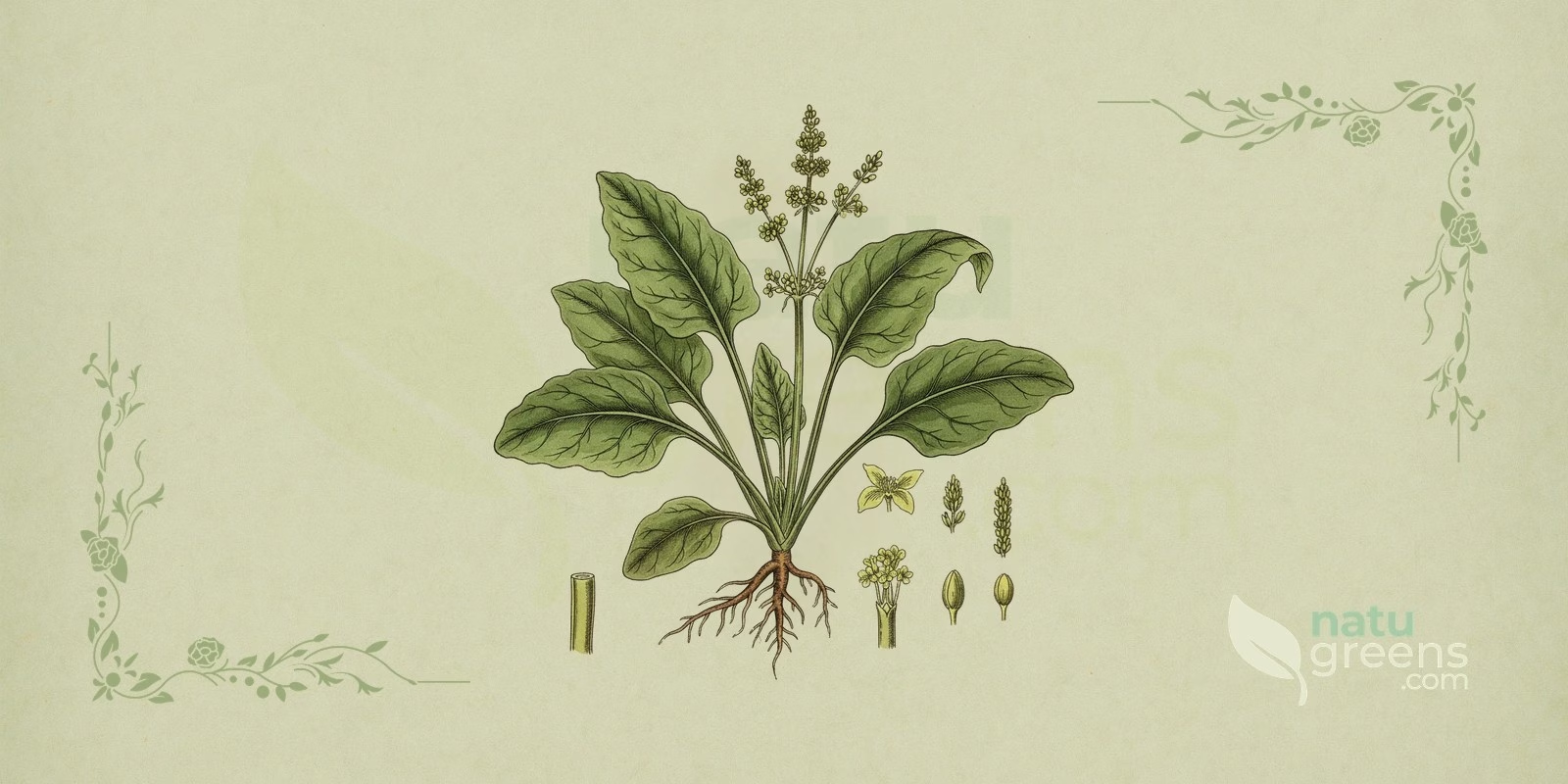
The leaves combine vitamins, minerals and bioactive compounds such as carotenoids, flavonoids and nitrates, which are studied for their antioxidant, anti-inflammatory and cardiovascular effects. Modern research has looked into several of these compounds, which helped build its reputation as a superfood, although most of its traditional uses still lack clinical confirmation. There is also a naming issue, since in Brazil much of what is sold as spinach is actually a different plant, as explained further on.
Popular and International Names of Spinach
- English: garden spinach, prickly-seeded spinach, spinach.
- French: épinard.
- German: Spinat.
- Italian: spinacio.
- Portuguese: espinafre, espinafre-verdadeiro.
- Spanish: espinaca.
A note on identification: much of the spinach sold in Brazil is Tetragonia tetragonoides, New Zealand spinach, a member of the Aizoaceae family and a different plant altogether. The information in this article refers exclusively to Spinacia oleracea, true spinach, and should not be applied to the other species.
Botanical Synonyms of Spinacia oleracea
Spinacia oleracea L. is the accepted botanical name, and the literature records a few historical or rarely used synonyms, listed below in alphabetical order:
Chenopodium oleraceum (L.) E.H.L.Krause, Spinacia glabra Mill., Spinacia inermis Moench, Spinacia spinosa Moench.
Botanical Family: Amaranthaceae
The Amaranthaceae family, which includes the subfamily Chenopodioideae, is a large group of flowering plants with about 160 genera and more than 2,400 species, several of them of economic, dietary and medicinal importance, such as beet, quinoa and amaranth. Many species in the family stand out for their edible leaves and nutritious seeds. In older classifications, spinach was placed in the family Chenopodiaceae, a grouping that has since been absorbed into Amaranthaceae as the subfamily Chenopodioideae.
As a member of Amaranthaceae, spinach shares morphological and phytochemical traits with other plants in the group and is valued for its high content of nutrients and bioactive compounds, which remain the subject of ongoing research in health and nutrition. This chemical diversity helps explain the prominent role the family plays in human diet and in traditional medicine.
Parts of Spinach Used
- Leaves (cooked, dried, fresh, frozen)
- Seeds (in some traditional preparations)
The leaves come from a cool-season crop that prefers mild temperatures and well-drained soils rich in organic matter. It is grown from seed sown directly in the ground in spring or autumn, which usually germinates within 7 to 14 days, and the plant needs regular watering and partial to full sun.
Harvesting begins once the leaves reach a suitable size, generally 30 to 40 days after sowing. The outer leaves can be picked one at a time, which lets the plant keep producing, or the whole plant can be harvested at once. Spinach is susceptible to aphids and fungal diseases, problems that good growing practices help to reduce.
Ethnobotanical and Traditional Uses
The uses below come from folk tradition and traditional medical systems, and most of them have no clinical validation.
- Appetite, in folk use as a stimulant
- Ayurveda: considered cooling in nature and associated with balancing Pitta, in contexts of inflammation and acidity
- Fatigue and the folk reputation as a “blood builder”, attributed to its iron, which in the leaf is non-heme and poorly absorbed
- Feverish conditions and inflammation of the lungs and intestines (traditional record)
- Gastrointestinal complaints affecting the stomach and bowel (traditional record)
- Laxative and “cooling” in the traditional hot and cold framework, properties attributed to the seeds
- Persian Medicine: described as nourishing, laxative and quickly digested, used for inflammation, lung diseases and lower back pain
- Respiratory ailments, liver inflammation and jaundice, using the seeds (traditional record)
- Traditional Chinese Medicine (TCM): classified as a blood and yin tonic that disperses heat and promotes urination
- Urinary stones, in old records (a use now discouraged, since the high oxalate content may favor calcium oxalate stones)
Therapeutic Properties of Spinach
The properties below combine traditional records with findings from laboratory, animal or preliminary studies, and none of them replaces medical diagnosis or treatment.
- Anti-inflammatory (effect observed in experimental studies)
- Antioxidant (activity of carotenoids and flavonoids observed in laboratory studies)
- Antiproliferative (activity observed in laboratory studies, with no clinical evidence)
- Cardioprotective (dietary nitrates studied for blood pressure regulation; preliminary studies)
- Diuretic (traditional record)
- Eye health (lutein and zeaxanthin accumulate in the macula and are studied in macular degeneration and cataract, with no proven protection from eating spinach)
- Hypoglycemic (effect investigated in preliminary studies, mainly in animals)
- Laxative (traditional record, especially for the seeds; the fiber in the leaves contributes to bowel transit)
- Neuroprotective (effect observed in animal models)
Detailed Phytochemical Profile of Spinach
- Minerals: calcium, iron (non-heme), magnesium, manganese, potassium.
- Plant compounds:
- Kaempferol: antioxidant flavonol investigated in laboratory and observational studies on chronic diseases, with no clinical conclusion.
- Lutein: carotenoid that accumulates in the macula and is studied for eye health.
- MGDG and SQDG (monogalactosyldiacylglycerol and sulfoquinovosyldiacylglycerol): chloroplast glycolipids with antiproliferative activity observed in the laboratory.
- Nitrates: converted in the body into nitric oxide and studied for blood pressure regulation; in purees that are stored or reheated they can form nitrite, a risk for babies (see Contraindications).
- Oxalates: present in high concentrations, they reduce the absorption of calcium and iron.
- Quercetin: antioxidant flavonoid with anti-inflammatory and antimicrobial activity observed in the laboratory.
- Thylakoids: chloroplast membranes whose concentrated extracts are under study for satiety and weight control.
- Zeaxanthin: carotenoid that accompanies lutein in the macula, also studied for eye health.
- Vitamins: folate (vitamin B9), riboflavin (B2), vitamin A (as carotenoids), vitamin B6, vitamin C, vitamin E, vitamin K1.
Preparation and Administration Forms of Spinach
- Canned or frozen
- Concentrated extracts, still under study and only with professional guidance
- Cooked in soups, stews, sautés and curries (boiling and discarding the water reduces oxalates)
- In juices and smoothies, to be consumed right away
- Raw, in salads
- Steamed (reduces some of the oxalates)
Spinach is first and foremost a food, not a medicinal plant with standardized doses like extracts or tinctures, so guidance on how much to eat follows the principles of a healthy diet. On the menu it usually appears in servings of 1 to 2 cups, raw or cooked. Every 100 grams of raw leaves provides about 23 calories, 3.6 g of carbohydrates, 2.9 g of protein and 0.4 g of fat, along with vitamins A, C and K, folate, iron, magnesium and manganese.
The iron in the leaf is non-heme and poorly absorbed, so spinach should not be seen as a way to treat anemia or iron deficiency, conditions that call for medical evaluation. Pairing the leaf with sources of vitamin C, such as oranges or bell peppers, slightly improves that absorption, and anyone with a history of oxalate kidney stones should favor moderate portions and spinach cooked with the water discarded.
Synergy with Other Medicinal Plants
Bone Health and Calcium Absorption
Although spinach contains plenty of calcium, its oxalates reduce the absorption of this mineral, which is why nutritional tradition often pairs it with foods that provide vitamin D, such as sun-exposed mushrooms, or with good sources of magnesium. Vitamin D takes part in calcium absorption and magnesium plays a role in bone mineralization, a combination traditionally used to build menus focused on bone health.
Cardiovascular Health
Rich in nitrates and antioxidants, spinach is often combined with other plants of traditional cardiovascular use, such as garlic (Allium sativum) and turmeric (Curcuma longa), both studied for their anti-inflammatory and antioxidant properties. The combination is traditionally used to support heart health and blood pressure regulation, but its joint effect has not yet been shown in clinical studies.
Complementary Antioxidant Profile
The lutein, zeaxanthin and quercetin in spinach can be complemented by other sources of antioxidants, such as green tea (Camellia sinensis) and berries, a combination traditionally used to broaden the range of antioxidant compounds in the diet. The protection against free radicals and cellular aging attributed to this pairing comes from laboratory studies and has no clinical confirmation.
Recipes and Usage Protocols of Spinach
Green Spinach Smoothie with Berries
Ingredients: 1 cup of fresh spinach, 1 frozen banana, 1/2 cup of berries (blueberries, raspberries), 1/2 cup of water or plant-based milk, 1 teaspoon of chia seeds (optional).
Method: Blend all the ingredients until smooth and drink it right away, without saving it for later. The smoothie brings together vitamins, minerals and antioxidants and makes a practical option for breakfast or a post-workout snack.
Spinach Salad with Strawberries and Walnuts
Ingredients: 2 cups of fresh spinach, 1 cup of sliced strawberries, 1/4 cup of chopped walnuts, 2 tablespoons of crumbled feta cheese (optional), balsamic vinaigrette.
Method: In a large bowl, combine the well-washed spinach, strawberries, walnuts and feta, drizzle with the balsamic vinaigrette and toss gently. The salad mixes a variety of flavors and textures and adds vitamins, antioxidants and fiber to the meal.
Sautéed Spinach with Garlic
Ingredients: 2 cups of fresh spinach, 2 cloves of garlic, chopped, 1 tablespoon of olive oil, salt and pepper to taste.
Method: Heat the olive oil in a large skillet over medium heat, add the chopped garlic and sauté for about 1 minute, until fragrant. Add the spinach and stir for 2 to 3 minutes, until the leaves wilt, then season with salt and pepper and serve as a side dish with any meal. The quick cooking brings out the flavor of the leaf and preserves much of its nutrients.
The preparations above follow traditional records and do not replace professional guidance. Before any internal use, check the contraindications and interactions described in this article.
Associated Therapies
Functional Nutrition
In functional nutrition, spinach is seen as a nutrient-dense food and often appears in menus aimed at cardiovascular, eye and bone health and at managing oxidative stress and inflammation, always as part of the diet and never as a substitute for treatment. The folate it contains is a relevant nutrient for cellular health and for pregnancy. Thylakoid extracts obtained from the leaf are under study for satiety and weight control, with no established indication yet.
Diet Therapy
Diet therapy includes spinach in eating plans for different conditions, and its fiber content earns it a place in the routine of people seeking bowel regularity and wanting to avoid constipation. Dietary nitrates, studied for blood pressure regulation, explain its presence in menus for hypertension and cardiovascular disease, always as a complement to medical follow-up. The iron in the leaf, however, being non-heme and poorly absorbed, does not make spinach a reliable source in cases of iron deficiency, which require professional guidance.
Contraindications and Side Effects of Spinach
General Contraindications
Spinach is a safe food for most people in dietary amounts, but its high vitamin K1 content calls for attention from anyone taking anticoagulants such as warfarin. People on warfarin should keep their intake of spinach and other dark leafy greens constant, without swings from one week to the next, and tell their doctor about their eating habits. Large variations in vitamin K intake interfere with the effectiveness of the medication.
Spinach is high in oxalate, and people with a history of calcium oxalate kidney stones should moderate their intake, since these compounds can contribute to the formation of new stones in susceptible individuals. Cooking the leaf and discarding the water lowers the oxalate content, although it does not remove it completely. Another food safety point is cadmium, because, depending on the soil it is grown in, the leaves can accumulate high levels of this heavy metal.
Although spinach is remembered for its iron, that iron is non-heme and poorly absorbed, so the leaf should not be presented as a source of iron for anemia. Anyone taking blood sugar-lowering medication who is considering concentrated spinach extracts, whose effect on blood glucose has only been seen in preliminary studies, should talk to their doctor first. The same caution applies to thylakoid extracts marketed for satiety and weight, which are still under study.
Babies, Pregnancy and Breastfeeding
Because of its nitrates, spinach puree intended for babies under 1 year of age should not be stored or reheated, due to the risk of methemoglobinemia. For everyone, it is best to avoid reheating cooked spinach repeatedly. During pregnancy and breastfeeding, the leaf is a safe food within a varied diet, and the folate it provides does not replace the folic acid supplementation prescribed during prenatal care.
Common Side Effects
Excessive consumption can cause gastrointestinal discomfort, with gas, cramps and abdominal pain, because of the high fiber content, and allergic reactions, while possible, are rare. Like other leafy greens, spinach can carry bacteria such as E. coli, which cause foodborne illness when the leaves are not properly washed and prepared. Washing the leaves carefully and cooking them reduces this risk.
Drug Interactions
The main interaction of spinach involves anticoagulants such as warfarin, because of its high vitamin K1 content. This vitamin takes part in blood clotting and, in large or irregular amounts, can counteract the effect of the medication and raise the risk of clots. Patients on anticoagulants should keep a steady vitamin K intake and discuss any change in diet with their doctor. The garlic and turmeric mentioned in the synergy section, when taken as concentrated supplements, also warrant this conversation with whoever prescribes the anticoagulant.
Historical Notes and Interesting Facts
Coming from Central and Western Asia, spinach spread across Europe around the 14th century and grew popular because it was available as early as the beginning of spring, when it became a permanent fixture in the continent’s gardens and kitchens.
- Spinach became associated with the character Popeye, who gained instant strength by eating canned spinach, and that fame helped popularize the vegetable. The idea that the leaf is an exceptional source of iron, however, is exaggerated, and the most often repeated explanation for it, a supposed early calculation error, is considered partly an academic urban legend.
- The English word spinach has its roots in the Persian aspānāḵ, a sign of the plant’s origin in the Middle East.
- There are different types of spinach, including flat-leaf, savoy, with crinkled and curly leaves, and semi-savoy, each with its own characteristics and culinary uses.
- Spinach is generally a dioecious plant, meaning it has separate male and female individuals.
Frequently Asked Questions about Spinach
Is Spinach Really Rich in Iron?
Spinach does contain iron, but it is non-heme iron, which is poorly absorbed, and the oxalates in the leaf reduce its uptake even further. Its reputation as an exceptional source of iron, popularized by Popeye, is exaggerated, which is why the leaf should not be used as a remedy for anemia. Eating it with foods rich in vitamin C, such as orange juice or bell peppers, helps absorption a little.
Can Spinach Cause Kidney Stones?
In people prone to calcium oxalate kidney stones, eating too much spinach can contribute to the problem because of its high oxalate content, and anyone with that history should moderate their portions. Cooking the leaf and discarding the water lowers the oxalate, and for most healthy people moderate consumption poses no significant risk.
What Is the Best Way to Eat Spinach to Retain Its Nutrients?
Both raw and cooked spinach have nutritional value, since raw spinach retains more vitamin C and folate, while cooked spinach, especially when boiled and the water discarded, loses part of its oxalates, which favors the absorption of iron and calcium. Alternating between the two forms over the week is the simplest way to make the most of the leaf’s full range of nutrients.
Does Spinach Interact with Medications?
Yes, because of its high vitamin K1 content, spinach can interfere with the effect of anticoagulants such as warfarin. People taking this type of medication do not need to cut out the leaf, but they should keep their intake constant, without swings, and tell their doctor about their eating habits.
Is Spinach Safe During Pregnancy and for Babies?
During pregnancy, spinach is a safe food within a balanced diet and provides folate, an important nutrient for the baby’s development, without replacing the supplementation prescribed during prenatal care. For babies under 1 year of age, spinach puree should not be stored or reheated, because of the risk of methemoglobinemia linked to nitrates. When in doubt, the advice is to consult the pediatrician or obstetrician.
Is All Spinach Sold in Brazil the Same Plant?
No, because much of the spinach sold in Brazil is Tetragonia tetragonoides, New Zealand spinach, a member of the Aizoaceae family and a different plant. The information in this article refers to Spinacia oleracea, true spinach, and should not be automatically applied to the other species.
Notice: this content is for informational purposes and does not replace professional medical advice. Consult a physician or herbal practitioner before using medicinal plants, especially during pregnancy, breastfeeding, or alongside medication.
How to cite this article
NATUGREENS. Spinach (Spinacia oleracea): Properties and Benefits. Natugreens, 3 Nov. 2026. Disponível em: https://natugreens.com/spinach-spinacia-oleracea/. Accessed: Nov. 4, 2026.
Natugreens. (2026). Spinach (Spinacia oleracea): Properties and Benefits. Natugreens. https://natugreens.com/spinach-spinacia-oleracea/
References and Scientific Studies
- PMC2024 Akbari F, et al. Spinacia Oleracea: Exploring the Therapeutic Potential in Persian Medicine and Modern Pharmacology. Current Drug Discovery Technologies. 2024.
- PMC2019 Gutierrez RMP, et al. Spinacia oleracea Linn Considered as One of the Most Perfect Foods: A Pharmacological and Phytochemical Review. Mini-Reviews in Medicinal Chemistry. 2019.
- PMC2016 Roberts JL, et al. Functional properties of spinach (Spinacia oleracea L.) phytochemicals and bioactives. Food & Function. 2016.
- Pregnancy
- Breastfeeding
- Children
- Drug interactions
- Kidney disease
- Diabetes
- Allergy
- Bleeding / coagulation disorders
Not an exhaustive list. Read the full contraindications section before considering use.
Read full section