



Quick summary
Pereskia aculeata Mill. / Barbados Gooseberry, known in English as Barbados gooseberry and in Brazil as ora-pro-nóbis, is a hardy, perennial climbing cactus with true leaves, native to the tropical Americas. Brazilians count it among the PANCs, or unconventional food plants, and it grows easily in shade or full sun…
Main caution: Caution: despite the nickname "poor man's meat", the Barbados gooseberry does not replace meat, eggs or legumes. The high protein content applies to the dried leaf, whereas the fresh leaf has only a few grams per 100 g.…
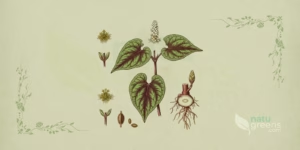
Pereskia aculeata Mill. / Barbados Gooseberry, known in English as Barbados gooseberry and in Brazil as ora-pro-nóbis, is a hardy, perennial climbing cactus with true leaves, native to the tropical Americas. Brazilians count it among the PANCs, or unconventional food plants, and it grows easily in shade or full sun, with fleshy leaves, fragrant white flowers and small yellow fruits.
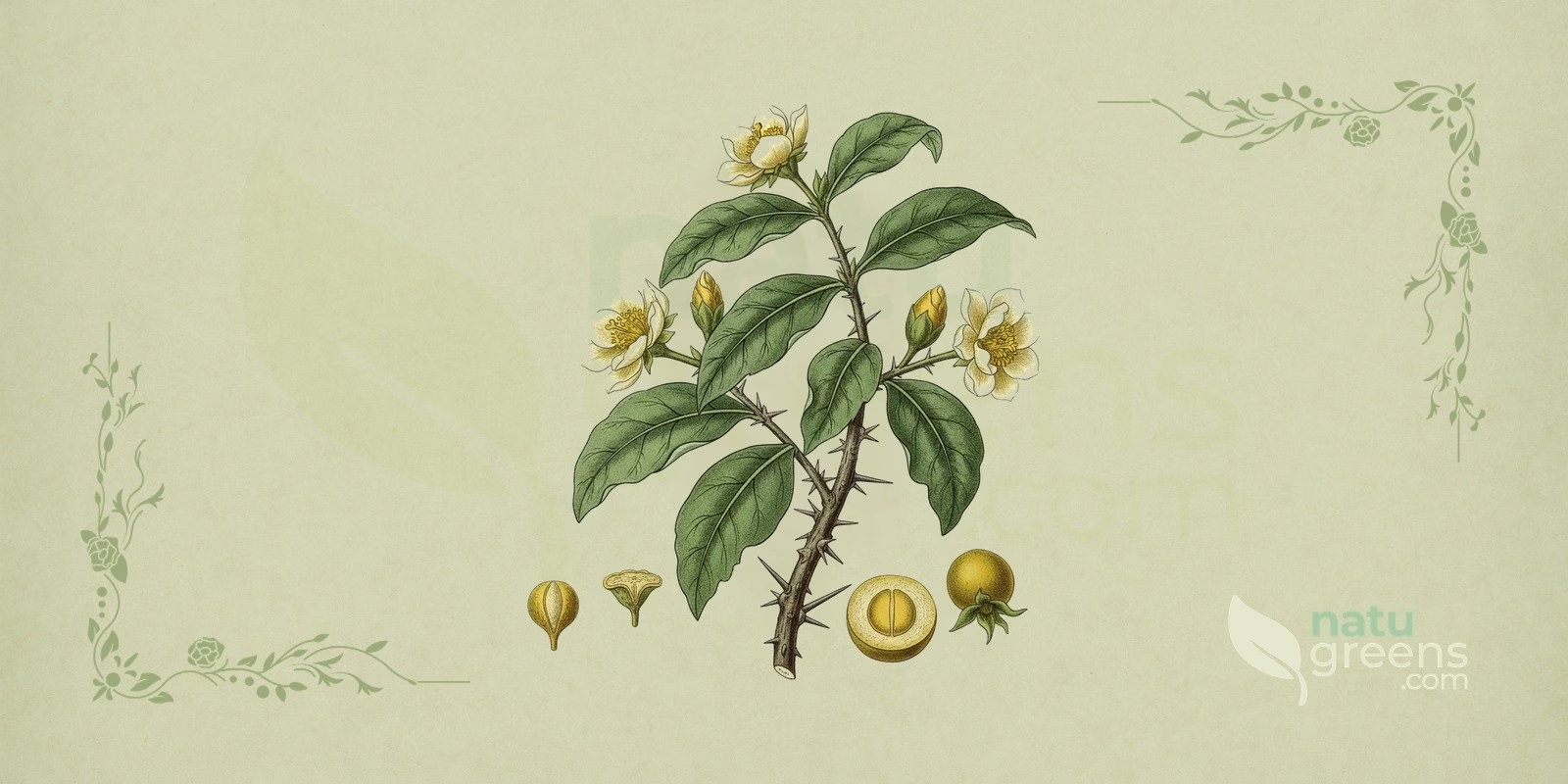
In Brazil, the plant has been eaten for centuries, above all in Minas Gerais, where it goes into traditional dishes such as chicken with ora-pro-nóbis. It is a nutritious leafy green that supplies protein, fiber, minerals and vitamins, but its reputation as "poor man's meat" has bred exaggerations: the high protein content applies to the dried leaf, not to the fresh leaf that goes into the pot, and the plant neither replaces meat nor meets the needs of a diet on its own. Its place is on the plate as a food, not in the medicine cabinet.
Popular and International Names of the Barbados Gooseberry
- English: Barbados gooseberry, leaf cactus, lemon vine.
- French: groseillier des Barbades.
- German: Barbados-Stachelbeere.
- Portuguese: carne-de-pobre, lobrobó, ora-pro-nóbis, orabrobó, rogai-por-nós.
- Spanish: bleo, grosellero de Barbados.
Although the English, German and French names speak of a "Barbados gooseberry", the plant is not a gooseberry at all: the name comes only from the look of its small fruits. In Brazil, other plants are also sold as ora-pro-nóbis, including a pink-flowered species of the same genus that grows as a shrub or small tree. This article covers only Pereskia aculeata, the climber with white flowers and yellow fruits.
Botanical Synonyms of the Barbados Gooseberry
The accepted name is Pereskia aculeata Mill. Over the centuries the plant has received other names, among them Cactus pereskia, given by Linnaeus at a time when all cacti were still grouped in a single genus.
- Cactus lucidus Salisb.
- Cactus pereskia L.
- Pereskia fragrans Lem.
- Pereskia longispina Haw.
- Pereskia pereskia (L.) H.Karst.
- Pereskia undulata Lem.
Botanical Family: Cactaceae
The Barbados gooseberry belongs to the Cactaceae, the cactus family, yet it looks nothing like the usual image of the group: it has true leaves, fleshy and well developed, and thin woody stems armed with spines. The genus Pereskia is considered close to the ancestral forms of the family, from the time before most cacti lost their leaves and began to photosynthesize through their succulent stems.
Nearly all Cactaceae are native to the Americas, and many bear edible fruits, such as pitaya and prickly pear. The Barbados gooseberry has fragrant white flowers and small yellow fruits.
Parts of the Barbados Gooseberry Used
- Flowers (culinary use)
- Fruits (eaten as food)
- Leaves (the most used part, as food)
Ethnobotanical and Traditional Uses of the Barbados Gooseberry
- Flour made from dried leaves to enrich dishes
- Food (leaves sautéed or added to soups, pies and omelets; flowers and fruits)
- Honey plant, visited by bees
- Inflammation (folk record)
- Wounds and skin irritation (external folk use)
The established use of the Barbados gooseberry is as food. Folk records of its use for wounds, inflammation or kidney problems document a tradition and do not amount to proven efficacy.
Medicinal Properties of the Barbados Gooseberry
- Anti-inflammatory (under study; laboratory and animal data)
- Antioxidant (phenolic compounds with activity observed in the laboratory)
- Nutritional value (protein, fiber, minerals and vitamins, measured in composition analyses)
- Wound healing (folk use; under study in animal models)
No clinical trials back the promises made for Barbados gooseberry capsules and flours sold for weight loss, for curing anemia or for "de-inflaming" the body. The plant is a nutritious leafy green, and its benefit comes from being part of a varied diet.
Detailed Phytochemical Profile of the Barbados Gooseberry
Protein: Dried Leaf and Fresh Leaf
The figures behind the plant's fame, 20% to 30% protein, apply to the dried leaf, that is, once nearly all the water has been removed. The fresh leaf, the one that goes into the pot, is mostly water and holds only a few grams of protein per 100 g, a good level for a leafy vegetable but far below that of meat, eggs or beans. Even the dried flour is eaten a spoonful at a time, which limits its real contribution to the diet.
Iron and Other Nutrients
The leaves contain iron, but it is non-heme iron, which the body absorbs only to a limited extent. Eating them together with foods rich in vitamin C, such as lemon, orange or acerola, helps the body make better use of this iron. The plant provides no vitamin B12.
- Amino acids (lysine)
- Fiber and mucilage
- Minerals (calcium, iron, magnesium, phosphorus)
- Oxalates
- Phenols and phenylethanoid glycosides (verbascoside)
- Proteins (20% to 30% of dry matter; a few grams per 100 g in the fresh leaf)
- Vitamins A and C
Preparation Forms of the Barbados Gooseberry
- Cooking, preferably boiled or sautéed (leaves)
- Flour made from dried leaves
- Salads and juices (raw leaves, in moderation)
Boiling or sautéing the leaves removes part of the oxalates and is the most advisable way to eat them. Capsules and concentrated extracts have not been studied for safety.
Suggested Combinations with Other Plants
No medicinal synergies between the Barbados gooseberry and other plants have been studied. In the kitchen, however, one pairing makes nutritional sense: serving the leaves with foods rich in vitamin C, such as lemon, orange, acerola or bell pepper, favors the absorption of their non-heme iron. Combined with beans, eggs or meat, the plant rounds out the dish, but it does not replace these sources of protein.
Recipes and Usage Protocols of the Barbados Gooseberry
Sautéed Barbados Gooseberry Leaves
Ingredients: 1 bunch of Barbados gooseberry leaves, 1 clove of garlic, chopped, half an onion, chopped, olive oil and salt.
Preparation: strip the leaves from the stems carefully, mindful of the spines, then wash and chop them. Brown the garlic and onion in the olive oil, add the leaves and sauté for a few minutes until they wilt. Season with salt and serve with rice, beans, chicken or eggs, finished with a few drops of lemon.
Chicken with Ora-Pro-Nóbis
Ingredients: chicken pieces, garlic, onion, tomato, salt, chopped parsley and scallions, and a bunch of Barbados gooseberry leaves.
Preparation: brown the chicken with the garlic and onion, add the tomato and a little water and simmer until tender. During the last few minutes, stir in the chopped leaves and let them wilt. This is the most traditional dish made with the plant in the cooking of Minas Gerais, served with angu, a soft cornmeal porridge, or with rice.
Barbados Gooseberry Leaf Flour
Ingredients: fresh Barbados gooseberry leaves.
Preparation: wash and dry the leaves, then dehydrate them in a low oven with the door ajar, or in a food dehydrator, until they turn brittle, and grind them into flour. Store in a sealed jar and use in small amounts in breads, pasta, cakes and soups.
The preparations above follow traditional records and do not replace professional guidance. Before any internal use, review the contraindications and interactions described in this article.
Associated Therapies of the Barbados Gooseberry
Nutrition and Unconventional Food Plants
The Barbados gooseberry's most solid role is in nutrition, as a nourishing, easy-to-grow leafy green prized by the unconventional food plant movement and by community and school gardens. It can add variety to the diet, especially where fresh vegetables are hard to come by.
Scientific Research
Leaf extracts are being studied in the laboratory and in animals for antioxidant and anti-inflammatory activity, and their mucilage interests the food industry. This is early research, and it does not support any therapeutic use.
Contraindications and Side Effects of the Barbados Gooseberry
It Does Not Replace Meat
Caution: despite the nickname "poor man's meat", the Barbados gooseberry does not replace meat, eggs or legumes. The high protein content applies to the dried leaf, whereas the fresh leaf has only a few grams per 100 g. In vegetarian diets, it cannot on its own supply protein, iron or vitamin B12, which call for proper dietary planning and, in the case of B12, for supplementation under professional guidance.
Anemia and Weight Loss
Anemia requires a diagnosis of its cause and medical treatment, and the Barbados gooseberry is not a treatment for it. Nor are there studies proving that capsules or flours made from the plant have any slimming effect.
Oxalates and the Kidneys
The leaves contain oxalates. Eat them preferably boiled or sautéed, and if you have a history of calcium oxalate kidney stones or kidney disease, moderate your intake and talk to your doctor or dietitian.
Vitamin K and Warfarin
Like any dark green leafy vegetable, the Barbados gooseberry may contain vitamin K. People taking warfarin or other anticoagulants of the same type should keep their intake steady, without large swings, and let their doctor know.
Spines and Identification
The stems bear curved spines that can injure the hands, so wear gloves when harvesting. Only harvest from a plant that has been identified with certainty.
Pregnancy, Breastfeeding and Children
As a cooked food, the Barbados gooseberry carries no specific caution for pregnant or breastfeeding women or for children. Capsule concentrates have no safety data for these groups and should be avoided.
Invasive Plant
Outside its native range, the Barbados gooseberry can become invasive, as it has in South Africa, where it is considered a forest pest. It should not be planted in such regions.
Historical Notes and Interesting Facts about the Barbados Gooseberry
Pray for Us
The Portuguese name ora-pro-nóbis comes from the Latin ora pro nobis, "pray for us". According to tradition in Minas Gerais, the plant was grown in churchyards, and people would pick its leaves while the litany was being prayed.
Where the Nickname Poor Man's Meat Comes From
The nickname arose from the protein content of the dried leaves and from the plant's place on humble tables, where it enriched the meal. Over time it turned into an exaggeration, and the idea that the plant "replaces meat" does not hold up for the fresh leaf.
A Tribute to Peiresc
The genus Pereskia honors the French scholar Nicolas-Claude Fabri de Peiresc, while aculeata comes from the Latin aculeus, spine, a reference to the spines on the stem.
A Festival in Sabará
In Sabará, Minas Gerais, an annual festival celebrates ora-pro-nóbis and its importance in the region's cooking.
Frequently Asked Questions about the Barbados Gooseberry
Does Barbados Gooseberry Help with Anemia?
The leaves contain iron, but it is non-heme iron, with limited absorption. The plant can be part of a varied diet, ideally alongside foods rich in vitamin C, but it is not a treatment for anemia, which requires medical diagnosis and treatment.
Does Barbados Gooseberry Replace Meat?
No. The 20% to 30% protein content applies to the dried leaf. The fresh leaf has only a few grams of protein per 100 g, and the plant cannot on its own supply protein, iron or vitamin B12.
What Is the Best Way to Eat Barbados Gooseberry?
Boiled or sautéed, in dishes such as chicken with ora-pro-nóbis, soups, pies and omelets. Cooking removes part of the oxalates.
Does Barbados Gooseberry Help with Weight Loss?
No studies prove it. The capsules and flours sold with this promise have no clinical trials to back them up.
Can People Taking Warfarin Eat Barbados Gooseberry?
Yes, as long as they keep their intake steady, without large swings, and let their doctor know, because dark green leafy vegetables may contain vitamin K.
Can Barbados Gooseberry Be Grown at Home?
Yes. It is easy to grow from cuttings, grows quickly and needs a support to climb on. Wear gloves when handling it because of the spines.
Notice: this content is for informational purposes and does not replace professional medical advice. Consult a physician or herbal practitioner before using medicinal plants, especially during pregnancy, breastfeeding, or alongside medication.
How to cite this article
NATUGREENS. Barbados Gooseberry (Pereskia aculeata): Uses and Nutrients. Natugreens, 20 Nov. 2026. Disponível em: https://natugreens.com/pereskia-aculeata-barbados-gooseberry/. Accessed: Nov. 20, 2026.
Natugreens. (2026). Barbados Gooseberry (Pereskia aculeata): Uses and Nutrients. Natugreens. https://natugreens.com/pereskia-aculeata-barbados-gooseberry/
References and Scientific Studies
- DOI2009 Takeiti CY, et al. (2009). Nutritive evaluation of a non-conventional leafy vegetable (Pereskia aculeata Miller). International Journal of Food Sciences and Nutrition, 60(Suppl 1), 148-160. Nutritional composition of the leaves, with protein and fiber expressed on a dry-matter basis. ↗
- DOI2019 Garcia JAA, et al. (2019). Phytochemical profile and biological activities of 'Ora-pro-nobis' leaves (Pereskia aculeata Miller), an underexploited superfood from the Brazilian Atlantic Forest. Food Chemistry, 294. Phenolic compounds and activity in laboratory tests. ↗
- DOI2021 Maciel VBV, et al. (2021). Ora-pro-nobis (Pereskia aculeata Miller): a potential alternative for iron supplementation and phytochemical compounds. Brazilian Journal of Food Technology, 24. Iron content and compounds of the leaves. ↗
You May Also Like

Take your time and tell us everything you think, details included. Every response is read by someone on our editorial team and goes into the article's revision. An honest critique helps us more than a polite compliment.
Take your time and tell us everything you think, details included. Every response is read by someone on our editorial team and goes into the article's revision. An honest critique helps us more than a polite compliment.