



Quick summary
Baccharis crispa Spreng., better known by the synonym Baccharis trimera (Less.) DC. and also referred to as Baccharis genistelloides subsp. crispa in part of the literature, is carqueja, a perennial shrub of the Asteraceae family native to South America, found in Brazil, Argentina, Uruguay, Paraguay, Peru, and…
Main caution: Carqueja is contraindicated during pregnancy. Animal studies link the plant to an abortive effect and to relaxation of uterine muscle, which is reason enough to avoid any medicinal use of carqueja throughout the entire…
Baccharis crispa Spreng., better known by the synonym Baccharis trimera (Less.) DC. and also referred to as Baccharis genistelloides subsp. crispa in part of the literature, is carqueja, a perennial shrub of the Asteraceae family native to South America, found in Brazil, Argentina, Uruguay, Paraguay, Peru, and Bolivia. The plant stands out for having no true leaves: photosynthesis takes place in the stems themselves, which are narrow and marked by longitudinal winged ridges, a feature behind popular nicknames such as três-espigas ("three spikes"). In South American folk medicine, the bitter tea made from carqueja is one of the best known home remedies for digestive and liver complaints, though most of the available research is still limited to animal models and laboratory assays, with little data confirmed in humans.
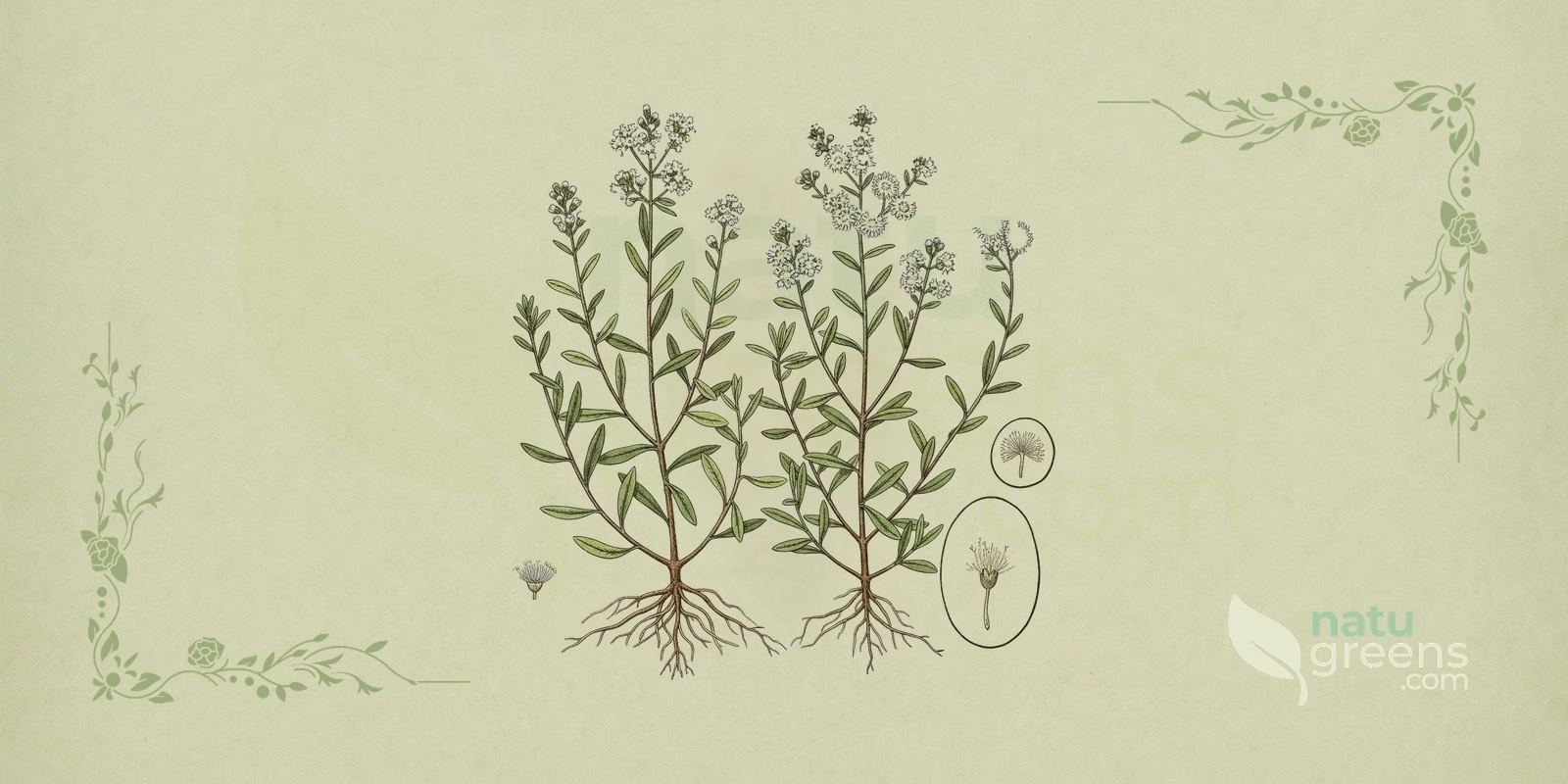
Popular and International Names of Carqueja
- English: bacanta, carqueja, three-branched baccharis.
- French: carqueja.
- German: Carqueja.
- Italian: carqueja.
- Portuguese: bacanta, bacárida, cacália, cacália-amarga, cacália-amargosa, carqueja, carqueja-amarga, carqueja-do-mato, carquejinha, três-espigas, vassoura.
- Spanish: bacanta, bacária, carqueja, chinchimani, chirca melosa, condamina, cuchi-cuchi, quimsa-kuchu, quina-de-condamiana, quinsu-cucho.
Botanical Synonyms of Carqueja
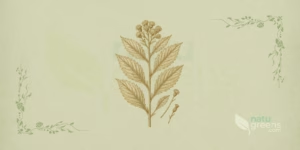
The accepted name for the species, according to current taxonomic databases, is Baccharis crispa Spreng. Much of the pharmacological literature and the labels of herbal products, however, use the synonym Baccharis trimera (Less.) DC., and this is also the name most closely associated with the catalogued image used in this article. A third name that appears frequently is Baccharis genistelloides (Lam.) Pers. subsp. crispa (Spreng.) Joch.Müll., a treatment adopted by some more recent databases. All three names refer to the same plant, and a reader who comes across any of them in another source is looking at the carqueja described here, not a different species. Other synonyms recorded in the botanical literature include:
- Baccharis genistelloides var. crispa (Spreng.) Baker
- Baccharis genistelloides var. trimera (Less.) Baker
- Baccharis triptera Mart.
- Molina trimera Less.
Botanical Family: Asteraceae
Carqueja belongs to the Asteraceae family, also called Compositae, one of the largest and most diverse families of flowering plants on the planet. The group includes well known species such as lettuce, sunflower, and chamomile, and is identified by its flower heads (capitula), in which many small flowers cluster together to form a structure that looks like a single larger flower.
The chemical richness of Asteraceae, especially in flavonoids and terpenes, shows up markedly in carqueja and helps explain the recent scientific interest in the species. Several members of the family have recognized medicinal uses, and the diversity of bioactive compounds found in the genus and its close relatives continues to be studied in scientific research focused on phytotherapy.
Parts Used of Carqueja
Carqueja is traditionally used for its aerial parts, meaning the winged stems and young branches of the plant. The species has no true leaves, and it is precisely in these stems that photosynthesis takes place, an adaptation that has become one of the most cited criteria for recognizing carqueja in the field.
Ethnobotanical and Traditional Uses of Carqueja
Historically, carqueja holds a central place in the folk medicine of Brazil, Argentina, and Uruguay, above all as a bitter tonic for the digestive system. Tea made from the aerial parts is remembered for indigestion, gas, intestinal cramps, and a feeling of heaviness after meals, and tradition also links the plant to care of the liver and gallbladder, including complaints related to gallstones. Another widespread use is as a diuretic, within the broader folk repertoire of teas used to "cleanse the blood" and relieve fluid retention, even though this traditional language does not correspond to any detoxifying effect confirmed by science. For external use, the infusion or a concentrated decoction is applied to the skin for inflammation, wounds, and joint pain attributed to rheumatism and gout. The plant also appears in folk records for sore throats, used as a gargle, and as a vermifuge against intestinal parasites. These uses come from generations of folk observation, not clinical trials, and do not replace medical diagnosis and treatment.
Medicinal Properties of Carqueja
The properties listed below come from preclinical studies, carried out in the laboratory and in animals, as well as from traditional use. None of them is validated by robust clinical trials in humans, and inclusion in this list is not an indication for self-treating any disease.
- Analgesic (reduction in pain perception observed in animal models)
- Anthelmintic (traditional use against intestinal parasites, with few modern studies)
- Antihypertensive (reduction in blood pressure described in animal models, caution recommended for those taking blood pressure medication)
- Anti-inflammatory (reduction in inflammatory markers in laboratory assays)
- Antioxidant (action on free radicals attributed to the plant's flavonoids)
- Antiseptic (activity against microorganisms in laboratory assays)
- Anti-ulcerogenic (protection of the gastric mucosa observed in animal models)
- Antiviral (activity described in preliminary laboratory studies)
- Digestive (traditional use as a bitter tonic, associated with stimulating bile secretion)
- Diuretic (increase in urine volume observed in animal studies)
- Hepatoprotective (reduction of oxidative stress in the liver in animal models)
- Hypocholesterolemic (reduction in cholesterol described in experimental models)
- Hypoglycemic (reduction in blood glucose in animal models, with a risk of hypoglycemia if combined with antidiabetic medication)
- Immunomodulatory (modulation of the immune response suggested by laboratory studies)
Detailed Phytochemical Profile of Carqueja
The chemical composition of carqueja helps explain much of the activity described in traditional use and in preclinical studies. Among the classes of compounds already identified in the plant are:
- Clerodane diterpenoids (includes carquejyl acetate, considered a chemical marker of the species)
- Coumarins (compounds that may interfere with blood clotting, requiring extra attention in those taking anticoagulants)
- Essential oils (a complex mixture of terpenes, including beta-caryophyllene, beta-pinene, carquejol, limonene, and spathulenol among the components described)
- Flavonoids (up to about 20% of the composition, with apigenin, eriodictyol, genkwanin, hispidulin, luteolin, nepetin, quercetin, and rutin among the main ones)
- Glycosides (compounds associated with part of the pharmacological activity described for the plant)
- Phenolic acids (such as 3,5-dicaffeoylquinic acid, associated with antioxidant activity)
- Resins (a fraction still poorly characterized chemically)
- Saponins (compounds of pharmacological interest in studies of the plant)
Forms of Preparation and Administration of Carqueja
Carqueja is usually consumed as an infusion: the dried aerial part is steeped in very hot water, covered and left to rest for a few minutes, then strained. Decoction, a preparation in which the plant simmers for a few minutes, is used mainly for external application, in compresses and poultices placed on the skin. Tinctures, fluid extracts, and standardized dry extracts also circulate, used in manufactured capsules and tablets, as well as topical creams and oils. Manufactured products should carry the plant's scientific name and the manufacturer's usage instructions on the label, and the choice between forms depends on the purpose and, ideally, on guidance from a health professional.
Synergy with Other Medicinal Plants
Combination for Blood Sugar Support
In folk phytotherapy, carqueja appears alongside other plants traditionally used to support blood sugar balance, such as pata-de-vaca (Bauhinia forficata) and vegetable insulin (Cissus sicyoides). Combining plants with a hypoglycemic effect also adds up the risk of an excessive drop in blood sugar, especially in those already taking antidiabetic medication, which is why this combination should only be used with medical supervision and blood glucose monitoring.
Combination for Digestion
For digestive complaints, carqueja is commonly combined with artichoke (Cynara scolymus), boldo (Peumus boldus), peppermint (Mentha × piperita), and lemon balm (Melissa officinalis) in folk teas for indigestion, gas, and cramps. The combination follows the logic of traditional phytotherapy, bringing together plants with digestive and cholagogue action, but there are no clinical studies comparing this blend to the isolated use of each plant.
Combination for Liver Health
In preparations aimed at the liver, carqueja is often paired with milk thistle (Silybum marianum) and artichoke, plants with a tradition of liver-related use that have been studied for their antioxidant effects on the organ. This popular combination does not replace medical evaluation in cases of diagnosed liver disease, and anyone being treated for liver problems should tell their doctor about the use of any tea or supplement.
Recipes and Usage Protocols of Carqueja
Carqueja Tea (Infusion)
For the traditional preparation, use one tablespoon of the dried aerial parts for every 250 ml of freshly boiled water. Pour the water over the plant, cover the container, and let it steep for 10 minutes before straining. The tea, quite bitter in taste, is usually taken two to three times a day, before main meals, within the traditional use as a digestive tonic. The amount should not be increased on one's own in search of a stronger effect, and continuous use over many weeks should be discussed with a health professional.
Compress for Topical Use
For external use, prepare a more concentrated decoction, with two tablespoons of the dried parts for every 200 ml of water, kept at a brief simmer for about five minutes. Once it has cooled to a comfortable temperature, soak a clean cloth in the solution and apply it to the uncomfortable area for fifteen to twenty minutes, repeating a few times a day according to skin tolerance. The compress should not be used on open wounds or very sensitive skin without professional guidance.
These uses follow traditional records and do not replace professional guidance. Before any internal or prolonged use, review the contraindications and interactions described in this article.
Associated Therapies for Carqueja
Clinical Phytotherapy
In clinical phytotherapy, carqueja is often prescribed in standardized forms, such as dry extracts, capsules, and tablets, which provide a more consistent dose of active compounds than tea prepared at home. The prescription is individualized, taking into account the patient's condition, other medications in use, and the contraindications described in this article.
Homeopathy
In homeopathy, the remedy prepared from carqueja is traditionally indicated for digestive and liver symptoms, such as a feeling of heaviness in the stomach and biliary discomfort, within the particular logic of this approach, which follows principles distinct from the pharmacological studies described in this article.
Contraindications and Side Effects of Carqueja
Carqueja is contraindicated during pregnancy. Animal studies link the plant to an abortive effect and to relaxation of uterine muscle, which is reason enough to avoid any medicinal use of carqueja throughout the entire pregnancy, even in the absence of human data. By the same principle of caution, its use is also not recommended during breastfeeding or in young children, without the guidance of a health professional.
The plant has a hypoglycemic and hypotensive effect in animal models, which calls for special caution in anyone taking antidiabetic or antihypertensive medication: the combined effects can cause an excessive drop in blood glucose or blood pressure, with symptoms such as dizziness, weakness, and cold sweating. Medical supervision and monitoring of blood glucose and blood pressure are recommended for anyone who decides to use carqueja under these conditions.
Carqueja is listed in the Brazilian Pharmacopoeia's Herbal Medicines Formulary (Formulário de Fitoterápicos da Farmacopeia Brasileira) as a plant drug traditionally indicated for dyspepsia; the exact edition of the formulary and the full text of the monograph still need to be confirmed before any more specific citation, and this official listing does not make the plant a validated treatment for any digestive complaint. Carqueja should also not be used with the expectation of weight loss or "liver cleansing": there is no evidence to support this kind of use, and the traditional diuretic effect is not the same as real weight loss or detoxification of the organ.
People with a known allergy to plants in the Asteraceae family, such as daisies, chrysanthemums, and ragweed, may react to carqueja and should avoid contact with it and its consumption. Anyone with a bleeding disorder or taking an anticoagulant needs extra caution, because the coumarins present in the plant can add to the medication's effect and increase the risk of bleeding. For this reason, it is recommended to stop using carqueja at least two weeks before any surgery, informing the medical team about the habit.
The most common side effects, generally linked to high doses, are nausea, vomiting, and diarrhea. Topical use of concentrated preparations can cause contact dermatitis in sensitive skin.
Drug Interactions
Besides the interaction with antidiabetics, antihypertensives, and anticoagulants already described, people using diuretics should pay extra attention, because carqueja's diuretic effect can add to that of the medication. Any new tea or supplement based on carqueja should be reported to the physician in charge, especially by anyone already taking several medications.
Curiosities and Historical Facts
Among the plants used in Brazilian phytotherapy, carqueja is one of the few with no true leaves at all: all photosynthesis takes place in the winged stems, an adaptation that helps the species save water and thrive in poor soils and open environments. This peculiar structure is one of the most commonly used criteria for recognizing the plant in the field, even by those who have never studied botany.
The extremely bitter taste, which gives its name to popular variants such as carqueja-amarga (bitter carqueja), is linked to the very phytochemical compounds studied by science, and is also the historical reason behind its use as a digestive tonic: the bitterness stimulates the production of saliva and digestive juices even before any active compound is absorbed.
Easily found at street markets and local markets in Brazil, Argentina, and Uruguay, carqueja remains one of the home teas most fondly remembered by generations of South American families, which helps explain why the plant appears under so many different popular names.
Frequently Asked Questions about Carqueja
What Is Carqueja?
Carqueja is the plant Baccharis crispa Spreng., also known by the synonyms Baccharis trimera and Baccharis genistelloides subsp. crispa, native to South America and belonging to the Asteraceae family. It is recognized by its winged stems without true leaves and by its traditional use as a bitter digestive tonic.
What Is Carqueja Tea Used For?
In folk tradition, carqueja tea is used to support digestion, as a diuretic, and as part of the traditional care of the liver and gallbladder. These uses come from folk observation and preclinical studies, not from robust clinical trials in humans.
Does Carqueja Help with Weight Loss or "Cleansing" the Liver?
There is no evidence to support this use. Carqueja's traditional diuretic effect may temporarily reduce the feeling of bloating caused by fluid retention, but this is not the same as weight loss or any "cleansing" process of the liver, a concept that does not correspond to a mechanism recognized by medicine.
Who Should Not Take Carqueja?
Pregnant women should not use carqueja, because of its possible abortive and uterine relaxant effect observed in animals. Breastfeeding women and young children should also avoid using it without professional guidance, as should people allergic to plants in the Asteraceae family, anyone with a bleeding disorder or taking an anticoagulant, and anyone using medication for diabetes or high blood pressure without medical supervision.
Which Part of Carqueja Is Used in the Tea?
The aerial parts of the plant are used, meaning the winged stems and branches, harvested and dried before preparing the infusion or decoction.
Notice: this content is for informational purposes and does not replace professional medical advice. Consult a physician or herbal practitioner before using medicinal plants, especially during pregnancy, breastfeeding, or alongside medication.
How to cite this article
NATUGREENS. Carqueja (Baccharis crispa): Uses, Composition and Risks. Natugreens, 21 Nov. 2026. Disponível em: https://natugreens.com/carqueja-baccharis-crispa/. Accessed: Nov. 21, 2026.
Natugreens. (2026). Carqueja (Baccharis crispa): Uses, Composition and Risks. Natugreens. https://natugreens.com/carqueja-baccharis-crispa/
References and Scientific Studies
Peer-Reviewed Scientific Studies (1)
- PMC2015 Paiva, F. A., et al. (2015). Carqueja (Baccharis trimera) Protects against Oxidative Stress in Liver and Kidney of Rats. PMC (PubMed Central). ↗
Supplementary Readings (4)
- 2021 Llaure-Mora, A. M. (2021). Baccharis genistelloides (Lam.) Pers. "carqueja": a review of uses in traditional medicine, phytochemical composition and pharmacological studies. Ethnobotany Research and Applications. ↗
- Rain-Tree. (n.d.). Carqueja - Baccharis genistelloides in the Rain-Tree Tropical Plant Database of herbal remedies. Rain-Tree Tropical Plant Database. ↗
- WebMD. (n.d.). Carqueja - Uses, Side Effects, and More. WebMD. ↗
- 2025 World Flora Online. (2025). Baccharis genistelloides subsp. crispa (Spreng.) Joch.Müll. World Flora Online. ↗
You May Also Like

Take your time and tell us everything you think, details included. Every response is read by someone on our editorial team and goes into the article's revision. An honest critique helps us more than a polite compliment.
Take your time and tell us everything you think, details included. Every response is read by someone on our editorial team and goes into the article's revision. An honest critique helps us more than a polite compliment.