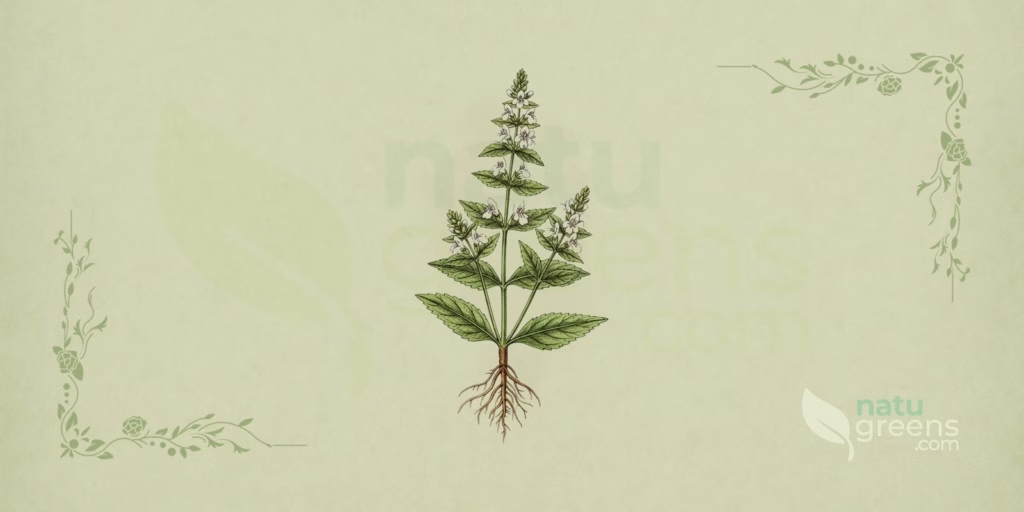
Marrubium vulgare L. / White Horehound, popularly known as white horehound or common horehound, is a perennial herbaceous plant of the Lamiaceae family, described by Carl Linnaeus in 1753. Native to Europe, North Africa, and southwestern and central Asia, this species has spread across every continent thanks to its long-recognized medicinal properties. White horehound has been used for millennia in traditional medicine, mentioned in medical texts as far back as Ancient Egypt. Its leaves and flowers are harvested for infusions, extracts, and other herbal products.
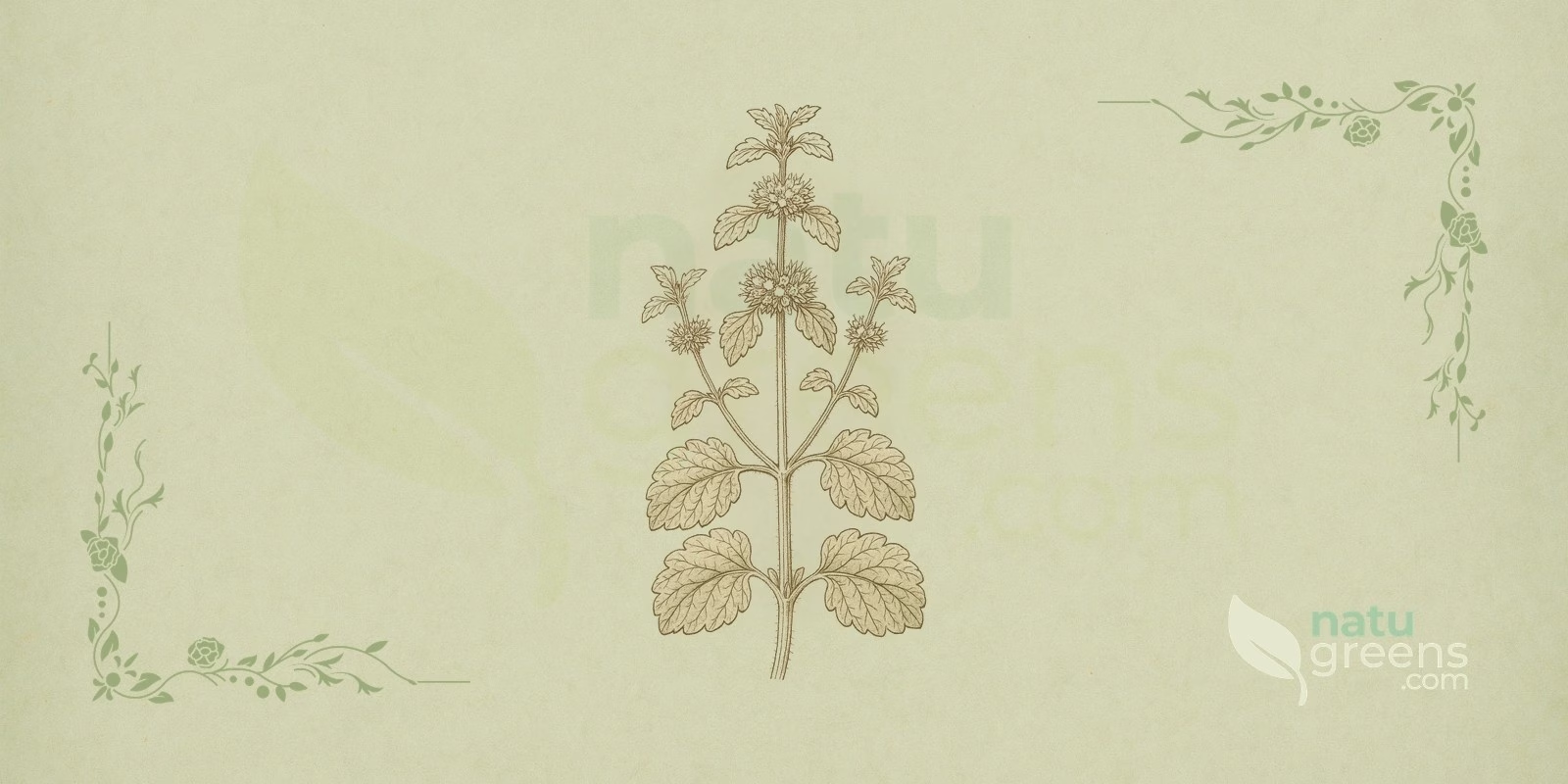
In herbal tradition, white horehound holds a prominent place as an expectorant and digestive plant. Its applications range from respiratory disorders to relief of gastrointestinal complaints. The plant is recognized for its rich phytochemical composition, especially marrubiin, a lactonic diterpene responsible for its bitter taste and for many of its medicinal properties. Modern scientific research has validated many of the traditional uses of white horehound, reinforcing its standing as an important medicinal plant.
Popular and International Names of White Horehound
- English: white horehound, common horehound.
- Spanish: manrubio, malrubio, marrubio, marrubio blanco, yerba del sapo, malvarrubia, yuyo del sapo.
- Portuguese: erva-virgem, incenso, marroio, marroio-branco, marroio-de-frança, marroio-vulgar, marrolho (Azores).
- French: marrube blanc, marrube commun, marrube vulgaire, bonhomme, grand bonhomme, herbe vierge, herbe aux crocs, marrochemin, marrube des champs.
- Italian: marrubio comune.
- German: gewöhnlicher Andorn, weißer Andorn, gemeiner Andorn, Helfkraut, weißer Dorant, Mariennessel, Berghopfen.
Botanical Synonyms of Marrubium vulgare
- Marrubium album Gilib.
- Marrubium apulum Ten.
- Marrubium ballotoides Boiss. & Balansa
- Marrubium germanicum Schrank ex Steud.
- Marrubium hamatum Kunth
- Marrubium uncinatum Stokes
Botanical Family: Lamiaceae
Marrubium vulgare belongs to the botanical family Lamiaceae, also known as the mint family. This family is characterized by aromatic plants, many of which are widely used in cooking and traditional medicine, such as mint, thyme, and sage.
Parts of White Horehound Used
- Aerial parts (leaves, flowers, and stems)
The aerial parts of white horehound, including leaves, flowers, and stems, are the most widely used for medicinal purposes. They are generally harvested during the plant’s flowering period, when the concentration of bioactive compounds is highest. They can be used fresh or dried to prepare teas, infusions, decoctions, and other extracts.
Ethnobotanical and Traditional Uses
White horehound has a long history of use in traditional medicine, dating back to the 1st century BC, when it was documented by Aulus Cornelius Celsus as a remedy for respiratory ailments. Columella, the Roman agricultural writer, also listed it as a dewormer for farm animals. Over the centuries, the plant has been widely used across many cultures to address a variety of conditions.
- Aid in digestion and treatment of gastrointestinal issues, including indigestion, bloating, and diarrhea.
- Choleretic properties, stimulating bile secretion.
- Natural locust repellent in agriculture.
- Relief of respiratory issues such as cough, asthma, and bronchitis.
- Traditional use as an aid for diabetes and hypertension, without robust clinical evidence.
- Use as an antipyretic to reduce fever.
- Use as an antiseptic and tonic.
- Use in veterinary medicine as an anthelmintic and antibiotic.
- Wound treatment and disinfection.
Therapeutic Properties of White Horehound
- Antihypertensive (contributes to lowering blood pressure); traditional use, without established clinical efficacy
- Anti-inflammatory (studied effect on inflammation in the body)
- Antimicrobial (studied activity against Gram+ bacteria, fungi, herpes simplex virus, and parasites such as Toxoplasma gondii, Trichomonas vaginalis, and Plasmodium berghei berghei)
- Antioxidant (protects cells against damage from free radicals)
- Antipyretic (helps reduce fever)
- Choleretic (studied effect on bile secretion, aiding digestion)
- Digestive (studied effect on digestive health, easing gastrointestinal discomfort)
- Expectorant (helps clear mucus from the respiratory tract)
- Hypolipidemic (contributes to lowering blood lipid levels); traditional use, without established clinical efficacy
- Sedative (has a calming and relaxing effect)
- Wound-healing (studied effect on wound healing)
Detailed Phytochemical Profile of White Horehound
The phytochemical profile of Marrubium vulgare is complex and diverse, with the following main constituents responsible for its therapeutic properties:
- Marrubiin (labdane diterpene characteristic of the genus, responsible for the bitter taste and for the expectorant and choleretic properties)
- Phenolic compounds (including flavonoids and phenolic acids, which contribute to antioxidant and anti-inflammatory activity)
Preparation and Administration Forms of White Horehound
White horehound can be prepared in several ways to make the most of its medicinal benefits. The most common preparations include teas (infusions), tinctures, and extracts.
- Tea (Infusion): To prepare an infusion, add one to two teaspoons of dried white horehound leaves and flowers to a cup of boiling water. Steep for 5 to 10 minutes, strain, and drink. It can be consumed up to three times a day to ease respiratory and digestive complaints.
- Extract: White horehound extracts, often standardized for marrubiin content, are commercially available in capsules or liquid form. Dosage should follow the manufacturer’s instructions or a healthcare professional’s guidance.
- Tincture: White horehound tincture is an alcoholic preparation that concentrates the plant’s active compounds. It is usually made by macerating the aerial parts of the plant in grain alcohol for several weeks. Dosage varies, but a few drops diluted in water are typically used.
Synergy with Other Medicinal Plants
White horehound can be combined with other medicinal plants to enhance its therapeutic effects, especially for respiratory and digestive complaints. The synergy between different herbs can offer a broader spectrum of action, with results traditionally considered satisfactory.
- With Chamomile: For digestive complaints and as a calming agent, chamomile can complement the digestive properties of white horehound.
- With Dittrichia viscosa L.: A combination in ointment form was shown to speed up healing of burn wounds, suggesting synergistic potential for topical use.
- With Rosemary, Sage, and Thyme: Although more related to cultivation, this combination of aromatic plants may indicate a good compatibility profile for herbal formulations.
Recipes and Usage Protocols of White Horehound
White horehound can be incorporated into a daily routine through several preparations, each with its own particularities and benefits. It is important to follow recommended dosages and, if necessary, consult a healthcare professional.
White Horehound Tea (Infusion)
White horehound tea is one of the most common ways to consume the plant, traditionally associated with good results for respiratory and digestive complaints. The infusion allows extraction of water-soluble compounds, such as marrubiin.
- Ingredients: 1 dessert spoon (approximately 2-3g) of dried white horehound leaves and flowers; 1 cup (240ml) of boiling water.
- Preparation: Place the dried leaves and flowers in a cup. Pour the boiling water over the plant material. Cover the cup and let steep for 5 to 10 minutes. Strain and drink.
- Dosage: Consume up to 3 times a day. It can be sweetened with honey, if desired, to mask the bitter taste.
White Horehound Syrup
The syrup is an excellent option for soothing cough and sore throat, being more palatable than plain tea, especially for children.
- Ingredients: 1 cup of fresh white horehound leaves and flowers (or 1/4 cup dried); 4 cups of water; 2 tablespoons of honey (or to taste); 2 teaspoons of lemon juice; 1 teaspoon of anise seeds (optional).
- Preparation: Boil the white horehound in the water for about 15-20 minutes. Strain the mixture, pressing the herbs well to extract all the liquid. Return the strained liquid to the pot and add the honey, lemon juice, and anise seeds (if using). Simmer over low heat, stirring occasionally, until the mixture reduces and reaches a syrupy consistency. Let it cool and store in a sterilized jar in the refrigerator.
- Dosage: 1 to 2 teaspoons, as needed, to soothe cough. For children, use only under the guidance of a healthcare professional, in a reduced amount.
The preparations above follow traditional records and do not replace professional guidance. Before any internal use, review the contraindications and interactions described in this article.
The preparations above follow traditional records and do not replace professional guidance. Before any internal use, check the contraindications and interactions described in this article.
Associated Therapies
Although Marrubium vulgare is widely used in herbal medicine and traditional practice, current research does not provide direct evidence for its application in therapies such as homeopathy or flower remedies. Its main use is rooted in its phytochemical properties and in its expectorant, digestive, and anti-inflammatory effects, as shown in ethnobotanical and pharmacological studies.
Contraindications and Side Effects of White Horehound
Despite its benefits, consuming white horehound requires caution, as there are contraindications and potential side effects. It is essential to consult a healthcare professional before starting any treatment with this plant, especially in cases of pre-existing medical conditions or use of other medications.
Important Contraindications
- Pregnancy and Breastfeeding: White horehound is contraindicated during pregnancy due to its potential emmenagogue and abortifacient effects. Safety during breastfeeding has not been established, so avoiding use is advisable.
- Use in Children: There is insufficient safety data on the use of white horehound in children. Syrups and other preparations intended for children should only be given under the guidance of a healthcare professional, in a reduced amount.
- Heart Conditions: Individuals with heart problems should avoid white horehound, as there are concerns it may cause irregular heartbeats.
- Diabetes: The plant may lower blood sugar levels. Diabetics should use it with extreme caution and close monitoring, adjusting medication as needed.
- Low Blood Pressure: White horehound may lower blood pressure. People with hypotension or who take blood pressure medications should avoid its use to prevent excessive drops in pressure.
Drug Interactions
White horehound may interact with certain medications, enhancing or altering their effects. It is crucial to inform your doctor or pharmacist about using white horehound if you are taking:
- Diabetes Medications: May increase the hypoglycemic effect, leading to dangerously low blood sugar levels.
- High Blood Pressure Medications: May cause an excessive drop in blood pressure when combined with antihypertensives.
- Sedatives and Anxiolytics: The calming effect of white horehound may add to that of sedative, antidepressant, or anxiolytic medications, increasing drowsiness.
In the event of adverse reactions, discontinue use and seek medical guidance immediately.
Historical Notes and Interesting Facts
White horehound has a rich history intertwined with the medicine and culture of many civilizations. Its presence has been notable since antiquity, showing its importance and versatility over time.
- Antiquity: The earliest written mention of white horehound dates back to Ancient Egypt, where it was used as a mucus expectorant. In the 1st century BC, the Roman encyclopedist Aulus Cornelius Celsus described it in his treatise De Medicina as a remedy for respiratory ailments. The Roman agricultural writer Columella also listed it as a dewormer for farm animals.
- Etymology: The English name “horehound” comes from the Old English “hoar” (hairy, as in frost) and “hune” (a word of unknown origin for a class of herbs). The term “white” is used to distinguish it from black horehound (Ballota nigra), a similar-looking herb.
- Culinary and Recreational Uses: Beyond its medicinal applications, white horehound has been used in cooking to make horehound candy (bitter cough drops), horehound beer (similar to root beer), horehound herbal tea, and even in the rock and rye cocktail.
- Invader and Biocontrol: Introduced to Australia in the 19th century as a medicinal herb, it became an invasive weed in pastures. In New Zealand, by contrast, it is used in biocontrol measures against pests such as locusts.
Frequently Asked Questions about White Horehound
To clarify common doubts about the use of white horehound, we have compiled a few frequently asked questions to help support its conscious and safe consumption.
Is White Horehound Tea Safe for Everyone?
No, white horehound tea is not safe for everyone. It is contraindicated for pregnant or breastfeeding women, people with heart conditions, diabetes, or low blood pressure. Always consult a healthcare professional before use, especially if you have pre-existing medical conditions or are taking other medications.
What Is the Recommended Dosage for White Horehound Tea?
The recommended dosage for white horehound tea is one to two teaspoons of dried leaves and flowers per cup of boiling water. This infusion can be consumed up to three times a day. It is important not to exceed this dosage without professional guidance.
Can White Horehound Tea Help with Coughs?
Yes, white horehound tea is traditionally used as an expectorant, and herbal tradition associates its use with good results in relieving cough, especially those linked to colds and bronchitis. It helps thin mucus, making it easier to clear from the respiratory tract.
Are There Side Effects from Consuming White Horehound Tea?
Yes, side effects can occur, especially if contraindications are not respected or if the dosage is excessive. Effects may include changes in blood pressure and blood sugar levels. In the event of adverse reactions, stop use and seek medical assistance.
Where Can I Find White Horehound for Tea?
White horehound can be found in natural product stores, herbalist shops, and sometimes in supermarkets with tea and herb sections. Be sure to purchase products from reliable suppliers to ensure the quality and purity of the plant.
Notice: this content is for informational purposes and does not replace professional medical advice. Consult a physician or herbal practitioner before using medicinal plants, especially during pregnancy, breastfeeding, or alongside medication.
References and Scientific Studies
Peer-Reviewed Scientific Studies (2)
- PMC2020 Aćimović, M., Jeremić, K., Salaj, N., Gavarić, N., Kiprovski, B., Sikora, V., & Zeremski, T. (2020). Marrubium vulgare L.: A Phytochemical and Pharmacological Overview. Molecules, 25(12), 2898.
- PMC2022 Mssillou, I., et al. (2022). Ointment-Based Combination of Dittrichia viscosa L. and Marrubium vulgare L. accelerate burn wound healing. Molecules, 27(5), 1735.
Supplementary Readings (1)
- 2018 EMA. (2018). Marrubii herba, herbal medicinal product. European Medicines Agency.