Bixa orellana L. / Annatto, also popularly known as achiote or lipstick tree, is a perennial shrub or small tree native to Central and South America. This species, belonging to the Bixaceae family, is widely cultivated in tropical and subtropical regions of the world for its fruits and seeds, which are a rich source of natural pigments and bioactive compounds. Historically, annatto has been used by Indigenous peoples for medicinal, culinary, and ritual purposes, standing out as a body and food dye. Its cultural and therapeutic importance endures to this day, and it is the object of growing scientific interest.
The plant is best known for producing annatto, a natural orange-red condiment and dye extracted from the waxy aril that covers the seeds. Beyond its use as a pigment, the plant has a wide range of medicinal properties, attributed to its rich phytochemical composition. Modern studies have investigated its potential antioxidant, anti-inflammatory, antimicrobial, and neuroprotective effects, validating many traditional uses and opening the way for new therapeutic applications. The versatility of annatto makes it a plant of great ethnobotanical and pharmacological value.
Popular and International Names of Annatto
- English: annatto, achiote, lipstick tree, lipstick plant.
- Spanish: achiote, bija, bixa, urucú.
- Portuguese: urucum, urucu, urucuzeiro, colorau.
- French: roucou, rocouyer, achiote.
- Italian: annatto, achiote.
- German: Annatto, Achiote.
Botanical Synonyms of Annatto
The botanical nomenclature of Bixa orellana L. includes several synonyms used throughout the history of plant taxonomy. These synonyms reflect different classifications or observations of the species at different times and in different regions. Although Bixa orellana L. is the scientifically accepted and widely recognized name, understanding its synonyms is essential for research and accurate identification of the plant in various literary sources and herbaria.
- Bixa acuminata Bojer
- Bixa americana Poir.
- Bixa katangensis Delpierre
- Bixa odorata Ruiz & Pav. ex G.Don
- Bixa orellana var. leiocarpa (Kuntze) Standl.
- Bixa purpurea Sweet
- Bixa tinctaria Salisb.
- Orellana americana (Poir.) Kuntze
- Orellana orellana (L.) Kuntze
Botanical Family: Bixaceae

Botanical illustration of Bixa orellana L. (annatto, achiote, lipstick tree), a perennial shrub or small tree of the Bixaceae family, native to Tropical America, showing spiky ovoid fruit capsules in reddish-brown, conical seeds covered by a waxy blood-red aril, and white or pink flowers in clusters, in 19th-century botanical encyclopedia style on an aged herbarium paper background with a sage-green tone.
The Bixaceae family is a taxonomic group of dicotyledonous plants that includes the genus Bixa, to which annatto belongs. This family is characterized by shrubs or small trees with alternate leaves and showy flowers. Species of the Bixaceae family are found predominantly in tropical and subtropical regions, with a geographic distribution spanning the Americas, Africa, and Asia. The family’s economic and cultural importance lies mainly in dye production and in traditional medicinal uses.
Annatto is the best-known member of the Bixaceae family, standing out for its ability to produce carotenoid pigments, such as bixin and norbixin, which are widely used in the food and cosmetics industries. The family is also studied for its bioactive compounds, which give its plants therapeutic properties. The conservation and study of Bixaceae species are crucial for maintaining biodiversity and for discovering new natural resources with potential applications in many fields.
Parts of Annatto Used
- Bark
- Leaves
- Roots
- Seeds (aril)
Ethnobotanical and Traditional Uses of Annatto
- Body and lip dye
- Food coloring and seasoning (colorau, achiote)
- Relief of cramps and fevers
- Treatment of abscesses (poultice)
- Treatment of asthma and nasal complaints
- Treatment of blepharitis and inflamed eyes (ethnobotanical record; eye inflammation requires medical evaluation)
- Treatment of burns and wounds
- Use as an aphrodisiac and emmenagogue
- Use as a digestive and diuretic
- Use as a vermifuge
Therapeutic Properties of Annatto
- Antimicrobial (fights microorganisms); traditional use, without established clinical efficacy
- Anti-inflammatory (reduces inflammation)
- Antioxidant (fights free radicals)
- Antiproliferative (under study for its effect on the growth of tumor cells in the laboratory)
- Aphrodisiac (stimulates sexual desire); traditional record, without established clinical efficacy
- Astringent (tightens tissues)
- Digestive (aids digestion)
- Diuretic (increases urine production)
- Emmenagogue (stimulates menstrual flow); traditional record, without established clinical efficacy
- Expectorant (helps clear mucus)
- Hypocholesterolemic (lowers cholesterol); traditional use, without established clinical efficacy
- Hypoglycemic (lowers blood sugar); traditional use, without established clinical efficacy
- Neuroprotective (protects the nervous system); traditional use, without established clinical efficacy
- Purgative (promotes bowel movements)
- Vermifuge (eliminates intestinal worms); traditional use, without established clinical efficacy
- Wound healing (promotes wound healing)
Detailed Phytochemical Profile of Annatto
Annatto is a plant rich in bioactive compounds that contribute to its medicinal and coloring properties. Its phytochemical composition is complex and includes a variety of carotenoids, tocotrienols, flavonoids, and other secondary metabolites. These compounds act synergistically, giving the plant its recognized health benefits. Ongoing research into the phytochemical profile of annatto continues to reveal the therapeutic potential of its constituents.
- Bixin (carotenoid, red pigment)
- Calcium
- Carotenoids (bixin, norbixin, isobixin, lutein, zeaxanthin, beta-carotene)
- Cyanidin
- Ellagic acid
- Essential oils
- Fatty acids (saturated and unsaturated)
- Flavonoids
- Norbixin (carotenoid, yellow pigment)
- Phosphorus
- Tocotrienols (part of the vitamin E family)
- Vitamin C
Preparation and Administration Forms of Annatto
- Annatto oil
- Capsules
- Ointment
- Tea (infusion of leaves or seeds)
Synergy with Other Medicinal Plants
Cardiovascular Health
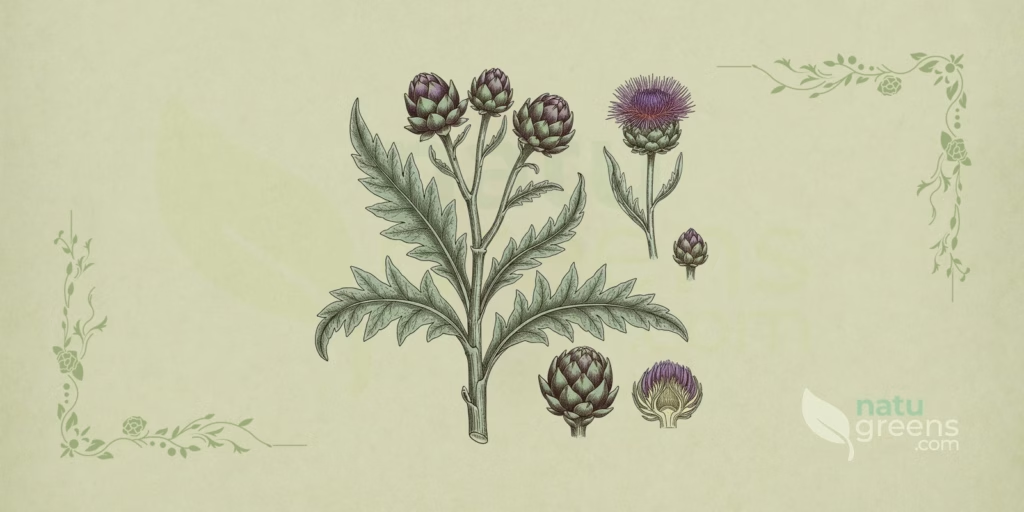
Combining annatto with antioxidant-rich, cholesterol-lowering plants, such as garlic (Allium sativum) or artichoke (Cynara scolymus), can enhance its protective effects on the cardiovascular system. Annatto’s tocotrienols, in synergy with garlic’s sulfur compounds or artichoke’s phenolic acids, are being studied for their effect on the lipid profile, though the available results do not replace the treatment prescribed by a cardiologist.
Skin Health and Wound Healing
For the treatment of skin conditions and to promote healing, annatto can be combined with calendula (Calendula officinalis) or aloe vera (Aloe barbadensis miller). Annatto’s healing and anti-inflammatory properties, together with calendula’s triterpenes or aloe’s polysaccharides, create a synergy that accelerates tissue regeneration and soothes skin irritation. This combination is particularly useful in topical ointments and creams.
Digestive Support
Pairing annatto with carminative and digestive plants, such as fennel (Foeniculum vulgare) or peppermint (Mentha × piperita), can optimize gut health. Annatto’s digestive properties, together with the essential oils of these plants, help relieve cramps, flatulence, and dyspepsia, promoting a better balance of the gut microbiota and more efficient digestion.
Recipes and Usage Protocols of Annatto
Annatto Leaf or Seed Tea
Ingredients: 8 to 12 dried or fresh annatto leaves, or 1 tablespoon of annatto seeds; 1 liter of water.
Preparation: Boil the water. Once it reaches boiling point, remove from the heat and add the annatto leaves or seeds. Cover and let rest for approximately 10 to 15 minutes. Strain the infusion and drink 2 to 3 cups a day; since tradition also credits the plant with a purgative effect, start with one cup and see how well you tolerate it. This tea is traditionally used to relieve fevers and digestive complaints and as an expectorant.
Annatto Oil for Cooking
Ingredients: 300 g of annatto seeds; 1 liter of vegetable oil (soybean, canola, or sunflower).
Preparation: Combine the annatto seeds with the vegetable oil in a pan. Heat gently over low heat until the oil takes on an intense reddish color, indicating pigment extraction. Turn off the heat and let cool completely. Strain the oil to remove the seeds and store in a closed container. Use this oil to dress salads or for cooking, adding color and a mild flavor to dishes.
Homemade Annatto Ointment
Ingredients: 50 g of crushed annatto seeds; 200 ml of extra virgin olive oil; 30 g of beeswax.
Preparation: Warm the olive oil with the crushed seeds in a double boiler for about 30 minutes, without boiling, to extract the active compounds. Strain the infused oil, pressing the seeds well. Add the beeswax to the strained oil and warm again in the double boiler until the wax has completely melted. Pour the mixture into sterilized jars and let cool until solid. This ointment can be applied topically to support the healing of wounds, minor burns, and skin irritation.
Associated Therapies
Herbal Medicine
In herbal medicine, annatto is valued for its antioxidant, anti-inflammatory, and antimicrobial properties. It is frequently used in formulations to promote skin health, protect against oxidative damage, and support the immune system. Standardized annatto extracts, rich in bixin and norbixin, are employed in dietary supplements and topical products. Modern phytotherapy recognizes the potential of annatto in the complementary treatment of various conditions, from digestive complaints to the prevention of chronic disease, always based on scientific evidence and appropriate dosing.
Functional Nutrition
Annatto is considered a functional food because of its wealth of carotenoids, tocotrienols, and other phytochemicals. In functional nutrition, it is integrated into diets to optimize health and prevent disease. Its bioactive compounds contribute to cellular protection, eye and cardiovascular health, and gut microbiota balance. Using annatto as a natural food coloring and as a supplement is a strategy for increasing antioxidant intake and promoting overall well-being, in line with the principles of functional nutrition.
Contraindications and Side Effects of Annatto
General Contraindications
Annatto is generally considered safe when consumed in food amounts. However, its use at high therapeutic doses requires caution. Individuals with a known allergy to plants of the Bixaceae family or to other food dyes can have allergic reactions, such as contact dermatitis, hives, or, in rare cases, anaphylaxis. Pregnant or breastfeeding women should consult a health professional before using annatto products, especially concentrated extracts, given the lack of conclusive safety studies in these groups.
Drug Interactions
Although rare, drug interactions with annatto can occur. Because of its potential hypoglycemic effect, people with diabetes who use blood-sugar-lowering medication should monitor their glucose closely, as annatto can potentiate the effect of these drugs. In addition, bixin, one of annatto’s main carotenoids, may have a mild anticoagulant effect, according to preclinical data. Individuals taking anticoagulant medication, such as warfarin, should therefore use annatto in moderation and under medical supervision to avoid an increased risk of bleeding.
Historical Notes and Interesting Facts about Annatto
Origin and Ancestral Use
Annatto has a rich, ancient history, used by pre-Columbian civilizations in the Americas long before the arrival of Europeans. Indigenous peoples of the Amazon and other tropical regions used the seeds to produce a vibrant red pigment, applied to the skin as sun protection, insect repellent, and in ceremonial rituals. This use as body paint gave rise to the popular English name lipstick tree, underscoring its cultural and aesthetic importance over the centuries.
Annatto in World Cuisine
Beyond its traditional uses, annatto has become an essential culinary ingredient in cuisines around the world. In Latin America and the Caribbean, it is the base of achiote, a seasoning that gives color and flavor to dishes such as cochinita pibil and nacatamales. In Filipino cuisine, it is known as atsuete and used to color sauces and stews. Its ability to lend a yellow-to-orange color without significantly altering flavor led to its wide adoption as a natural dye in products such as cheeses, butters, and margarines, in many cases replacing synthetic dyes.
Agricultural and Economic Potential
Annatto has significant agricultural and economic potential, especially in tropical countries. It is an adaptable, relatively hardy crop, making it attractive for small farmers. Global demand for natural dyes has driven the cultivation of Bixa orellana, with Peru and Brazil among the largest producers. The extraction of bixin and norbixin for the food, cosmetics, and pharmaceutical industries represents an important source of income and development for rural communities, contributing to economic and environmental sustainability.
Frequently Asked Questions about Annatto Tea
Can Annatto Tea Be Used for Weight Loss?
There is no robust scientific evidence that annatto tea, by itself, causes weight loss. Although some studies suggest that the tocotrienols in annatto may influence glucose and lipid metabolism, these effects do not translate directly into significant weight loss in humans. Healthy, sustainable weight loss requires a combination of a balanced diet and regular exercise. Annatto tea can complement a healthy lifestyle, but it should not be seen as an isolated weight-loss solution.
What Are the Main Health Benefits of Annatto Tea?
Annatto tea is valued for its antioxidant, anti-inflammatory, and antimicrobial properties. It is traditionally used to aid digestion, relieve fevers, fight infections, and promote skin health. The carotenoids and tocotrienols in the plant contribute to cellular protection against free radicals, eye health, and immune support. For specific health conditions, consulting a health professional is always recommended before starting any treatment with medicinal plants.
Does Annatto Tea Have Contraindications?
Yes, annatto tea has some contraindications. It is not recommended for people with a known allergy to Bixaceae plants. Pregnant or breastfeeding women should avoid it without medical guidance. In addition, because of its potential hypoglycemic and mild anticoagulant effects, individuals with diabetes or on anticoagulant medication should be cautious and monitor their health. In case of doubt or adverse reactions, seek medical advice.
How Do I Prepare Annatto Tea Correctly?
Annatto tea can be made from the leaves or the seeds of the plant. For the leaves, add 8 to 12 dried or fresh leaves to 1 liter of boiling water. For the seeds, use 1 tablespoon of seeds for the same amount of water. After adding the plant material to the boiling water, cover and steep for 10 to 15 minutes. Strain, and the tea is ready. Start with one cup a day and see how well you tolerate it, since tradition also credits the plant with a purgative effect, going up to a maximum of 2 or 3 cups a day. Water quality and ingredient freshness influence the flavor and efficacy of the tea.
Is It Safe to Consume Annatto Every Day?
Consuming annatto in moderate amounts, as part of the diet or as tea, is generally considered safe for most people. However, daily, prolonged use of concentrated extracts or high doses should be monitored by a health professional. Like any medicinal plant, annatto can interact with medications or cause adverse reactions in sensitive individuals. Moderation and attention to your body’s signals are always important when adding medicinal plants to your daily routine.
Notice: this content is for informational purposes and does not replace professional medical advice. Consult a physician or herbal practitioner before using medicinal plants, especially during pregnancy, breastfeeding, or alongside medication.
References and Scientific Studies
- PMC2017 Raddatz-Mota, D., et al. (2017). Achiote (Bixa orellana L.): a natural source of pigment and vitamin E. Journal of Food Science and Technology, 54(6), 1729-1741.
- PMC2014 De Araújo Vilar, D., et al. (2014). Traditional Uses, Chemical Constituents, and Biological Activities of Bixa orellana L.: A Review. The Scientific World Journal, 2014, 857292.