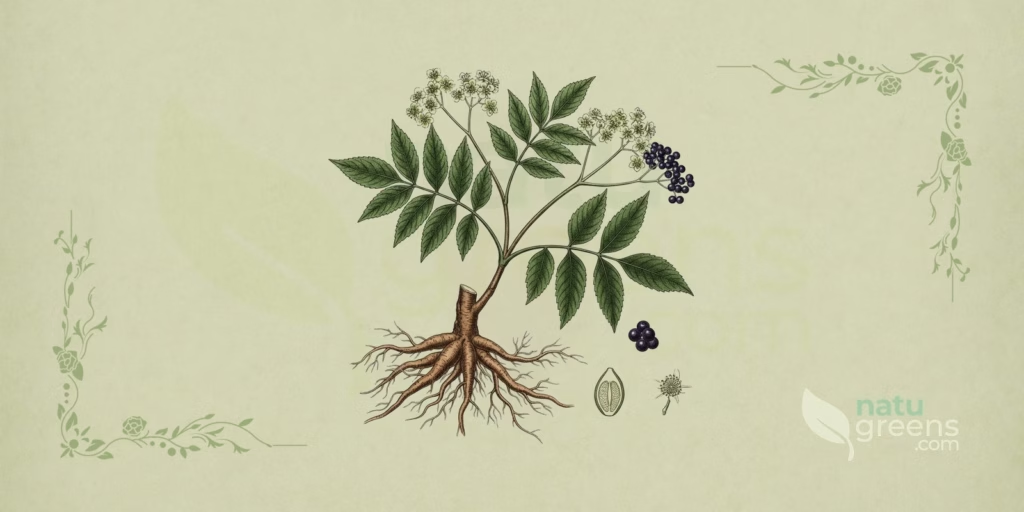
Eriobotrya japonica (Thunb.) Lindl. / Loquat, also known as Japanese medlar or Japanese plum, is a subtropical fruit tree of the Rosaceae family, native to south-central China. Described by Carl Peter Thunberg and later classified by John Lindley, the loquat has been cultivated for more than 2,000 years, not only for its tasty fruits but also for its well-recognized medicinal properties. Its leaves, flowers, and fruits are used in traditional Asian medicine to treat a variety of conditions, from respiratory problems to digestive and inflammatory disorders.
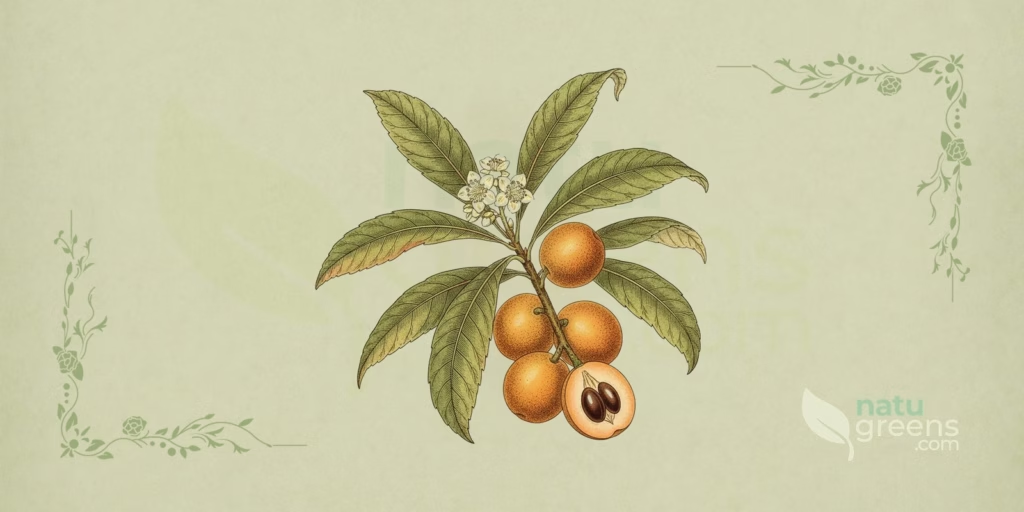
The loquat has attracted growing scientific interest due to its rich phytochemical composition, which includes triterpenoids, flavonoids, phenolic acids, and carotenoids. These bioactive compounds give the plant antioxidant and anti-inflammatory properties, with antidiabetic and antitumor potential under study. The use of loquat in modern phytotherapy validates many of its ethnobotanical uses, consolidating its role as a versatile and promising medicinal plant for human health.
Popular and International Names of Loquat
- English: loquat, Japanese medlar, Japanese plum.
- Spanish: níspero, níspero japonés, ciruela japonesa.
- Portuguese: nêspera, nespereira, ameixa-amarela (BR), ameixinha (BR), ameixa-de-inverno (BR), magnório (PT), manganório (PT), magnólio (PT), biba (Macau).
- French: néflier du Japon, bibacier.
- Italian: nespolo del Giappone, nespola.
- German: Japanische Mispel, Wollmispel.
- Japanese: biwa.
- Chinese (TCM): pi pa (the fruit), pi pa ye (the leaves).
Botanical Synonyms of Loquat
The most common botanical synonyms for Eriobotrya japonica include Mespilus japonica Thunb. and Photinia japonica (Thunb.) Benth. Although the name Eriobotrya japonica is the most widely accepted and used in current botanical taxonomy, understanding its synonyms is important for research and identification in different historical and regional contexts. The species was originally described by Carl Peter Thunberg as Mespilus japonica and later reclassified by John Lindley into the genus Eriobotrya.
Botanical Family: Rosaceae
Eriobotrya japonica belongs to the Rosaceae family, one of the largest and most economically important families of flowering plants, which includes about 5,000 species distributed across about 100 genera. This family is known for including many popular edible fruits, such as apples, pears, peaches, cherries, strawberries, and raspberries. The Rosaceae are characterized by generally pentamerous flowers, with five sepals, five petals, and numerous stamens, and varied fruits, such as pomes, drupes, and achenes.
The loquat shares many botanical characteristics with other species of the Rosaceae family, including floral structure and chemical composition. The presence of phenolic compounds, flavonoids, and triterpenoids is common in many plants of this family, contributing to their medicinal and nutritional properties. The genetic and chemical diversity within the Rosaceae offers a vast field for the investigation of new bioactive compounds and therapeutic applications.
Parts of Loquat Used
The loquat is a plant whose various parts are used for medicinal and culinary purposes. The leaves are the part most commonly used in medicinal preparations, especially in teas and extracts, due to their rich phytochemical profile. The fruits are widely eaten fresh and processed into jellies, preserves, and liqueurs. The seeds, although they require caution due to the presence of cyanogenic glycosides, are also employed in the production of specific liqueurs. The flowers, in turn, find application in perfumery, demonstrating the versatility of this plant.
- Flowers
- Fruits
- Leaves
- Seeds
Ethnobotanical and Traditional Uses of Loquat
The loquat has a long history of use in ethnobotany and traditional medicine, especially in Asia. The leaves are particularly valued in traditional Chinese and Japanese medicine. They are employed to relieve coughs, treat chronic bronchitis, and reduce inflammation. In addition, they are used as a natural expectorant and to assist in the treatment of ulcers and stomach problems. The fruits, rich in nutrients, are eaten to promote general health and well-being. These traditional uses show the cultural importance of the loquat over the centuries, without in themselves proving therapeutic efficacy.
- Anti-inflammatory for respiratory diseases
- Control of diarrhea
- Digestive stimulant
- Diuretic
- Reduction of nausea and vomiting
- Relief of cough and expectoration
- Treatment of chronic bronchitis and asthma
- Treatment of skin problems
Therapeutic Properties of Loquat
The loquat brings together a broad set of properties under investigation, most of them still confined to laboratory and animal studies. Among its most notable actions are its anti-inflammatory properties, which help reduce inflammatory processes in the body. It also has antidiabetic effects, contributing to the control of blood sugar levels. As an antioxidant, it fights free radicals, protecting cells from oxidative stress. It also acts as an antitussive in traditional use, relieving coughs, though no studies demonstrate a bronchodilator effect: people with asthma must not replace their prescribed medication with loquat. Traditional use also credits it with an expectorant action, and preclinical assays further point to hepatoprotective, neuroprotective, antibacterial, and antiviral effects.
- Antibacterial (fights bacteria); traditional use, without established clinical efficacy
- Anticancer (helps prevent cancer)
- Antidiabetic (helps control blood sugar); traditional use, without established clinical efficacy
- Anti-inflammatory (reduces inflammation)
- Antioxidant (fights free radicals)
- Antiviral (fights viruses); traditional use, without established clinical efficacy
- Hepatoprotective (protects the liver); traditional use, without established clinical efficacy
- Hypoglycemic (lowers blood sugar); traditional use, without established clinical efficacy
- Immunomodulatory (modulates the immune system); traditional use, without established clinical efficacy
- Nephroprotective (protects the kidneys)
- Neuroprotective (protects the nervous system); traditional use, without established clinical efficacy
Detailed Phytochemical Profile of Loquat
The phytochemical profile of Eriobotrya japonica is complex and diverse, forming the basis of its wide-ranging therapeutic properties. The plant is rich in triterpenes, including ursolic acid, corosolic acid, oleanolic acid, maslinic acid, and tormentic acid, which are known for their anti-inflammatory and antidiabetic activities. Flavonoids such as quercetin, kaempferol, apigenin, and luteolin contribute to its antioxidant actions.
Other important compounds include sesquiterpene glycosides, megastigmane derivatives, phenylpropanoids, and organic acids. Polyphenols such as 3-caffeoylquinic acid (3-CQA) and 5-caffeoylquinic acid (5-CQA) are also present. It is important to note the presence of cyanogenic glycosides, such as amygdalin, especially in the seeds and young leaves, which require caution in consumption.
- Carotenoids (beta-carotene, cryptoxanthin)
- Flavonoids (quercetin, rutin, apigenin, naringenin, epicatechin)
- Phenolic acids (chlorogenic acid, caffeic acid)
- Polysaccharides
- Proanthocyanidins (procyanidin C1)
- Saponins
- Tannins
- Triterpenoids (ursolic acid, oleanolic acid, maslinic acid)
- Vitamins (A, C, B6)
Preparation and Administration Forms of Loquat
The loquat can be prepared and administered in several ways, depending on the part of the plant used and the therapeutic goal. Decoction of the leaves is a common way of preparing medicinal teas, taking advantage of their expectorant and anti-inflammatory properties. Leaf extracts are also used in more concentrated formulations. The fruits are versatile and can be turned into jellies, preserves, and syrups, in addition to being eaten fresh. Liqueurs are made from the fruits; use of the seeds, which contain cyanogenic glycosides, is restricted to controlled industrial processes and should not be reproduced at home. The choice of preparation should take into account both safety and the desired effectiveness.
- Dry extract
- Fluid extract
- Fresh fruit
- Juice
- Tea (infusion/decoction of the leaves)
- Tincture
Synergy with Other Medicinal Plants
The loquat shows significant potential for synergy with other medicinal plants, optimizing therapeutic results in various conditions. Combining different herbs can amplify beneficial effects and provide a more holistic approach to health. This practice is common in traditional medicine systems, where the interaction between the bioactive compounds of several plants is explored to create more potent and balanced formulations. Below, we explore some suggested combinations for the loquat.
Antioxidant Support
Combining loquat with other antioxidant-rich fruits, such as açaí berries (Euterpe oleracea) or pomegranate (Punica granatum), can create a powerful synergy against oxidative stress. The flavonoids and carotenoids of the loquat complement the antioxidants of these fruits, offering reinforced cellular protection against free radical damage and contributing to overall health and anti-aging.
Glycemic Control
For support in blood sugar control, the loquat can be paired with plants such as cinnamon (Cinnamomum verum) and gymnema (Gymnema sylvestre). The loquat contributes its hypoglycemic compounds, while cinnamon improves insulin sensitivity and gymnema reduces glucose absorption. This combination can be useful as an adjuvant in diabetes management programs, always under professional guidance.
Respiratory Health
The loquat can be combined with plants such as ginger (Zingiber officinale) and eucalyptus (Eucalyptus globulus) to enhance expectorant and anti-inflammatory effects. This synergy is beneficial in the treatment of coughs, bronchitis, and other respiratory conditions, helping to relieve congestion and promote the elimination of mucus. The active compounds of the loquat, such as triterpenoids, work together with the essential oils of these plants for a more comprehensive effect.
Recipes and Usage Protocols of Loquat
The loquat offers several preparation and usage options, from simple teas to more elaborate syrups, allowing its benefits to be incorporated into the daily routine. It is essential to follow the preparation and dosage instructions to ensure safety and effectiveness. The recipes presented below are examples of how the loquat can be used to promote health and well-being, taking advantage of its medicinal and nutritional properties. Creativity in the kitchen and in phytotherapy can further expand the possibilities of using this plant.
Loquat Compote for Intestinal Health
Ingredients: 500 g of ripe loquats, 100 g of sugar (or sweetener to taste), juice of 1 lemon.
Preparation: Wash, peel, and pit the loquats. Cut the pulp into pieces and place it in a pan with the sugar and lemon juice. Cook over low heat, stirring occasionally, until the loquats are soft and the compote reaches the desired consistency (about 20 to 30 minutes). Store in sterilized jars. Consume one portion daily to promote intestinal regularity and provide dietary fiber.
Loquat Flower Infusion for Digestion
Ingredients: 1 tablespoon of dried loquat flowers, 250 ml of boiling water.
Preparation: Place the flowers in a cup and add the boiling water. Cover and let steep for 10 minutes. Strain and drink after meals. This infusion is useful for stimulating digestion, relieving nausea, and reducing gastrointestinal discomfort. The flowers contain flavonoids that contribute to these properties.
Loquat Leaf Tea for Cough
Ingredients: 10 to 15 dried loquat leaves, 500 ml of water.
Preparation: Wash the leaves well, brush off the hairs (trichomes) from the underside, which irritate the throat, and place them in a pan with the water. Bring to a boil and let simmer for 15 to 20 minutes. Strain and drink warm. You can add honey and lemon to taste. Drink up to 2 or 3 cups a day, for short stretches of a few days; pregnant and breastfeeding women and children should avoid the leaf tea, which contains small amounts of cyanogenic glycosides. Loquat leaves are rich in triterpenoids with expectorant and anti-inflammatory properties.
Loquat Leaf Tincture
Ingredients: 50 g of chopped dried loquat leaves, 250 ml of 70% grain alcohol.
Preparation: Place the leaves in a dark glass jar and cover with the alcohol. Seal tightly and let macerate for 2 to 4 weeks in a cool, dark place, shaking daily. Strain and store the tincture. Take 20 to 30 drops diluted in water, 2 to 3 times a day, for anti-inflammatory and antioxidant support. This concentrated form is effective for taking advantage of the phytochemicals in the leaves.
Loquat Syrup for Immunity
Ingredients: 1 kg of ripe loquats, 500 g of brown sugar, 500 ml of water, juice of 1 lemon.
Preparation: Wash the loquats, remove the seeds and peel. Cut the pulp into pieces. In a pan, combine the pulp, the sugar, and the water. Cook over low heat, stirring occasionally, until a syrupy consistency is reached (about 30 to 40 minutes). Add the lemon juice in the last 5 minutes. Strain the mixture if you prefer a smoother syrup, and store it in a sterilized jar. Take 1 tablespoon up to twice a day as a flavored syrup to soothe a cough; because it is high in sugar, it is not suitable for people with diabetes or anyone monitoring their blood sugar.
Associated Therapies
The loquat is not limited to traditional use; it is also integrated into various associated therapies that explore its properties in a more structured and scientific way. Its application in different therapeutic approaches demonstrates the versatility and recognition of its benefits. From clinical phytotherapy, which standardizes extracts for more precise use, to traditional Chinese medicine, which incorporates it into complex herbal formulations, the loquat plays an important role. These therapies complement each other, offering a broad spectrum of options for treating various health conditions.
Aromatherapy
There is no loquat essential oil with a characterized composition or genuine commercial availability, so aromatherapy with the species has no practical basis. The triterpenoids and flavonoids studied in the leaves are not volatile compounds, which makes diffuser use unfeasible; for respiratory support, aromatherapy turns to species with a well documented essential oil.
Clinical Phytotherapy
In clinical phytotherapy, loquat leaf extracts standardized to corosolic acid are being studied as adjuncts in insulin resistance and inflammation, without replacing prescribed treatment. The doses under evaluation vary with the concentration of active compounds in each extract. The loquat is often incorporated into complex herbal formulations to optimize therapeutic results. Prescription and follow-up should be carried out by a qualified healthcare professional to ensure the safety and effectiveness of the treatment.
Homeopathy
The loquat does not appear in the standard homeopathic materia medica, and no established homeopathic preparation is described from Eriobotrya japonica. The uses occasionally attributed to the plant in this field are not backed by clinical studies demonstrating efficacy. The uses described in this article refer to the food and to phytotherapy, not to homeopathic preparations.
Traditional Chinese Medicine (TCM)
In TCM, loquat leaves (known as pi pa ye) are valued for their properties of clearing lung heat, relieving cough, and transforming phlegm. They are used to treat coughs with yellow expectoration, bronchitis, and other respiratory conditions. The fruit (pi pa guo) is considered nourishing and refreshing. The loquat is often combined with other herbs in traditional formulas to balance the body and restore health, following the principles of TCM.
Contraindications and Side Effects of Loquat
Common Side Effects
The side effects of the loquat are rare and generally mild. In some cases, excessive consumption of the fruits can cause gastrointestinal discomfort, such as bloating or diarrhea, due to their fiber content. Loquat seeds contain small amounts of cyanogenic glycosides, which can be toxic if ingested in large quantities. For this reason, the seeds should not be eaten. Allergic reactions, although rare, can occur and manifest as skin rashes or itching in sensitive individuals.
Drug Interactions
Due to its hypoglycemic properties, the loquat can potentiate the effects of antidiabetic medications, leading to hypoglycemia. Diabetic patients using insulin or other oral hypoglycemic agents should carefully monitor their blood sugar levels when consuming loquat in therapeutic doses. In addition, preliminary data suggest a possible anticoagulant effect of loquat, which can increase the risk of bleeding in individuals taking anticoagulant medications such as warfarin. Caution and medical consultation are recommended in these cases.
General Contraindications
The loquat is generally considered safe when consumed in food quantities. However, the consumption of concentrated extracts or teas in high doses may present contraindications. Individuals with a known allergy to plants of the Rosaceae family should be cautious. Pregnant and breastfeeding women should consult a healthcare professional before using medicinal loquat preparations, due to the lack of conclusive studies on their safety in these groups. People with pre-existing medical conditions, especially diabetes or coagulation disorders, should use the loquat in moderation and under medical supervision, due to its hypoglycemic effects and potential interactions with medications.
Historical Notes and Interesting Facts about the Loquat
The history of the loquat is rich and fascinating, interweaving with the culture and botany of several civilizations. From its origin in the mountains of China to its global spread, the plant has accumulated a legacy of uses and meanings. These curiosities and historical facts not only enrich our knowledge of Eriobotrya japonica but also highlight its importance over time, both as a source of food and medicine and as a cultural element. Exploring these aspects offers a deeper perspective on this remarkable fruit tree.
Cultural Symbolism
In Chinese culture, the loquat is a symbol of gold and wealth due to its golden color. It is often used in ornamental arrangements and celebrations to symbolize auspicious wishes and the Five Prosperities. The fruit is also mentioned in several works of medieval Chinese literature, including poems by Li Bai, one of the greatest poets of the Tang Dynasty. This cultural symbolism highlights the importance of the loquat not only as food and medicine but also as a significant element in art and tradition.
Origin and Dissemination
The loquat, despite the name japonica, is native to the mountainous regions of south-central China. It was introduced to Japan more than a thousand years ago, where it became widely cultivated and appreciated. From Japan, the plant was taken to other parts of the world, including Europe, in the 18th century. Its ability to adapt to different climates, from subtropical to mild temperate, contributed to its global spread. The loquat is a testament to the ancient cultural and botanical exchange between East and West.
Varieties and Cultivation
There are several varieties of loquat, with differences in the size, color, and flavor of the fruits. The red-fleshed and white-fleshed varieties are the most common, each with distinct nutritional and sensory characteristics. The loquat is an easy tree to grow, preferring well-drained soils and full sun exposure, and it is relatively resistant to pests and diseases.
Frequently Asked Questions about Loquat
To clarify common questions and provide additional information about the loquat, we have compiled a series of frequently asked questions. These questions range from the safety of consuming its parts to its medicinal and culinary applications. The goal is to offer a practical, accessible guide for those who want to get to know this versatile plant better. The answers are based on scientific and ethnobotanical knowledge, aiming to promote informed and conscious use of Eriobotrya japonica.
Are Loquat Seeds Edible?
Loquat seeds are not recommended for consumption due to the presence of cyanogenic glycosides, such as amygdalin, which can be toxic in large quantities. Although their bitter taste usually prevents excessive ingestion, it is safer to discard them. Homemade seed liqueurs are not recommended; commercial products follow controlled processes to reduce toxicity.
What Is the Best Way to Consume Loquat?
The loquat is best eaten fresh, straight from the tree, when it is soft and orange. It can also be used in jellies, preserves, pies, juices, and smoothies. The leaves are often prepared as a tea or extract for medicinal purposes. The versatility of the fruit allows many forms of consumption, adapting to different preferences and needs.
Does the Loquat Help Control Diabetes?
Preliminary studies indicate that loquat leaves contain corosolic acid, which has hypoglycemic properties and can help control blood sugar levels. Loquat leaf extracts are used in traditional medicine for this purpose. However, it is essential that people with diabetes consult a healthcare professional before incorporating the loquat into their treatment, to avoid interactions and ensure the correct dosage.
Can the Loquat Be Used During Pregnancy?
Due to the presence of cyanogenic glycosides in the seeds and young leaves, and the lack of conclusive studies on safety in pregnant women, it is advisable for women who are pregnant or breastfeeding to avoid consuming extracts or large quantities of loquat leaves. Occasional consumption of ripe fruits is generally considered safe, but medical consultation is always recommended.
Notice: this content is for informational purposes and does not replace professional medical advice. Consult a physician or herbal practitioner before using medicinal plants, especially during pregnancy, breastfeeding, or alongside medication.
References and Scientific Studies
View All 16 Cited References
Peer-Reviewed Scientific Studies (8)
- PMC2016 Liu, Y., Zhang, W., Xu, C., & Li, X. “Biological Activities of Extracts from Loquat (Eriobotrya japonica Lindl.): A Review.” International Journal of Molecular Sciences. 2016. ↗.
- PMC2022 Zhu, X., Wang, L., Zhao, T., & Jiang, Q. “Traditional uses, phytochemistry, pharmacology, and toxicity of Eriobotrya japonica leaves: A summary.” Journal of Ethnopharmacology. 2022. ↗.
- PEER2025 Syahputra, R. A., et al. “Eriobotrya japonica a review: Phytochemical constituents, pharmacological activities, and potential applications.” Journal of Ethnopharmacology. 2025. ↗.
- PMC2022 Bisso, B. N., et al. “Phytochemical Analysis and Antifungal Potentiating Activity of Eriobotrya japonica (Thunb.) Lindl. Leaves.” Molecules. 2022. ↗.
- PMC2015 Maher, K., et al. “Anti-inflammatory and antioxidant properties of Eriobotrya japonica (Thunb.) Lindl. leaves.” Journal of Ethnopharmacology. 2015. ↗.
- PEER2014 Goulas, V., et al. “Phytochemical content, antioxidants and cell wall metabolism of two loquat (Eriobotrya japonica) cultivars under different storage regimes.” Food Chemistry. 2014. ↗.
- PEER2021 Zhang, L., et al. “UHPLC-QTOF-MS based metabolomics and biological activities of different parts of Eriobotrya japonica.” Food Research International. 2021. ↗.
- PEER2022 Dhiman, A., et al. “Current Status of Loquat (Eriobotrya Japonica Lindl.): Bioactive Functions, Preservation Approaches, and Processed Products.” Food Reviews International. 2022. ↗.
Institutional Sources (3)
- GOV USDA Plants Database. “Eriobotrya japonica (Thunb.) Lindl.” USDA Plants Database. ↗.
- GOV North Carolina State University Extension. “Eriobotrya japonica (Japanese Medlar, Japanese Plum, Loquat).” NCSU Extension. ↗.
- GOV UF/IFAS EDIS. “ENH394/ST235: Eriobotrya japonica: Loquat.” UF/IFAS EDIS. ↗.
Supplementary Readings (5)
- 2025 El Aouni, N., et al. “Eriobotrya japonica (Thunb.) Lindl.: Ethnomedicinal uses, phytochemical contents and pharmacological properties: A Review.” Ethnobotany Research and Applications. 2025. ↗.
- 2024 Infante-Rodríguez, D. A., et al. “Phytochemical composition of Eriobotrya japonica (Thunb.) Lindl. fruit and leaves from Mexico.” Revista Mexicana de Ciencias Forestales. 2024. ↗.
- 2020 Mogole, L., et al. “Phytochemical screening, anti-oxidant activity and alpha-amylase inhibition study using different extracts of loquat (Eriobotrya japonica) leaves.” Heliyon. 2020. ↗.
- Missouri Botanical Garden. “Eriobotrya japonica – Plant Finder.” Missouri Botanical Garden. ↗.
- 2020 Simão-Bianchini, R. “Eriobotrya.” Flora e Funga do Brasil. 2020. ↗.