Jasminum grandiflorum L. / Spanish Jasmine, also known as royal jasmine or Catalan jasmine, is a species of jasmine widely valued for its intensely fragrant flowers. Native to South Asia, the Arabian Peninsula, East and Northeast Africa, and the Yunnan and Sichuan regions of China, this plant has adapted to a wide range of climates and is cultivated worldwide for its ornamental and medicinal qualities. Since antiquity, its flowers have been used in personal adornments, religious ceremonies, and as a source of essential oils. The rich history of Jasminum grandiflorum reflects its cultural and therapeutic importance across many civilizations.
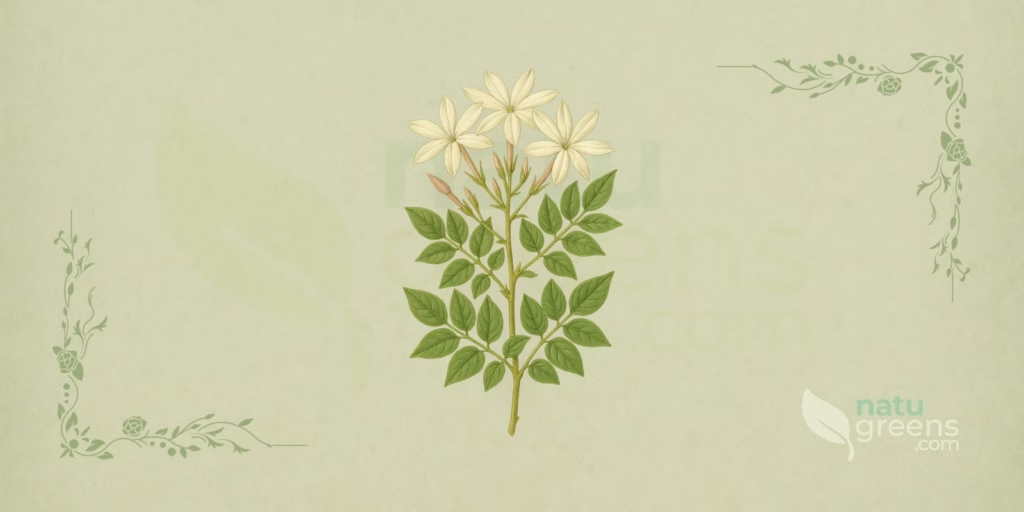
The versatility of Spanish jasmine extends to traditional medicine, where its different parts are used to treat a wide range of ailments. Modern scientific research has begun to validate many of these ancestral uses, identifying the active phytochemical compounds responsible for its therapeutic properties. This plant, with its unmistakable beauty and fragrance, remains an object of study and appreciation, securing its place both in gardening and in contemporary phytotherapy.
Popular and International Names of Spanish Jasmine
- English: Catalan jasmine, royal jasmine, Sicilian jasmine, Spanish jasmine.
- Spanish: jazmín de España, jazmín oloroso, jazmín real, jazmín del país.
- Portuguese: jasmim-da-espanha (PT), jasmim-espanhol (BR), jasmim-italiano, jasmim-real.
- French: jasmin d’Espagne, jasmin royal.
- Italian: gelsomino di Spagna, gelsomino reale.
- German: Großblütiger Jasmin, Spanischer Jasmin.
- Sanskrit (Ayurveda): jati, jatika.
- Chinese (TCM): su xin hua (the flowers).
Botanical Synonyms of Spanish Jasmine
The accepted botanical name for this species is Jasminum grandiflorum L. However, it is worth noting that this species is sometimes treated as a form of Jasminum officinale L., especially in older or regional contexts. This botanical synonymy reflects the complexity of plant classification and the evolution of taxonomic knowledge over time. Other, less common synonyms can be found in specialized literature, but Jasminum grandiflorum L. remains the standard designation for most botanical authorities. It is also worth recording that the common names poet’s jasmine and jasmim-dos-poetas, sometimes applied to this plant, in fact belong to Jasminum officinale L.
Botanical Family: Oleaceae
Jasminum grandiflorum belongs to the Oleaceae family, which comprises about 24 genera and approximately 600 species of trees, shrubs, and lianas, distributed mainly in temperate and tropical regions. This family is known for including plants of great economic and ornamental importance, such as the olive tree (Olea europaea), the ash tree (Fraxinus spp.), and other jasmine species. Plants of the Oleaceae family are often characterized by opposite leaves, flowers with four fused petals, and fruits of the berry, drupe, capsule, or samara type, as in the ash tree.
The Oleaceae family is also recognized for the production of various secondary compounds, including iridoids, flavonoids, and essential oils, which contribute to the medicinal and aromatic properties of many of its species. The presence of Jasminum grandiflorum in this family underscores its botanical relevance and its potential for therapeutic applications and the fragrance industry, sharing phytochemical characteristics with other notable members of the family.
Parts of Spanish Jasmine Used
- Buds
- Flowers
- Leaves
- Roots
Ethnobotanical and Traditional Uses of Spanish Jasmine
- Relief of headaches
- Relief of toothaches
- Traditional cleansing of ulcers and wounds (an ethnobotanical record; the preparation sterilizes nothing, and an infected wound or an ulcer that will not heal needs assessment by a health professional)
- Treatment of alopecia
- Treatment of dermatosis
- Treatment of gingivitis
- Treatment of leprosy (a historical record from the Indian literature, with no demonstrated efficacy; leprosy is curable only with the multidrug therapy provided by public health services, and a delayed diagnosis leaves permanent damage)
- Treatment of mouth ulcers
- Treatment of nasal hemorrhage
- Treatment of rhinorrhea
- Treatment of skin diseases
- Treatment of throat problems (cough, hoarseness)
- Treatment of urinary retention and kidney stones
Therapeutic Properties of Spanish Jasmine
- Analgesic (relieves pain)
- Anti-inflammatory (reduces inflammation)
- Antimicrobial (fights microorganisms); traditional use, without established clinical efficacy
- Antioxidant (fights free radicals)
- Antiseptic (prevents infections); traditional use, without established clinical efficacy
- Antispasmodic (relieves spasms)
- Antiulcer (helps heal ulcers)
- Aphrodisiac (stimulates sexual desire); traditional record, without established clinical efficacy
- Diuretic (increases urine production)
- Emmenagogue (stimulates menstrual flow); traditional record, without established clinical efficacy
- Muscle relaxant (relieves muscle tension)
- Neuroprotective (protects the nervous system); traditional use, without established clinical efficacy
Detailed Phytochemical Profile of Spanish Jasmine
- Alkaloids
- Benzyl acetate
- Benzyl benzoate
- Eugenol
- Flavonoids
- Geranyl linalool
- Isophytol
- Linalool
- Methyl jasmonate
- Methyl linoleate
- Phenolic acids
- Phenolic compounds
- Phytol
Preparation and Administration Forms of Spanish Jasmine
- Compresses
- Essential oil
- Infused oil
- Syrup
- Tea (infusion)
- Topical paste
Synergy with Other Medicinal Plants
For Aphrodisiac Properties
Spanish jasmine is known for its aphrodisiac qualities. It can be synergistically combined with other essential oils that have similar properties, such as ylang-ylang (Cananga odorata) or sandalwood (Santalum album), to create blends that stimulate the senses and promote intimacy. These combinations are popular in massage oils or diffusers to create a romantic atmosphere.
For Relaxation and Anxiety
Spanish jasmine essential oil can be combined with lavender (Lavandula angustifolia) and bergamot (Citrus bergamia) to enhance calming and anxiolytic effects. The synergy between the aromatic components of these plants creates an environment conducive to relaxation, helping to relieve stress and promote restful sleep. This combination is often used in aromatherapy diffusers or in diluted massage oils.
Other Aromatic Combinations
Spanish jasmine essential oil blends well with a variety of other oils, including frankincense (Boswellia carterii), geranium (Pelargonium graveolens), lemongrass (Cymbopogon citratus), patchouli (Pogostemon cablin), rose (Rosa damascena), rosemary (Rosmarinus officinalis), sweet orange (Citrus sinensis), and vetiver (Chrysopogon zizanioides). These combinations can be explored to create personalized perfumes, body care products, or specific therapeutic blends, taking advantage of the complexity and richness of the jasmine aroma.
Recipes and Usage Protocols of Spanish Jasmine
Calming Spanish Jasmine Tea
Ingredients: 1 teaspoon of dried Jasminum grandiflorum flowers, 200 ml of boiling water.
Preparation: Place the flowers in a cup and add the boiling water. Cover and let steep for 3 to 5 minutes. Strain and drink. This tea is ideal for promoting relaxation, relieving stress, and improving sleep quality. It can be consumed in the evening or in moments of tension.
Infused Spanish Jasmine Oil for Massage
Ingredients: Fresh or dried Jasminum grandiflorum flowers, a vegetable oil of your choice (e.g., jojoba, sweet almond).
Preparation: Fill a clean glass jar with the jasmine flowers. Cover the flowers completely with the vegetable oil. Seal the jar tightly and let it macerate in a cool, dark place for 2 to 4 weeks, shaking daily. Strain out the flowers and store the infused oil in a dark bottle. Use it for relaxing massages or as a nourishing body oil.
Revitalizing Facial Steam with Spanish Jasmine
Ingredients: 3 tablespoons of dried Jasminum grandiflorum flowers, 1 liter of boiling water.
Preparation: Place the flowers in a large bowl and add the boiling water. Lean your face over the bowl, keeping a safe distance, and cover your head with a towel to retain the steam. Remain for 10 to 15 minutes, breathing deeply. This treatment helps cleanse the pores, revitalize the skin, and provides a relaxing effect thanks to the jasmine aroma.
Associated Therapies
Aromatherapy
Spanish jasmine essential oil is one of the most valued in aromatherapy. Its rich, complex fragrance is used to encourage relaxation and emotional comfort during stress, tension, and difficulty sleeping; aromatherapy is a well-being practice, and it neither treats depression nor replaces mental health care. In the aromatherapy tradition, jasmine is regarded as an aphrodisiac and a lifter of mood. Inhaling the oil, whether through diffusers, personal inhalers, or diluted topical application, promotes emotional and mental well-being. In massages, it helps relax tense muscles and relieve pain.
Ayurveda
In Ayurvedic medicine, Jasminum grandiflorum is known as jati and is widely used for its medicinal properties. It is employed in the treatment of wounds, skin diseases, mouth ulcers, and gingivitis, often in the form of pastes or oils. Its anti-inflammatory and antiseptic properties are valued for promoting healing and fighting infections. It is also used to relieve headaches and other inflammatory conditions.
Phytotherapy
Modern phytotherapy recognizes the therapeutic potential of Spanish jasmine, especially due to its rich phytochemical composition. The available studies investigate extracts of the flowers and leaves for antioxidant and anti-inflammatory activity, but no standardized extract with an established indication exists, and the commercial use of the species remains concentrated in perfumery. Ongoing research seeks to isolate and better understand the mechanisms of action of active compounds, such as benzyl acetate and linalool, in order to develop new phytopharmaceuticals.
Contraindications and Side Effects of Spanish Jasmine
General Contraindications
Spanish jasmine is contraindicated for individuals with a known allergy to plants of the Oleaceae family or to any of its components. Allergic reactions can manifest as contact dermatitis, hives, or, in rarer cases, systemic reactions. It is crucial to perform a patch test on a small area of skin before using essential oils or extracts topically.
Potential Side Effects
Although generally well tolerated, excessive use or individual sensitivity can lead to side effects. Prolonged inhalation of high concentrations of the essential oil can cause headaches, nausea, or dizziness in some people. Topical application of undiluted essential oils can cause skin irritation or allergic reactions. It is essential to follow recommended dosages and dilution guidelines for essential oils.
Pregnancy and Breastfeeding
Due to the lack of conclusive studies on the safety of Jasminum grandiflorum during pregnancy and breastfeeding, its use is generally discouraged. In high doses, the plant may have a potential emmenagogue effect, which can stimulate uterine contractions. Pregnant or breastfeeding women should always consult a healthcare professional before using any jasmine-based product. It is worth knowing that, in the Indian tradition, jasmine flowers are applied precisely to reduce milk production at weaning, an effect with experimental support: breastfeeding women who do not want that outcome should avoid use.
Historical Notes and Interesting Facts about Spanish Jasmine
Cultural and Historical Uses
Throughout history, Spanish jasmine flowers have been used well beyond their medicinal and aromatic properties. In many cultures, they were employed in personal adornments, such as garlands and floral arrangements, and played a significant role in religious ceremonies and festivities. The practice of scattering jasmine flowers at banquets and adding them to baths dates back to antiquity, evidencing the long tradition of using this plant to promote well-being and celebration. Chinese jasmine tea, made from green tea scented with fresh blossoms, generally uses Jasminum sambac; the flowers of Spanish jasmine appear in home infusions and in perfumery.
The King of Flowers in Perfumery
Known as the “King of Flowers” in perfumery, Spanish jasmine is one of the most expensive and prized ingredients in the fragrance industry. Its introduction to Europe in the 16th century revolutionized perfumery, and since then its essential oil has been an essential component of many luxury perfumes. The complexity of its aroma, which combines floral, sweet, and slightly fruity notes, makes it incomparable and highly desired by perfumers worldwide. Extracting the oil is a delicate and labor-intensive process, which contributes to its high value. Commercial jasmine is, strictly speaking, an absolute obtained with solvents rather than a steam-distilled essential oil, and it ranks among the most adulterated aromatic materials on the market: prefer suppliers that declare origin and extraction method.
The Origin of the Name and Symbolism
The name Jasminum comes from the Persian “yasmin”, the name the plant itself carried in that language, which tradition usually renders as “gift from God”. The epithet grandiflorum, from Latin, means “large flowers”, highlighting one of the most striking characteristics of this species. In several cultures, Spanish jasmine carries deep symbolism. In India, its flowers represent divine hope and are often used in wedding ceremonies; the symbolic roles in Indonesia, where jasmine is the national flower, and in Hawaiian garlands belong to a sister species, Jasminum sambac.
Frequently Asked Questions about Spanish Jasmine
What Is Jasminum grandiflorum?
Jasminum grandiflorum, popularly known as Spanish jasmine or royal jasmine, is a species of jasmine native to regions of Asia and Africa. It is widely cultivated for its large, extremely fragrant flowers, which are used for ornamental and medicinal purposes as well as in the perfume industry.
What Are the Main Uses of Spanish Jasmine?
The main uses of Spanish jasmine include traditional medicine, where it is employed to treat wounds, skin diseases, mouth ulcers, headaches, and other conditions. In aromatherapy, it is valued for its relaxing, anxiolytic, and aphrodisiac properties. It is also a key ingredient in the perfume and cosmetics industry thanks to its intoxicating aroma.
Does Spanish Jasmine Have Contraindications?
Yes, Spanish jasmine has contraindications. It is not recommended for individuals with an allergy to plants of the Oleaceae family or to any of its components. Its use is also generally avoided during pregnancy and breastfeeding due to the lack of safety studies and its potential emmenagogue effect. Topical application of the undiluted essential oil can cause skin irritation.
How Can I Use Spanish Jasmine at Home?
At home, Spanish jasmine can be used in several ways. The dried flowers can be prepared as a tea (infusion) to promote relaxation and relieve stress. The essential oil, always diluted in a carrier vegetable oil, can be used in diffusers for aromatherapy or in massages. It is also possible to make infused oils with the flowers for topical use.
Which Part of the Plant Is Most Important for Medicinal Use?
The flowers are considered the most important and most used parts of Spanish jasmine for medicinal and aromatic purposes. They are the source of the essential oils and are used in infusions and topical preparations. The leaves and roots also have traditional uses, but the flowers are the main focus due to their richness in bioactive compounds and fragrance.
Notice: this content is for informational purposes and does not replace professional medical advice. Consult a physician or herbal practitioner before using medicinal plants, especially during pregnancy, breastfeeding, or alongside medication.
References and Scientific Studies
Institutional Sources (1)
- GOV “Jasminum grandiflorum”. Germplasm Resources Information Network. Agricultural Research Service, United States Department of Agriculture. Retrieved from ↗
Supplementary Readings (5)
- “Jasminum grandiflorum”. Plants of the World Online. Royal Botanic Gardens, Kew. Retrieved from ↗
- 2004 Khare, C.P. (2004). Indian Herbal Remedies. Springer, Berlin, Heidelberg.
- 2007 Jirovetz, L., Buchbauer, G., Schweiger, T., Denkova, Z., Slavchev, A., Stoyanova, A., Schmidt, E., & Geissler, M. (2007). Chemical Composition, Olfactory Evaluation and Antimicrobial Activities of Jasminum grandiflorum L. Absolute from India. Natural Product Communications, 2(4), 1934578X0700200411.
- 1962 Demole, E. (1962). Isolement et détermination de la structure du jasmonate de méthyle, constituant odorant caractéristique de l’essence de jasmin. Helvetica Chimica Acta, 45(2), 675-685.
- 2018 Rahman, M.S., Mouri, N., Nandi, N., Akter, S., & Khan, M.S. (2018). In vitro micropropagation of Jasminum grandiflorum L. Bangladesh Journal of Scientific and Industrial Research, 53(4), 277-282.