Abronia fragrans Nutt. ex Hook. / Sweet Sand-Verbena, popularly known as sweet sand-verbena, prairie snowball, or fragrant verbena, is a perennial herbaceous plant of the Nyctaginaceae family. Despite the common name, it is not a true verbena, since verbenas belong to the family Verbenaceae. Described by Thomas Nuttall in 1834 and by Hooker in 1853, this species is native to the Great Plains and the southwestern United States, reaching into northern Mexico. Abronia fragrans is valued for its white, fragrant flowers, which open at dusk and close in the morning, a distinctive characteristic of its botanical family. It has been used for centuries by the indigenous peoples of North America for various medicinal and food purposes.
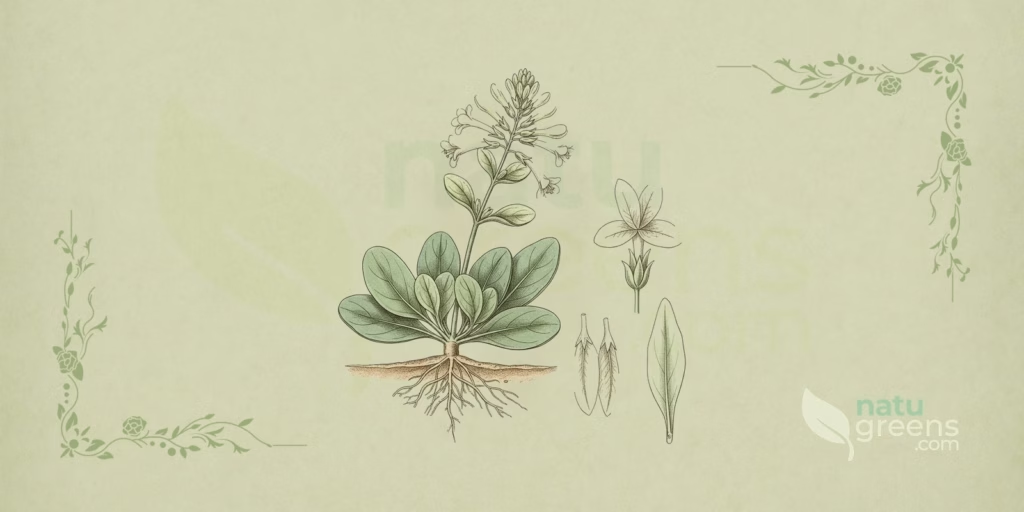
In the ethnobotanical tradition, Abronia fragrans holds a prominent place as a remedy for gastrointestinal disorders and skin problems. Its roots and flowers are the most commonly employed parts. Modern research is beginning to explore the bioactive compounds responsible for its properties. However, the plant still lacks in-depth clinical studies that fully validate its traditional uses. Abronia fragrans is also appreciated in ornamental gardens for its beauty and its evening fragrance, attracting hawk moths and contributing to local biodiversity.
Popular and International Names of Sweet Sand-Verbena
- English: fragrant verbena, heart’s-delight, prairie snowball, snowball sand-verbena, sweet sand-verbena.
- Spanish: verbena de arena dulce, verbena de bola de nieve.
- Portuguese: verbena-da-areia-doce, verbena-bola-de-neve, verbena-perfumada.
- French: verveine des sables odorante.
- Italian: verbena odorosa delle sabbie.
- German: duftende Sand-Verbene.
Botanical Synonyms of Sweet Sand-Verbena
The accepted botanical name is Abronia fragrans Nutt. ex Hook. However, there are synonyms and varieties that have been described over time, reflecting the taxonomic complexity of the species. Some authors consider Abronia elliptica a separate species, while others see it as a synonym or variety of Abronia fragrans. The distinction is based on characteristics such as fruit shape, hairiness, and the presence of rhizomes.
Abronia carletonii J.M.Coult. & Fisher, Abronia elliptica A.Nelson, Abronia fendleri Standl., Abronia fragrans var. glaucescens (A.Nelson) M.E.Jones, Abronia glaucescens (A.Nelson) Standl.
Botanical Family: Nyctaginaceae
Abronia fragrans belongs to the Nyctaginaceae family, known as the four o’clock family. This family comprises about 30 genera and 400 species, distributed mainly in tropical and subtropical regions. Plants of the Nyctaginaceae family are characterized by flowers that frequently open in the late afternoon or at night, as is the case with Abronia fragrans. Many members of this family are ornamental, while others have medicinal and ethnobotanical uses.
Parts of Sweet Sand-Verbena Used
- Flowers
- Roots
Ethnobotanical and Traditional Uses of Sweet Sand-Verbena
- Appetite stimulant
- Lotion for wounds or sore mouth
- Relief of stomach aches
- Treatment of boils
- Treatment of stomach and bowel problems
- Used as a cathartic
- Used as a diaphoretic
- Used as an emetic
- Used to avoid greed (Keres)
- Used to bathe sweaty feet
- Used to gain weight (Keres-speaking pueblos of Acoma and Laguna)
- Wash for wounds and insect bites
Therapeutic Properties of Sweet Sand-Verbena
Abronia fragrans is recognized for its traditional medicinal properties, although modern scientific research is still in its early stages when it comes to fully validating and elucidating its mechanisms of action. The ethnobotanical uses suggest a range of biological activities that deserve further investigation. The plant is traditionally employed as a purifying and calming agent for the digestive system, in addition to being used topically for skin conditions.
- Anti-inflammatory (activity inferred from the Nyctaginaceae family, not confirmed in this species)
- Antimicrobial (activity inferred from the Nyctaginaceae family, not confirmed in this species)
- Antioxidant (activity inferred from the Nyctaginaceae family, not confirmed in this species)
- Cathartic (promotes bowel evacuation)
- Diaphoretic (induces perspiration)
- Emetic (induces vomiting)
Detailed Phytochemical Profile of Sweet Sand-Verbena
The phytochemical profile of Abronia fragrans is not extensively documented in the current scientific literature, especially in comparison with other, more studied medicinal plants. However, the Nyctaginaceae family is known to produce a variety of bioactive compounds, including betacyanins, flavonoids, and rotenoids. For Abronia fragrans itself, that composition has not been analytically confirmed: it remains an assumption derived solely from botanical kinship. Preliminary studies on other Abronia species and on the Nyctaginaceae family indicate the presence of phytochemicals with antioxidant and anti-inflammatory potential.
- Betacyanins (potentially present in the family)
- Flavonoids (potentially present in the family)
- Rotenoids (potentially present in the family)
Preparation and Administration Forms of Sweet Sand-Verbena
- Infusion (cold, for topical use)
- Powder (ground roots mixed with cornmeal)
- Topical wash
Synergy with Other Medicinal Plants
Potential for Digestive Synergies
Considering the traditional uses of Abronia fragrans for stomach and intestinal problems, it is plausible that it could act in synergy with other plants known for their digestive properties. Combinations with carminative herbs, such as peppermint (Mentha × piperita), or with gastrointestinal anti-inflammatory agents, such as chamomile (Matricaria chamomilla), could enhance its effects. However, the absence of specific studies on the synergies of Abronia fragrans requires caution and in-depth research before any recommendation.
Synergies for Skin Health
For topical applications, Abronia fragrans, traditionally used for wounds and insect bites, may have synergy with healing and anti-inflammatory plants. Calendula (Calendula officinalis) and aloe (Aloe vera) are examples of plants that could complement its effects in promoting healing and reducing skin inflammation. Combining their extracts could offer a more comprehensive approach to the treatment of various dermatological conditions.
Recipes and Usage Protocols of Sweet Sand-Verbena
Root Powder for Traditional Digestive Support
Ingredients: Dried Abronia fragrans roots, cornmeal (optional).
Preparation: Grind the dried Abronia fragrans roots into a fine powder. Historical records describe the powder being consumed directly, mixed with water, or, following the Keres tradition, combined with cornmeal to form a paste or food. The traditional dosage is not standardized, but small amounts were used for stomach aches and as a general tonic. Caution and consultation with a specialist are recommended before any internal use, due to the lack of standardization and modern safety studies.
Topical Infusion for Skin Irritations
Ingredients: 2 tablespoons of dried Abronia fragrans flowers and/or roots, 500 ml of cold water.
Preparation: Let the flowers and roots soak in the cold water for 4 to 6 hours, or overnight. Strain the infusion, making sure there are no solid residues. Use the resulting liquid as a wash or compress. Apply it to intact irritated skin or to insect bites. Prepare only the amount you will use straight away, discard whatever is left over on the same day, and never use it on an open or deep wound, or on one showing signs of infection, situations that call for assessment by a healthcare professional. Repeat the process two to three times a day to relieve discomfort. This preparation is gentle and intended for external use only.
Associated Therapies
Ethnobotanical Phytotherapy
Abronia fragrans is primarily associated with ethnobotanical phytotherapy, which is based on the traditional knowledge of indigenous peoples. In these practices, the plant is used holistically, considering not only its pharmacological properties but also its cultural and spiritual significance. Ethnobotanical phytotherapy values ancestral wisdom in the preparation and application of the plant for various conditions, from digestive problems to ceremonial rituals. Understanding its use in this context is crucial to appreciating its therapeutic value.
Contraindications and Side Effects of Sweet Sand-Verbena
General Considerations
Abronia fragrans is classified as non-toxic to dogs, cats, and horses by the ASPCA, which suggests a relatively benign safety profile for animals. However, for human use, the plant is described as cathartic, diaphoretic, and emetic. These effects indicate that internal consumption can induce bowel evacuations, perspiration, and vomiting, respectively. The absence of detailed clinical studies in humans means that safe dosages and potential side effects in specific populations (pregnant women, breastfeeding mothers, children) are not well established. Extreme caution and professional consultation are recommended before internal use.
Historical Notes and Interesting Facts about Sweet Sand-Verbena
Discovery and Nomenclature
Abronia fragrans was collected by Thomas Nuttall in 1834, near the Platte River, and its description was published by Hooker in 1853. The species name, fragrans, means “fragrant” and refers to the sweet aroma of its flowers. The genus name, Abronia, derives from the Greek “abros”, meaning “delicate”, alluding to the delicacy of the plant. This nomenclature reflects both the botanical characteristics and the sensory qualities of the species, which make it remarkable in its natural habitat.
Flowers That Awaken at Night
One of the most fascinating characteristics of Abronia fragrans is the behavior of its flowers. They open at dusk and give off a sweet perfume, attracting nocturnal pollinators such as moths. At dawn, the flowers close again. This daily cycle is the reason the Nyctaginaceae family is popularly known as the four o’clock family, in reference to other species that exhibit a similar flowering pattern. This ecological phenomenon highlights the plant’s adaptation to its environment.
Indigenous Food and Cultural Use
Beyond its medicinal uses, Abronia fragrans played a significant role in the diet and culture of several indigenous tribes of the American Southwest. The ground roots of the plant were mixed with cornmeal and eaten as food, especially by the Keres-speaking pueblos of Acoma and Laguna. These peoples also used the plant in rituals to avoid greed and made ceremonial necklaces from it. These uses demonstrate the deep connection between the plant and the cultural and spiritual practices of these peoples.
Frequently Asked Questions about Sweet Sand-Verbena
Is Abronia fragrans Toxic?
Abronia fragrans is classified as non-toxic to dogs, cats, and horses by the ASPCA. However, for human use, the plant has cathartic, diaphoretic, and emetic properties. This means that internal consumption can induce bowel evacuations, perspiration, and vomiting. Although it is not considered toxic in the sense of causing severe poisoning, its effects can be undesirable if it is not used with caution and under professional guidance. The absence of clinical studies in humans reinforces the need for prudence.
What Are the Main Traditional Uses of Abronia fragrans?
The main traditional uses of Abronia fragrans by the indigenous peoples of the American Southwest include the treatment of stomach aches, boils, wounds, and insect bites. It was also used as an appetite stimulant and, in some cultures, the ground roots were mixed with cornmeal for consumption as food. The plant also played a role in cultural rituals, such as the making of ceremonial necklaces and its use to avoid greed. These uses reflect a long history of interaction between the plant and local communities.
Can Abronia fragrans Be Grown in Gardens?
Yes, Abronia fragrans can be grown in gardens and is appreciated for its attractive flowers and sweet fragrance. It is a plant that attracts hawk moths, contributing to pollination and garden biodiversity. It requires sandy, very well-drained soil, as in its natural habitat; in heavy or moisture-retentive soils the taproot rots, which is why it suits rock gardens, dry slopes, and raised beds. Well placed, it adds beauty and a pleasant aroma to the environment.
Are There Scientific Studies on the Properties of Abronia fragrans?
Scientific research on Abronia fragrans is still limited compared to other medicinal plants. However, preliminary studies and the analysis of its botanical family (Nyctaginaceae) suggest the presence of compounds with antioxidant, anti-inflammatory, and antimicrobial potential. Most of the information about its therapeutic properties comes from ethnobotanical and traditional uses. More research is needed to isolate and identify the specific bioactive compounds and scientifically validate its medicinal effects. The scientific community has shown growing interest in plants with a history of traditional use.
Notice: this content is for informational purposes and does not replace professional medical advice. Consult a physician or herbal practitioner before using medicinal plants, especially during pregnancy, breastfeeding, or alongside medication.
References and Scientific Studies
Institutional Sources (1)
- GOV USDA PLANTS profile. (n.d.). Abronia fragrans Nutt. ex Hook. Retrieved from ↗
Supplementary Readings (5)
- Lady Bird Johnson Wildflower Center. (n.d.). Abronia fragrans (Fragrant sand-verbena). Retrieved from ↗
- ASPCA. (n.d.). Sand Verbena. Retrieved from ↗
- 1956 Hocking, G. M. (1956). Some Plant Materials Used Medicinally and Otherwise by the Navaho Indians in the Chaco Canyon, New Mexico. El Palacio, 56, 146-165.
- 1951 Wyman, L. C., & Harris, S. K. (1951). The Ethnobotany of the Kayenta Navaho. The University of New Mexico Press.
- Swank, G. R. (1932). The Ethnobotany of the Acoma and Laguna Indians. University of New Mexico, M.A. Thesis.