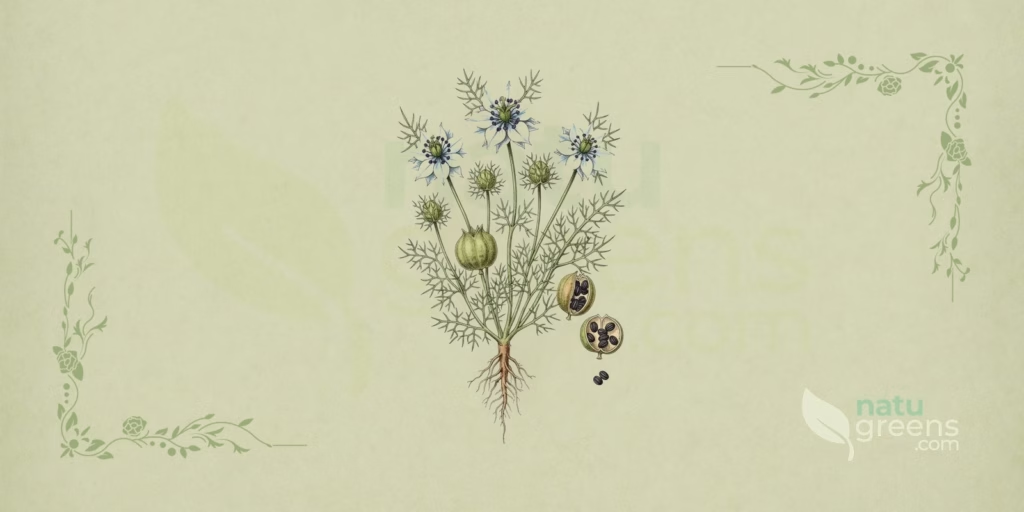
Angelica sinensis (Oliv.) Diels / Dong Quai
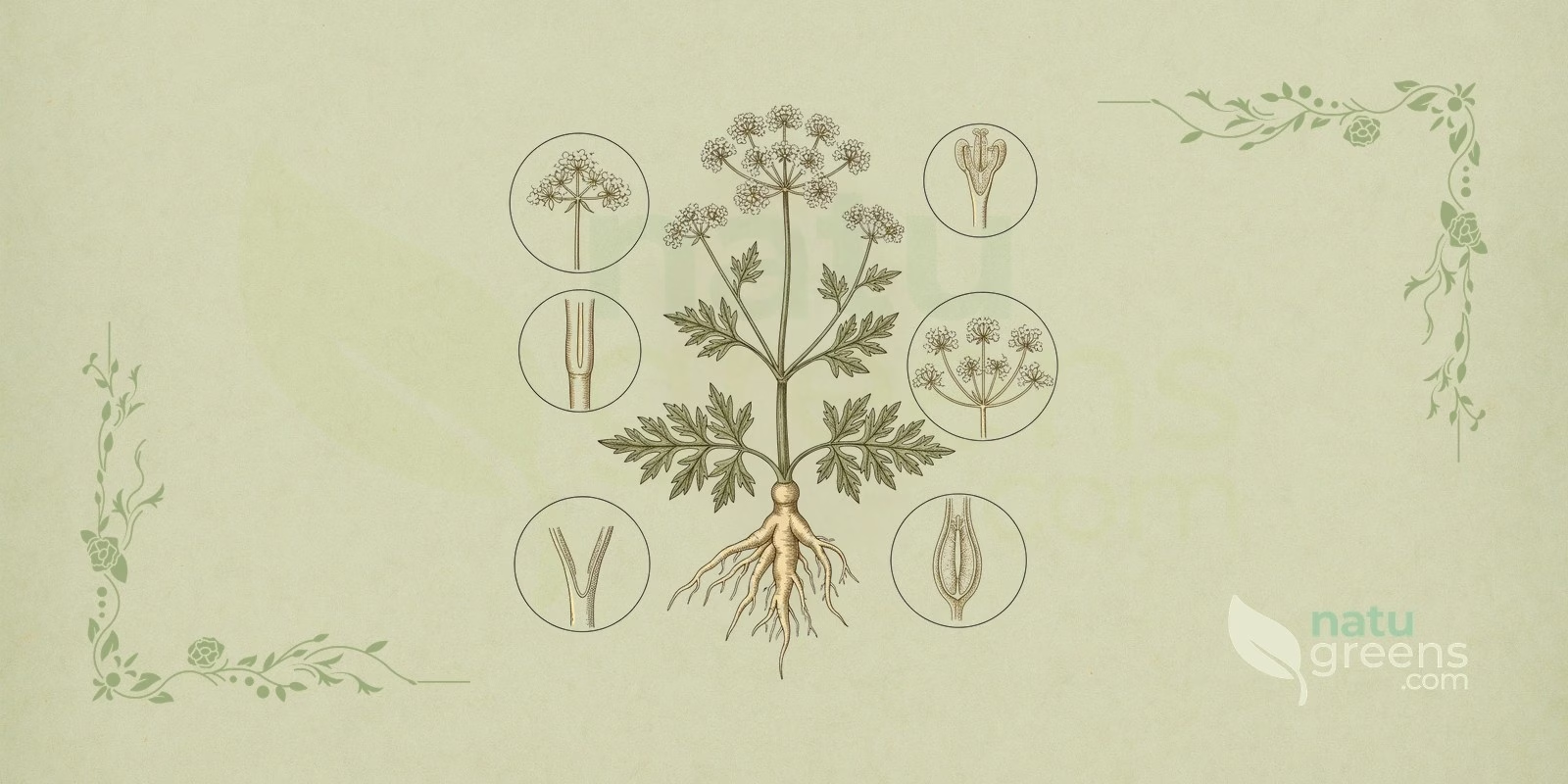
Angelica sinensis, popularly known as Dong Quai or Chinese angelica, is a medicinal plant revered in Traditional Chinese Medicine for millennia. This herb, valued for its roots, is widely used in infusions and other therapeutic preparations. Recognized for its adaptogenic and tonic properties, Angelica sinensis is frequently employed to promote overall well-being, especially in supporting women’s health and improving blood circulation. Its applications extend to a range of conditions, from hormonal imbalances to pain relief, cementing its role as a pillar of Eastern herbal medicine.
Popular and International Names of Dong Quai
- English: Chinese Angelica, Dong Quai, Female Ginseng
- Spanish: Angélica China, Dong Quai, Ginseng Femenino
- Portuguese: Angélica Chinesa, Dang Gui, Dong Quai, Ginseng Feminino
- French: Angélique Chinoise, Dong Quai, Ginseng Féminin
- Italian: Angelica Cinese, Dong Quai, Ginseng Femminile
- German: Chinesische Engelwurz, Dong Quai, Frauen-Ginseng
Botanical Synonyms of Angelica sinensis
Angelica sinensis (Oliv.) Diels is the accepted scientific name for this species. Historically, the plant has been classified under other names, but Angelica sinensis remains the predominant and recognized botanical designation. There are no widely accepted botanical synonyms referring to a specific variety such as
Angelica sinensis var. alba with distinct properties. The designation “alba” is generally associated with the color of the flowers, which are typically white or greenish, and does not indicate a subspecies or variety with meaningful differences in phytochemical composition or medicinal uses compared with the main species.
Botanical Family: Apiaceae
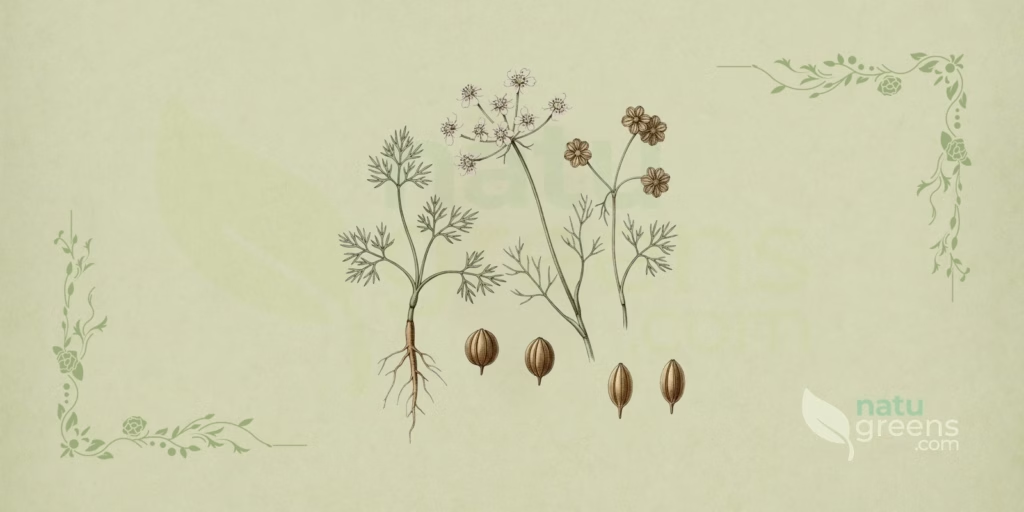
Angelica sinensis belongs to the family Apiaceae, formerly known as Umbelliferae. This is a vast family that also includes plants such as parsley, celery, and carrot, sharing botanical characteristics such as umbrella-shaped inflorescences.
Parts of Dong Quai Used
- Root (mainly for infusions and extracts)
Ethnobotanical and Traditional Uses
In Traditional Chinese Medicine (TCM), Angelica sinensis, or Dong Quai, is widely recognized as a blood tonic and menstrual regulator. Its ethnobotanical and traditional uses are extensive, covering a range of conditions, especially those related to women’s health. It is traditionally used to relieve dysmenorrhea, amenorrhea, and menopausal symptoms, and is considered a “female ginseng” because of its importance in these contexts. It is also used to improve blood circulation, ease abdominal and rheumatic pain, and support cases of anemia, dizziness, and palpitations. The plant is further valued for its digestive and hepatoprotective properties, contributing to detoxification and overall well-being.
Therapeutic Properties of Dong Quai
- Analgesic (traditional use for pain relief)
- Anti-inflammatory (effect studied for reducing inflammation)
- Anticoagulant (helps prevent the formation of blood clots); traditional use, without established clinical efficacy
- Antioxidant (activity studied against free radicals and oxidative stress)
- Antiproliferative (activity observed in laboratory studies, without clinical proof)
- Antiviral (activity studied against viral infections)
- Cardioprotective (protective effect studied on cardiovascular health)
- Hepatoprotective (protective effect studied on the liver)
- Hypoglycemic (effect studied on blood sugar levels)
- Immunomodulatory (effect studied on the immune system)
- Uterine stimulant (may induce uterine contractions at high doses); traditional record, without established clinical efficacy
Detailed Phytochemical Profile of Dong Quai
The phytochemical profile of Angelica sinensis is complex and rich, and it is responsible for the plant’s diverse therapeutic actions. The main bioactive compounds include:
- Essential oils (responsible for the characteristic aroma and some therapeutic actions)
- Flavonoids (with antioxidant action)
- Furanocoumarins (may increase sensitivity to sunlight)
- Organic acids (such as ferulic acid, with antioxidant and anti-inflammatory properties)
- Phthalides (including Z-ligustilide, butylphthalide, cnidilide, and isocnidilide, which contribute to anti-inflammatory, analgesic, and muscle-relaxant properties)
- Polysaccharides (with immunomodulatory and antioxidant effects)
Preparation and Administration Forms of Dong Quai
Teas and Infusions
The root of Angelica sinensis is frequently used to prepare teas and infusions. To prepare an infusion, add 1 to 2 teaspoons of sliced dried root to a cup of hot water. Let it steep for 10 to 15 minutes, strain, and drink. This preparation is ideal for capturing the plant’s tonic and regulating properties. It is important not to boil the root for too long, in order to preserve its volatile compounds.
Extracts
Extracts of Angelica sinensis are concentrated preparations available in liquid form or in capsules. These extracts are obtained through maceration or percolation processes, using solvents such as alcohol or water. The concentration of active constituents is higher in extracts, allowing for more precise dosing and more potent therapeutic effects. They are often used for conditions that require a stronger and longer-lasting action.
Tinctures
Tinctures are hydroalcoholic extracts of Angelica sinensis root. They are prepared by macerating the root in an alcohol and water solution for an extended period. Tinctures are easy to use and can be added to water or juice. Dosage varies, but a few drops are generally enough. They allow for rapid absorption of the active compounds and are convenient for daily use.
Synergy with Other Medicinal Plants
Angelica sinensis is frequently combined with other herbs to enhance its therapeutic effects, especially in TCM. Some common synergies include:
- With Ginger: To warm the body and improve circulation, especially in cases of internal cold and menstrual pain.
- With White Peony (Paeonia lactiflora): A classic TCM combination to nourish the blood and regulate the menstrual cycle, easing cramps and irregularities.
- With Rehmannia (Rehmannia glutinosa): Used to nourish Yin and blood, beneficial in cases of anemia, dizziness, and dryness.
- With Licorice (Glycyrrhiza glabra): To harmonize the properties of other herbs and enhance their anti-inflammatory and adaptogenic effects.
Recipes and Usage Protocols of Dong Quai
Dry Extract Capsules
When using dry extract capsules of Angelica sinensis, always follow the manufacturer’s instructions. The recommended dosage generally ranges from 500 mg to 1000 mg per day, divided into 2 to 3 doses. It is advisable to take the capsules with meals to improve absorption and minimize any gastrointestinal discomfort. Consult a healthcare professional to determine the ideal dosage for your specific needs.
Root Decoction
A decoction of Angelica sinensis root is a traditional preparation used to extract compounds that are more resistant to heat. Use 3 to 9 grams of dried root per 500 ml of water. Simmer the mixture over low heat for 20 to 30 minutes. Strain and drink the liquid warm. This preparation is particularly useful for chronic conditions and for nourishing the blood. It may be consumed 1 to 2 times per day.
Infusion for Menstrual Relief
To ease menstrual cramps and regulate the cycle, prepare an infusion with 1 teaspoon of sliced Angelica sinensis root in 250 ml of boiling water. Let it steep for 10 minutes. Drink 2 to 3 times a day, starting a few days before the menstrual period. A little honey may be added to sweeten it, if desired. This infusion helps relax the uterine muscles and improve blood flow.
Mother Tincture
The mother tincture of Angelica sinensis is a concentrated, easy-to-administer form. The typical dosage is 20 to 40 drops, diluted in a little water, 2 to 3 times a day. It is important to follow the recommendations of a herbal practitioner or the product’s instructions, as concentration can vary. Tinctures are absorbed quickly and are convenient for those seeking a practical and effective option.
The preparations above follow traditional records and do not replace professional guidance. Before any internal use, check the contraindications and interactions described in this article.
Associated Therapies
Acupuncture
Acupuncture, an ancient practice of Traditional Chinese Medicine, can be paired with the use of Angelica sinensis to enhance its effects. Combining herbal medicine with acupuncture aims to restore the body’s energetic balance, addressing the root of imbalances. For conditions such as dysmenorrhea, infertility, or hormonal imbalances, acupuncture may complement the action of Angelica sinensis, supporting a more consistent recovery.
Chinese Dietary Therapy
Chinese dietary therapy focuses on using foods with medicinal properties to nourish the body and prevent illness. Angelica sinensis can be incorporated into soups, broths, and other dishes to strengthen the blood and Qi (vital energy). This holistic approach considers the energetic nature of foods and herbs, creating a personalized dietary plan that supports the plant’s therapeutic effects, promoting long-term health and vitality.
Homeopathy
Although Angelica sinensis is not a common homeopathic remedy, homeopathic principles can be applied to complement herbal treatment. A homeopath may prescribe a constitutional remedy that works in synergy with Angelica sinensis, addressing individual symptoms and the patient’s overall constitution. This combination may be beneficial for optimizing results and supporting a more consistent and lasting recovery, always under the supervision of a qualified professional.
Contraindications and Side Effects of Dong Quai
Angelica sinensis, although beneficial, has contraindications and may cause side effects. It is essential to be aware of this information for safe and responsible use. The plant is contraindicated in cases of allergy to any member of the Apiaceae family. Because of its potential uterine-stimulant effect, its use is discouraged during pregnancy, especially in the first trimester, where it may increase the risk of birth defects when combined with other herbs. There is insufficient data on its safety during breastfeeding, so it is prudent to avoid it during this period.
Effects on Blood Clotting
Angelica sinensis may slow blood clotting, increasing the risk of bruising and bleeding in individuals with bleeding disorders. For this reason, it should be discontinued at least 2 weeks before any scheduled surgery. It interacts significantly with anticoagulant medications, such as warfarin, and with other agents that slow clotting, such as ginkgo and garlic, potentially enhancing their effects and leading to bleeding complications.
Hormonal Conditions and Sun Sensitivity
Because of its estrogenic activity, Angelica sinensis is contraindicated in hormone-sensitive conditions, such as breast cancer, uterine cancer, ovarian cancer, endometriosis, and uterine fibroids, as it may worsen these conditions. It may also increase skin sensitivity to sunlight, making users more susceptible to sunburn. Common side effects include belching, gas, and, in some cases, elevated blood pressure. Prolonged use at high doses (more than 6 months) is considered possibly unsafe, with concern that it may contain potentially carcinogenic substances.
Historical Notes and Interesting Facts
Angelica sinensis is affectionately nicknamed “female ginseng” in Asia, a testament to its deep connection with women’s health. Its Chinese name, “Danggui” (當歸), carries a poetic and profound meaning, translating to “state of return” or “should return.” This name reflects the belief that the plant helps restore feminine balance and vitality, especially after childbirth or during menstrual imbalances. The root, its most valued part, is traditionally harvested in autumn, when its active compounds are at their peak. The history of Angelica sinensis is intertwined with the evolution of Traditional Chinese Medicine, standing as one of the pillars of Eastern herbal medicine and a symbol of well-being and longevity.
Frequently Asked Questions about Dong Quai
Can Dong Quai Tea Be Consumed Daily?
Daily consumption of Angelica sinensis tea should be done in moderation and, ideally, under the guidance of a healthcare professional. Although it is considered a tonic in TCM, continuous use at high doses may lead to side effects, particularly because of its anticoagulant and estrogenic properties. It is important to respect recommended dosages and observe your body’s response.
What Are the Main Benefits of Dong Quai Tea for Women’s Health?
Dong Quai tea is widely known for its benefits for women’s health. It helps regulate the menstrual cycle, ease cramps, and relieve menopausal symptoms such as hot flashes and vaginal dryness. It is also used to nourish the blood, being beneficial in cases of anemia and fatigue associated with blood deficiencies. The plant contributes to hormonal balance and the overall well-being of the female reproductive system.
Are There Important Drug Interactions with Dong Quai?
Yes, Angelica sinensis can interact with several medications. The most notable interaction is with anticoagulants, such as warfarin, as it may increase the risk of bleeding. It may also interact with medications that affect hormone levels, because of its estrogenic activity. It is essential to inform your doctor or pharmacist about the use of Angelica sinensis, especially if you are taking other medications or have pre-existing health conditions.
Is Dong Quai Safe for Everyone?
No, Angelica sinensis is not safe for everyone. It is contraindicated for pregnant or breastfeeding women, people with bleeding disorders, and individuals with hormone-sensitive conditions (such as certain types of cancer). It should also be avoided before surgery. People allergic to plants in the Apiaceae family should refrain from using it. Always consult a healthcare professional before starting any supplementation with this plant.
How Does Dong Quai Work in the Body?
Angelica sinensis acts in the body through its various phytochemical compounds, such as phthalides, organic acids, and polysaccharides. These compounds exert anti-inflammatory, antioxidant, analgesic, and immunomodulatory actions. In TCM, the plant is believed to nourish the blood, move Qi, and regulate the uterus, contributing to internal harmony and relief of symptoms related to energetic and blood imbalances.
Notice: this content is for informational purposes and does not replace professional medical advice. Consult a physician or herbal practitioner before using medicinal plants, especially during pregnancy, breastfeeding, or alongside medication.
References and Scientific Studies
Peer-Reviewed Scientific Studies (2)
- PMC PubMed: Bioactivities of major constituents isolated from Angelica sinensis (Oliv.) Diels: a review. Revisão científica sobre os principais constituintes bioativos da Angelica sinensis.
- PMC PubMed: Pharmacological effects of Radix Angelica Sinensis (Danggui) on the cardiovascular system. Estudo sobre os efeitos farmacológicos da raiz de Angelica sinensis no sistema cardiovascular.
Supplementary Readings (1)
- Frontiers in Pharmacology: Pharmacological action of Angelica sinensis polysaccharides: a review. Revisão sobre a ação farmacológica dos polissacarídeos da Angelica sinensis.