Boerhavia diffusa L. / Red Spiderling, popularly known as spreading hogweed or tarvine, is a perennial herbaceous plant of the Nyctaginaceae family. Described by Carl Linnaeus in 1753, this species is widely distributed throughout tropical and subtropical regions. Boerhavia diffusa is prized in traditional medicine, especially in Ayurveda, for its rejuvenating and therapeutic properties. Its roots and leaves are frequently used in a variety of medicinal preparations.
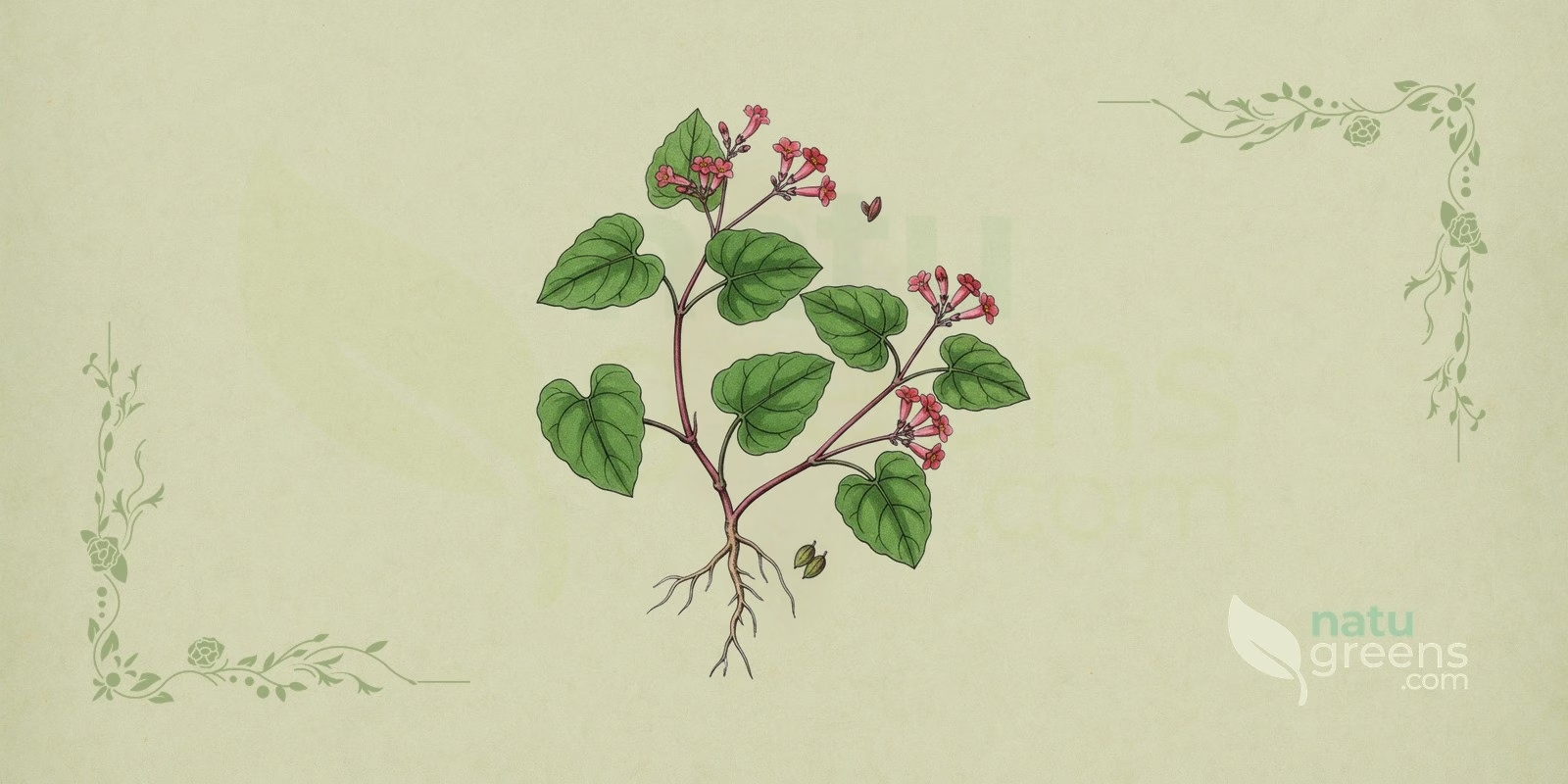
Red spiderling is recognized for its capacity to support toxin elimination and the renal system. The plant has a rich phytochemical composition, including alkaloids and flavonoids, that contribute to its anti-inflammatory and diuretic effects. Modern scientific studies have investigated and validated many of the plant’s traditional uses. Boerhavia diffusa continues to be a subject of interest in pharmacological research because of its therapeutic potential.
Popular and International Names of Red Spiderling
- English: red spiderling, spreading hogweed, tarvine.
- Spanish: yerba tostada, yerba tutón (Argentina).
- Portuguese: agarra-pinto, batata-de-porco, bredo-de-porco, erva-de-porco, erva-tostão, pega-pinto, solidônia, tangaracá.
- Sanskrit: punarnava.
Botanical Synonyms of Boerhavia diffusa
Boerhavia diffusa L. has several botanical synonyms that reflect its broad distribution and morphological variation. These synonyms are important for accurate identification of the species across different botanical and pharmacological contexts. Understanding the synonymy helps avoid confusion and ensures the plant is used correctly in studies and medicinal applications. The list below presents the most common and relevant synonyms.
- Boerhavia caribaea Jacq.
- Boerhavia coccinea Mill.
- Boerhavia diffusa var. hirsuta (Jacq.) Kuntze
- Boerhavia diffusa var. mutabilis R. Br.
- Boerhavia erecta L.
- Boerhavia paniculata Rich.
Botanical Family: Nyctaginaceae
Boerhavia diffusa belongs to the Nyctaginaceae family, known as the four-o’clock family, characterized by plants with generally showy flowers often adapted to arid environments. This family comprises about 30 genera and 400 species, distributed mainly across tropical and subtropical regions of the world. Many Nyctaginaceae species are recognized for their colorful bracts surrounding the flowers, as seen in bougainvillea.
Boerhavia diffusa, as a member of this family, shares botanical traits that set it apart. The Nyctaginaceae family is also known for producing a variety of secondary compounds, including alkaloids and flavonoids, which are responsible for many of the medicinal properties observed across its species. The chemical and morphological diversity within this family contributes to its ecological and ethnobotanical importance across many cultures.
Parts Used of Red Spiderling
- Root
- Whole plant
Ethnobotanical and Traditional Uses
- Analgesic (India, Martinique)
- Antiparasitic (Guatemala, Brazil)
- Asthma (India)
- Bile duct stones (Brazil)
- Dyspepsia (Brazil)
- Edema (India)
- Erysipelas (Guatemala)
- Heart pain (India)
- Hepatitis (Brazil)
- Hydropsy (Brazil)
- Jaundice (Brazil)
- Liver congestion (Brazil)
- Liver, gallbladder, and kidney ailments (India)
- Nephritis (Brazil)
- Nervousness (Brazil)
- Relief of intestinal colic and flatulence (Brazil)
- Rejuvenating tonic (India – Ayurveda)
- Snakebite protection (Brazil)
- Snakebite and chigoe flea bites (poultice in Brazil)
- Tumors (India)
- Urinary problems (India)
- Urine retention (Brazil)
Therapeutic Properties of Red Spiderling
- Antiamoebic (activity studied against amoebas)
- Antiestrogenic (inhibitory effect studied on estrogen activity)
- Anti-hemorrhagic (studied for hemorrhage prevention)
- Anti-inflammatory (effect studied in reducing inflammation)
- Antimicrobial (activity studied against microorganisms)
- Antiproliferative (activity observed in laboratory studies, without clinical proof)
- Antispasmodic (traditional use for relieving spasms)
- Choleretic (effect studied on bile production)
- Diuretic (effect studied on urine production)
- Hepatoprotective (protective effect studied on the liver)
- Hypotensive (effect studied in lowering blood pressure)
- Immunomodulatory (effect studied on the immune system)
Detailed Phytochemical Profile of Red Spiderling
Boerhavia diffusa is rich in a wide range of phytochemical compounds responsible for its extensive medicinal properties. These include alkaloids, flavonoids, steroids, lignans, and other secondary metabolites. The presence of these compounds gives the plant its hepatoprotective, diuretic, and anti-inflammatory actions, among others. Ongoing research into the phytochemical profile of red spiderling continues to reveal new insights into its therapeutic potential.
- Alkaloids (boerhavine, lunamarine, punarnavine)
- Amino acids
- Beta-sitosterol
- Boerhavic acid
- BDP-30 protein
- Campesterol
- Flavonoids
- Lignans (liriodendrin, syringaresinol-B-glucoside)
- Lipopolysaccharides
- Rotenoids (boerhavone G, boerhavone H)
- Stearic acid
- Ursolic acid
Preparation and Administration Forms of Red Spiderling
Boerhavia diffusa can be prepared and administered in a variety of ways, depending on the condition being addressed and local tradition. Preparation forms range from simple infusions to poultices and juices, allowing a wide range of therapeutic applications. The choice of preparation should consider the plant part used and the desired concentration of active compounds. The main preparation forms are presented below.
- Decoction
- Infusion
- Juice
- Poultice
Synergy with Other Medicinal Plants
Liver Health
For liver support, red spiderling can be paired with plants such as milk thistle (Silybum marianum) or artichoke (Cynara scolymus). These combinations aim to optimize liver function, assist detoxification, and protect liver cells. The hepatoprotective action of Boerhavia diffusa is complemented by the active compounds of other plants, offering comprehensive support for liver health.
Renal and Diuretic Support
Boerhavia diffusa can be combined with other diuretic plants, such as horsetail (Equisetum arvense) or dandelion (Taraxacum officinale), to enhance its effects on fluid and toxin elimination. This synergy is beneficial for supporting renal function and managing edema. The combination of these plants acts in a complementary way, promoting urinary tract health and the body’s fluid balance.
Recipes and Usage Protocols of Red Spiderling
Poultice for Skin Inflammation
Ingredients: Fresh red spiderling leaves (Boerhavia diffusa), warm water.
Preparation: Crush the fresh leaves until a paste forms. Add a little warm water if needed to obtain a suitable consistency. Apply the paste directly to the affected area of skin, as in cases of inflammation, insect bites, or minor wounds. Cover with a clean cloth and leave in place for 30 minutes to 1 hour. Repeat twice a day. This poultice is traditionally used to help reduce local inflammation and support healing.
Diuretic and Detoxifying Tea
Ingredients: 1 teaspoon of dried red spiderling root (Boerhavia diffusa), 250 ml of water.
Preparation: Add the dried root to the water and bring to a boil. Boil for 10 minutes. Remove from heat, cover, and let steep for another 5 minutes. Strain and drink warm. It is generally recommended to drink 2 to 3 cups a day, adjusting according to individual tolerance and always under the guidance of a health professional for prolonged use, to support fluid and toxin elimination and renal function. This tea is traditionally indicated for cases of fluid retention and to promote urinary tract health.
The preparations above follow traditional records and do not replace professional guidance. Before any internal use, review the contraindications and interactions described in this article.
The preparations above follow traditional records and do not replace professional guidance. Before any internal use, check the contraindications and interactions described in this article.
Associated Therapies for Red Spiderling
Ayurveda
In Ayurvedic medicine, Boerhavia diffusa is known as Punarnava, meaning “that which renews the body.” It is one of the most important herbs and is widely used to rejuvenate and revitalize the body. Punarnava is employed in addressing a variety of conditions, including kidney, liver, heart, and edema-related concerns. It is considered a tonic for the kidneys and liver, promoting the elimination of toxins and the balance of the doshas. Its use in Ayurveda spans millennia and is grounded in a holistic approach to health.
Western Phytotherapy
In Western herbal medicine, Boerhavia diffusa is valued mainly for its diuretic, hepatoprotective, and anti-inflammatory properties. It is used to support renal and liver function, assist detoxification, and reduce inflammation. Although less known in the West than in Ayurvedic medicine, scientific research has validated many of its traditional uses. Red spiderling is frequently incorporated into herbal formulations for support in conditions such as edema, urinary infections, and digestive issues.
Contraindications and Side Effects of Red Spiderling
Boerhavia diffusa is generally considered safe when used at recommended doses. However, like any medicinal plant, it can present contraindications and side effects in certain situations. It is essential to consult a health professional before starting any treatment with this plant, especially in cases of preexisting medical conditions or use of other medications. Caution is always the best approach to ensure treatment safety.
Side Effects
Animal studies have shown no toxicity or teratogenicity. In humans, side effects are rare and generally mild, and may include gastrointestinal discomfort in sensitive individuals. The occurrence of adverse reactions is low when the plant is used correctly. In the event of any adverse reaction, use should be discontinued and a health professional consulted.
Precautions and Contraindications
- Pregnancy and Breastfeeding: Use is not recommended during pregnancy and breastfeeding due to the lack of conclusive studies on its safety during these periods.
- Drug Interactions: Although no widely documented drug interactions exist, caution is advisable when using red spiderling alongside synthetic diuretics or blood pressure medications, due to its hypotensive and diuretic effects.
Curiosities and Historical Facts of Red Spiderling
Boerhavia diffusa has a rich and fascinating history, having been used by numerous cultures over the centuries. Its scientific name, Boerhavia, honors the renowned Dutch physician, chemist, and botanist Hermann Boerhaave (1668-1738), recognizing his contributions to science. This plant, with its wide global distribution, has adapted to different ecosystems, demonstrating its resilience and versatility. Below are a few curiosities and historical facts.
Natural Dispersion
The fruits of red spiderling are small and sticky, a trait that facilitates their dispersion. They readily cling to clothing, animal fur, and even migratory birds, allowing the seeds to travel long distances. This natural dispersal mechanism has contributed to the plant’s wide presence across different continents and climates, making it a cosmopolitan species.
Culinary Use
In many parts of India, the young leaves of Boerhavia diffusa are eaten as a vegetable. They are incorporated into culinary dishes, salads, and soups, adding nutritional value and flavor. This traditional culinary use highlights the plant’s versatility, extending beyond its medicinal applications and integrating it into the local diet as a source of nutrients.
Frequently Asked Questions about Red Spiderling Tea
Boerhavia diffusa, or red spiderling, raises many questions among those seeking its traditional benefits. To clarify the most common questions, we compiled a series of frequently asked questions addressing everything from preparation to effects and safety of use. Understanding the answers to these questions is essential to using the plant mindfully, making the most of its properties.
Are There Side Effects to Consuming Red Spiderling?
In general, red spiderling is well tolerated. However, in rare cases, mild gastrointestinal discomfort may occur. It is crucial not to exceed recommended doses and to consult a health professional before starting use, especially if pregnant, breastfeeding, or taking other medications. Safety is paramount when using any medicinal plant.
What Is the Best Way to Prepare Red Spiderling Tea?
The most common way to prepare red spiderling tea is by decoction, especially when using the root. To do this, boil a teaspoon of the dried root in 250 ml of water for 10 minutes. Let it steep for another 5 minutes before straining and drinking. This preparation supports proper extraction of the plant’s active compounds. For the leaves, a simple infusion may be sufficient.
Who Should Not Use Red Spiderling?
Due to the lack of safety studies, the use of red spiderling is not recommended for pregnant or breastfeeding women. People with preexisting medical conditions, such as severe kidney or liver disease, should seek medical guidance before using the plant. Children and individuals with known allergies to plants in the Nyctaginaceae family should also avoid its consumption.
What Is Red Spiderling Tea Used For?
Red spiderling tea is traditionally used as a diuretic, hepatoprotective, and anti-inflammatory agent. It supports toxin elimination, renal and liver function, and relief from inflammation. It is frequently used as support in cases of edema, urinary infections, digestive problems, and as a general tonic for the body. Its traditional uses are widely recognized in Ayurvedic medicine.
Notice: this content is for informational purposes and does not replace professional medical advice. Consult a physician or herbal practitioner before using medicinal plants, especially during pregnancy, breastfeeding, or alongside medication.
References and Scientific Studies
View All 10 Cited References
- 2004 ALONSO, J. Tratado de Fitofármacos y Nutracéuticos. 1. ed. Rosario, Argentina: Corpus Libros, 2004.
- 2002 DI STASI, L.C. & HIRUMA-LIMA, C.A. Plantas medicinais na Amazônia e na Mata Atlântica. São Paulo: Editora Unesp, 2002.
- 2008 LORENZI, H; MATOS, F.J.A. Plantas Medicinais no Brasil: nativas e exóticas. 2. ed. Nova Odessa, SP: Instituto Plantarum, 2008.
- 1997 MICHALAK, E., irmã. Apontamentos fitoterápicos da Irmã Eva Michalak. Florianópolis: Epagri, 1997.
- 1984 PIO CORRÊA, M. Dicionário das plantas úteis do Brasil e das exóticas cultivadas. Rio de Janeiro: IBDF, Ministério da Agricultura, Imprensa Nacional, 1984.
- 2010 Sá, C.F.C. 2010. Nyctaginaceae in Lista de Espécies da Flora do Brasil. Jardim Botânico do Rio de Janeiro. Disponível em: Flora do Brasil. Acesso em: 06 de fevereiro de 2013.
- 2013 Tropicos.org. Missouri Botanical Garden. Disponível em: Tropicos. Acesso em: 06 de fevereiro de 2013.
- 2025 Horto Didático de Plantas Medicinais do HU/CCS. Erva-tostão. Disponível em: Horto Didático UFSC. Acesso em: 13 de outubro de 2025.
- 2025 Sabedoria da Terra. Punarnava (Boerhavia diffusa): a erva da juventude no Ayurveda. Disponível em: Sabedoria da Terra. Acesso em: 13 de outubro de 2025.
- 2025 Rain-Tree. Erva Tostao – Boerhaavia diffusa Database file in …. Disponível em: Rain-Tree. Acesso em: 13 de outubro de 2025.