Satureja hortensis L. / Summer Savory
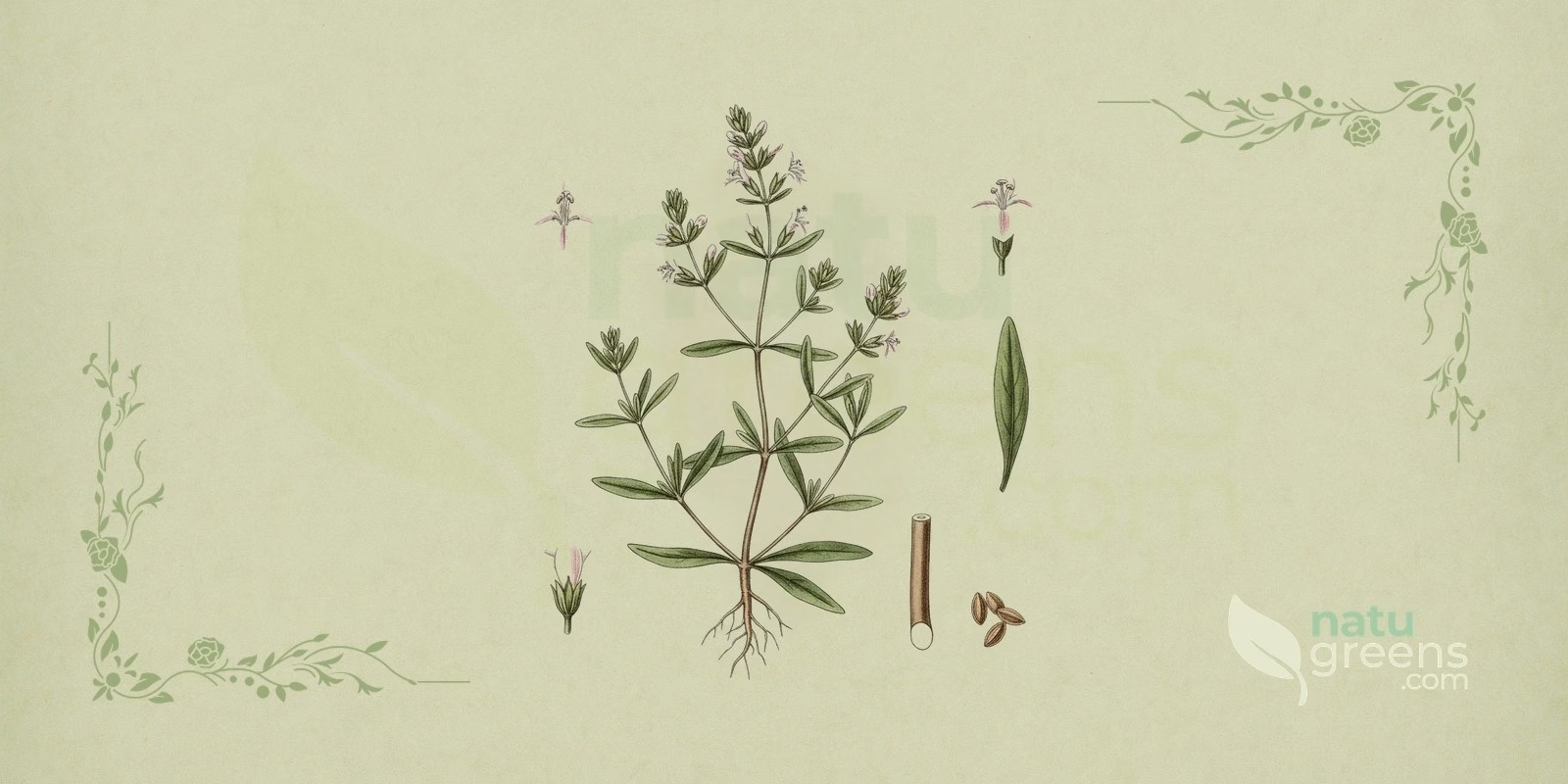
Satureja hortensis L., commonly known as summer savory, is an annual herb belonging to the Lamiaceae family, valued both in cooking and in traditional medicine. This plant, native to Southeastern Europe and Asia, is recognized for its aromatic and therapeutic properties. Summer savory has been used throughout history for a variety of purposes, from seasoning food to supporting general health care. Its richness in bioactive compounds gives it a notable medicinal profile, and it has been the subject of numerous scientific studies investigating its benefits.
Popular and International Names of Summer Savory
- English (US): garden savory, ground savory, summer savory.
- Spanish: ajedrea.
- Portuguese: segurelha, segurelha-de-verão.
- French: sarriette.
- Italian: paverella, santoreggia.
- German: Bohnenkraut.
Botanical Synonyms of Satureja hortensis
No additional relevant botanical synonyms were found for Satureja hortensis L. in the research materials consulted.
Botanical Family: Lamiaceae
Lamiaceae.
Parts of Summer Savory Used
- Aerial parts (including stems)
- Flowers
- Leaves
- Seeds
Ethnobotanical and Traditional Uses
- Culinary seasoning in various cuisines (Bulgarian, Romanian, and others).
- Reduction of anxiety and nervousness.
- Relief of gastrointestinal discomfort.
Therapeutic Properties of Summer Savory
- Antihyperlipidemic (contributes to reducing blood lipid levels)
- Anti-inflammatory (studied effect in reducing inflammatory processes in the body)
- Antimicrobial (studied activity against bacteria, fungi, and viruses)
- Antinociceptive (traditional use for pain relief)
- Antioxidant (studied protective effect on cells against oxidative damage)
- Antiproliferative (activity observed in laboratory studies on tumor cell growth, without clinical proof)
- Antispasmodic (traditional use for relieving spasms and cramps)
- Antiviral (studied activity against viruses such as hepatitis B and herpes simplex)
- Hepatoprotective (studied protective effect on the liver)
Detailed Phytochemical Profile of Summer Savory
- Carvacrol (phenolic compound with antimicrobial and antioxidant activity)
- Caryophyllene (sesquiterpene with anti-inflammatory properties)
- Cymene (monoterpene present in essential oils)
- Estragole (methyl chavicol, present in the seeds)
- Flavonoids (phenolic compounds with antioxidant action)
- Gums (polysaccharides with mucilaginous properties)
- Minerals (potassium, phosphorus, calcium, magnesium, iron, sodium)
- Mucilage (soluble fibers with protective and emollient action)
- Pyrocatechol (phenolic compound)
- Rosmarinic Acid (main phenylpropanoid component, with strong antioxidant and anti-inflammatory properties)
- Tannins (astringent and antioxidant compounds)
- Terpenes (class of volatile organic compounds)
- Thymol (isomer of carvacrol, with antimicrobial properties)
- Vitamins (niacin, pyridoxine, riboflavin, thiamine, vitamin A, vitamin C)
Preparation and Administration Forms of Summer Savory
- Essential Oil
- Extracts
- Infusion (tea)
- Tincture
Synergy with Other Medicinal Plants
Summer savory can be combined with other aromatic and medicinal herbs to enhance its effects, always within traditional use. For example, combining it with thyme or oregano can reinforce its antimicrobial and antioxidant activity, due to the presence of similar phenolic compounds, while for digestive purposes it is often paired with plants such as peppermint or fennel. In preparations aimed at easing anxiety, chamomile or valerian can complement its calming effects, broadening, according to herbal tradition, the range of applications for supporting a variety of mild complaints.
Recipes and Usage Protocols of Summer Savory
Calming Digestive Infusion
Ingredients: 1 teaspoon of dried summer savory leaves, 200 ml of boiling water, honey (optional).
Preparation: Place the leaves in a cup and add freshly boiled water. Cover and let steep for 5 to 7 minutes. Strain and sweeten with honey, if desired. Drink 1 cup after main meals to support digestion, or 30 minutes before bedtime to promote relaxation and improve sleep quality. This infusion is traditionally used for relief of intestinal cramps and flatulence.
Anti-Inflammatory Massage Oil
Ingredients: 5 drops of summer savory essential oil, 30 ml of sweet almond or jojoba carrier oil.
Preparation: Mix the essential oil with the carrier oil in a dark glass bottle. Apply to clean skin, gently massaging the areas affected by inflammation, muscle pain, or joint pain. This preparation is traditionally used as a support in the care of rheumatic pain, bruises, and muscle tension. Avoid sun exposure after application.
Tincture for Pain Relief
Ingredients: 200 g of dried summer savory leaves, 1 liter of 70% alcohol.
Preparation: Place the leaves in a glass jar and cover with the alcohol. Seal tightly and let macerate for 14 days, shaking daily. Strain through a fine cloth and store in a dark glass bottle. Because this is a concentrated extract, the amount to be taken should be determined by a healthcare professional rather than a fixed drop schedule; consult a healthcare professional before starting internal use. This tincture concentrates the bioactive compounds of summer savory and is traditionally associated with greater comfort in states of mild pain, always with moderate use and professional guidance.
The preparations above follow traditional records and do not replace professional guidance. Before any internal use, check the contraindications and interactions described in this article.
Associated Therapies
Aromatherapy
Summer savory essential oil is used in aromatherapy for its stimulating and purifying properties. It can be diffused in a room to support concentration and ease mental fatigue, or inhaled, according to traditional use, to help provide a sense of relief in the airways. Its herbaceous, spicy fragrance is also valued for creating an invigorating atmosphere.
Herbal Medicine
In herbal medicine, summer savory is traditionally used to support a variety of complaints, drawing on its studied antioxidant, antimicrobial, and anti-inflammatory actions. According to this tradition, it is often used for digestive discomfort and respiratory irritation, and also serves as support for the immune system. Its versatility makes it a valuable component in complex herbal formulations.
Contraindications and Side Effects of Summer Savory
Summer savory is generally considered safe when consumed in culinary amounts. However, the use of concentrated extracts or essential oil requires caution. People being treated for chronic conditions, especially those taking anticoagulant or diabetes medications, should consult a healthcare professional before using summer savory medicinally, due to the potential for interactions. It is not recommended for children, pregnant women, or breastfeeding women, due to insufficient evidence regarding its safety in these groups. In high doses, the essential oil can be irritating to the skin and mucous membranes. Allergic reactions are rare but possible. It is essential to respect recommended dosages and seek professional guidance to avoid adverse effects.
Historical Notes and Interesting Facts
Summer savory has a long history of use dating back to antiquity. The Romans, for example, used it as both a seasoning and a medicinal plant, believing in its aphrodisiac properties. Its botanical name, Satureja, comes from the Latin word saturare, meaning to saturate or to satisfy, possibly referring to its intense flavor or its ability to satisfy the palate. In the Middle Ages, it was grown in monastery gardens for its medicinal and culinary virtues. It is an essential ingredient in Bulgarian cuisine, where it is known as chubritsa and forms part of a traditional spice blend called sharena sol. Its popularity extends to other European cuisines, where it is valued for its unique aroma and flavor, reminiscent of a combination of thyme and mint.
Frequently Asked Questions about Summer Savory
Can Summer Savory Tea Help With Digestion?
Yes, summer savory tea is traditionally used to support digestion. Its active compounds may help ease cramps, bloating, and flatulence, promoting more comfortable gastrointestinal function. It is often consumed after meals for this purpose.
Does Summer Savory Have Antioxidant Properties?
Yes, definitely. Summer savory is rich in phenolic compounds, such as rosmarinic acid and flavonoids, which are potent antioxidants. These compounds help counter free radicals in the body, protecting cells against oxidative stress and contributing to overall health.
Are There Contraindications for Drinking Summer Savory Tea?
Although generally safe in moderate amounts, summer savory tea is not recommended for pregnant women, breastfeeding women, and young children, due to the lack of conclusive studies on its safety in these groups. People with preexisting medical conditions or who take medication should consult a healthcare professional before consuming it regularly.
How Do You Properly Prepare Summer Savory Tea?
To prepare the tea, use one teaspoon of dried summer savory leaves for every 200 ml of boiling water. Let it steep, covered, for 5 to 7 minutes, then strain. It can be sweetened with honey, if preferred. It is important not to boil the leaves, in order to preserve their essential oils.
Can Summer Savory Be Used to Relieve Pain?
Yes, summer savory has antinociceptive and anti-inflammatory properties that may contribute to relief from mild to moderate pain, such as muscle or joint pain. The essential oil, diluted in a carrier oil, can be used in massage for this purpose.
Notice: this content is for informational purposes and does not replace professional medical advice. Consult a physician or herbal practitioner before using medicinal plants, especially during pregnancy, breastfeeding, or alongside medication.
References and Scientific Studies
- PMC2023 Ejaz, A., Waliat, S., Arshad, M. S., Khalid, W., Khalid, M. Z., Suleria, H. A. R., Luca, M.-I., Mironeasa, C., Batariuc, A., Ungureanu-Iuga, M., Coţovanu, I., & Mironeasa, S. (2023). A comprehensive review of summer savory (Satureja hortensis L.): promising ingredient for production of functional foods. Frontiers in Pharmacology, 14, 1198970.
- PMC2026 Feyzi S, et al. Co-encapsulation of formic acid and Satureja hortensis essential oil enhances antibacterial and anti-inflammatory activities against Salmonella enterica. Journal of Microbiological Methods. 2026.
- PMC2026 Tumbarski Y, et al. Chemical Composition and Biological Activities of Bulgarian Thyme (Thymus callieri Borbás ex Velen) and Summer Savory (Satureja hortensis L.) Essential Oils. Current Issues in Molecular Biology. 2026.