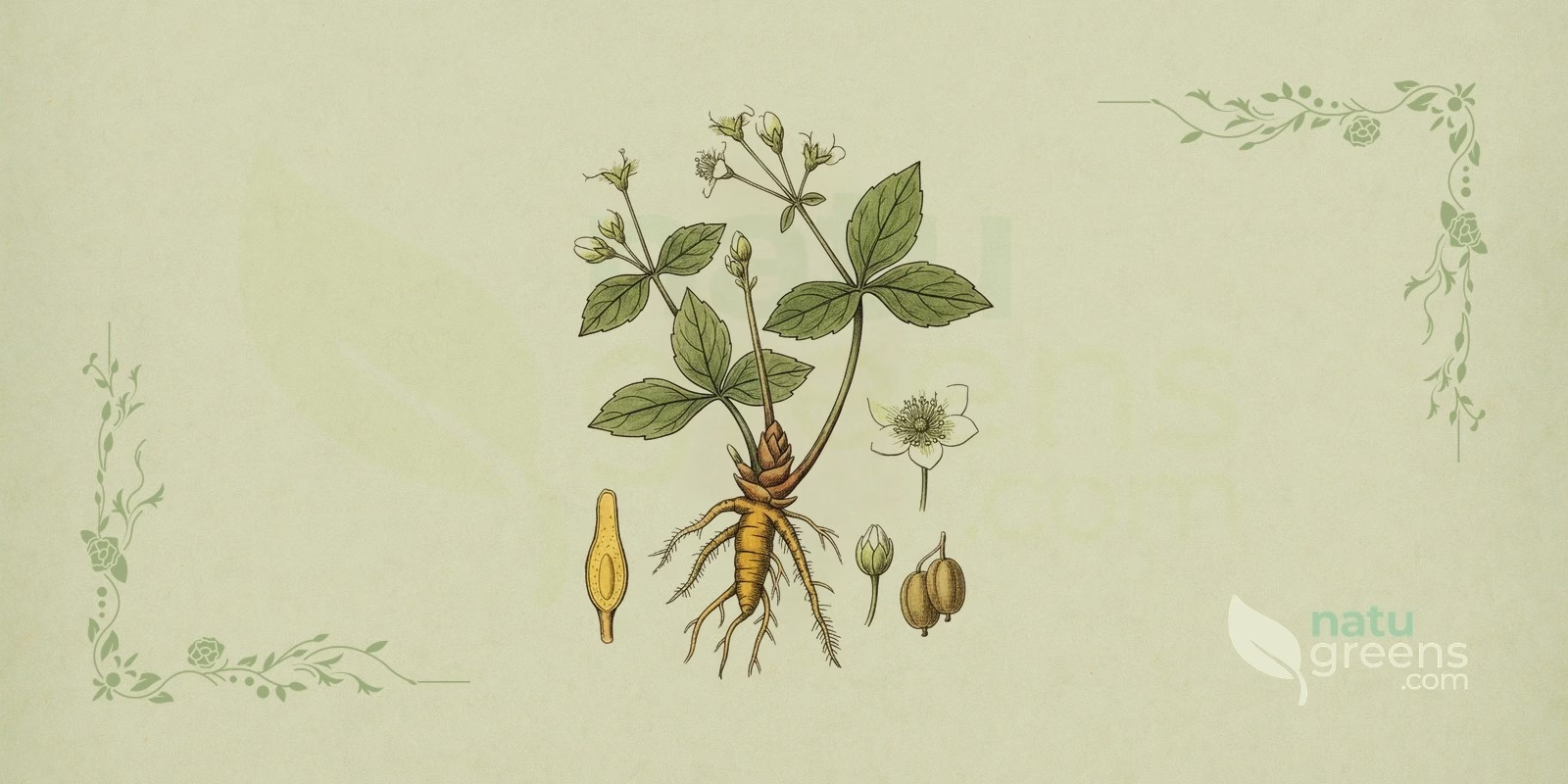
Coptis chinensis Franch. is a perennial herbaceous plant of the Ranunculaceae family, native to the mountainous regions of southwestern China, and in international trade it appears as “goldthread” in English and as “huang lian” in Chinese. Described by the French botanist Adrien René Franchet, the species has held a central place in Traditional Chinese Medicine (TCM) for some two thousand years, which relies above all on its yellow, branching rhizomes, very rich in alkaloids.
In TCM, Coptis chinensis is used to “clear heat and dry dampness”, and tradition recommends it for a broad range of complaints, from gastrointestinal disorders to inflammations and infections. Much of the activity attributed to the plant is linked to berberine, an isoquinoline alkaloid that, in laboratory and animal studies, has shown antibacterial, anti-inflammatory, antioxidant and blood-sugar-lowering effects. Modern research is examining several of these traditional uses with growing interest, but a large share of the evidence still comes from preclinical studies, and berberine itself carries serious contraindications, detailed further on, that must be known before any use.
Popular and International Names of Coptis chinensis
This article uses the scientific binomial as the main name for Coptis chinensis, and the names below serve only as market and research references in each language.
- English: Chinese goldthread, coptis, goldthread, huang lian.
- Chinese: huang lian (黄连).
- French: coptis de Chine, huang lian.
- German: Chinesischer Goldfaden, Huang Lian.
- Italian: coptis, huang lian.
- Portuguese: no established common name; in trade, the plant circulates as coptis or under the Chinese transliteration huang lian.
- Spanish: coptis, hilo de oro chino, huang lian.
The English name “canker root”, which some sources assign to this species, actually belongs to the North American Coptis trifolia, a close relative that should not be confused with Coptis chinensis.
Botanical Synonyms of Coptis chinensis
The accepted botanical name is Coptis chinensis Franch., and the herbal drug made from the dried rhizomes appears in the Chinese Pharmacopoeia as Coptidis Rhizoma. The species has no synonyms in frequent use, but some sources list as such names that correspond to distinct taxa, and keeping them apart avoids confusion when reading studies and labels:
- Coptis chinensis var. brevisepala W.T. Wang: a variety of the species itself, with shorter sepals, and not a synonym of the accepted name.
- Coptis deltoidea C.Y. Cheng & Hsiao: a distinct species whose rhizomes are also sold in China as huang lian.
- Coptis teeta Wall.: a distinct species, likewise recognized as a source of Coptidis Rhizoma alongside Coptis chinensis and Coptis deltoidea.
Botanical Family: Ranunculaceae
Coptis chinensis belongs to the Ranunculaceae, known as the buttercup family, which brings together about 2,500 species in roughly 60 genera, mainly in the temperate and cold regions of the Northern Hemisphere. Plants in this family tend to have showy flowers with numerous stamens and carpels, and many of them contain alkaloids and other bioactive substances that account for both medicinal properties and toxic effects.
Among the best-known members of the family are monkshood (Aconitum spp.), clematis (Clematis spp.) and hellebore (Helleborus spp.), several of which are toxic. The presence of isoquinoline alkaloids such as berberine, a phytochemical trait shared by many species in the group, helps explain why Coptis chinensis attracts so much pharmacological interest.
Parts of Coptis chinensis Used
The most prized part of Coptis chinensis is the intensely yellow rhizome, although other parts of the plant are also used on a smaller scale:
- Rhizomes, the main part.
- Roots.
- Stems, to a lesser extent.
The rhizomes come mainly from cultivation in the provinces of Sichuan, Hubei and Guizhou, where the plant prefers moist, well-drained soil rich in organic matter, in shaded or partly shaded spots. It is propagated by seed or by division of the rhizomes, and harvest usually takes place in autumn, after three to five years of cultivation, when the alkaloid content is considered ideal; the rhizomes are then washed, dried and sometimes sliced before storage or processing.
Ethnobotanical and Traditional Uses
Coptis chinensis is often counted among the 50 fundamental herbs of TCM, with a history of use going back more than two millennia. Chinese tradition classifies it as an herb of cold nature and bitter taste, used to “clear heat and dry dampness”, and its traditional applications include the groups below, none of which does away with the need for medical assessment:
- Arthritis: experimental studies are investigating the plant’s anti-inflammatory potential in models of rheumatoid arthritis, osteoarthritis and gout, still without clinical confirmation.
- Febrile Conditions: traditional record of use to bring down fever and ease symptoms that TCM links to heat syndromes, such as irritability and delirium.
- Gastrointestinal Disorders: traditional record of use in diarrhea, bacillary dysentery, gastroenteritis, gastric and duodenal ulcers, nausea, vomiting and abdominal pain.
- Inflammations and Infections: traditional record of use in inflammations of the skin, the eyes (conjunctivitis), the throat and the mouth (canker sores), as well as in bacterial and viral infections.
- Liver Conditions: traditional record of use as support for liver function.
- Metabolic Diseases: preliminary studies and a systematic review assess formulas containing the plant as an adjunct to conventional treatment of type 2 diabetes and hyperlipidemia, always under medical supervision.
Therapeutic Properties of Coptis chinensis
The pharmacological effects described for Coptis chinensis are attributed mainly to its alkaloids, especially berberine, and come for the most part from laboratory and animal studies, which do not support conclusions about treatment in people. With that caveat, the main properties under investigation are:
- Antibacterial (activity observed in vitro against bacteria such as Escherichia coli, Shigella spp. and Staphylococcus aureus)
- Anti-inflammatory (modulation of cytokines and inflammatory signaling pathways in laboratory and animal studies)
- Antioxidant (reduction of oxidative stress and protection of cells against free radicals in experimental models)
- Antiproliferative (activity observed in laboratory studies, without clinical confirmation)
- Antiviral (activity against some viruses described in laboratory studies)
- Cardioprotective (effects on the cardiovascular system investigated in preliminary studies)
- Hypocholesterolemic (cholesterol reduction observed in preliminary studies)
- Hypoglycemic (reduction of blood sugar and insulin resistance in preliminary studies; may add to the effect of diabetes medication)
- Immunomodulatory (modulation of the immune response in experimental studies)
- Neuroprotective (protection of the nervous system and a possible effect on cognitive function in animal studies)
Detailed Phytochemical Profile of Coptis chinensis
The phytochemical profile of Coptis chinensis is dominated by isoquinoline alkaloids, among which berberine is the most abundant and most studied component, but the plant also contains other groups of bioactive compounds of interest:
- Flavonoids: luteolin, quercetin.
- Isoquinoline Alkaloids:
- Berberine (main active component)
- Coptisine
- Epiberberine
- Jatrorrhizine
- Magnoflorine
- Palmatine
- Worenine
- Phenolic Acids: caffeic acid, chlorogenic acid.
- Polysaccharides: investigated for immunomodulatory activity in laboratory studies.
Preparation and Administration Forms of Coptis chinensis
Coptis chinensis is used in several forms of preparation, which vary according to the purpose and the local tradition of each system of medicine:
- Decoction: the most common form in TCM, in which the rhizomes are boiled in water to extract the active compounds.
- Fluid Extracts and Tinctures: alcohol-based preparations that concentrate the active constituents and allow more precise dosing.
- Powder: dried, ground rhizomes, taken in capsules or mixed with powders of other herbs.
- Standardized Dry Extracts: used in supplements and herbal medicinal products, with a standardized berberine content.
- Topical Preparations: ointments, creams and compresses for use on the skin and, in traditional practice, on closed eyelids.
Traditional and commercial sources cite very different dose ranges for the crude herb, for the powder and for standardized berberine extracts, and these ranges are not interchangeable, since a concentrated extract may contain far more berberine than the same amount of rhizome. Because the plant has serious contraindications and interacts with several medications, the amount, form and duration of use should be set by a healthcare professional or TCM specialist, especially for people already taking other medicines or living with pre-existing conditions; consult a healthcare professional before starting.
Synergy with Other Medicinal Plants
In TCM, Coptis chinensis is rarely used on its own and usually enters formulas with other herbs that, according to tradition, broaden its action and balance the whole. Some classic combinations are described below.
Huang Lian Jie Du Tang Formula
In the Huang Lian Jie Du Tang decoction, Coptis chinensis is combined with Scutellaria baicalensis (huang qin), Phellodendron chinense (huang bai) and Gardenia jasminoides (zhi zi), with a traditional record of use for conditions that TCM classifies as heat and dampness, including gastrointestinal infections and inflammations. In the logic of Chinese medicine, the combination reinforces the antibacterial and anti-inflammatory action attributed to each herb, and recent reviews bring together clinical studies on the formula that are still of limited methodological quality.
Zuo Jin Wan Formula
In digestive complaints that TCM associates with heat and stagnation, Coptis chinensis appears alongside Evodia rutaecarpa (wu zhu yu), a species now classified as Tetradium ruticarpum, in the Zuo Jin Wan formula, traditionally used for nausea, vomiting and stomach acidity.
Traditional Formulas for Xiao Ke
In traditional formulations for the condition TCM calls xiao ke, marked by intense thirst and weight loss and now related to diabetes, Coptis chinensis is combined with herbs such as Astragalus membranaceus (huang qi) and Lonicera japonica (jin yin hua). Tradition credits these combinations with supporting metabolic function, and a systematic review assessed formulas containing the plant as an adjunct to metformin, but this use is only appropriate under medical supervision, because of the risk of hypoglycemia, and never in place of prescribed medication.
Recipes and Usage Protocols of Coptis chinensis
Traditional Rhizome Decoction
Traditional TCM record for episodes of diarrhea and dysentery, almost always as part of formulas with other herbs rather than as a stand-alone preparation.
Ingredients: dried rhizomes of Coptis chinensis and water, in amounts set by a qualified healthcare professional.
Preparation: the rhizomes are boiled in water for about 20 to 30 minutes, and the strained liquid is taken warm. The amount of rhizome and the number of daily doses depend on individual assessment, so consult a healthcare professional before use. Bloody diarrhea, high fever, signs of dehydration or symptoms lasting more than a few days require medical care, and the decoction does not replace rehydration or prescribed antibiotics.
Compress for External Use
Traditional record of application over closed eyelids for mild eye irritation, a use that today calls for extra caution because it involves the eye area.
Ingredients: Coptis chinensis rhizome powder and distilled water.
Preparation: in the traditional method, the powder is mixed with distilled water into a paste, in which a clean gauze pad is soaked and then laid over the closed eyes for a few minutes. Because a homemade preparation is not sterile, it must not touch the eye or run into it, and an eye that is red, painful, discharging or affected by changes in vision needs an ophthalmological assessment before any home remedy.
Traditional Rhizome Tincture
Alcohol-based preparation that herbal medicine links to the plant’s traditional use in bacterial infections, a purpose that always depends on medical diagnosis and follow-up.
Ingredients: 1 part dried Coptis chinensis rhizomes to 5 parts 70% alcohol.
Preparation: the rhizomes are macerated in the alcohol for two to four weeks, shaken daily, and the tincture is then strained and stored in a dark bottle. The amount, the dilution in water and the frequency of use should be set by a healthcare professional, since the tincture concentrates berberine and carries the same risk of interactions described under contraindications. Bacterial infections, whether local or systemic, need medical assessment, and the tincture does not replace prescribed antibiotics.
The preparations above follow traditional records and do not replace professional guidance. Before any internal use, check the contraindications and interactions described in this article.
Associated Therapies
Traditional Chinese Medicine (TCM)
Coptis chinensis is one of the pillars of TCM and features in many formulas that tradition prescribes for energetic imbalances and a variety of complaints, above all those of an inflammatory and infectious nature. In this framework, its action of “clearing heat and drying dampness” is seen as essential to restoring the body’s harmony, and practitioners often pair it with acupuncture and dietary therapy.
Western Herbal Medicine
In Western herbal medicine, the plant is valued mainly for its berberine content and appears in standardized supplements aimed at metabolic, gastrointestinal and immune health. Studies are investigating berberine in conditions such as gut dysbiosis, insulin resistance and chronic inflammation, but the results do not yet allow it to be considered an alternative to conventional treatments, and the way it is used should be tailored to each person by a professional familiar with the plant’s interactions and the available evidence.
Contraindications and Side Effects of Coptis chinensis
Safety notice: Coptis chinensis is a traditional Chinese root rich in berberine and is contraindicated during pregnancy and breastfeeding, because berberine displaces bilirubin from albumin and carries a documented risk of kernicterus in newborns; for this reason, it must not be used in neonates and nursing infants either. The plant interacts with medications metabolized by the CYP3A4 and CYP2D6 enzymes (including cyclosporine and other immunosuppressants) and may potentiate hypoglycemic drugs, which requires medical supervision for anyone taking these classes of medication. Do not use Coptis chinensis as a substitute for prescribed medical treatment.
General Contraindications
- Cold and Deficiency Conditions: in the logic of TCM, the plant, being cold in nature, is not recommended for people with signs of cold and deficiency in the body.
- Glucose-6-Phosphate Dehydrogenase (G6PD) Deficiency: berberine can cause hemolysis in people with this deficiency.
- Neonates, Infants and Children: must not be used in neonates and nursing infants because of the risk of kernicterus (bilirubin encephalopathy), and in older children only with extreme caution and strict medical supervision.
- Pregnancy and Breastfeeding: contraindicated, because berberine displaces bilirubin from albumin, passes into breast milk and carries a documented risk of kernicterus in the newborn; there are also reports of a possible stimulating effect on uterine contractions.
Common Side Effects
Side effects are usually mild and mostly digestive, but they may include:
- Abdominal discomfort.
- Allergic reactions, which are rare.
- Constipation, in some cases.
- Nausea, vomiting and diarrhea, especially at high doses.
Drug Interactions
Coptis chinensis and isolated berberine may interact with several medications, and anyone taking drugs from the groups below needs medical supervision before considering the plant:
- Anticoagulants: possible potentiation of drugs such as warfarin, with a higher risk of bleeding.
- Antihypertensives: the plant may lower blood pressure and add to the effect of blood pressure medication, which calls for monitoring.
- Cyclosporine and Other Immunosuppressants: in kidney transplant patients, berberine raised blood levels of cyclosporine, an effect attributed to inhibition of the CYP3A4 enzyme.
- Drugs Metabolized by CYP3A4 and CYP2D6: repeated use of berberine inhibited these enzymes in healthy volunteers, which may alter the levels of many medicines, including several antidepressants.
- Hypoglycemic Drugs: the plant may potentiate the effect of diabetes medication and cause hypoglycemia, which requires dose adjustment by a physician.
- Sedatives: the plant may intensify the effect of other sedative medications.
Historical Notes and Interesting Facts
- Coptis chinensis is among the oldest and most revered herbs in TCM, with records of use going back to the Shennong Ben Cao Jing (Shennong’s Classic of Materia Medica), compiled about two thousand years ago.
- The Chinese name “huang lian” joins huang, meaning yellow, to lian, meaning linked or strung together: according to Li Shizhen’s Bencao Gangmu, the plant got this name because its yellow rhizomes resemble a string of beads.
- Berberine, the plant’s main active component, has become the subject of intense research in recent decades and, on social media, has even been compared to modern drugs for diabetes and weight loss, a comparison without clinical backing that should not guide use of the plant.
- Dysentery is among the best-documented historical uses of the plant in Chinese medicine, including during epidemics.
Frequently Asked Questions about Coptis chinensis
Under What Names Is Coptis chinensis Sold?
The scientific binomial is the safest way to look for the species. In the trade of TCM products, it usually appears as “coptis”, under the English name “goldthread” or under the Chinese transliteration “huang lian”, generally as dried rhizome, powder or extract, and it is best to choose suppliers that state the botanical identification and origin of the product.
Is Coptis chinensis Safe for Long-Term Use?
Prolonged use should only take place under professional supervision, because of the potential for side effects and drug interactions. In traditional practice, the plant is usually recommended for short periods or in intermittent cycles, not for continuous use.
Are Coptis chinensis and Berberine the Same Thing?
No, because Coptis chinensis is the plant and berberine is one of the main alkaloids found in its rhizomes. Although many of the effects studied are attributed to berberine, the whole plant contains other compounds that may add to or modulate these actions, and an isolated berberine supplement, with a concentrated dose, is not equivalent to the root used in TCM.
Can Pregnant Women, Breastfeeding Mothers and Babies Use Coptis chinensis?
No, because the plant is contraindicated during pregnancy and breastfeeding: berberine displaces bilirubin from albumin and carries a documented risk of kernicterus in newborns, and for the same reason it must not be used in neonates and nursing infants. In older children, any use requires extreme caution and strict medical supervision.
Does Coptis chinensis Interact with Medications?
Yes, the plant interacts with medications metabolized by the CYP3A4 and CYP2D6 enzymes, including cyclosporine and other immunosuppressants, and may potentiate hypoglycemic drugs, which requires medical supervision for anyone taking these classes of medication. A possible interaction with anticoagulants, antihypertensives and sedatives has also been reported.
Does Coptis chinensis Help with Weight Loss?
Some studies are investigating the role of berberine in metabolism and body weight, but the results do not allow it to be considered a weight-loss aid, much less a miracle solution. Any use for this purpose needs to be part of a health plan overseen by a professional, especially because of the risk of hypoglycemia in people already taking diabetes medication.
Notice: this content is for informational purposes and does not replace professional medical advice. Consult a physician or herbal practitioner before using medicinal plants, especially during pregnancy, breastfeeding, or alongside medication.
References and Scientific Studies
View All 10 Cited References
- PMC1993 Chan E. Displacement of bilirubin from albumin by berberine. Biol Neonate. 1993.
- PMC2012 Guo Y, et al. Repeated administration of berberine inhibits cytochromes P450 in humans. Eur J Clin Pharmacol. 2012.
- PMC2021 Hu Z, et al. Effect of Huang-Lian Jie-Du Decoction on Glucose and Lipid Metabolism in Type 2 Diabetes Mellitus: A Systematic Review and Meta-Analysis. Front Pharmacol. 2021.
- PMC2023 Li M, et al. Therapeutic potential of Coptis chinensis for arthritis with underlying mechanisms. Front Pharmacol. 2023.
- PMC2022 Pan L, et al. Systematic review and meta-analysis of Coptis chinensis Franch.-containing traditional Chinese medicine as an adjunct therapy to metformin in the treatment of type 2 diabetes mellitus. Front Pharmacol. 2022.
- PMC2019 Wang J, et al. Coptidis Rhizoma: a comprehensive review of its traditional uses, botany, phytochemistry, pharmacology and toxicology. Pharm Biol. 2019.
- PMC2019 Wu J, et al. Coptisine from Coptis chinensis exerts diverse beneficial properties: A concise review. J Cell Mol Med. 2019.
- PMC2005 Wu X, et al. Effects of berberine on the blood concentration of cyclosporin A in renal transplanted recipients: clinical and pharmacokinetic study. Eur J Clin Pharmacol. 2005.
- PMC1993 Chan E. Displacement of bilirubin from albumin by berberine. Biol Neonate. 1993.
- PMC2012 Guo Y, Chen Y, et al. Repeated administration of berberine inhibits cytochromes P450 in humans. Eur J Clin Pharmacol. 2012.