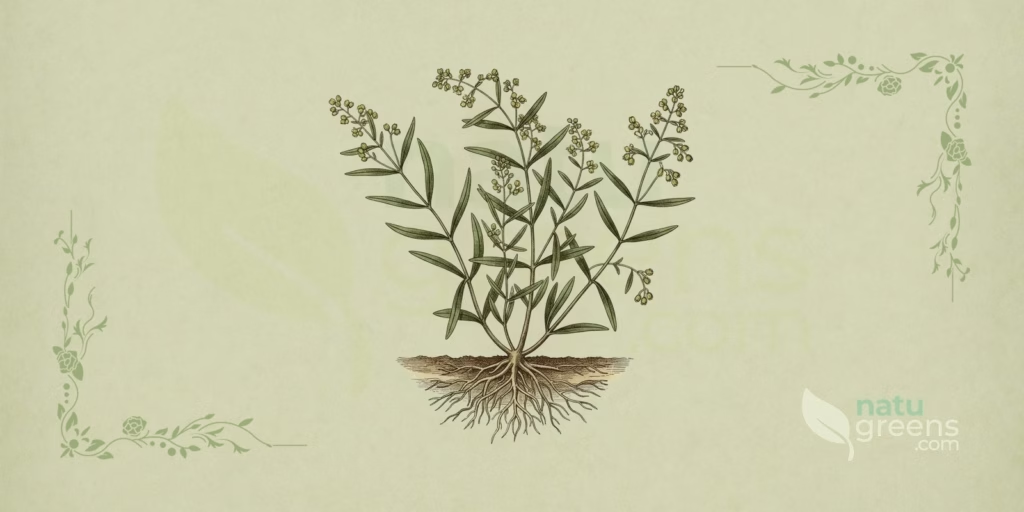
Plantago ovata Forssk. / Psyllium, commonly known as psyllium, ispaghula or isabgol, is an annual herbaceous plant of the Plantaginaceae family, described by the naturalist Pehr Forsskål. Associated with the semi-arid regions of the Mediterranean, the species is also found in various parts of Central, East and South Asia, as well as in North America. Plantago ovata is widely cultivated for its seeds, whose husk is the main source of psyllium, a soluble dietary fiber of great interest for intestinal health. Historically, the plant has been used in traditional Indian medicine, Ayurveda, and in other ethnobotanical practices because of its laxative properties and its ability to regulate bowel transit.
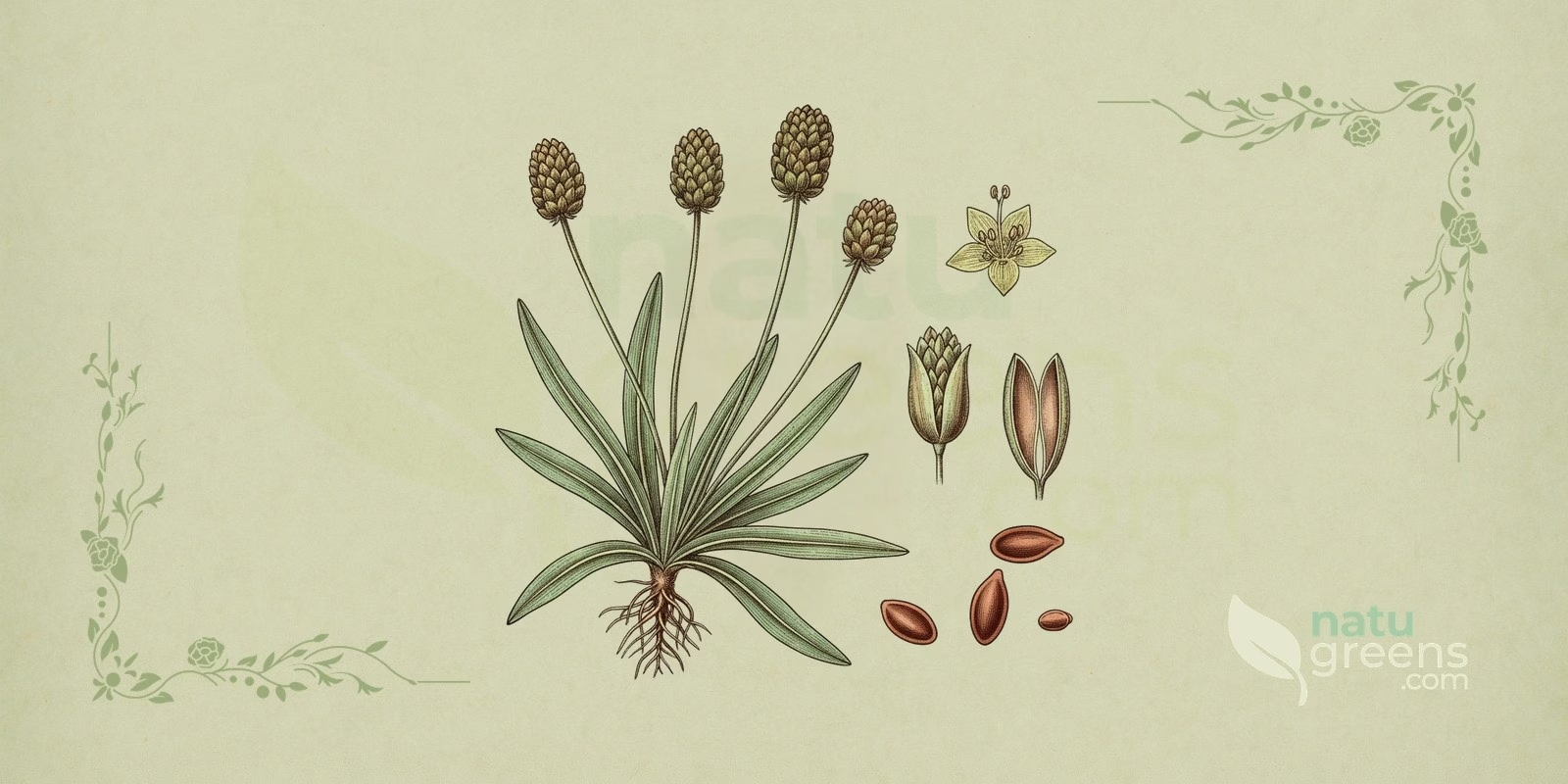
The importance of Plantago ovata lies in its rich mucilage content, which forms a viscous gel on contact with water. This gel eases bowel transit and, according to preliminary studies, may also act as a prebiotic, supporting a balanced gut microbiota. Modern research is also investigating its anti-inflammatory, cholesterol-lowering and blood glucose-lowering properties. The reduction in LDL cholesterol with regular use, for its part, has been confirmed in a meta-analysis of randomized controlled trials. This versatility explains why psyllium ranks among the most studied and widely used plant fibers in the world, always as a complement to a balanced diet and accompanied by generous fluid intake.
Popular and International Names of Psyllium
- English: blond psyllium, desert Indianwheat, ispaghula, psyllium.
- French: ispaghul, psyllium blond.
- German: Flohsamen, Indischer Wegerich.
- Italian: ispagula, psillio.
- Portuguese: isabgol, plantago-das-índias, plantago-ovata, psyllium.
- Spanish: ispágula, psyllium rubio, zaragatona.
Botanical Synonyms of Plantago ovata
Although Plantago ovata Forssk. is the accepted scientific name, several botanical synonyms appear in the literature and reflect the complex taxonomic history of the genus Plantago. Among the most frequently cited are Plantago brunnea Morris, Plantago fastigiata Morris, Plantago gooddingii A.Nelson & Kennedy, Plantago insularis Eastw. and Plantago ispaghula Roxb. ex Fleming, the last of which is linked to the name ispaghula that still appears today on the labels of psyllium husk products. These historical and regional names help trace the distribution of the species over time and recognize the same plant material in older publications.
Botanical Family: Plantaginaceae
Plantago ovata belongs to the Plantaginaceae family, a diverse group of flowering plants comprising about 100 genera and more than 1,800 species. The family is distributed worldwide and has adapted to a wide variety of habitats, from temperate to tropical regions. Its species are usually recognized by leaves arranged in a basal rosette and by dense, spike-shaped inflorescences, and many of them are used by different cultures in folk medicine for a wide range of health complaints.
The presence of bioactive compounds such as iridoids, flavonoids and mucilages is a common feature among members of the Plantaginaceae and accounts for much of the pharmacological activity attributed to the group. Phytochemical and pharmacological research on the family has revealed interesting potential and helps explain part of its traditional and modern use in herbal medicine. Plantago ovata is a prominent example of this group’s relevance to human health, particularly because of its soluble fiber and its effects on the digestive system and metabolism.
Parts of Psyllium Used
- Seed husks (the outer seed coat)
- Seeds
Ethnobotanical and Traditional Uses
- Bowel transit regulation
- Constipation relief
- Diarrhea relief
- Hemorrhoid relief
- Skin irritation relief
Therapeutic Properties of Psyllium
- Anti-inflammatory (effect investigated in experimental studies, without established clinical evidence)
- Antioxidant (activity observed in laboratory studies)
- Hypocholesterolemic (reduction in LDL cholesterol observed in clinical trials with regular use)
- Hypoglycemic (reduction in blood glucose observed in clinical trials, as an adjunct to diet and medical treatment)
- Intestinal regulator (traditional and clinical use in both constipation and mild diarrhea)
- Laxative (bulk-forming, increases stool volume and moisture)
- Prebiotic (preliminary studies suggest it stimulates the growth of beneficial gut bacteria)
Detailed Phytochemical Profile of Psyllium
- Amino acids
- Arabinose
- Arabinoxylans
- Carbohydrates
- D-galacturonic acid
- Fatty acids (linoleic, oleic, palmitic)
- Flavonoids
- Iridoids (aucubin, catalpol)
- Minerals (phosphorus, potassium, sodium)
- Mucilages
- Polyphenols
- Rhamnose
- Saponins
- Terpenes
- Xylose
The most studied fraction is the mucilage concentrated in the seed husk, composed mainly of arabinoxylans rich in arabinose and xylose, which are responsible for gel formation when the fiber comes into contact with water.
Preparation and Administration Forms of Psyllium
- Capsules
- Extracts
- Powder (for mixing into water or juice)
- Whole husk mixed into liquids or foods
Whatever the form, psyllium should always be taken with a generous amount of liquid, ideally at least one full glass of water per dose. Never take it as a dry powder or with little water, since the fiber swells quickly as it absorbs moisture. The usual advice is to start with small amounts and increase gradually so the bowel can adapt and bloating and gas subside, following the package instructions or the advice of a healthcare professional. Because the fiber reduces the absorption of other substances, medications should be taken one to two hours apart from psyllium. Capsules also require plenty of water, and people who have difficulty swallowing should not use any of these forms without a medical evaluation.
Synergy with Other Medicinal Plants
Digestive Health
In the herbal tradition, psyllium is often combined with carminative plants such as peppermint (Mentha × piperita) or fennel (Foeniculum vulgare) in preparations intended for digestive comfort. While psyllium acts as a gentle bulk-forming laxative, carminative plants are traditionally used to relieve flatulence and abdominal discomfort. For this reason, the combination appears in usage records among people seeking gentler bowel regulation. Anyone with irritable bowel syndrome or other digestive conditions who turns to this combination should do so under professional guidance, since responses vary considerably from one person to another.
Glycemic Control
In traditional records and complementary approaches, psyllium appears alongside plants such as cinnamon (Cinnamomum verum) or fenugreek (Trigonella foenum-graecum), which are traditionally used as an aid in keeping track of blood sugar levels. Soluble fiber slows the absorption of glucose, and studies are investigating whether these plants might add to its effects on insulin sensitivity, although the combination itself still lacks robust clinical trials. This combination never replaces the medical management of type 2 diabetes and may enhance the action of glucose-lowering drugs, which calls for blood glucose monitoring, with any medication adjustment made exclusively by the physician.
Recipes and Usage Protocols of Psyllium
Bowel-Regulating Drink
Ingredients: a small portion of psyllium powder (start with a small amount, according to the package or the advice of a healthcare professional) and 1 full glass (about 250 ml) of water or natural fruit juice.
Preparation: stir the psyllium powder into the water or juice and drink it immediately, before the gel fully forms. Then drink another glass of plain water, since the powder taken dry or with too little water can cause esophageal obstruction. The drink is traditionally used to support bowel regularity and relieve constipation, preferably before meals, and how often to take it should be decided with a healthcare professional. Adequate fluid intake throughout the day is an essential part of both the safety and the expected effect of psyllium.
Food Additive
Ingredients: small amounts of psyllium powder and a base food such as yogurt, oats or bread dough.
Preparation: psyllium powder can be added to yogurt, breakfast cereals and oatmeal or worked into bread and cake recipes to raise the fiber content of the dish. When using it in food, make sure the recipe contains enough liquid for the fiber to absorb water and form its gel, and drink a full glass of water with the meal. It is a practical way to increase daily fiber intake, traditionally associated with satiety and digestive comfort, and the amount should be adjusted gradually to avoid gastrointestinal discomfort.
The preparations above follow traditional records and do not replace professional guidance. Before any internal use, check the contraindications and interactions described in this article.
Associated Therapies
Diet Therapy
Psyllium is a valuable component of diet therapy, especially in eating plans focused on digestive and metabolic health. Its high concentration of soluble fiber makes it a good complement to high-fiber diets, helping to regulate bowel transit and, according to clinical trials, to lower LDL cholesterol and support glycemic control. Nutritionists often recommend it for people with irritable bowel syndrome, chronic constipation, type 2 diabetes and dyslipidemia, always as part of an individualized plan. Adding psyllium to the diet should go hand in hand with adequate fluid intake, which supports the action of the fiber and reduces the risk of adverse effects.
Clinical Phytotherapy
In clinical phytotherapy, psyllium is used as a bulk-forming laxative and as support in various gastrointestinal and metabolic conditions. Standardized psyllium husk preparations are recommended by practitioners in the management of constipation, mild diarrhea and hemorrhoid-related discomfort. They also serve as adjuncts in the follow-up care of diabetes and hypercholesterolemia. This approach emphasizes individualized guidance and patient monitoring, especially for those with pre-existing medical conditions or who are taking other medications, given the potential for interactions. Some of these uses are backed by clinical trials, mainly in constipation and cholesterol reduction, while others remain traditional records awaiting larger studies.
Contraindications and Side Effects of Psyllium
Contraindications
Psyllium should always be taken with a generous volume of liquid (at least one full glass per dose) and never as a dry powder or with little water, because of the risk of obstruction of the esophagus and intestine. It is contraindicated in intestinal stenosis, ileus, dysphagia and fecal impaction, as well as in cases of established intestinal obstruction or esophageal stenosis. During pregnancy, psyllium is accepted as a dietary fiber, but medicinal use should be under professional guidance, a precaution that also applies to breastfeeding and to children under 12 years of age. People with known hypersensitivity to psyllium or to any component of the formulation should avoid it. Anyone with active inflammatory bowel disease, such as Crohn’s disease or ulcerative colitis, needs to consult a healthcare professional before starting to use it.
It is also important to distinguish psyllium from common plantain (Plantago major), another very common species of the same genus. Common plantain is used mainly for its leaves, in teas and compresses, whereas psyllium corresponds to the seeds and seed husks of Plantago ovata. Because the parts used, the preparation and the precautions are specific to each species, one plant should not be used in place of the other.
Common Side Effects
The most common side effects associated with psyllium include flatulence, abdominal bloating, abdominal pain and a feeling of fullness, symptoms that are usually mild and temporary and tend to ease as the body adapts to the fiber. Insufficient fluid intake can lead to more serious adverse effects, such as esophageal or intestinal obstruction, which shows up as chest pain and difficulty swallowing or breathing and requires immediate medical attention. Respiratory allergy and anaphylaxis have been reported, mainly with occupational exposure to the powder, as among workers who handle the product frequently. In rare cases, hives, itching and skin rashes may also occur.
Drug Interactions
Psyllium should be taken one to two hours apart from any medication, because it reduces the absorption of several drugs, including lithium, carbamazepine, digoxin and antidiabetic agents. The same precaution applies to coumarin derivatives used as anticoagulants. The fiber can also reduce the absorption of minerals such as calcium, iron and zinc, and of vitamins, especially B12, which deserves attention with prolonged use. On the other hand, psyllium may enhance the effect of glucose-lowering drugs, requiring blood glucose monitoring and, where needed, dose adjustment by the attending physician. It should not be used together with antidiarrheal agents or drugs that inhibit intestinal motility, such as loperamide or opioids, because this combination increases the risk of intestinal obstruction. Before starting, tell your doctor or pharmacist about all the medications and supplements you are taking.
Historical Notes and Interesting Facts
Origin and Cultivation
Plantago ovata, the plant from which psyllium is obtained, is associated with the semi-arid regions of the Mediterranean, but its cultivation is concentrated mainly in India, today the world’s largest producer and exporter. This production dates back centuries and is of great economic importance to local farming communities, particularly in areas with a dry climate and sandy soils. The plant is well adapted to these conditions, which makes it a hardy crop in challenging environments. Harvesting the seeds requires care and is done by hand or with specialized machinery, so as to preserve the quality of the husk that will become psyllium.
Origin of the Names
The name psyllium comes from the Greek psýlla, meaning flea, in reference to the small size and appearance of the seeds. The same image inspired the German Flohsamen, literally “flea seeds”. Isabgol, the name used in India, derives from Persian terms that can be translated as “horse’s ear”, a reference to the shape of the seeds. From this name came the variants ispaghula and ispágula adopted in pharmacopeias and on product labels in several countries.
Versatility in the Food Industry
Beyond its medicinal use, psyllium is widely used by the food industry as a thickener, stabilizer and binding agent. It is a popular ingredient in gluten-free products, where it helps give the dough texture and elasticity and compensates for the absence of that protein. It also appears in breakfast cereals, energy bars and fiber-enriched baked goods. Its capacity to absorb large amounts of water and form a gel makes it a versatile, functional additive in many culinary applications.
Frequently Asked Questions about Psyllium
Can Psyllium Be Used for Weight Loss?
Psyllium can serve as an aid within a weight-loss plan, because its soluble fiber forms a gel in the stomach that prolongs the feeling of fullness and may reduce appetite and calorie intake. By regulating bowel transit, it also contributes to digestive comfort throughout the process. Even so, it should be part of a balanced diet and a healthy lifestyle rather than being seen as a stand-alone solution for weight loss. For this reason, guidance from a nutritionist is recommended for a personalized and safe plan.
What Is the Difference between Psyllium and Flaxseed?
Although both are sources of fiber and support digestive health, psyllium and flaxseed are different foods. Psyllium is the seed husk of Plantago ovata, rich in gel-forming soluble fiber, while flaxseed is the seed of Linum usitatissimum, which contains both soluble and insoluble fiber as well as omega-3 fatty acids. Psyllium is best known for its laxative and bowel-regulating effect, whereas flaxseed stands out for its omega-3 content. Both can be part of a balanced diet, each with its own composition and mechanism of action.
Is It Safe to Take Psyllium Every Day?
For most people, daily use of psyllium is usually well tolerated, provided it is accompanied by generous fluid intake, with at least one full glass of water per dose. Regular consumption can help maintain bowel regularity and, according to clinical trials, contribute to cholesterol and blood glucose control. The amount should follow the package directions or professional advice and be increased gradually to avoid bloating and gas. People with pre-existing medical conditions, those who are pregnant and those taking other medications should consult a healthcare professional before continuous use.
How Can Psyllium Be Taken Safely?
Psyllium should always be taken with a generous volume of liquid, at least one full glass per dose, and never as a dry powder or with little water, because the fiber swells and can cause obstruction of the esophagus and intestine. People with dysphagia, intestinal stenosis, ileus or fecal impaction should not use it. Symptoms such as chest pain or difficulty swallowing or breathing after taking it require immediate medical attention.
Does Psyllium Interfere with the Absorption of Medications?
Yes, the fiber can reduce the absorption of medications such as lithium, carbamazepine, digoxin and antidiabetic agents, so the recommendation is to take psyllium one to two hours apart from any medicine. It may also enhance the effect of glucose-lowering drugs, which calls for blood glucose monitoring in anyone being treated for diabetes. Before combining psyllium with any ongoing treatment, talk to your doctor or pharmacist.
Is Psyllium the Same Plant as Common Plantain?
No, psyllium comes from the seeds of Plantago ovata, whereas common plantain is Plantago major, a species of the same genus traditionally used for its leaves. Both belong to the Plantaginaceae family, but they differ in the parts used, preparation methods and precautions, so one should not be used in place of the other.
Notice: this content is for informational purposes and does not replace professional medical advice. Consult a physician or herbal practitioner before using medicinal plants, especially during pregnancy, breastfeeding, or alongside medication.
References and Scientific Studies
- PMC2018 Jovanovski E, et al. Effect of psyllium (Plantago ovata) fiber on LDL cholesterol and alternative lipid targets, non-HDL cholesterol and apolipoprotein B: a systematic review and meta-analysis of randomized controlled trials. Am J Clin Nutr. 2018.
- PMC2025 Przybyszewska J, et al. The role and therapeutic effectiveness of Plantago ovata husk (psyllium husk) in the prevention and non-pharmacological treatment of gastrointestinal diseases. Part 2. Clinical use of psyllium husk in the treatment of constipation and diarrhea. Prz Gastroenterol. 2025.
- PMC2017 Sarfraz RM, et al. Plantago ovata: a comprehensive review on cultivation, biochemical, pharmaceutical and pharmacological aspects. Acta Pol Pharm. 2017.