Anadenanthera colubrina (Vell.) Brenan / Angico, popularly known as angico, cebil, curupay, or vilca, is a deciduous tree of the Fabaceae family, commonly found in South America. This species has been valued for millennia for its diverse applications, ranging from traditional medicinal uses to indigenous rituals.
Anadenanthera colubrina can reach between 5 and 20 meters in height, and its trunk is frequently thorny. Its leaves, similar to those of the mimosa, can be up to 30 cm long and fold up at night. It is a widely distributed tree in South America, common in the Cerrado and the Caatinga, with no threat category assigned in conservation listings.
The South American ethnobotanical tradition gives Anadenanthera colubrina a significant role, both in healing practices and in spiritual ceremonies. Its bark, seeds, and leaves are employed to treat a variety of conditions, from respiratory problems to inflammation and intestinal parasites.
Modern scientific research has been validating many of these traditional applications, identifying a rich phytochemical composition that supports its pharmacological properties. However, it is crucial to note the toxic potential of the seeds due to the presence of psychoactive compounds, which were historically used in hallucinogenic rituals.
Popular and International Names of Angico
- English: angico, cebil, curupay, vilca, willka.
- Spanish: angico, cebil, curupay, huilca, huilco, vilca, wilco, willka.
- Portuguese: angico, angico-branco, angico-vermelho, arapiraca, cebil, curupay, vilca.
- French: angico, cebil, curupay, vilca.
- Italian: angico, cebil, curupay, vilca.
- German: Angico, Cebil, Curupay, Vilca.
- Quechua: vilca, willka (“sacred”).
Botanical Synonyms of Angico
The botanical synonyms of Anadenanthera colubrina include Acacia colubrina Mart., Piptadenia colubrina (Vell.) Benth., and Anadenanthera macrocarpa (Benth.) Brenan. The taxonomy of this species has been the subject of study and reclassification over time, reflecting the complexity of its identification and geographical distribution. The current designation, Anadenanthera colubrina (Vell.) Brenan, is widely accepted in contemporary botanical literature, although other designations may still be found in historical or regional contexts.
Botanical Family: Fabaceae

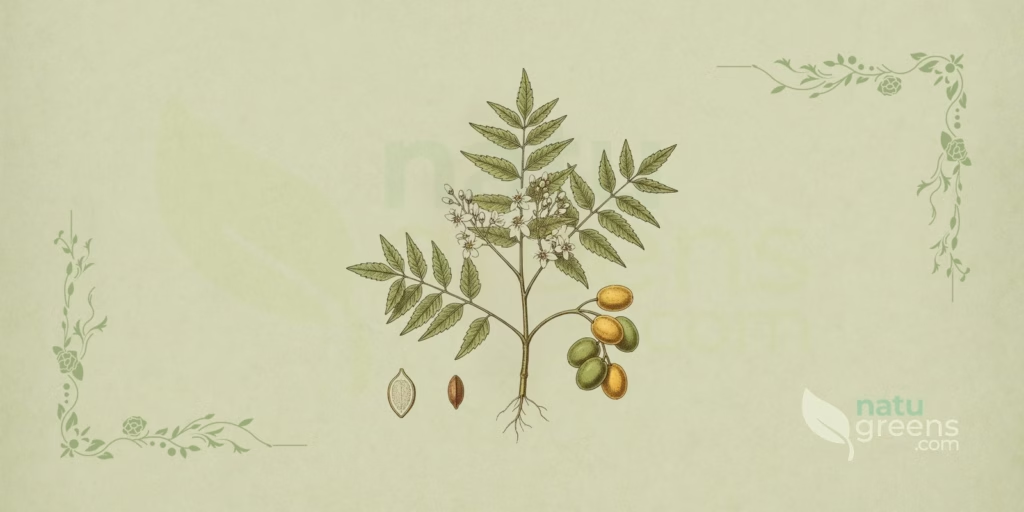
Botanical illustration of Anadenanthera colubrina (Vell.) Brenan (angico, vilca, cebil), a tree of the Fabaceae family native to South America, showing flat, orbicular, glossy brown seeds arranged inside an elongated flat pod, with details of the thorny bark and bipinnate leaves, in 19th-century botanical encyclopedia style on a herbarium paper background.
Anadenanthera colubrina belongs to the Fabaceae family, also known as Leguminosae, one of the largest families of flowering plants, characterized by the presence of pods (fruits) and by the ability of many of its species to fix nitrogen in the soil. This family includes a wide range of plants of great economic, food, and medicinal importance, such as beans, peas, lentils, and various trees.
The Fabaceae are recognized for their chemical diversity, producing a variety of bioactive compounds, including alkaloids, flavonoids, and tannins, which give medicinal properties to many of their species. The importance of this family in phytochemistry and traditional medicine is widely documented.
Parts of Angico Used
- Bark
- Gum
- Leaves
- Seeds
Ethnobotanical and Traditional Uses of Angico
- Anti-inflammatory
- Asthma
- Bronchitis
- Colds
- Cough
- Hallucinogen in religious rituals
- Intestinal parasites
- Purgative
- Respiratory problems
- Skin diseases
- Wound healing
Therapeutic Properties of Angico
- Antifungal (fights fungi)
- Anti-inflammatory (reduces inflammation)
- Antimicrobial (fights microorganisms); traditional use, without established clinical efficacy
- Antinociceptive (reduces the perception of pain)
- Antioxidant (fights free radicals)
- Antitumor (antitumor activity in studies)
- Healing (promotes wound healing)
Detailed Phytochemical Profile of Angico
- 2,9-Dimethyltryptoline
- 2-Methyltryptoline
- Alkaloids of the seeds (bufotenin, DMT, 5-MeO-DMT, methyltryptamine), absent or in traces in the bark and leaves
- Anadanthoflavone
- Bufotenin oxide
- Catechol
- DMT oxide
- Flavonoids (orientin, saponaretin, vitexin)
- Leucoanthocyanin
- Leucopelargonidin
- Phenolic compounds
- Saponins
- Steroids
- Tannins
- Triterpenes
Preparation and Administration Forms of Angico
Bark Decoction
The decoction of Anadenanthera colubrina bark is one of the most common forms of preparation for medicinal use. To prepare it, boil 10 to 15 grams of dried bark in 500 ml of water for about 15 minutes. Strain and drink the liquid warm. This preparation is traditionally used to relieve respiratory problems, such as coughs and bronchitis, and also for its anti-inflammatory properties. Consulting a healthcare professional before use is recommended.
Leaf Infusion
Angico leaves can be used to prepare an infusion. Add 1 teaspoon of dried, chopped leaves to 200 ml of boiling water. Let steep for 5 to 10 minutes, strain, and drink. This infusion is employed in some traditions to treat skin diseases and as a general tonic. It is important to ensure that the leaves come from a safe source and that there is no contamination.
Topical Use of the Gum
The gum extracted from the trunk of Anadenanthera colubrina can be used topically. Dissolve a small amount of the gum in water to form a paste and apply it to wounds or skin inflammation. The gum has healing and anti-inflammatory properties, aiding skin recovery. Always test a small area of skin before applying widely to check for allergic reactions.
Synergy with Other Medicinal Plants
Anti-inflammatory Support
For more robust anti-inflammatory support, angico can be paired with plants such as turmeric (Curcuma longa) or ginger (Zingiber officinale). These plants are known for their potent anti-inflammatory and antioxidant properties, which can complement the effects of Anadenanthera colubrina. The synergy between these compounds can be beneficial in the management of chronic inflammatory conditions, always under the guidance of a specialist.
Combinations for Respiratory Problems
Anadenanthera colubrina can be combined with other plants with expectorant and anti-inflammatory properties to enhance the treatment of respiratory problems. Plants such as eucalyptus (Eucalyptus globulus) and guaco (Mikania glomerata) are frequently used in synergy with angico to relieve coughs, bronchitis, and nasal congestion. Combining these plants can offer a more comprehensive, effective action against infections and inflammation of the respiratory tract.
Recipes and Usage Protocols of Angico
Homemade Cough Syrup
Ingredients: 20 g of chopped angico bark, 500 ml of water, 200 g of pure honey, juice of 1 lemon.
Preparation: Boil the angico bark in the water for 20 minutes. Strain and reduce the liquid to about 250 ml over low heat. Let it cool and add the honey and lemon juice, mixing well. Store in a sterilized jar in the refrigerator. Take 1 tablespoon, 3 times a day, to relieve coughs and throat irritation. This preparation is intended for adults: children should not use any part of angico, and honey is contraindicated before 1 year of age because of the risk of infant botulism. This syrup combines the expectorant properties of angico with the soothing qualities of honey and lemon.
Poultice for Wounds
Ingredients: Powdered angico bark, filtered water.
Preparation: Mix the powdered angico bark with a little water until a consistent paste forms. Apply to intact skin or to superficial lesions that have already been cleaned. Cover with a clean cloth and leave on for 30 minutes to 1 hour. The healing and anti-inflammatory properties of angico can aid the recovery of skin lesions. Repeat no more than twice a day and for up to three days. Stop and seek care if spreading redness, local heat, pus, fever or increasing pain appear.
Associated Therapies
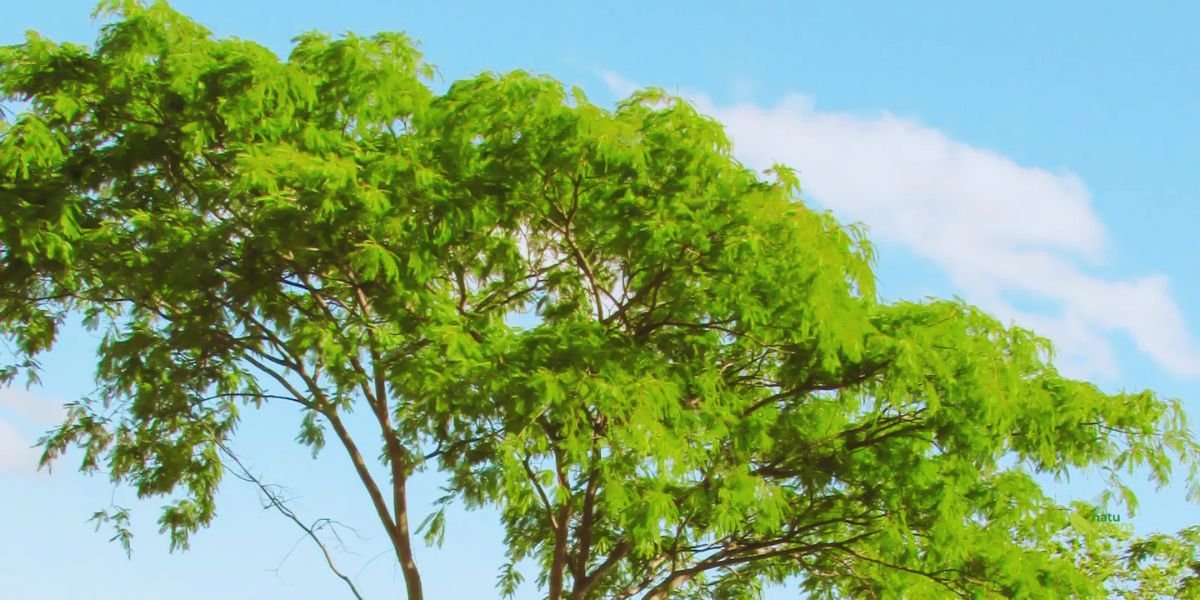
Angico tree (Anadenanthera colubrina / Anadenanthera macrocarpa)
Homeopathy
Angico is not part of the reference homeopathic materia medica, and no established homeopathic preparation made from Anadenanthera colubrina has been described. The uses occasionally attributed to the plant in that context are not supported by clinical studies demonstrating any efficacy. The uses described in this article belong to traditional herbal medicine, not to homeopathic preparations.
Phytotherapy
In phytotherapy, Anadenanthera colubrina is valued for its anti-inflammatory, antimicrobial, and expectorant actions. It is frequently used to treat respiratory infections and inflammation, and as support for wound healing. Bark extracts are the most studied and applied, and the plant is considered an important resource in traditional South American medicine. Its application in modern phytotherapy still requires more studies to fully elucidate the mechanisms of action and standardize dosages.
Contraindications and Side Effects of Angico
Drug Interactions
Although the bark and leaves are considered safer for traditional medicinal use, caution is still essential. Allergic reactions may occur in sensitive individuals. The tryptamines present in the plant, above all in the seeds, can interact severely with antidepressants: combining them with MAO inhibitors or with selective serotonin reuptake inhibitors can trigger serotonin syndrome, a state of agitation, high fever, muscle rigidity and tachycardia that requires emergency care. It is essential to consult a qualified healthcare professional before starting any treatment with Anadenanthera colubrina, to assess the risks and benefits and ensure patient safety.
General Contraindications
Anadenanthera colubrina, especially its seeds, contains psychoactive alkaloids such as bufotenin, DMT, and 5-MeO-DMT, which can be toxic and cause hallucinogenic effects. For this reason, the seeds have no admissible medicinal use: the alkaloids they contain, bufotenin, DMT and 5-MeO-DMT, are listed in schedule F2 of ANVISA Ordinance 344/98, which covers psychotropic substances banned from use in Brazil, and DMT falls under Schedule I of the 1971 United Nations Convention on Psychotropic Substances. Handling them lies outside any lawful herbal practice.
Side Effects
The consumption of seed-based preparations can lead to nausea, vomiting, dizziness, altered perception, and, in more severe cases, neurological and cardiovascular complications. Pregnant or breastfeeding women, children, and individuals with a history of psychiatric disorders should avoid using any part of the plant, especially the seeds. Due to the presence of tannins, prolonged use or high doses can cause gastrointestinal irritation.
Historical Notes and Interesting Facts about Angico
Ancestral Use as a Hallucinogen
Anadenanthera colubrina has a rich history of ancestral use as a hallucinogen in shamanic rituals in South America. The seeds, known as vilca or cebil, were ground and taken as snuff or smoked in pipes by Andean and Chaco peoples, a practice documented in the pre-Columbian Tiwanaku culture and still recorded among the Wichí. At Inca Cueva, in Argentina, bone pipes holding A. colubrina residues dated to around 2130 BC were recovered, which places psychoactive use more than four thousand years back. These rituals were frequently associated with divinatory practices and communication with the spirit world, playing a central role in Andean worldviews.
Ecological and Economic Importance
Beyond its medicinal and ritual uses, Anadenanthera colubrina has significant ecological and economic importance in several regions. Its wood is valued for construction, furniture making, and agricultural implements, and it is also a preferred source of firewood due to its high calorific capacity and long burning time.
The tree is widely used in fence building, as its wood is resistant to termites. The gum extracted from the trunk can be used in a similar way to gum arabic, and the tannins present in the bark are employed in industry for tanning leather. Its ability to grow in rocky, well-drained soils, together with its fast growth, makes it a resilient species that is valuable for the recovery of degraded areas. In the wider environment, the species also has an allelopathic effect, since it inhibits the germination and growth of neighbouring plants, and bark extracts show insecticidal activity in laboratory assays. These are ecological traits of the tree, with no therapeutic application in people.
Frequently Asked Questions about Angico
Is Angico Tea Safe for Everyone?
Not for everyone. The bark and the leaves are the parts folk tradition works with, and tea made from them is usually well tolerated by healthy adults in moderate amounts, although the safety of that practice has never been established in clinical studies. Pregnant or breastfeeding women, children, and people with a history of psychiatric disorders should avoid any part of the plant. Tannins can irritate the stomach, above all with prolonged use or at high doses. Teas and any other preparation based on the seeds are out of the question, because the seeds concentrate psychoactive alkaloids that are banned from use. Anyone on continuous medication, antidepressants in particular, should talk to a healthcare professional before trying it.
What Are the Main Benefits of Angico Tea?
Angico tea is traditionally valued for its expectorant, anti-inflammatory, and antimicrobial properties. It is frequently used to relieve symptoms of respiratory problems, such as coughs, bronchitis, and colds. In addition, it can aid wound healing and the treatment of some skin conditions when applied topically. Its anti-inflammatory action can also be beneficial for reducing pain and swelling. However, it is important to remember that these are traditional applications and scientific research is still exploring all of its potential benefits.
How Should I Prepare Angico Tea?
To prepare angico tea from the bark, use about 10 to 15 grams of dried bark for 500 ml of water. Boil the bark in the water for approximately 15 to 20 minutes. After boiling, strain the liquid and drink it warm. If you prefer to use the leaves, add 1 teaspoon of dried, chopped leaves to 200 ml of boiling water and let steep for 5 to 10 minutes before straining. Avoid using the seeds for tea preparations due to their toxic potential. The dosage and frequency of consumption should be adjusted as needed and always with professional guidance.
Notice: this content is for informational purposes and does not replace professional medical advice. Consult a physician or herbal practitioner before using medicinal plants, especially during pregnancy, breastfeeding, or alongside medication.
References and Scientific Studies
Peer-Reviewed Scientific Studies (2)
- PEER2023 Delices, M., de Araújo Isaías Muller, J., Arunachalam, K., & Tabajara de Oliveira Martins, D. (2023). Anadenanthera colubrina (Vell) Brenan: Ethnobotanical, phytochemical, pharmacological and toxicological aspects. Journal of Ethnopharmacology, 300, 115745.
- PMC2024 Lema, V. S. (2024). Contemporary Uses of Vilca (Anadenanthera colubrina var cebil): A Major Ritual Plant in the Andes. Plants, 13(17), 2398.
Supplementary Readings (1)
- 2011 Lema, V. S., & Pochettino, M. L. (2011). Anadenanthera colubrina var. cebil (Fabaceae): A psychoactive plant from the Southern Andes. Economic Botany, 65(4), 335-346.