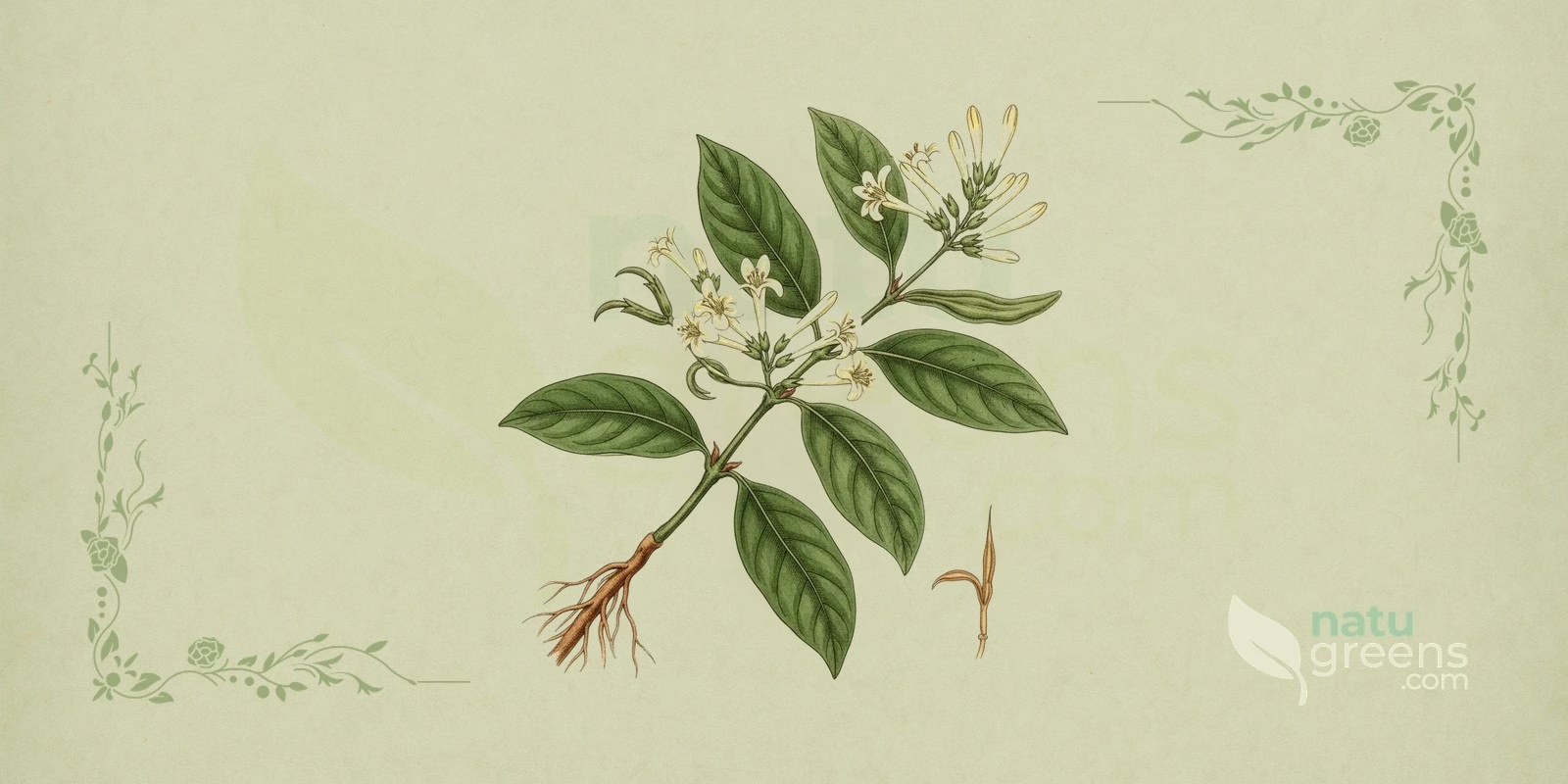
Uncaria tomentosa (Willd. ex Schult.) DC. / Cat’s Claw, popularly known as cat’s claw, is a woody vine of the Rubiaceae family, described by Augustin Pyramus de Candolle in 1830. Native to the Amazon rainforest and other tropical areas of South and Central America, this species has been used for centuries in the traditional medicine of indigenous peoples. Its hook-shaped tendrils, resembling a cat’s claws, give it its characteristic name and allow it to climb up to 30 meters high. The bark of the root and stem is the most valued part, harvested for the preparation of extracts, infusions, and other herbal products.
In South American herbal tradition, cat’s claw holds a prominent place as an immunostimulant and anti-inflammatory plant. Its applications range from treating arthritis and osteoarthritis to relieving gastrointestinal disorders and viral infections. The plant is recognized for its complex phytochemical composition, rich in oxindole alkaloids, glycosides, tannins, and other compounds that give it its therapeutic properties. Modern scientific research has validated many of the traditional uses of cat’s claw, cementing its position as one of the most promising medicinal plants of the Amazon.
Popular and International Names of Cat’s Claw
- English: cat’s claw.
- Spanish: uña de gato.
- Portuguese: garra de gato, unha de gato.
- French: griffe de chat.
- Italian: unghia di gatto.
- German: Katzenkralle.
Botanical Synonyms of Uncaria tomentosa
Uncaria tomentosa (Willd. ex Schult.) DC. is the accepted scientific name for cat’s claw. However, some sources may refer to it by less common botanical synonyms that were used in different periods of the history of plant taxonomy. It is important to note that the species Uncaria guianensis, although also known as cat’s claw, has slightly different properties and uses, and should not be confused with Uncaria tomentosa.
Less common synonyms include:
- Nauclea aculeata Kunth
- Ourouparia tomentosa (Willd. ex Schult.) Baill.
- Uncaria surinamensis Miq.
Botanical Family: Rubiaceae
The Rubiaceae family is one of the largest families of flowering plants, comprising more than 13,000 species distributed across roughly 600 genera. This family is cosmopolitan, but its greatest diversity is found in tropical and subtropical regions. Rubiaceae is known for including plants of great economic and medicinal importance, such as coffee (Coffea arabica) and cinchona (Cinchona officinalis), the source of quinine.
Uncaria tomentosa shares morphological features typical of the family, such as opposite leaves and interpetiolar stipules. The Rubiaceae family is notable for producing a wide range of bioactive compounds, including alkaloids, glycosides, flavonoids, and tannins, which give medicinal properties to many of its species. The phytochemical diversity of this family has been the subject of intense pharmacological research, contributing to the development of herbal drugs and supplements.
Parts of Cat’s Claw Used
- Root bark
- Stem bark
Ethnobotanical and Traditional Uses
- Abscesses
- Arthritis
- Asthma
- Digestive disorders
- Fever
- Gastric ulcers
- Immune support
- Inflammation
- Osteoarthritis
- Urinary tract infections
- Viral infections
- Wounds
Therapeutic Properties of Cat’s Claw
- Anti-inflammatory (effect studied in reducing inflammation)
- Antioxidant (activity studied against free radicals)
- Antiviral (activity studied against viruses, especially dengue virus)
- Gastroprotective (protective effect studied on the gastric mucosa)
- Immunomodulatory (effect studied on the immune system)
- Neuroprotective (protects the nervous system, with potential in reducing beta-amyloid)
Detailed Phytochemical Profile of Cat’s Claw
- Beta-sitosterol
- Campesterol
- Carboxyl alkyl esters
- Catechins
- Flavonoids
- Glycosides
- Indole alkaloids
- Oxindole alkaloids (pentacyclic and tetracyclic)
- Proanthocyanidins
- Quinovic acid glycosides
- Tannins
- Triterpenes
Preparation and Administration Forms of Cat’s Claw
- Capsules
- Decoction (of the bark)
- Dry extract
- Fluid extract
- Infusion (of leaves or bark)
- Tincture
Synergy with Other Medicinal Plants
Arthritis and Inflammation
Cat’s claw can be combined with other anti-inflammatory plants to enhance its effects in treating arthritis and other inflammatory conditions. Plants such as turmeric (Curcuma longa) and ginger (Zingiber officinale) are excellent options. Turmeric, with its active compound curcumin, is a potent anti-inflammatory and antioxidant. Ginger, in turn, contains gingerols and shogaols that also help reduce inflammation. The synergy between these plants can offer more effective relief from pain and inflammation, acting through different mechanisms.
Immune Support
For stronger immune support, cat’s claw can be paired with echinacea (Echinacea purpurea) or astragalus (Astragalus membranaceus). Echinacea is well known for its immunostimulant properties, helping the body fight infections. Astragalus is an adaptogen traditionally used to support the immune system and the body’s resistance. Combining these plants can be beneficial for preventing colds and flu, or for speeding recovery from viral infections.
Digestive Health
For digestive health, cat’s claw can be used together with aloe vera (Aloe barbadensis miller) or calendula (Calendula officinalis). Aloe vera is known for its healing and anti-inflammatory properties for the gastrointestinal tract, helping in the recovery from ulcers and inflammation. Calendula also has anti-inflammatory and healing effects, being useful for soothing the gastric mucosa. This synergy can be particularly beneficial for individuals with gastritis, ulcers, or irritable bowel syndrome.
Recipes and Usage Protocols of Cat’s Claw
Capsules for Immune Support
Ingredients: Standardized dry extract of Uncaria tomentosa (with a known content of oxindole alkaloids).
Preparation: Purchase cat’s claw dry extract capsules from a reliable supplier. The recommended dosage varies but generally falls between 250 mg and 1000 mg per day, divided into 2 to 3 doses. It is crucial to follow the manufacturer’s instructions or the guidance of a qualified healthcare professional. Capsules are a convenient form of administration for continuous use, especially for immune support and overall health maintenance.
Bark Decoction for Inflammation
Ingredients: 10-20 grams of dried Uncaria tomentosa bark, 1 liter of water.
Preparation: Place the bark and water in a pot and bring to heat. Let it simmer over low heat for 20 to 30 minutes. Strain and let cool. Consume 2 to 3 cups a day. This decoction is traditionally used to relieve joint pain and inflammation and as support for the digestive system. The decoction process is ideal for extracting the active compounds from the plant’s harder bark.
Tincture for Joint Pain Relief
Ingredients: 50 grams of dried, powdered Uncaria tomentosa bark, 250 ml of 70% grain alcohol.
Preparation: Place the powdered bark in a dark glass jar and add the alcohol. Seal well and let it macerate for 2 to 4 weeks in a cool, dark place, shaking daily. After the maceration period, strain the mixture through a fine cloth or coffee filter. Store the resulting tincture in a dark glass bottle. The typical dosage is 20 to 40 drops, diluted in a small amount of water, 2 to 3 times a day. This concentrated preparation is traditionally used for the relief of joint pain and chronic inflammation.
The preparations above follow traditional records and do not replace professional guidance. Before any internal use, review the contraindications and interactions described in this article.
The preparations above follow traditional records and do not replace professional guidance. Before any internal use, check the contraindications and interactions described in this article.
Associated Therapies
Aromatherapy
Although cat’s claw is not traditionally used in aromatherapy due to the absence of an essential oil with significant aromatic properties, its anti-inflammatory and immunomodulatory benefits can complement aromatic therapies aimed at overall well-being and stress reduction. For example, essential oils such as lavender or chamomile can be used to promote relaxation, while cat’s claw acts internally to support the immune system and reduce inflammation. This integrative approach can optimize therapeutic results, addressing different aspects of an individual’s health.
Clinical Herbal Medicine
In modern clinical herbal medicine, cat’s claw is often prescribed in the form of standardized extracts, capsules, or tablets, ensuring a precise dosage of its active compounds, such as oxindole alkaloids. It is used in managing chronic inflammatory conditions, such as rheumatoid arthritis and osteoarthritis, as well as to strengthen the immune system in cases of recurrent infections. The prescription is always individualized, taking into account the patient’s profile, the severity of the condition, and possible interactions with other medications. Clinical herbal medicine values scientific research to support the therapeutic use of cat’s claw.
Homeopathy
In homeopathy, Uncaria tomentosa can be used as a remedy for conditions resembling its effects in traditional medicine, such as inflammation, joint pain, and immune support. The homeopathic remedy is prepared through successive dilutions of the plant’s mother tincture, following the principles of homeopathy. The choice of potency and frequency of administration depends on the totality of the patient’s symptoms and individual constitution, and should always be determined by a qualified homeopath. Homeopathy seeks to stimulate the body’s own capacity for self-healing.
Contraindications and Side Effects of Cat’s Claw
General Contraindications
Cat’s claw is contraindicated in individuals with a known allergy to plants in the Rubiaceae family. Allergic reactions may manifest as contact dermatitis, hives, or, in more severe cases, anaphylaxis. Pregnant and breastfeeding women should avoid consuming cat’s claw, as its safety during pregnancy and breastfeeding has not been scientifically established, and some studies suggest it may be unsafe during pregnancy. Individuals with autoimmune diseases, such as multiple sclerosis or lupus, should consult a healthcare professional before use, as cat’s claw may activate the immune system, potentially worsening symptoms. There is also concern that it may harm the kidneys and worsen tremors in people with Parkinson’s disease.
Drug Interactions
Cat’s claw can interact with several medications. It may enhance the effect of anticoagulant and antiplatelet drugs, increasing the risk of bleeding. It may also interact with blood pressure medications, causing an excessive drop in blood pressure. In transplant patients or those using immunosuppressants, cat’s claw may reduce the effectiveness of these medications due to its immunomodulatory action. It may also alter how the liver metabolizes certain drugs, such as nirmatrelvir/ritonavir, which can change their effects and side effects. It is essential to inform your doctor about cat’s claw use before any surgery, as it may interfere with the control of blood clotting.
Potential Side Effects
Although generally well tolerated, cat’s claw can cause some side effects. The most common include gastrointestinal discomfort, nausea, and headaches. Allergic skin reactions, such as itching, rashes, and skin inflammation, may occur in sensitive individuals. In rarer cases, effects on kidney and hormonal function, as well as neuropathy, have been reported. The occurrence and severity of side effects can vary depending on the dose, individual sensitivity, and the presence of other health conditions. Discontinuing use and seeking medical guidance is advised if adverse reactions occur.
Historical Notes and Interesting Facts
Ancient Use in the Amazon
Cat’s claw has a long history of use in the traditional medicine of Amazonian indigenous peoples, with evidence dating back at least 2,000 years. Tribes such as the Asháninka in Peru used the plant to treat a wide range of ailments, from inflammation and joint pain to digestive problems and infections. Knowledge of its therapeutic properties was passed down orally from generation to generation, and the plant was considered sacred by many communities, also being used in spiritual rituals.
Discovery by the Western World
Despite its ancient use in the Amazon, cat’s claw only began to become known to the Western world in the twentieth century. Austrian scientist Klaus Keplinger was one of the pioneers in researching the plant, after learning of its traditional use during his travels to Peru in the 1970s. His early research helped scientifically validate many of the medicinal properties of cat’s claw, sparking the interest of the international scientific community and paving the way for its popularization as a dietary supplement worldwide.
The Chemotype Controversy
An important piece of trivia about cat’s claw is the existence of two main chemotypes, distinguished by their alkaloid composition. One chemotype is rich in pentacyclic oxindole alkaloids, considered mainly responsible for the plant’s immunostimulant effects. The other chemotype contains tetracyclic oxindole alkaloids, which may have opposite effects, decreasing immune system activity. This distinction is crucial to the therapeutic effectiveness of cat’s claw products, with the most valued extracts being those that contain only pentacyclic alkaloids.
Frequently Asked Questions about Cat’s Claw
What Is Cat’s Claw?
Cat’s Claw (Uncaria tomentosa) is a woody vine native to the Amazon rainforest, known for its hook-shaped tendrils. It has been used for centuries in indigenous traditional medicine for its medicinal properties, especially anti-inflammatory and immunomodulatory ones.
What Is Cat’s Claw Used For?
Cat’s Claw is traditionally used to treat a variety of conditions, including inflammation, arthritis, osteoarthritis, digestive problems (such as gastric ulcers), viral infections, and to strengthen the immune system. Modern scientific studies have investigated its potential in several areas of health.
What Are the Main Benefits of Cat’s Claw?
The main benefits attributed to Cat’s Claw include reducing inflammation, supporting the immune system, protecting the gastrointestinal tract, and providing antioxidant action. Some studies also suggest potential antiviral and neuroprotective effects, although more research is needed to confirm these effects.
Are There Side Effects or Contraindications?
Yes, Cat’s Claw can cause side effects such as gastrointestinal discomfort, nausea, and headaches. It is contraindicated for pregnant or breastfeeding women, people with an allergy to plants in the Rubiaceae family, individuals with autoimmune diseases, kidney problems, or Parkinson’s disease. It can interact with anticoagulant, antihypertensive, and immunosuppressant medications.
How Should I Use Cat’s Claw?
Cat’s Claw can be used in various forms, such as dry extract capsules, bark decoctions, or tinctures. The dosage and form of administration depend on the condition being treated and should always be guided by a qualified healthcare professional, following the manufacturer’s instructions or a medical prescription.
Notice: this content is for informational purposes and does not replace professional medical advice. Consult a physician or herbal practitioner before using medicinal plants, especially during pregnancy, breastfeeding, or alongside medication.
References and Scientific Studies
Peer-Reviewed Scientific Studies (3)
- PMC2017 Della Valle V. Uncaria tomentosa. Giornale Italiano di Dermatologia e Venereologia. 2017.
- PMC2020 Castilhos LG, et al. Uncaria tomentosa improves cognition, memory and learning in middle-aged rats. Experimental Gerontology. 2020.
- PMC2020 Lima V, et al. Uncaria tomentosa reduces osteoclastic bone loss in vivo. Phytomedicine. 2020.