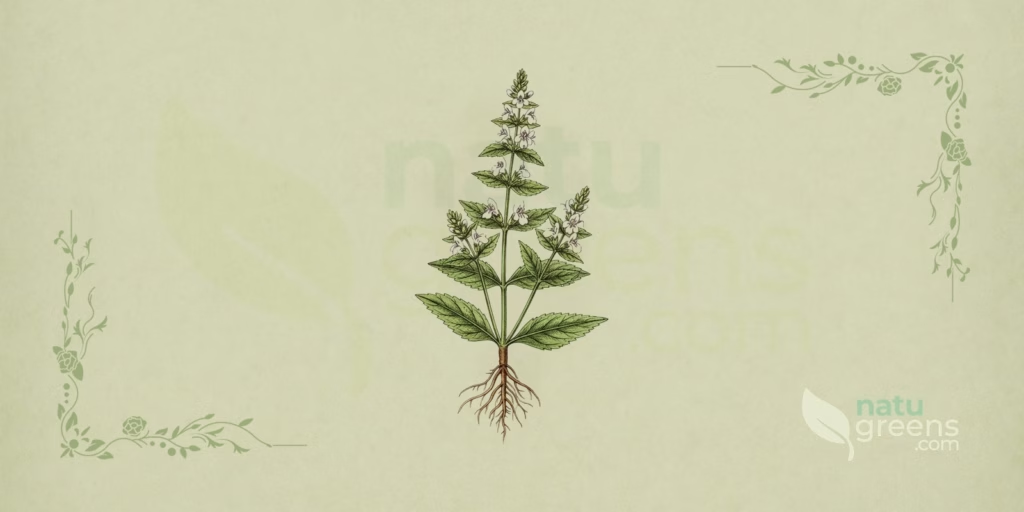
Melissa officinalis L. / Lemon Balm, popularly known as lemon balm, balm, or melissa, is a perennial herbaceous plant belonging to the Lamiaceae family. Native to south-central Europe, the Mediterranean, Central Asia, and Iran, this species is widely cultivated and naturalized in many parts of the world thanks to its recognized therapeutic properties and citrus aroma. Lemon balm has been used for more than 2,000 years in traditional medicine, with records of its use by the Greeks and Romans. Its leaves, with their distinctive lemon scent, are the main part used for preparing infusions, extracts, and essential oils, valued for their calming and digestive effects.
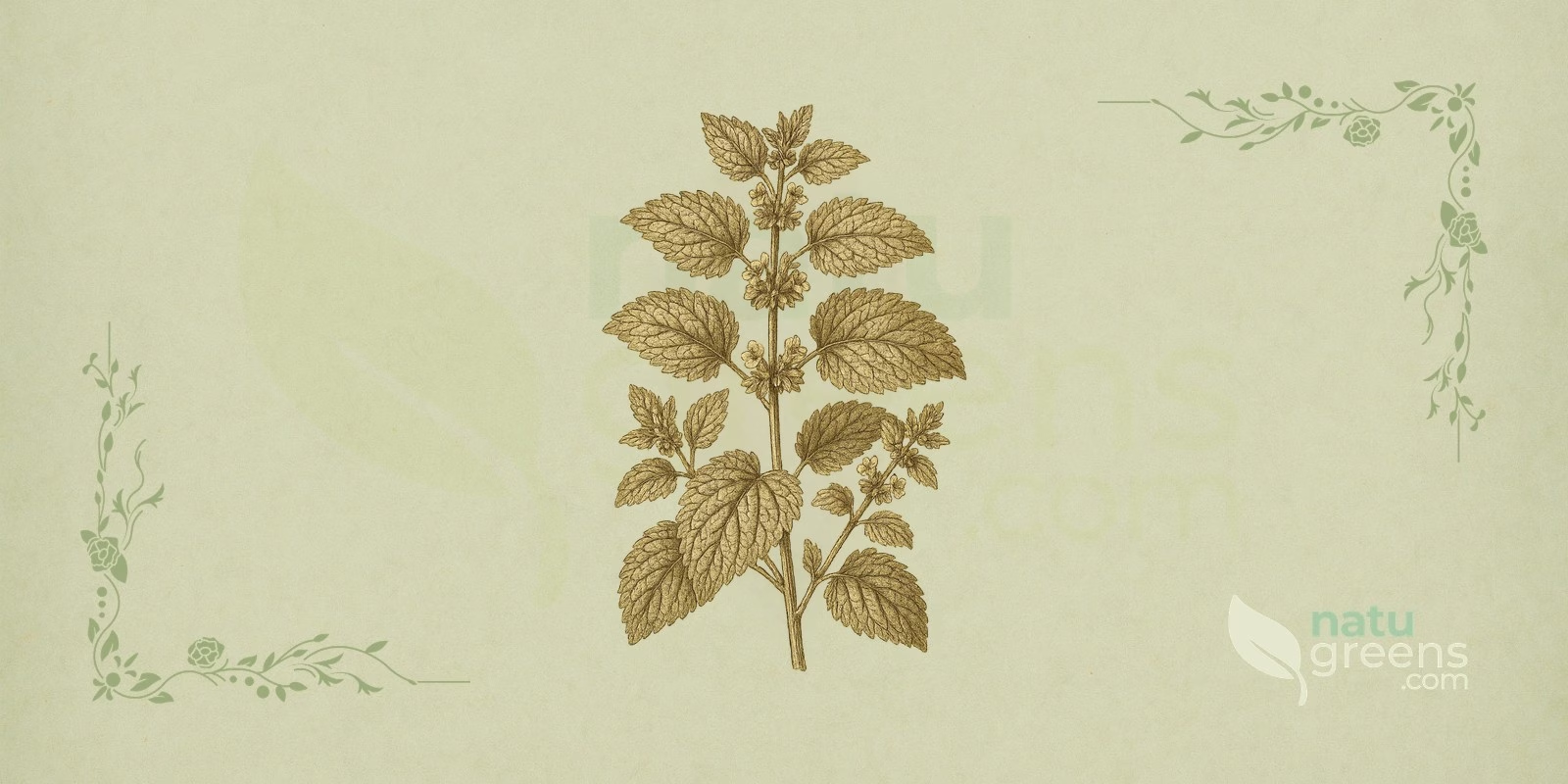
In European herbal tradition, lemon balm is widely used to ease gastrointestinal discomfort, reduce anxiety, and promote restorative sleep. Its phytochemical composition is rich in volatile compounds such as geranial, neral, and citronellal, along with phenolic acids such as rosmarinic acid, which contribute to its anti-inflammatory, antioxidant, and anxiolytic actions. Modern scientific research has corroborated many of lemon balm’s traditional uses, reinforcing its reputation as a versatile medicinal plant with a favorable safety profile for most users.
Popular and International Names of Lemon Balm
- English: balm mint, bee herb, common balm, lemon balm, sweet balm.
- Spanish: cidronela, hoja de limón, melisa, toronjil.
- Portuguese: cidreira, cidreira-verdadeira (PT), cidrilha, citronela (BR); erva-cidreira-verdadeira, erva-cidreira, melissa.
- French: citronnelle, mélisse officinale, piment des abeilles.
- Italian: cedronella, erba limona, melissa.
- German: Honigblatt, Melisse, Zitronenmelisse.
Botanical Synonyms of Melissa officinalis
Although Melissa officinalis L. is the widely accepted scientific name, the plant has a few botanical synonyms that have been used throughout the history of its taxonomy. These include Faucibarba officinalis, Mutelia officinalis, and Thymus melissa. Understanding these synonyms is important for historical research and for accurately identifying the species across different botanical and pharmacological contexts, ensuring correct application of the information about the plant.
Botanical Family: Lamiaceae
The Lamiaceae, also known as the mint family, is a vast and diverse family of flowering plants characterized by square stems, opposite leaves, and bilabiate flowers, often aromatic. This family includes many genera and species of major economic, culinary, and medicinal importance, such as mint, basil, rosemary, thyme, and sage. Lamiaceae plants are recognized for producing essential oils rich in terpenes and other volatile compounds, which give them their aromatic and therapeutic properties.
Lemon balm, as a member of the Lamiaceae, shares these distinctive features, including the presence of essential oils responsible for its citrus aroma and pharmacological actions. The phytochemical diversity of this family has been the subject of intense research, contributing to the development of herbal medicines and supplements that draw on the anti-inflammatory, antioxidant, antimicrobial, and sedative properties of many of its species.
Parts of Lemon Balm Used
- Essential oil
- Flowers
- Leaves
Ethnobotanical and Traditional Uses
- Cognitive function support (traditional)
- Reduction of malaise and dizziness
- Relief of colic and hiccups
- Relief of gastrointestinal disorders
- Relief of headaches
- Relief of nausea and vomiting
- Relief of nervousness and anxiety
- Sleep promotion and relief of insomnia (traditional)
- Traditional use for mild anemia
Therapeutic Properties of Lemon Balm
- Analgesic (traditional use for pain relief)
- Anti-inflammatory (effect studied in reducing inflammation)
- Antimicrobial (activity studied against microorganisms)
- Antioxidant (activity studied against free radicals)
- Antispasmodic (traditional use for relieving muscle spasms)
- Anxiolytic (effect studied in reducing anxiety)
- Carminative (helps expel gas)
- Cytotoxic (cytotoxic activity observed in laboratory studies on cells, including tumor cells, without clinical evidence)
- Digestive (aids digestion)
- Emmenagogue (effect studied on menstrual flow)
- Neuroprotective (protective effect studied on the nervous system)
- Sedative (effect studied on relaxation and sleep)
Detailed Phytochemical Profile of Lemon Balm
Melissa officinalis is rich in a variety of bioactive compounds that contribute to its therapeutic effects. Its main constituents include volatile compounds, triterpenes, phenolic acids, and flavonoids. The essential oil, responsible for the plant’s characteristic citrus aroma, contains a complex mixture of monoterpenes and sesquiterpenes. These phytochemicals act synergistically to provide the plant’s anxiolytic, anti-inflammatory, antioxidant, and antimicrobial properties.
- Caffeic Acid
- Caryophyllene
- Caryophyllene Oxide
- Chlorogenic Acid
- Citronellal
- Eugenol
- Flavonoids (Quercetin, Rhamnocitrin, Luteolin)
- Geranial (Citral A)
- Geraniol
- Geranyl Acetate
- Linalool
- Methyl Heptenone
- Neral (Citral B)
- Oleanolic Acid
- Rosmarinic Acid
- Tannins
- Terpenes
- Ursolic Acid
Preparation and Administration Forms of Lemon Balm
- Capsules
- Dry Extract
- Essential Oil
- Fluid Extract
- Tea (Infusion)
- Tincture
Synergy with Other Medicinal Plants
Anxiety and Insomnia
Lemon balm combines effectively with valerian (Valeriana officinalis) and passionflower (Passiflora incarnata) to enhance sedative and anxiolytic effects. This synergy is particularly useful in the traditional support of sleep disturbances and states of nervousness, where lemon balm contributes its calming action on the central nervous system, complementing the relaxing effects of the other plants. The combination may help reduce sleep latency and improve sleep quality without causing dependence.
Digestive Disorders
For relief of dyspepsia, flatulence, and intestinal colic, lemon balm can be paired with peppermint (Mentha × piperita) and chamomile (Matricaria chamomilla). Lemon balm’s antispasmodic and carminative compounds work together with the essential oils of peppermint and chamomile to relax the smooth muscle of the gastrointestinal tract, easing digestion and reducing abdominal discomfort. This combination is frequently used in digestive teas.
Cognitive Function Support
Lemon balm can be combined with ginkgo (Ginkgo biloba) to support cognitive function and memory. While studies suggest that lemon balm may help improve mood and attention, ginkgo is known to increase cerebral blood flow and protect neurons against oxidative damage. This synergy may be beneficial for individuals seeking support for concentration and mental clarity, especially during periods of stress or mild cognitive decline.
Recipes and Usage Protocols of Lemon Balm
Tea for Relaxation and Digestion
Ingredients: 1 teaspoon of dried lemon balm leaves, 200 ml of boiling water, honey or lemon (optional).
Preparation: Place the leaves in a cup and pour in the boiling water. Cover and let steep for 5-10 minutes. Strain and, if desired, add honey or a few drops of lemon. Drink 1 to 4 cups per day. To promote sleep, drink a cup 30 minutes before bed. To aid digestion, drink after main meals. This infusion is traditionally used to ease stress, anxiety, and mild digestive disturbances.
Liquid Extract for Quick Relief
Ingredients: Standardized liquid lemon balm extract.
Preparation: Follow the manufacturer’s instructions. The typical recommended dosage is 25-50 drops (approximately 1-2 ml) diluted in a small amount of water or juice, 1 to 3 times a day, as needed. This format provides faster absorption of the active compounds, making it suitable for acute anxiety or for a more immediate sedative effect. It is important not to exceed the recommended daily dose and to consult a healthcare professional before use, especially if taking other sedative medications.
Tincture for Ongoing Use
Ingredients: Lemon balm tincture (1:5, 45% alcohol).
Preparation: The typical dosage is 2-4 ml (approximately 40-80 drops) diluted in water, 3 times a day. The tincture is a concentrated form that allows for longer, more systematic use, being useful in the traditional management of chronic anxiety, insomnia, and digestive complaints. It is recommended to consult a healthcare professional to determine the most suitable dosage for each individual case, especially for long-term treatment.
The preparations above follow traditional records and do not replace professional guidance. Before any internal use, consult the contraindications and interactions described in this article.
The preparations above follow traditional records and do not replace professional guidance. Before any internal use, check the contraindications and interactions described in this article.
Associated Therapies
Aromatherapy
Lemon balm essential oil is highly valued in aromatherapy for its calming and relaxing effects. Inhaling its citrus aroma, whether through diffusers, vaporizers, or topical application diluted in vegetable oils, can help reduce stress and anxiety and improve mood. It is often used to promote a peaceful environment and support sleep. In massage, diluted lemon balm essential oil may ease muscle tension and stress-related headaches.
Clinical Phytotherapy
In clinical phytotherapy, lemon balm is used in various forms, such as standardized extracts in capsules or tablets, to ensure a consistent dose of active compounds. It is used to support sleep disturbances, mild to moderate anxiety, and functional dyspepsia, and its topical application for cold sores is under investigation due to antiviral activity observed in laboratory studies. Modern phytotherapy values lemon balm for its safety profile, and it is frequently integrated into treatment protocols for conditions related to stress and the nervous system.
Homeopathy
In homeopathy, Melissa officinalis is used as a remedy for symptoms such as nervousness, insomnia, and digestive disturbances, especially when accompanied by agitation. The homeopathic remedy is prepared from the fresh plant, following the principles of dilution and dynamization. It is often indicated for individuals who present with hypersensitivity and irritability, helping to restore balance and promote calm. The choice of potency and dosage is individualized, based on the totality of the patient’s symptoms.
Contraindications and Side Effects of Lemon Balm
General Contraindications
Lemon balm is generally considered safe for most people when used at recommended doses. However, it is contraindicated in individuals with known hypersensitivity to any component of the plant. Pregnant and breastfeeding women should consult a healthcare professional before using lemon balm, due to the lack of conclusive studies on its safety in these groups. Although there is no strong evidence of significant emmenagogue effects at normal doses, caution is advised. Individuals with hypothyroidism should use it with caution, as some studies suggest lemon balm may interfere with thyroid function, although the clinical relevance for humans remains uncertain.
Common Side Effects
Side effects of lemon balm are rare and generally mild. They may include nausea, vomiting, abdominal pain, dizziness, and allergic skin reactions in sensitive individuals. In cases of topical use, skin irritation may occur. Excessive consumption may lead to drowsiness. If adverse effects occur, use should be discontinued and a healthcare professional consulted. Most side effects are associated with very high doses or individual sensitivity.
Drug Interactions
Lemon balm may interact with certain medications. Due to its sedative effects, it may potentiate the action of sedatives, anxiolytics (such as benzodiazepines), and antidepressants, leading to increased drowsiness. Individuals taking thyroid medications should use lemon balm with caution and under medical supervision, as there may be a potential interaction with thyroid function. It may also interact with medications that affect the central nervous system. It is essential to inform your doctor or pharmacist about the use of medicinal herbs before starting any treatment.
Historical Notes and Interesting Facts
Melissa officinalis has a rich and fascinating history spanning more than two millennia. The ancient Greeks, including the philosopher Theophrastus (c. 300 BCE), already referred to it as “bee leaf” (μελισσόφυλλον), a name reflecting its strong attraction for bees, from which the genus name Melissa derives. It was formally introduced to Europe in the 7th century and quickly became a popular plant in monastic gardens and medieval herbals, valued for its medicinal and aromatic properties.
In the Middle Ages, herbalists, philosophers, and scientists recorded its uses. It was a favorite plant of the Tudors, who scattered its fragrant leaves across floors. The English botanist John Gerard, in the 16th century, grew it and noted its ability to attract bees for honey production. It was introduced to North America by early European settlers and cultivated in the gardens of historical figures such as Thomas Jefferson. Nicholas Culpeper, in the 17th century, associated it with the planet Jupiter and the sign of Cancer, recommending it for “weak stomachs,” to “gladden the heart,” and to drive away “melancholic vapors.” “Balm Water” or “Aqua Melissa” was a popular tonic drink in the 18th century, and it remains a main ingredient of Carmelite Water, still sold in German pharmacies today.
Frequently Asked Questions about Lemon Balm Tea
Does Lemon Balm Tea Make You Sleepy?
Yes, lemon balm tea is known for its sedative and anxiolytic properties, which may promote relaxation and support sleep. It is often used as a traditional remedy to support cases of insomnia and to reduce restlessness. Compounds present in lemon balm, such as rosmarinic acid and terpenes, act on the central nervous system to induce a state of calm. It is recommended to drink a cup of tea 30 minutes to 1 hour before bed for best results.
What Are the Main Benefits of Lemon Balm Tea?
The main benefits of lemon balm tea include reducing anxiety and stress, improving sleep quality, relieving digestive disturbances such as colic and flatulence, and its antioxidant and anti-inflammatory action. It may also help improve cognitive function and relieve headaches. It is a versatile beverage that offers multiple benefits for health and overall well-being, making it an excellent option for those seeking a gentle, natural remedy.
Does Lemon Balm Tea Have Contraindications?
Although generally safe, lemon balm tea has some contraindications. It is not recommended for people with a known allergy to plants in the Lamiaceae family. Pregnant or breastfeeding women should consult a doctor before use. Individuals with hypothyroidism should exercise caution, as there may be a potential interaction with thyroid function. It may also potentiate the effects of sedative medications. It is always advisable to speak with a healthcare professional before starting any herbal treatment.
Can You Drink Lemon Balm Tea Every Day?
Yes, lemon balm tea can be consumed daily by most people, provided it is at recommended doses. Regular use may help keep stress and anxiety levels under control, while also supporting good digestion and restful sleep. However, it is important to observe your body’s individual response and, in case of doubts or adverse effects, reduce frequency or consult a healthcare professional. Moderate, mindful consumption is the key to enjoying its benefits over the long term.
What Is the Difference Between Lemon Balm and Lemongrass?
Although both have a citrus aroma and are used in teas, lemon balm (Melissa officinalis) and lemongrass (Cymbopogon citratus) are different plants from distinct botanical families. Lemon balm belongs to the Lamiaceae family and has broader, more rounded leaves. Lemongrass, on the other hand, is a grass from the Poaceae family, with long, thin leaves. Their therapeutic properties also differ, with lemon balm best known for its sedative and anxiolytic effects, while lemongrass is more commonly used as a digestive and anti-inflammatory.
Notice: this content is for informational purposes and does not replace professional medical advice. Consult a physician or herbal practitioner before using medicinal plants, especially during pregnancy, breastfeeding, or alongside medication.
References and Scientific Studies
- PMC2022 Petrisor, G., Motelica, L., Craciun, L. N., Oprea, O. C., Ficai, D., & Ficai, A. (2022). Melissa officinalis: Composition, Pharmacological Effects and Derived Release Systems, A Review. International Journal of Molecular Sciences, 23(7), 3591. PMC
- DOI2016 Shakeri, A., Sahebkar, A., & Javadi, B. (2016). Melissa officinalis L., A review of its traditional uses, phytochemistry and pharmacology. Journal of Ethnopharmacology, 188, 204-228. ↗
- DOI2002 Kennedy, D. O., Scholey, A. B., Tindsley, N. T. J., Perry, E. K., & Wesnes, K. A. (2002). Modulation of mood and cognitive performance following acute administration of Melissa officinalis (lemon balm). Pharmacology Biochemistry and Behavior, 72(4), 953-964. ↗
- DOI2003 Akhondzadeh, S., Noroozian, M., Mohammadi, M., Salimi, S. H., Malekzadeh, S., & Khani, M. (2003). Melissa officinalis extract in the treatment of patients with mild to moderate Alzheimer’s disease: a double blind, randomised, placebo controlled trial. Journal of Neurology, Neurosurgery & Psychiatry, 74(7), 863-866. ↗