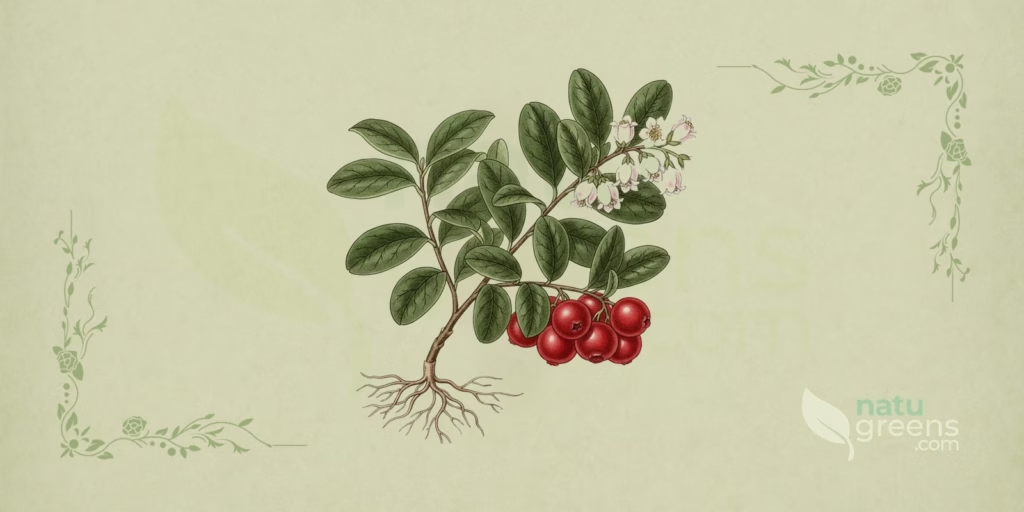
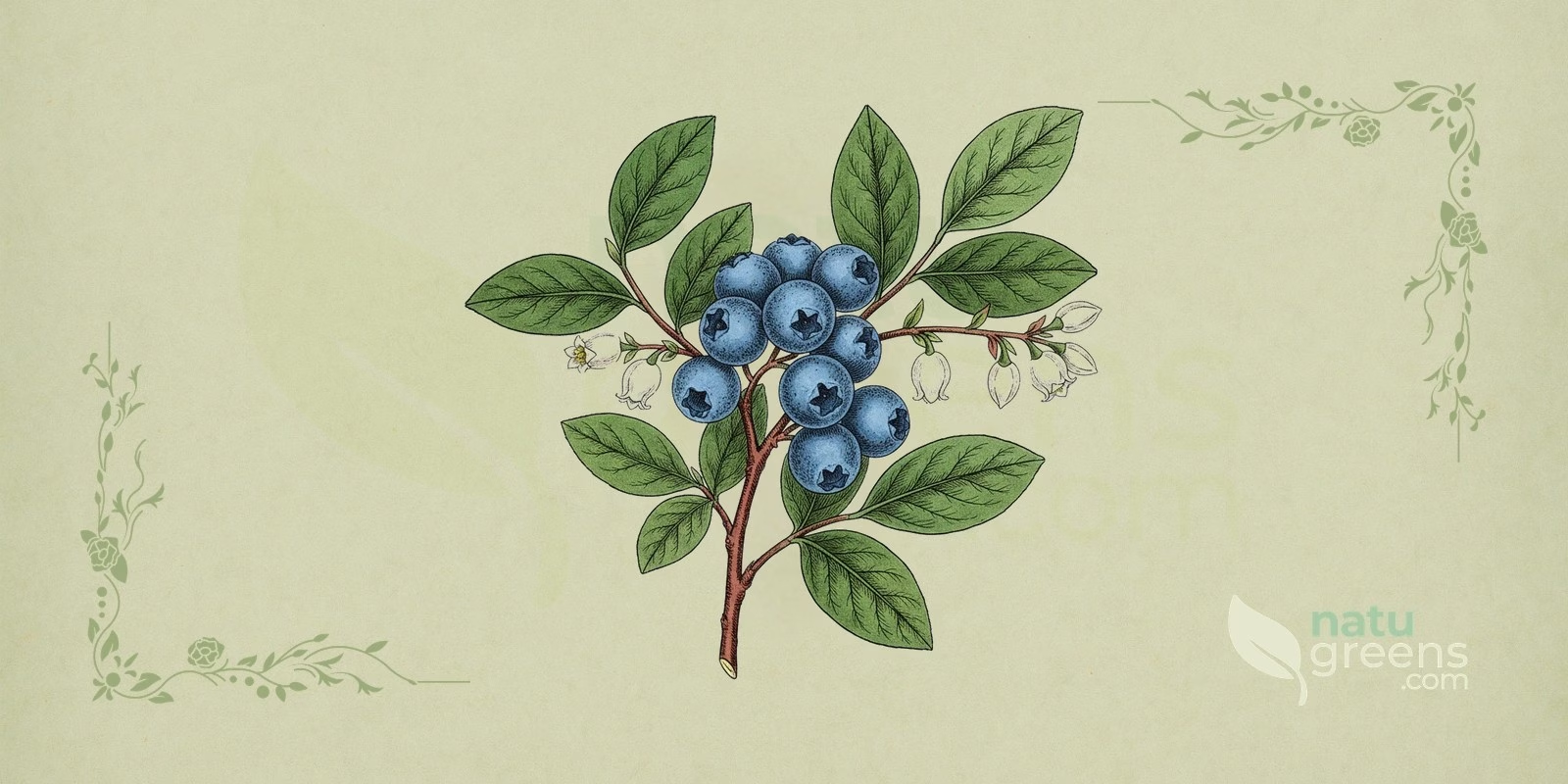
Vaccinium corymbosum L. / Blueberry, popularly known as highbush blueberry, is a deciduous shrub of the Ericaceae family, described by Carl Linnaeus in 1753. Native to North America, this species is widely cultivated across many regions of the world for its nutritious fruit and traditional medicinal value. Blueberries are round berries ranging from dark blue to black, covered with a whitish waxy bloom, and are enjoyed both fresh and processed into juices, jams, and baked goods.
In traditional medicine, the fruit of Vaccinium corymbosum has been used by Indigenous peoples of North America for various purposes, including the treatment of gastrointestinal disorders and as a general tonic. Modern scientific research has validated many of these applications, highlighting blueberry as a rich source of polyphenols such as anthocyanins, flavonoids, and phenolic acids. These compounds give blueberry potent antioxidant, anti-inflammatory, and cardioprotective properties, contributing to chronic disease prevention and the promotion of overall health.
Popular and International Names of Blueberry
- English: blue huckleberry, highbush blueberry, northern highbush blueberry, swamp blueberry, swamp huckleberry, tall huckleberry.
- Spanish: arándano, arándano alto, arándano azul, mirtilo.
- Portuguese: arando, arando-azul, mirtilo, mirtilo-alto, uva-do-monte.
- French: bleuet, myrtille, myrtille arbustive, myrtille en corymbe.
- Italian: mirtillo, mirtillo americano, mirtillo gigante americano.
- German: Blaubeere, Heidelbeere, Kulturheidelbeere.
Botanical Synonyms of Vaccinium corymbosum
The accepted botanical name for highbush blueberry is Vaccinium corymbosum L. However, a few synonyms have been used historically or in specific contexts. These include Cyanococcus corymbosus (L.) Rydb. and Vaccinium albiflorum Hook. The taxonomic classification of the genus Vaccinium is complex, with many species and hybrids, but Vaccinium corymbosum L. is the most widely recognized designation for the species cultivated commercially in North America.
Botanical Family: Ericaceae
The Ericaceae family, also known as the heath family, is a diverse group of plants that includes shrubs, trees, and herbs, many of which are adapted to acidic, nutrient-poor soils. This family is cosmopolitan in distribution and is characterized by flowers that are generally bell-shaped or urn-shaped, and fruit that is often a berry or capsule. Ericaceae is known for including many species of economic and traditional medicinal importance, such as rhododendrons, azaleas, and, of course, blueberries.
Blueberry (Vaccinium corymbosum) shares morphological traits typical of the family, such as its drooping flowers and preference for acidic soils. Many species in this family are rich in phenolic compounds, which contribute to their antioxidant and anti-inflammatory properties. The phytochemical diversity of Ericaceae has been the subject of intense research, revealing the traditional therapeutic potential of several of its species, including blueberry, which stands out for its high anthocyanin content.
Parts of Blueberry Used
- Fruit (fresh or dried berries)
- Leaves (dried)
Ethnobotanical and Traditional Uses
- General tonic and support for the immune system
- Improvement of night vision
- Prevention of urinary tract infections
- Reduction of gastrointestinal inflammation
- Relief of mouth and throat inflammation
- Blood sugar management in people with diabetes
- Treatment of diarrhea
- Use as a natural dye
Therapeutic Properties of Blueberry
- Anti-inflammatory (effect studied in reducing inflammation)
- Antidiabetic (effect studied on blood sugar)
- Antimicrobial (activity studied against microorganisms)
- Antioxidant (activity studied against free radicals)
- Cardioprotective (protective effect studied on the heart)
- Hypocholesterolemic (effect studied in reducing cholesterol)
- Immunomodulatory (effect studied on the immune system)
- Neuroprotective (protective effect studied on the nervous system)
- Vasoprotective (protective effect studied on blood vessels)
Detailed Phytochemical Profile of Blueberry
- Anthocyanins (cyanidin, delphinidin, malvidin, peonidin, petunidin)
- Dietary fiber
- Flavonoids (quercetin, myricetin, kaempferol, catechin, epicatechin)
- Minerals (manganese, copper, iron)
- Phenolic acids (chlorogenic acid, caffeic acid, ellagic acid)
- Proanthocyanidins
- Tannins
- Vitamins (C, K, E)
Preparation and Administration Forms of Blueberry
- Capsules and tablets
- Decoction (dried fruit)
- Fresh juice
- Fresh or frozen fruit
- Infusion (dried leaves or dried fruit)
- Standardized extract
Synergy with Other Medicinal Plants
Cardiovascular Health
Combining blueberry with Crataegus monogyna (common hawthorn) and Punica granatum (pomegranate) may enhance cardioprotective effects. Blueberry, rich in anthocyanins, acts synergistically with the flavonoids of common hawthorn and the ellagitannins of pomegranate, supporting endothelial function, helping lower blood pressure, and protecting against oxidative stress. This synergy offers a broad approach to maintaining cardiovascular health.
Glycemic Control
Combining blueberry with cinnamon (Cinnamomum verum) and Trigonella foenum-graecum (fenugreek) may optimize glycemic control. The anthocyanins in blueberry, the polyphenols in cinnamon, and the fiber in fenugreek work together to support insulin sensitivity, reduce glucose absorption, and modulate the post-meal glycemic response. This combination is beneficial for individuals with insulin resistance or type 2 diabetes.
Eye Health
Blueberry, in synergy with Euphrasia officinalis (eyebright) and calendula (Calendula officinalis), may be beneficial for eye health. The anthocyanins in blueberry are known for supporting night vision and protecting the retina, while eyebright has anti-inflammatory and astringent properties for the eyes, and calendula provides protective carotenoids. This combination can help ease eye fatigue and guard against oxidative damage.
Recipes and Usage Protocols of Blueberry
Blueberry Leaf Infusion for Glycemic Control
Ingredients: 1 teaspoon of dried blueberry leaves, 200 ml of boiling water.
Preparation: Place the leaves in a cup and add freshly boiled water. Cover and let steep for 10 to 15 minutes. Strain and drink. Two to three cups a day are recommended, preferably before meals. This infusion may support blood sugar management as a complement to diet and medication for people with diabetes. Regular glucose monitoring is important.
Fresh Blueberry Juice for Antioxidants
Ingredients: 1 cup of fresh or frozen blueberries, 1/2 cup of water (or to taste), honey or stevia (optional).
Preparation: Wash the blueberries thoroughly. Place the blueberries and water in a blender and blend until smooth. Strain if a pulp-free juice is preferred. Sweeten to taste, if needed. Drink 1 glass a day to take advantage of the potent antioxidant properties of blueberries, which support cellular protection and overall health. It can be combined with other fruits.
Dried Blueberry Decoction for Diarrhea
Ingredients: 2 tablespoons of dried blueberries, 500 ml of water.
Preparation: Place the dried blueberries and water in a pot. Bring to a boil and let simmer over low heat for 15 to 20 minutes, until the water volume reduces by about half. Strain and let cool. Drink 1/2 cup, 2 to 3 times a day. This decoction is traditionally used for diarrhea due to the astringent properties of the tannins present in dried blueberries.
The preparations above follow traditional records and do not replace professional guidance. Before any internal use, review the contraindications and interactions described in this article.
The preparations above follow traditional records and do not replace professional guidance. Before any internal use, check the contraindications and interactions described in this article.
Associated Therapies
Clinical Herbal Medicine
In clinical herbal medicine, blueberry is valued for its standardized extracts, rich in anthocyanins, which are used to support eye, cardiovascular, and metabolic health. These extracts are frequently recommended to support microcirculation, protect against oxidative stress, and assist with glycemic management. Dosage and formulation are carefully adjusted based on the patient’s condition and the concentration of active compounds, ensuring an appropriate and safe traditional approach based on individual assessment.
Functional Nutrition
In functional nutrition, blueberry is considered a superfood due to its dense nutritional profile and high concentration of antioxidants. It is recommended as part of a balanced diet to support gut health, help reduce chronic inflammation, and support cognitive function. Regular inclusion of blueberries in the diet, whether fresh, frozen, or powdered, is encouraged to maximize intake of beneficial phytochemicals and support overall health.
Contraindications and Side Effects of Blueberry
General Contraindications
Blueberry consumption is generally safe for most people. However, individuals with a known allergy to red berries or to plants of the Ericaceae family should avoid consuming it. Although rare, allergic reactions can occur, presenting as skin rashes, swelling, or difficulty breathing. Patients using anticoagulant medications, such as warfarin, should consume blueberry in moderation and under medical supervision, as compounds present in blueberry could theoretically potentiate the anticoagulant effect, increasing the risk of bleeding. It is always advisable to consult a healthcare professional if in doubt.
Common Side Effects
At high doses, blueberry can cause mild gastrointestinal disturbances, such as diarrhea or abdominal discomfort, due to its fiber content. Excessive consumption of the fruit or its extracts can, in some cases, lead to a marked drop in blood sugar levels (hypoglycemia), especially in people with diabetes who are already taking glucose-lowering medication. It is essential to monitor blood sugar levels and adjust the dose of blueberry or medication as needed, always under professional guidance. No reports of serious side effects have been associated with moderate blueberry consumption.
Historical Notes and Interesting Facts
Origin and Cultivation
Highbush blueberry (Vaccinium corymbosum) is native to North America, where it has been consumed by Indigenous peoples for thousands of years. Its domestication and modern commercial cultivation began in the early 20th century, driven by the efforts of Elizabeth Coleman White and Frederick Vernon Coville. Today, it is one of the most popular and widely cultivated berries in the world, with the United States as the largest producer. Its popularity stems not only from its flavor but also from growing recognition of its health-supporting properties.
Blueberry in Indigenous Culture
For many Native American tribes, blueberry was not just a food but also an important element of their culture and medicine. It was known as the star berry because of the five-pointed shape at the end of the fruit, which resembled a star. It was believed that the Great Spirit had sent blueberries to ease hunger during harsh winters. They were eaten fresh, dried, or made into pemmican, a nutritious mixture of dried meat and fat. Beyond their use as food, they were also employed in traditional remedies to address various ailments.
Blueberry and World War II
During World War II, Royal Air Force pilots consumed large quantities of blueberries (especially European blueberries, Vaccinium myrtillus, which have similar properties) in the belief that they improved night vision. Although direct scientific evidence for this specific effect is limited, the legend popularized blueberry as a superfood for eyesight. Today, it is known that the anthocyanins present in blueberries support overall eye health, protecting the eyes from oxidative stress and improving blood circulation in the retina.
Frequently Asked Questions about Blueberry
Does Blueberry Tea Help Control Blood Sugar?
Yes, studies suggest that tea made from blueberry leaves may help control blood sugar levels. The bioactive compounds present in the leaves, such as flavonoids, may improve insulin sensitivity and reduce glucose absorption. However, it should be used as a complement rather than a substitute for prescribed medication, and glucose monitoring remains essential.
Is Blueberry Good for Eyesight?
Yes, blueberry is widely recognized for its benefits to eye health. Anthocyanins, the pigments responsible for the fruit’s dark blue color, are potent antioxidants that protect retinal cells from oxidative damage. They may also improve blood circulation in the eyes and support adaptation to night vision, although more research is needed to fully confirm this last effect.
What Is the Best Way to Consume Blueberry for Health?
The best way to consume blueberry for health is through regular intake of fresh or frozen fruit. Natural juices without added sugar and standardized extracts are also good alternatives. Blueberry leaf tea can be beneficial for glycemic control. The key is consistency and including blueberry as part of a balanced, varied diet.
Does Blueberry Have Contraindications?
Blueberry is generally safe, but individuals with an allergy to red berries or to plants of the Ericaceae family should avoid consuming it. People taking anticoagulants should exercise caution and consult a doctor, as blueberry could theoretically potentiate the effect of these medications. At very high doses, it can cause gastrointestinal discomfort or hypoglycemia in people with diabetes.
Can I Grow Blueberries at Home?
Yes, it is possible to grow blueberries at home, provided the right conditions are met. Blueberries prefer acidic soils (pH between 4.5 and 5.5) that are well-drained and rich in organic matter. They require full sun exposure and regular watering. Several varieties are adapted to different climates. Home cultivation allows access to fresh, organic fruit but requires attention to the plant’s specific needs.
Notice: this content is for informational purposes and does not replace professional medical advice. Consult a physician or herbal practitioner before using medicinal plants, especially during pregnancy, breastfeeding, or alongside medication.
References and Scientific Studies
- PMC2010 Krikorian R, et al. Blueberry supplementation improves memory in older adults. Journal of Agricultural and Food Chemistry. 2010.
- PMC2012 Basu A, Lyons TJ. Strawberries, blueberries, and cranberries in the metabolic syndrome: clinical perspectives. Journal of Agricultural and Food Chemistry. 2012.
- PMC2026 Derbyshire EJ, et al. Polyphenols and Cardiovascular Health: Emerging Relevance for Blueberries, Grapes, and Red-Fleshed Table Grapes. Nutrients. 2026.
- PMC2026 Fan L, et al. Blueberry Bioactives as Adjunctive Nutritional Strategies for Pediatric Neurodevelopmental and Emotional-Behavioral Health: Mechanisms, Evidence, and Translational Challenges. Nutrients. 2026.