Apium graveolens L. / Celery is a biennial or monocarpic perennial herbaceous plant in the family Apiaceae, described by Carl Linnaeus in 1753. Native to Macaronesia and Ireland, and extending across Europe, Asia, and North Africa, this species has spread to every continent due to its well-known culinary and therapeutic properties. Celery has been used for millennia in traditional medicine and is mentioned in ancient Egyptian, Greek, and Roman texts. Its various parts, including stalks, leaves, and seeds, are harvested for the preparation of infusions, extracts, and other herbal products.
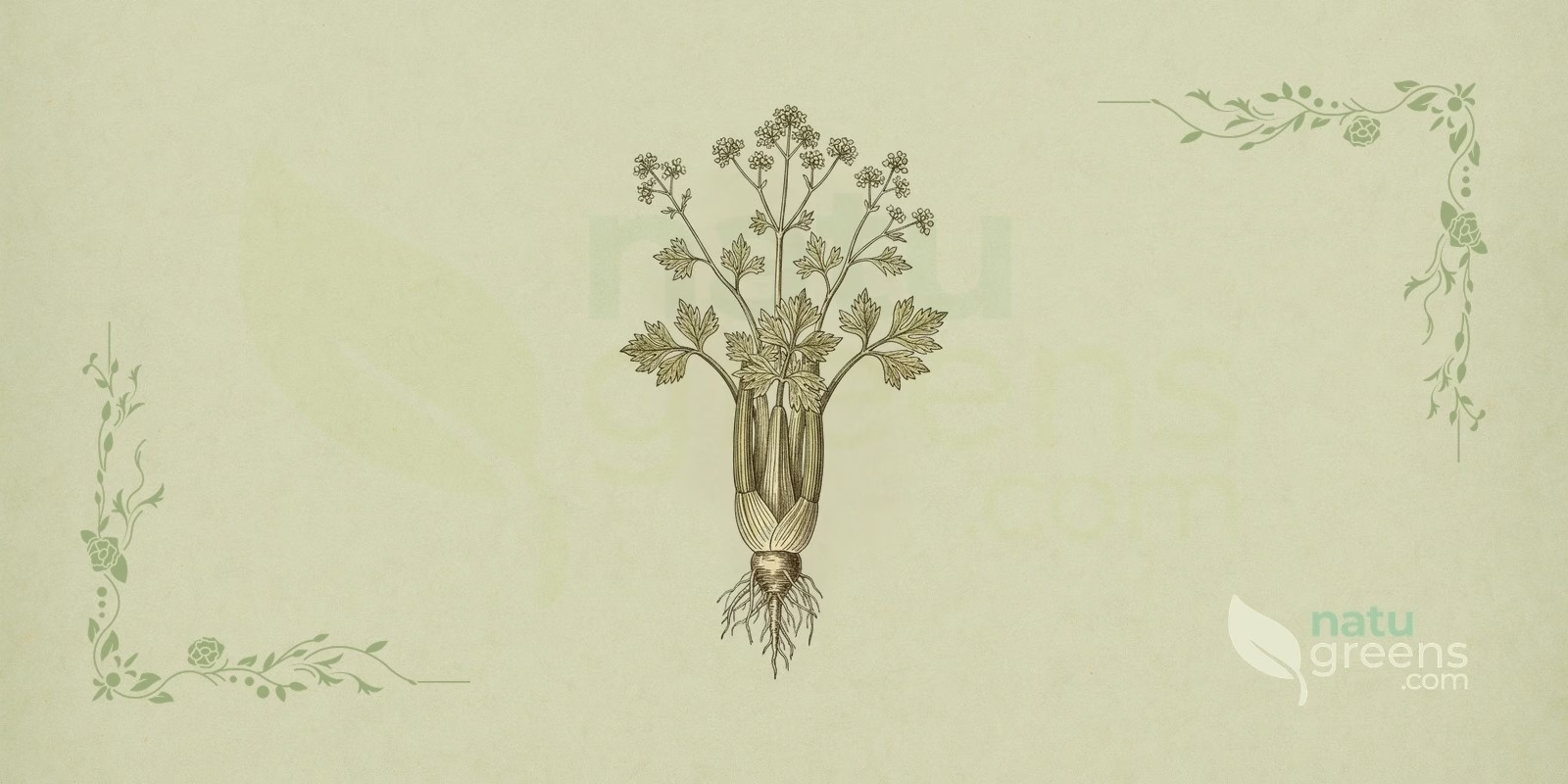
In European and Asian herbal tradition, celery holds a prominent place as a diuretic and anti-inflammatory plant, with applications ranging from treating gastrointestinal and urinary disorders to relieving inflammatory conditions and joint pain. The plant is recognized for its rich phytochemical composition, especially in flavonoids, phenolic acids, and essential oils, which give it antioxidant and antihypertensive properties, and modern scientific research has validated many of celery’s traditional uses, cementing its position as one of the most studied and widely used medicinal plants in the world.
Popular and International Names of Celery
- English: celery, smallage, wild celery.
- Spanish: apio.
- Portuguese: aipo (Portugal), salsão (Brazil).
- French: céleri.
- Italian: sedano.
- German: Sellerie.
Botanical Synonyms of Apium graveolens
Although Apium graveolens L. is the widely accepted scientific name, some cultivated varieties and historical synonyms have been used. Among the synonyms and related names found in the literature are Apium celleri, Apium decumbens, Celeria graveolens, and Carum graveolens. However, it is important to note that modern taxonomy regards Apium graveolens L. as the primary designation for this species, with the other references often associated with specific varieties or historical uses.
Botanical Family: Apiaceae
The Apiaceae family, formerly known as Umbelliferae, is one of the largest families of flowering plants, comprising around 3,700 species distributed worldwide. This family is characterized by an umbel inflorescence, in which numerous small flowers are clustered into a structure that resembles a single flower. Apiaceae includes plants of great economic, food, and medicinal importance, such as carrot, parsley, cilantro, and fennel.
Celery shares morphological traits typical of the family, including small tubular florets in the central disc and ray florets along the margins. The Apiaceae family is known for producing bioactive compounds, especially furanocoumarins, flavonoids, and essential oils, which give many of its species medicinal properties. The chemical diversity of this family has been the subject of intense pharmacological research, contributing to the development of herbal medicines and dietary supplements.
Parts of Celery Used
- Leaves
- Seeds
- Stalks
Ethnobotanical and Traditional Uses
- Control of high blood pressure
- Improved digestion and reduced bloating
- Liver detoxification
- Relief of arthritis and gout
- Treatment of bronchitis, colds, and flu
- Treatment of eczema and psoriasis
- Treatment of menstrual disorders
- Treatment of urinary infections and kidney stones
Therapeutic Properties of Celery
- Analgesic (traditional use for pain relief)
- Anti-hyperuricemic (effect studied on reducing uric acid)
- Anti-inflammatory (effect studied on reducing inflammation)
- Antidiabetic (effect studied on blood sugar)
- Antifungal (activity studied against fungi)
- Antihypertensive (effect studied on lowering blood pressure)
- Antimicrobial (activity studied against microorganisms)
- Antioxidant (activity studied against free radicals)
- Antiparasitic (activity studied against parasites)
- Antispasmodic (traditional use for relieving spasms)
- Antiulcer (effect studied on protecting the gastric mucosa)
- Cardioprotective (protective effect studied on the heart)
- Cytoprotective (protective effect studied on cells)
- Diuretic (effect studied on urine production)
- Expectorant (helps eliminate mucus)
- Hepatoprotective (protective effect studied on the liver)
- Hypolipidemic (effect studied on reducing blood fat levels)
- Neuroprotective (protective effect studied on the nervous system)
Detailed Phytochemical Profile of Celery
- Apigenin
- Coumarins
- Essential oils
- Flavonoids
- Furanocoumarins
- Glycosides
- Luteolin
- Minerals (potassium)
- Phenolic acids
- Phthalides
- Steroids
- Vitamins (A, C, K)
Preparation and Administration Forms of Celery
- Capsules
- Dry extract
- Essential oil
- Fluid extract
- Infusion
- Juice
- Tablets
- Tincture
Synergy with Other Medicinal Plants
Cardiovascular Health
Combining celery with garlic (Allium sativum) and common hawthorn (Crataegus monogyna) may enhance antihypertensive and cardioprotective effects. Celery contributes phthalides and flavonoids, which act on vasodilation and blood pressure reduction, while garlic provides allicin and hawthorn provides proanthocyanidins, creating a synergistic effect on heart health and circulation.
Digestive Support
The combination of celery with ginger (Zingiber officinale) and peppermint (Mentha × piperita) is traditionally used to relieve dyspepsia, flatulence, and intestinal cramps. Celery’s essential oils, rich in limonene and selinene, work synergistically with the gingerols in ginger and the menthol in peppermint, providing carminative, antispasmodic, and anti-inflammatory effects on the gastrointestinal tract.
Urinary Health
In applications for the urinary system, celery is combined with bearberry (Arctostaphylos uva-ursi) and horsetail (Equisetum arvense) for traditional support of urinary tract infections and kidney stones. Celery’s diuretic properties, together with bearberry’s hydroquinone glycosides and horsetail’s silicates, work synergistically, supporting the elimination of toxins and kidney function.
Recipes and Usage Protocols of Celery
Diuretic and Detoxifying Infusion
Ingredients: 1 teaspoon of crushed celery seeds, 200 ml of boiling water.
Preparation: Place the seeds in a cup and add freshly boiled water. Cover and let steep for 10-15 minutes. Strain and drink 1 cup, 2 to 3 times a day, between meals. This infusion is traditionally used to promote diuresis, support the body’s natural cleansing process, and aid kidney and urinary health.
Green Juice for Blood Pressure
Ingredients: 2 celery stalks, 1 green apple, 1 cucumber, juice of 1/2 lemon, 100 ml of water.
Preparation: Wash all the ingredients thoroughly. Cut the celery, apple, and cucumber into pieces. Place all the ingredients in a blender with the water and lemon juice. Blend until smooth. Strain if desired, and drink immediately. It is recommended to drink 1 glass a day, preferably in the morning, as traditional support for managing blood pressure and cardiovascular health. People taking blood pressure medication should exercise caution, as celery may enhance these effects, and should talk to a doctor before adding the juice to their treatment routine.
Tincture for Gout Relief
Ingredients: 100 g of dried celery seeds, 500 ml of 70% alcohol.
Preparation: Lightly crush the seeds and place them in a dark glass jar. Cover with the alcohol, seal tightly, and let macerate for 2 to 3 weeks, shaking daily. Strain and store in a dark glass bottle. The resulting tincture is traditionally used, in a small amount diluted in water, as support for relieving gout symptoms; given the concentration of the alcoholic seed extract and the emmenagogue effect already described for the seeds, dosage should be guided by a healthcare professional, and use should be avoided during pregnancy.
The preparations above follow traditional records and do not replace professional guidance. Before any internal use, check the contraindications and interactions described in this article.
Associated Therapies
Clinical Phytotherapy
In modern clinical phytotherapy, celery is prescribed in various pharmaceutical forms, including standardized extracts, capsules, and tablets. Celery extracts are often standardized for phthalides and flavonoids to ensure therapeutic consistency. Clinical phytotherapy uses celery in the management of cardiovascular disorders, chronic inflammation, and as an adjunct in diabetes care. Prescription is individualized, taking into account each patient’s specific needs and possible interactions with other medications.
Nutrition and Dietetics
Celery is highly valued in nutrition and dietetics for its low calorie content and high levels of fiber, vitamins, and minerals. It is a functional food that contributes to hydration, satiety, and digestive health. Its inclusion in a balanced diet is recommended for preventing chronic diseases, such as cardiovascular disease and diabetes, and for maintaining a healthy weight. Celery can be eaten raw in salads, cooked in soups and stews, or consumed as juice.
Contraindications and Side Effects of Celery
General Contraindications
Celery is contraindicated in individuals with a known allergy to plants in the Apiaceae family, including wild carrot, mugwort, birch, cumin, fennel, coriander seeds, parsley, anise, plantain, and dandelion. Allergic reactions can manifest as contact dermatitis, hives, or, in more severe cases, anaphylaxis. Pregnant women should avoid consuming celery oil and seeds in high therapeutic doses due to their potential emmenagogue effect, which can stimulate uterine contractions and cause miscarriage, although occasional consumption of stalks and leaves in food amounts is generally considered safe during pregnancy, and it is prudent to consult a doctor before regular use.
Celery should not be used in children under 6 months without medical supervision. Individuals with bleeding disorders or who take anticoagulants should use celery with caution, as the coumarins present in the plant may enhance anticoagulant effects. People with thyroid conditions should avoid consuming celery in medicinal amounts, as it may interfere with thyroid function, especially if they are taking medication for thyroid disorders.
Drug Interactions
Celery can interact with several medications. Its action on the cytochrome P450 system can alter the metabolism of drugs, including anticoagulants such as warfarin, increasing the risk of bleeding, and combining celery with levothyroxine may reduce the effects of this medication. Celery may also decrease lithium elimination, increasing its levels and side effects, in addition to enhancing the effects of celery seed extracts on blood pressure medications, causing excessive hypotension. Celery may also interact with medications metabolized by the liver, such as venlafaxine and aminopyrine, altering their effects, and consuming celery together with medications that increase sun sensitivity may heighten the risk of sunburn.
Historical Notes and Interesting Facts
Ancient History and Symbolism
Celery has a rich history dating back to antiquity. In ancient Greece, it was considered a sacred plant, associated with funeral rites and athletic victories, and celery wreaths were used to crown the winners of the Nemean and Isthmian Games, symbolizing honor and glory. The Romans also used it in ceremonies and as a seasoning, and its presence in ancient Egyptian tombs suggests a ritual or medicinal use dating back to time immemorial.
Varieties and Culinary Uses
Besides stalk celery, there are other important varieties of Apium graveolens. Celeriac (Apium graveolens var. rapaceum), grown for its tuberous root, is popular in European cuisine, especially in salads and soups. Leaf celery (Apium graveolens var. secalinum), also known as Chinese celery or smallage, is valued for its thinner leaves and stems and is widely used in Asian cuisine to add flavor and aroma to various dishes.
Wild and Cultivated Celery
Wild celery, Apium graveolens, differs significantly from cultivated varieties, having a stronger, more bitter flavor and more fibrous stalks. Cultivated varieties have been selected over centuries to develop more tender stalks, a milder flavor, and larger size, but wild celery is still valued in some cultures for its more concentrated medicinal properties and its use in traditional preparations.
Frequently Asked Questions about Celery
Can Celery Help With Weight Loss?
Yes, celery is often included in weight-loss diets due to its low calorie content and high water and fiber content. Fiber promotes satiety, helping reduce excessive food intake, and contributes to healthy bowel function. However, celery alone is not a magic solution for weight loss; it should be part of a balanced diet and a healthy lifestyle.
What Are the Main Health Benefits of Celery?
Celery offers a wide range of health benefits, including lowering blood pressure, anti-inflammatory and antioxidant properties, support for digestive and urinary health, and potential help with blood sugar control. It is rich in vitamins (A, C, K) and minerals (potassium), contributing to overall well-being and the prevention of various chronic diseases.
Is It Safe to Eat Celery During Pregnancy?
Eating celery stalks and leaves in food amounts is generally considered safe during pregnancy. However, celery essential oil and seeds in high medicinal doses are contraindicated, as they can stimulate uterine contractions and increase the risk of miscarriage. Pregnant women should always consult a healthcare professional before using any medicinal plant in therapeutic doses.
Does Celery Interact With Medications?
Yes, celery can interact with several medications, including anticoagulants (such as warfarin), thyroid medications (levothyroxine), lithium, and blood pressure medications. It can also affect the liver’s metabolism of certain drugs and increase sun sensitivity when used together with other photosensitizing medications. It is essential to tell your doctor or pharmacist about celery consumption if you are taking any medication.
Notice: this content is for informational purposes and does not replace professional medical advice. Consult a physician or herbal practitioner before using medicinal plants, especially during pregnancy, breastfeeding, or alongside medication.
References and Scientific Studies
Peer-Reviewed Scientific Studies (3)
- PMC2017 Al-Asmari, A. K., Athar, M. T., & Kadasah, S. G. (2017). An Updated Phytopharmacological Review on Medicinal Plant of Arab Region: Apium graveolens Linn. Pharmacognosy Reviews, 11(21), 13-18. Link para o estudo
- PEER2025 Daoud, G., Ahsan, F., Mahmood, T., Bano, S., Ansari, V. A., Zaidi, S. M. H., & Ansari, J. A. (2025). Therapeutic potential and bioactive compounds of Apium graveolens: A phytopharmacological review. Pharmacological Research – Reports, 3, 100039. Link para o estudo
- PMC2017 Kooti, W., & Daraei, N. (2017). A Review of the Antioxidant Activity of Celery (Apium graveolens L.). Journal of Evidence-Based Complementary & Alternative Medicine, 22(4), 1029-1034. Link para o estudo
Supplementary Readings (1)
- Linnaeus, C. (1753). Species Plantarum. Laurentius Salvius. Link para a obra